


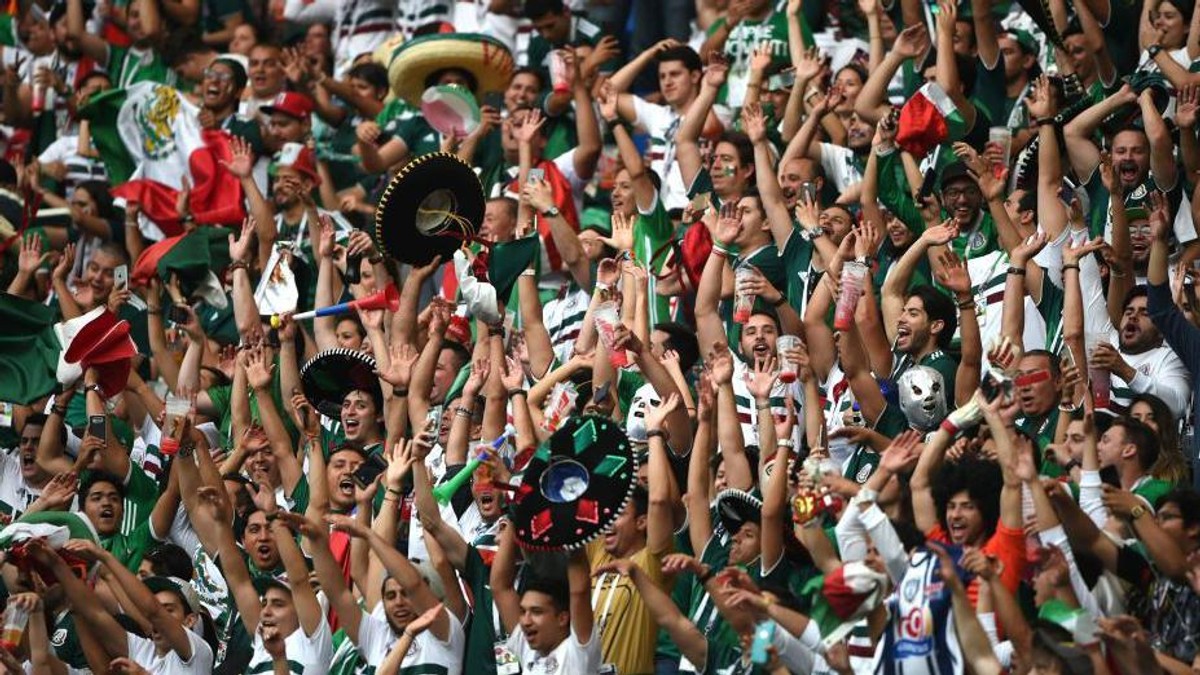
From Oakland to Azteca
You sit in your seat. You look right. You see it coming. It grows, it crests, it hits you. You stand, you raise your hands, you roar. You sit. It moves on. This is the wave. It is the heartbeat of the stadium, a collective pulse that transcends language and borders. But where did this iconic ritual truly begin? While the world calls it the "Mexican Wave," the roots dig deep into American soil.
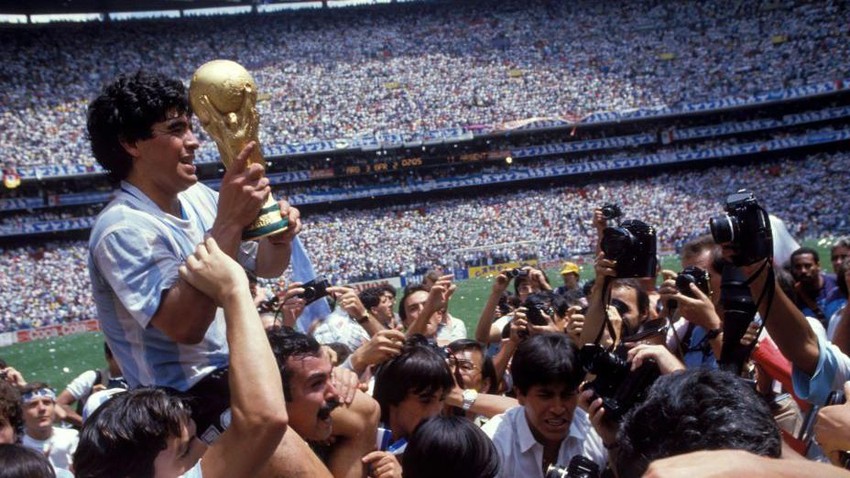
George Henderson, known as "Crazy George," claims he started it all on October 15, 1981, at a baseball game between the Oakland Athletics and the New York Yankees in California. The A's were down two games in the series. Henderson gathered fans in three sections, explaining his idea. The first two attempts failed. The third worked. The fourth created a continuous, unbroken loop around the stadium. "The whole stadium went crazy," Henderson recalls. Televised to millions, this simple act of coordination spread like wildfire. It appeared at the 1984 Los Angeles Olympics, but it was the 1986 FIFA World Cup in Mexico City that cemented its legacy. At the legendary Estadio Azteca, the wave captivated a global audience, forever linking the movement to Mexican football culture.

The Physics of the Crowd
But what is the wave, scientifically? In 2002, physicists from the Hungarian Academy of Sciences, including Ilyés Farkas, Tamas Vicsek, and Dirk Helbing, published a study in Nature analyzing the phenomenon. They treated spectators like particles in a system. Their findings? The wave travels clockwise at roughly 12 meters per second, spanning about 20 seats. It maintains a stable profile, typically six to 12 meters wide. It is a self-organizing pattern, born from simple rules: stand when the person to your left stands, sit when the person to your right sits. No leader. No command. Just pure, emergent order.
Chasing the Record
Today, the wave is back in the spotlight. As part of the countdown to the 2026 FIFA World Cup, Mexico City is attempting to break the Guinness World Record for the longest human wave. The chosen venue? The iconic Paseo de la Reforma. This historic boulevard, inspired by European avenues, offers the perfect urban canvas. The previous record for the largest wave involved 157,574 people at a NASCAR race in Bristol in 2008. The longest continuous wave lasted 17 minutes at a concert in Japan in 2015. Mexico City aims to surpass these feats, proving that the spirit of the wave still pulses strong in the streets of the capital. Will it succeed? The crowd will decide.


fenerbahce were miles better this season tbh. honestly didn't see that coming lol. Djokovic just different class rn...