


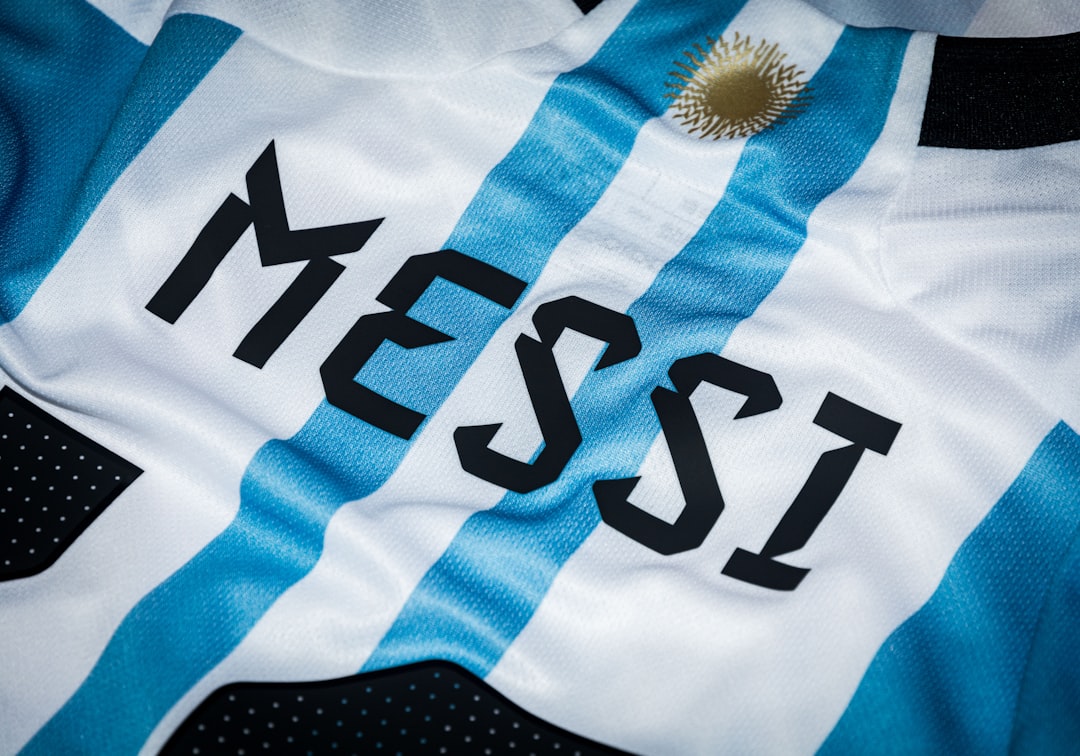
Lionel Messi remains the undisputed king of football's commercial landscape, a status reinforced by recent data showing his global appeal still eclipses even the biggest stars in the sport. While the 2026 FIFA World Cup approaches with Kylian Mbappé and Cristiano Ronaldo as marquee names, recent analysis suggests Messi's name recognition and search volume continue to dominate. For Balkan audiences, who have a deep and passionate connection to the sport, Messi's career trajectory offers a lens into how modern football balances sporting excellence with massive commercial influence. His move to Inter Miami has not only revitalized Major League Soccer but also kept his relevance at a peak that few athletes sustain after leaving European top-flight football.
The Commercial Giant: Messi vs. The New Generation
The debate over who drives the most interest in international football has shifted from pure athletic performance to digital engagement and brand value. While Kylian Mbappé has taken over as the face of the current French national team and a global superstar in his own right, data indicates that Lionel Messi still generates higher search interest in many key markets. This is particularly evident in regions where football is a cultural staple, including the Balkans. The Argentine forward has built a legacy that transcends statistics; his eight Ballon d'Or awards and World Cup victory with Argentina have cemented a brand that is resilient against the rise of newer talents.
In contrast, Cristiano Ronaldo, though still a massive draw in markets like Asia and Africa, sees a gradual decline in daily search volume compared to his peak years. Mbappé, now a global icon, is rapidly closing the gap, but Messi's consistent presence in the media cycle—whether through his performances in MLS or his high-profile family life—keeps him in the public eye. This sustained attention is critical for the FIFA World Cup marketing machine, which relies on recognizable faces to sell tickets, broadcasting rights, and merchandise. For Balkan fans, who follow international stars closely, Messi's continued dominance is a testament to his unique ability to remain relevant even when not playing in Europe's elite leagues.
The Balkan Connection: Football Passion and Global Icons
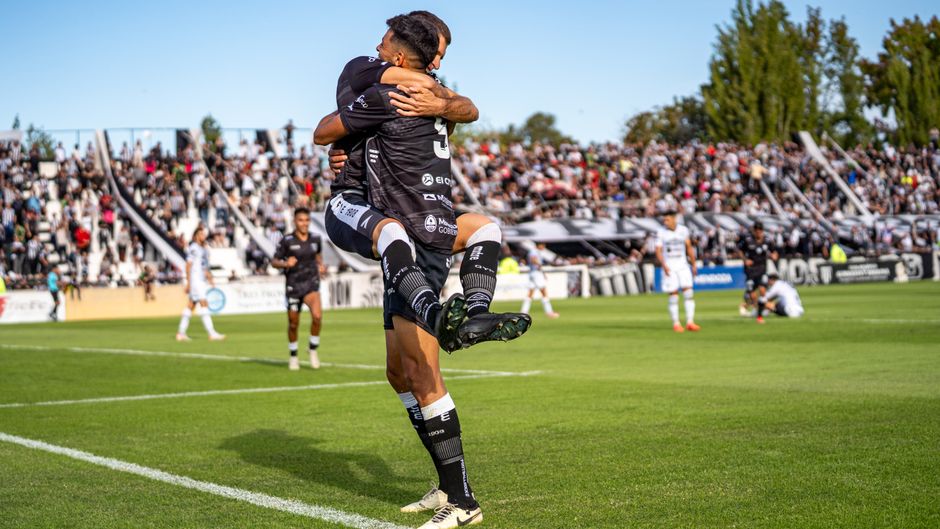
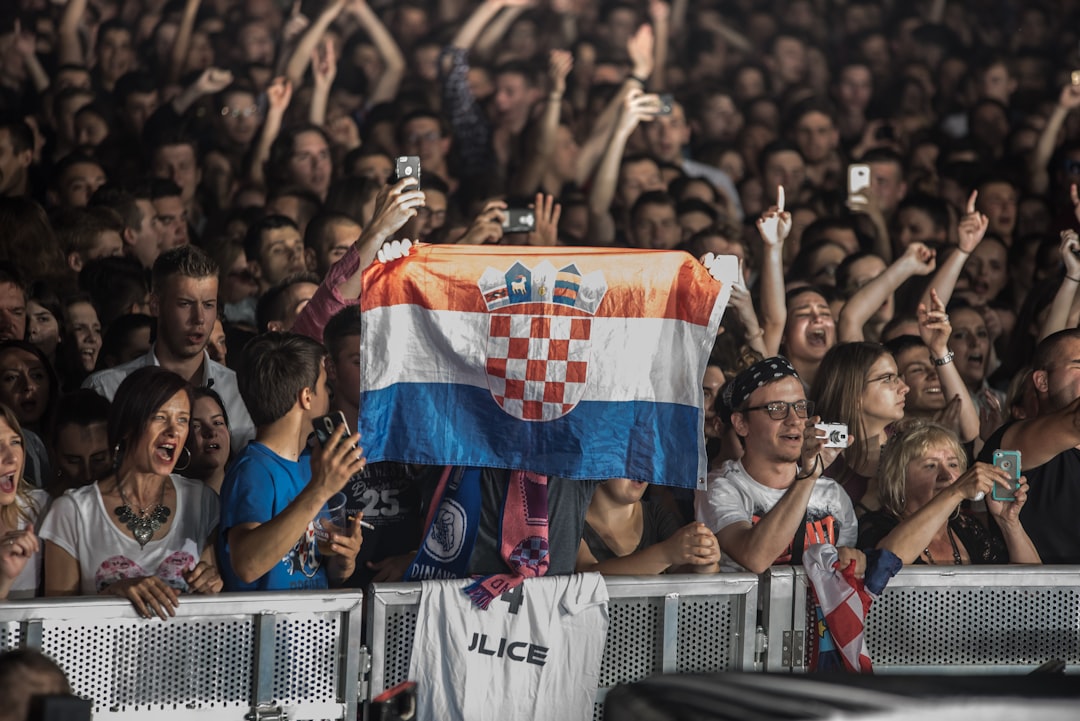
The Balkans are home to some of the most passionate football fans in the world, with countries like Serbia, Croatia, and Bosnia and Herzegovina producing world-class talent. While local clubs in the Serbian SuperLiga or Croatian First League dominate domestic headlines, international stars like Messi remain a significant topic of discussion. Balkan media outlets frequently cover Messi's performances, not just as a footballer, but as a benchmark for success. His career serves as a comparative tool for local talents aspiring to reach the global stage. Fans in Belgrade, Zagreb, and Sarajevo follow his every move, recognizing that his continued success elevates the profile of the sport they love.
Moreover, the commercial impact of Messi's brand is felt in the Balkans through sponsorship deals and broadcasting rights. Major networks in the region compete fiercely for the rights to show matches involving Messi, knowing that his presence drives viewership. This is evident in the high ratings for World Cup qualifiers and major tournaments where Argentina competes. The Croatian Football Federation and other national bodies monitor these trends closely, understanding that the global appeal of stars like Messi helps sustain the financial health of the sport. For Balkan audiences, Messi is not just a player; he is a symbol of the global reach of football, a sport that unites the region across political and cultural divides.
Legacy and the Future of Football Stardom
As Messi transitions into the latter stages of his career, his influence on the sport's future is profound. His move to MLS has opened new doors for European talent to play in the United States, a market that is rapidly growing. This shift has implications for Balkan players, who are increasingly looking at MLS as a viable destination for their careers. The success of Inter Miami, driven by Messi's presence, has attracted other high-profile players, creating a ripple effect that could reshape the transfer market. For young talents in the Balkans, this presents new opportunities to showcase their skills on a global stage, albeit in a different league context.
The comparison between Messi, Ronaldo, and Mbappé is not just about who is the best player, but who can best navigate the evolving landscape of sports marketing. Messi's ability to maintain his relevance through a combination of sporting excellence and smart brand management is a lesson for the next generation. As the 2026 World Cup approaches, the focus will be on whether Mbappé can fully surpass Messi in terms of global engagement. However, for now, Lionel Messi remains the standard against which all other footballing icons are measured. His legacy is secure, but his impact on the commercial and cultural aspects of football continues to evolve, ensuring that his name remains a trending topic for years to come.
What to watch next is the performance of Balkan national teams in upcoming qualifiers and how they compare to global powerhouses like Argentina. The continued dominance of Messi in the media cycle suggests that the sport's commercial model is still heavily reliant on individual superstars. For fans in the Balkans and beyond, the Messi era is far from over, and its influence on the future of football is only just beginning to unfold. The upcoming World Cup will be a key moment to see if the torch has truly passed to the next generation, or if Messi's shadow remains the longest in the game.
Comments