


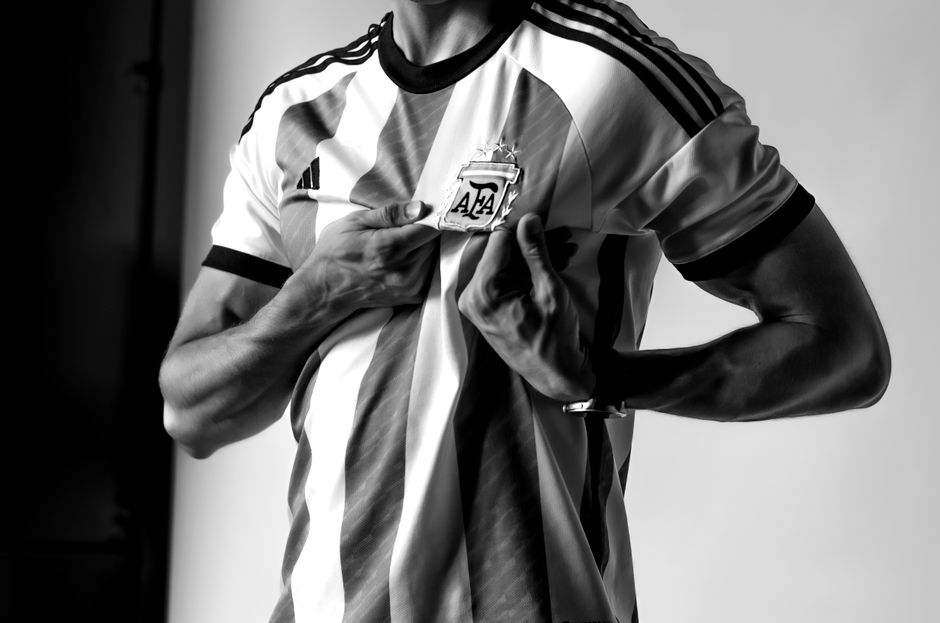
The name Lionel Messi dominates global search trends, not merely as a statistic, but as a cultural phenomenon reshaping the landscape of professional football. Recent discussions surrounding the Argentine national team captain highlight his enduring influence, even as he navigates the twilight of his career with Inter Miami in Major League Soccer. For audiences across the Balkans, where football is a primary cultural pillar, Messi’s journey from Barcelona to Paris Saint-Germain and now to the United States represents a masterclass in longevity and adaptability. His recent comments about "rediscovering himself" multiple times have sparked widespread analysis, drawing parallels between his career phases and the evolving dynamics of European football.
This trend is particularly resonant in regions like Serbia, Croatia, and Bosnia, where local fans closely track the careers of top-tier talents. The narrative surrounding Messi is no longer just about winning trophies; it is about the sustainability of elite performance. As the 2026 FIFA World Cup approaches, the question of whether Argentina can maintain its dominance under Messi’s leadership remains a focal point. His ability to reinvent his playing style—shifting from a winder to a playmaker and now a mentor—offers a unique lens through which Balkan analysts view the future of their own national teams and clubs competing in UEFA competitions.
A Career of Reinvention
Lionel Messi’s career is defined by distinct eras, each characterized by a tactical shift that allowed him to remain at the pinnacle of the sport. At Barcelona, he was the explosive left-winger who cut inside to shoot, a role that redefined the modern forward. His move to Paris Saint-Germain in 2021 marked a transition to a more central, free-roaming role, where he orchestrated attacks rather than just finishing them. Now at Inter Miami, his role has evolved further into that of a seasoned veteran, guiding younger players while still delivering decisive moments on the pitch. This adaptability is rare in a sport where physical decline often leads to rapid obsolescence.
The recent media focus on his "rediscovery" stems from interviews where Messi reflected on these transitions. He described each move as a chance to reset and find new motivations, a mindset that has kept him relevant despite the emergence of younger stars like Erling Haaland and Jude Bellingham. For Balkan football analysts, this narrative is significant because it challenges the traditional view that players must peak early. Messi’s example suggests that technical intelligence and tactical flexibility can extend a career’s prime, offering lessons for coaches in the Balkans who manage aging stars in their domestic leagues.
Moreover, his success with the Argentine national team, culminating in the 2022 World Cup victory in Qatar, added a new layer to his legacy. This triumph silenced long-standing critics and cemented his status as the greatest of all time in many circles. The emotional weight of this achievement continues to influence his current play, as he balances the desire to compete at the highest level with the realities of his age. His recent performances in MLS have shown flashes of his old magic, reminding fans that his influence remains potent even outside Europe’s top five leagues.

The Balkan Connection: Football as a Shared Language
The Balkans have a rich footballing heritage, producing legends such as Davor Šuker, Zlatan Ibrahimović, and Luka Modrić. These players, like Messi, have used their platforms to elevate their respective countries’ profiles on the global stage. The trending discussion about Messi’s career resonates in the Balkans because it mirrors the journeys of local heroes who have also had to adapt to changing football landscapes. For instance, the decline of Red Star Belgrade and Dinamo Zagreb in recent years has led to a renewed interest in how top clubs can sustain success, a challenge Messi has navigated with relative ease.
Balkan fans are particularly attuned to the strategic aspects of football, often analyzing tactical shifts with a depth that rivals European experts. Messi’s evolution from a dribbler to a playmaker aligns with the tactical trends seen in the region, where teams increasingly prioritize ball retention and positional play over direct, physical approaches. This shift is evident in the performances of Balkan national teams in recent UEFA qualifiers, where coaches have emphasized technical proficiency over sheer athleticism. Messi’s career serves as a case study in how technical players can thrive in an era that often favors physical dominance.
Additionally, the commercial aspect of Messi’s move to MLS has sparked debates in the Balkans about the globalization of football. As European clubs face financial pressures, the appeal of leagues in the United States and Asia is growing. Balkan agents and scouts are closely monitoring Messi’s impact on MLS, assessing how his presence might attract other high-profile players to the region. This trend could have long-term implications for Balkan clubs, which may see new opportunities to sell talents to non-European markets, diversifying their revenue streams and reducing dependence on the traditional European transfer market.
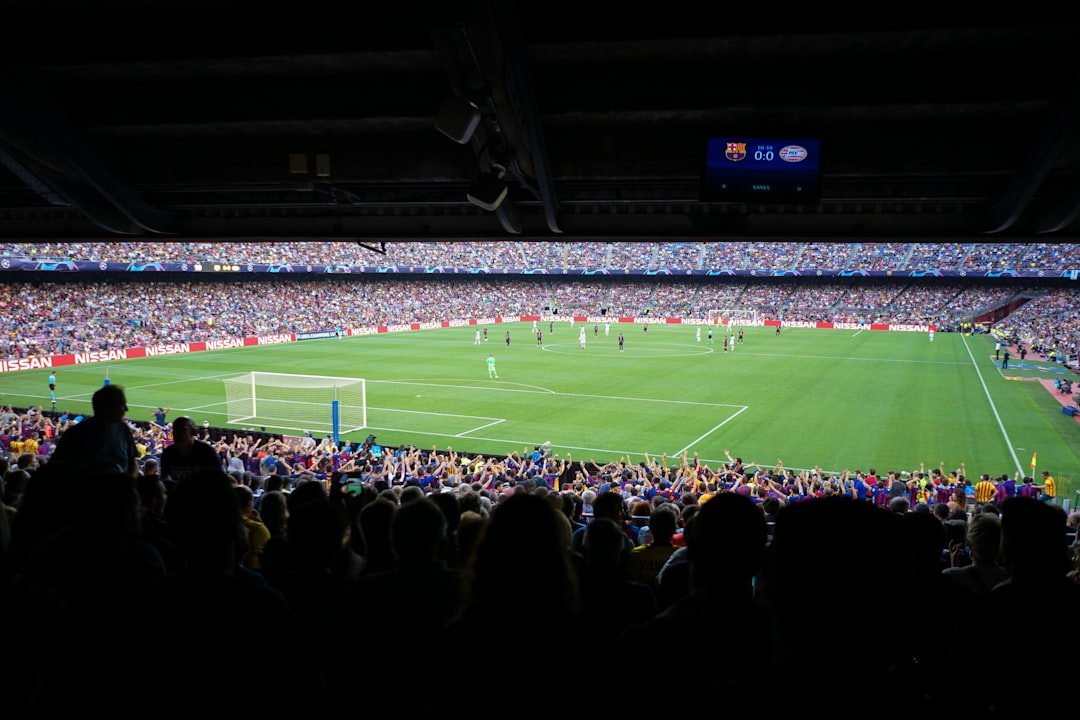
Looking Ahead: The 2026 World Cup and Beyond
As the 2026 FIFA World Cup approaches, the focus will remain on whether Messi can lead Argentina to another title. At 36, he is the oldest player likely to feature prominently in the tournament, raising questions about his fitness and form. However, his recent performances suggest that he remains a key figure for Argentina, capable of influencing games with his vision and experience. For Balkan teams, which will also be competing in the qualifiers, Messi’s continued success serves as both inspiration and a benchmark for excellence.
The tournament will also highlight the emergence of new talents from the Balkans, such as Josip Stanišić and Sergej Milinković-Savić, who are poised to take on greater roles in their respective national teams. The contrast between Messi’s veteran presence and the youthful energy of these players will be a key narrative in the qualifiers. Balkan fans will watch closely to see how their teams adapt to the challenges posed by established stars like Messi, learning from his tactical discipline and mental resilience.
Ultimately, the trending topic of "arjantin millî futbol takımı" and Messi’s career is more than just sports news; it is a reflection of the evolving nature of football itself. As the sport becomes more globalized and tactical, players like Messi demonstrate the importance of adaptability and intelligence. For audiences in the Balkans and beyond, his journey offers valuable lessons on how to navigate the complexities of modern football, ensuring that his legacy will endure long after he hangs up his boots. The next few months will be critical in determining whether Messi can maintain his relevance, and how his influence will shape the future of the game.
Comments