


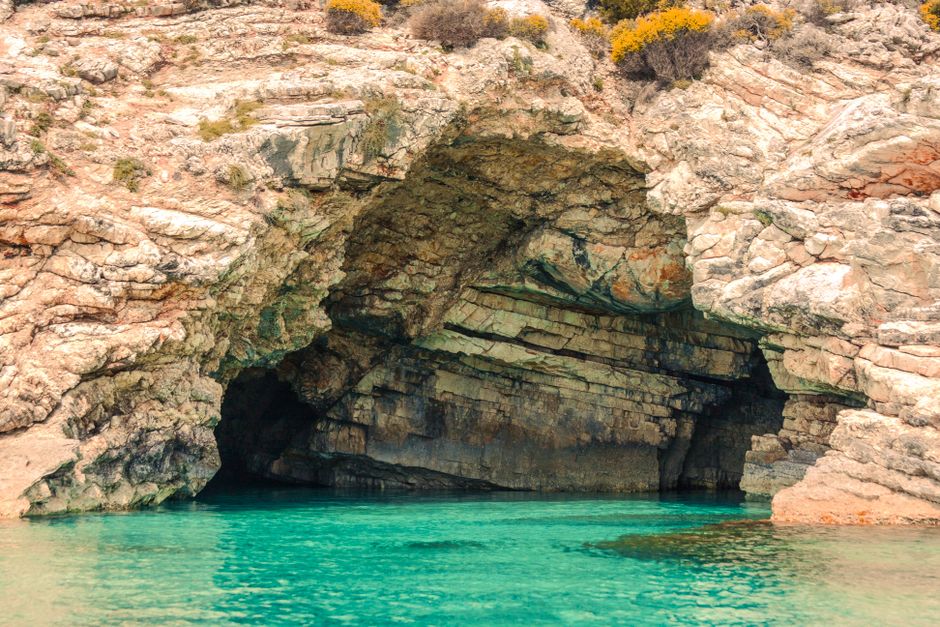
The boat engine cuts, and the silence hits you like a physical weight. I'm floating in the Adriatic, staring into a mouth of rock that shouldn't exist. The water inside isn't just blue; it's a neon, radioactive glow that feels less like nature and more like a glitch in the matrix. My guide, a local from Biševo with sun-bleached hair and a skepticism for tourists, leans against the gunwale and spits over the side. "It's not magic," he says, gesturing at the glowing pool below. "It's geometry. Light and limestone. Nothing more." But standing there, watching the sun shaft pierce the underwater entrance and ignite the water in a blaze of cerulean fire, it feels like the closest thing to a miracle I've seen in the Balkans. This is the Blue Cave, the Modra špilja, and it demands you understand the bones of the earth to appreciate its skin.
Biševo is a small island, jagged and unapologetic, sitting off the coast of Vis. It's not a place for lazy beach holidays. It's a place for wind, salt, and stone. To get here, you leave the polished resorts of Hvar behind and head into the deeper, rougher waters of the Vis archipelago. The geology here is violent. This entire region is a collision zone, a tangle of tectonic plates that have been grinding, folding, and uplifting for millions of years. The result is the Dinaric Karst, a landscape defined by what's missing — the water that has dissolved the rock away, leaving behind a labyrinth of voids, sinkholes, and caves. The Blue Cave is just one expression of this endless, slow-motion erosion.
History & Identity
The history of Biševo is written in salt and stone. For centuries, this island was a refuge for pirates and a hiding spot for smugglers, its dense pine forests and hidden coves offering perfect concealment. The cave itself was known to locals long before it became a tourist attraction, but it was the 19th and early 20th centuries that saw its true discovery by the wider world. Sailors and naturalists began to document the phenomenon, realizing that the blue glow wasn't some mystical property of the water, but a precise optical effect. The cave's identity is tied to its isolation; it remains difficult to access, requiring a small boat and a steady hand to navigate the rocky approaches.
The island's modern identity is shaped by this duality: it is both a rugged, windswept outpost and a global icon of natural beauty. The local community in Biševo has managed to balance preservation with tourism, keeping the island's population small and its infrastructure limited. There are no large hotels, no crowded promenades. The focus is on the landscape itself — the limestone cliffs, the ancient olive groves, and the sea caves that dot the coastline. The Blue Cave is the crown jewel, but it's just one part of a larger geological story that spans the entire island. The people here are proud of their heritage, and they treat the cave not as a commodity, but as a sacred part of their home.
Where to Go
The Blue Cave Entrance — The experience begins before you even enter. The cave has two entrances: one above water, a narrow slit in the rock, and one below, an underwater tunnel that only small boats can navigate. The above-water entrance is a dramatic archway, framed by weathered limestone. The best time to visit is between 11:00 AM and 1:00 PM, when the sun is high enough to penetrate the underwater entrance and create the famous blue glow. Entry is regulated, and boats are limited in size to protect the delicate ecosystem.
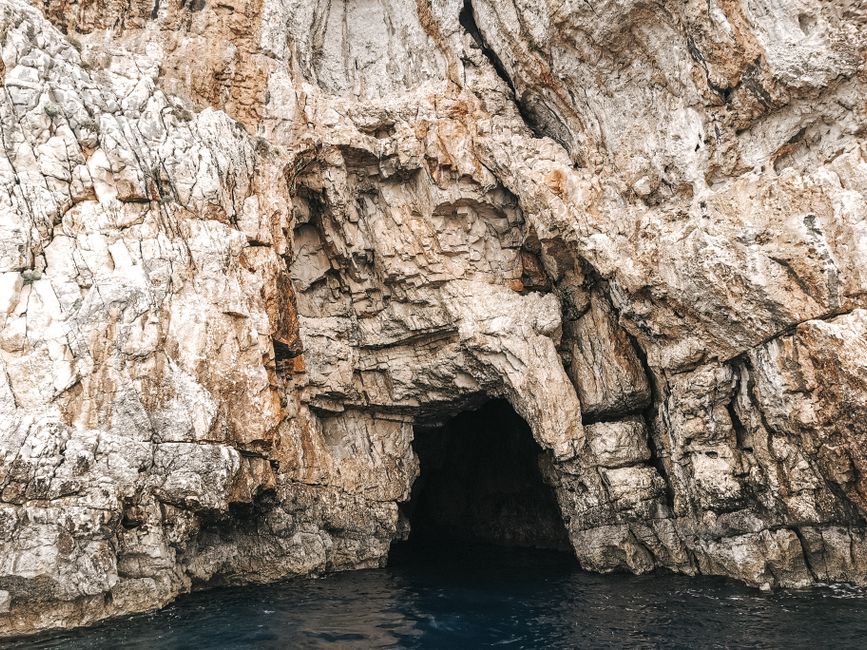
The Underwater Tunnel — This is the secret mechanism behind the magic. The boat drives into a submerged tunnel, about 10 meters long, with a ceiling that is only a few meters above the water surface. As you emerge from the tunnel into the main chamber, the light hits the white limestone floor at a precise angle, reflecting off the water and creating the intense blue color. It's a masterclass in natural engineering. The water here is incredibly clear, and you can see the rocky floor below. The effect is most powerful when the sea is calm, allowing the light to penetrate without distortion.
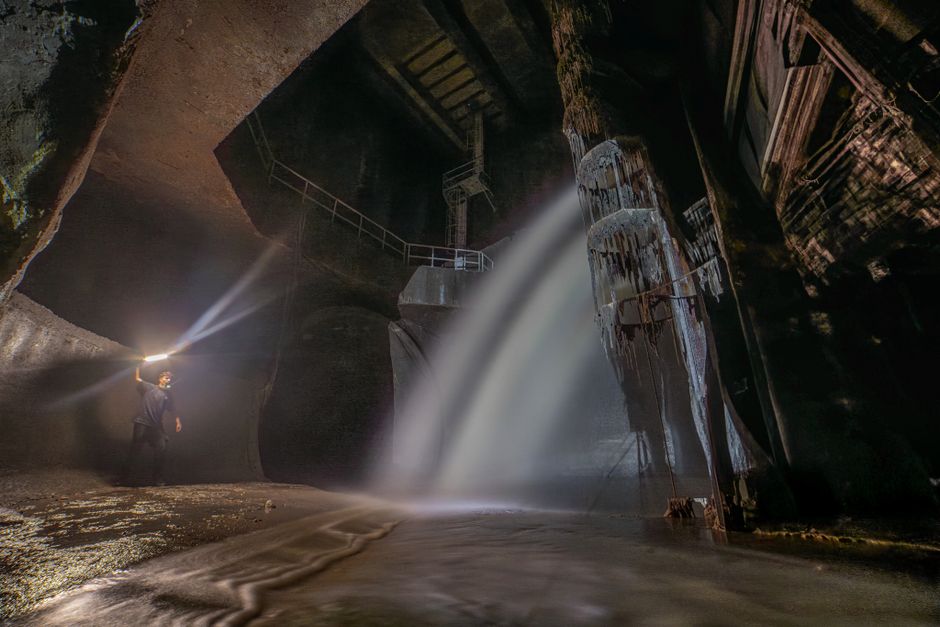
Sandalić Cave — Just a short boat ride from the Blue Cave, Sandalić Cave is another geological wonder on Biševo. This is a sea cave with a massive entrance, allowing boats to enter fully. Inside, the acoustics are incredible, and the walls are smooth and polished by centuries of wave action. It's a great place to understand the scale of the karst formations on the island. The cave is often used as a shelter for boats during storms, and you can sometimes see local fishermen taking refuge here.
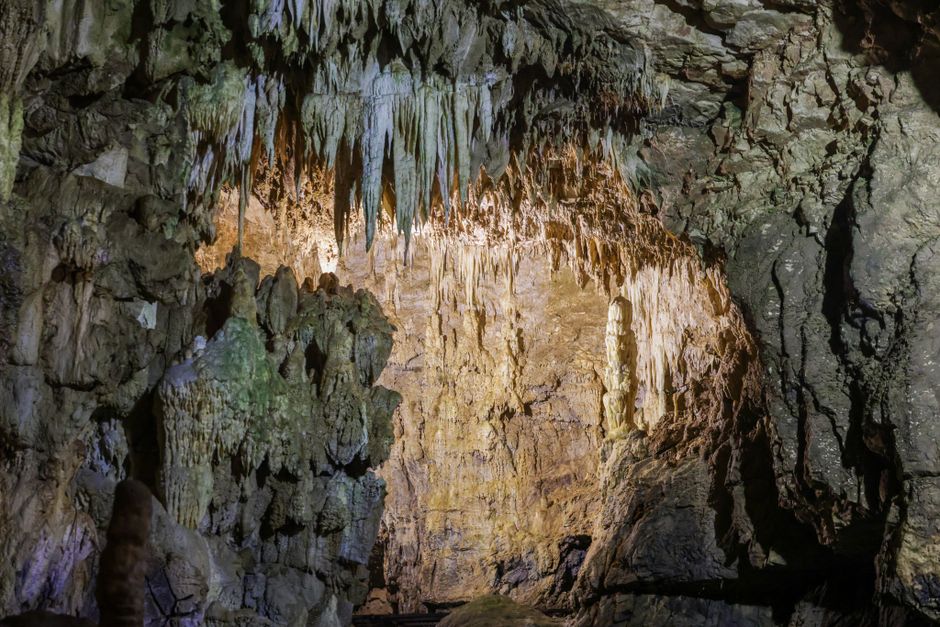
Biševo Village — The main settlement on the island is a cluster of stone houses built into the hillside. It's a quiet place, with narrow streets and a small harbor. There are a few family-run restaurants and tavernas where you can eat fresh fish and local produce. The village is a good base for exploring the rest of the island, and it offers a glimpse into traditional Dalmatian life. The architecture is simple and functional, built to withstand the strong Bura wind that sweeps through the archipelago.
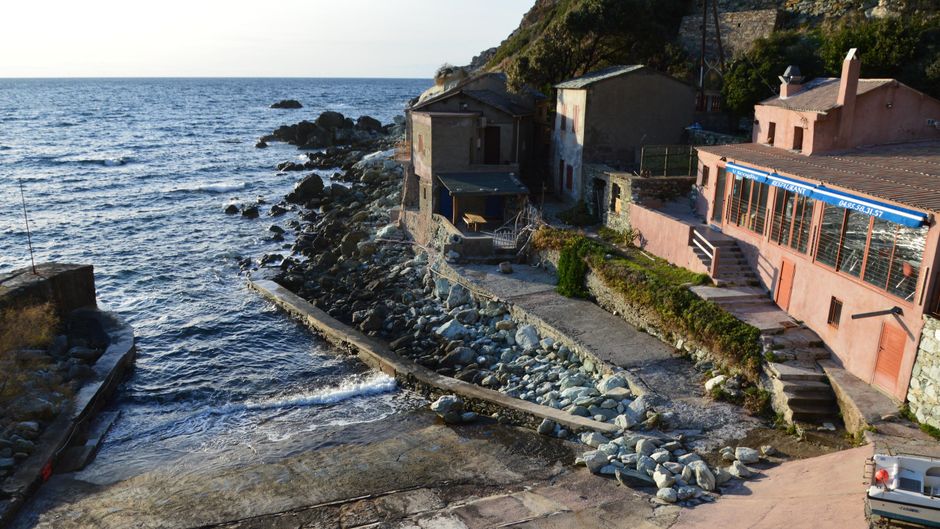
Klisa Fortress — Located on the nearby island of Vis, Klisa Fortress is a medieval stronghold that offers panoramic views of the entire archipelago, including Biševo. It's a short ferry ride from Biševo, and the hike up to the fortress is moderate but rewarding. The fortress has a long history, serving as a defense point for various powers over the centuries. Today, it's a popular spot for tourists seeking historical context and beautiful scenery.
What to Eat & Drink
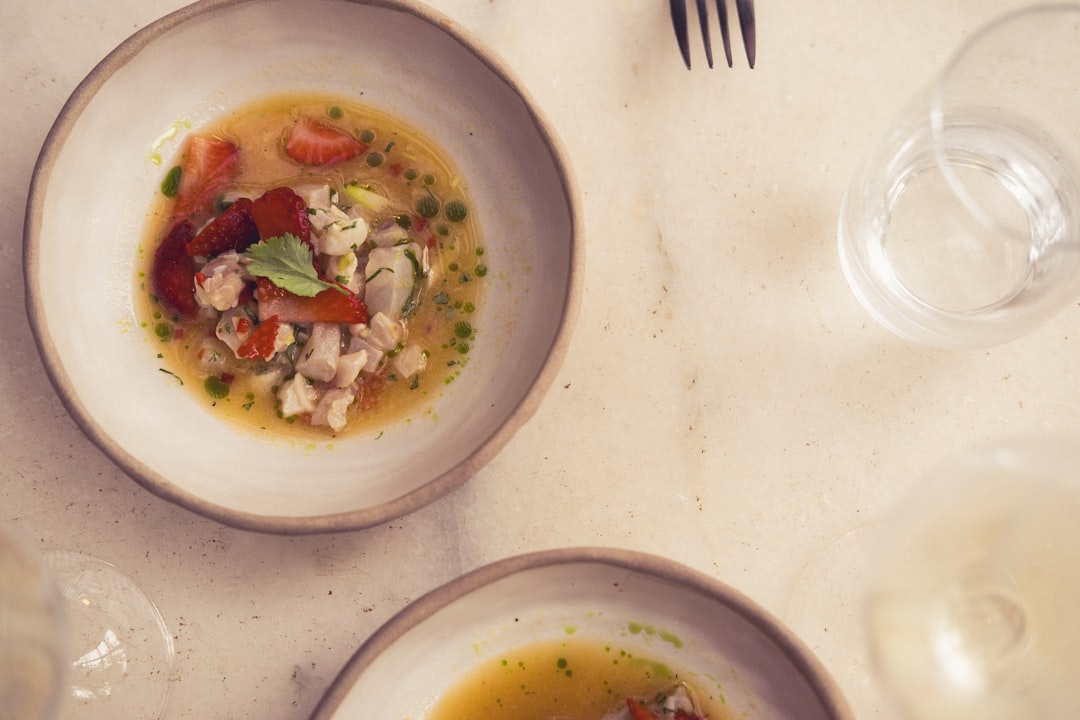
Food on Biševo is simple, fresh, and deeply connected to the sea. The island is small, and there are few restaurants, so you'll be eating where the locals eat. The menu is driven by what's caught that day, and the quality is consistently high. You won't find fancy Michelin-starred experiences here, but you will find honest, delicious food prepared with care.
Fresh Fish Stew — A hearty soup made with local fish, tomatoes, onions, and white wine. It's served with grilled bread for dipping. 10-15 EUR per serving.
Grilled Octopus — Tender octopus grilled over charcoal, served with olive oil and lemon. 12-18 EUR per serving.
Local Cheese and Prosciutto — A plate of aged sheep's cheese and dry-cured prosciutto, often served with local bread. 8-12 EUR per serving.
Plavi Načič — A local red wine from the island of Vis, known for its bold flavor and high alcohol content. 5-8 EUR per glass.
Budget travelers can find simple meals for 8-15 EUR per person, while mid-range dining will cost around 15-25 EUR. There are no fast-food chains on Biševo, so you'll be eating at family-run tavernas or bringing your own picnic from the mainland. The harbor area is the main food district, with a handful of restaurants offering sea views.
Nightlife
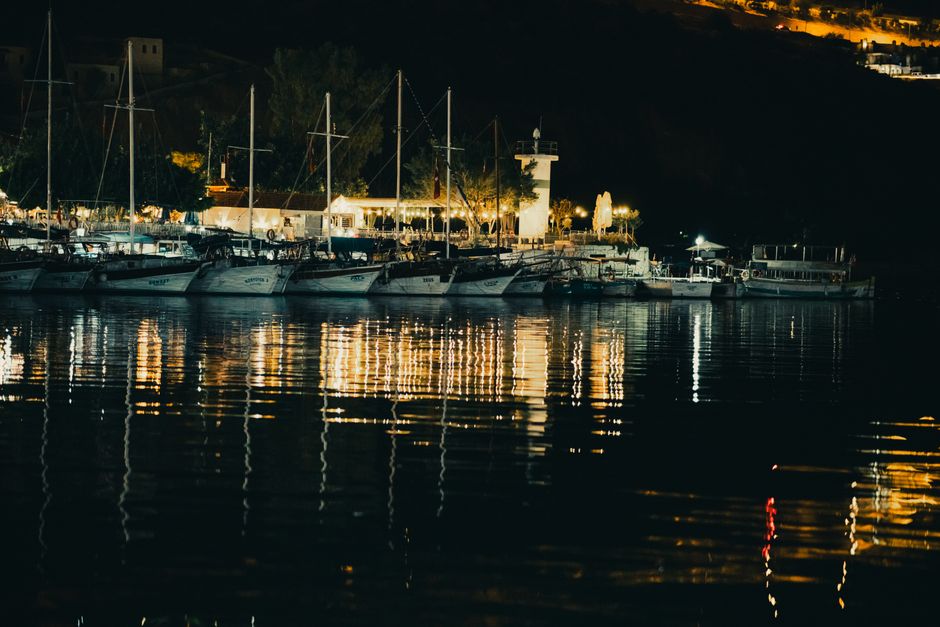
Nightlife on Biševo is non-existent, and that's part of its charm. This is not a party island. The population is small, and the focus is on relaxation and nature. There are a few bars in the village where you can have a drink and listen to the waves, but the music stops early. If you're looking for clubs and late-night dancing, you'll need to head back to Vis or Hvar. The appeal of Biševo is its tranquility, and the night is best spent stargazing or sitting on the rocks with a bottle of local wine.
Getting There & What to Expect
The nearest airport is Split Airport, which is about 100 km from Biševo. From Split, you can take a bus to the port of Pribava, and then a ferry to Vis. From Vis, there are frequent ferries and catamarans to Biševo. The journey takes about 4-5 hours in total, depending on connections. Alternatively, you can fly directly to Vis Airport, which is closer and saves time. Buses from Split to Vis take about 2 hours, and the ferry from Vis to Biševo takes 30-40 minutes. The total cost for transport is around 30-50 EUR one way.
Accommodation on Biševo is limited, with mostly private rooms and small hotels. Budget options start at 40-60 EUR per night, while mid-range hotels cost around 80-120 EUR per night. It's essential to book in advance, especially during the summer season. The best months to visit are June and September, when the weather is warm but the crowds are smaller. July and August are peak season, and the island can get crowded.
Search accommodation in Biševo on Booking.com →
The Rock Remembers
As the boat pulls away from the cave, the blue glow fades, leaving only the grey stone and the deep green sea. I look back at the archway, now just a dark hole in the cliff face. It's easy to forget the science behind it — the refraction, the limestone, the specific angle of the sun — when you're standing in the light. But that's the point. The geology isn't a distraction; it's the foundation. This cave didn't happen by accident. It was carved by water and time, shaped by forces that are indifferent to human existence. And yet, here we are, drawn to it, captivated by it, willing to pay to see it. The rock remembers everything, even if we don't. In a world that's increasingly artificial, the Blue Cave is a reminder that the earth still has surprises left, if you're willing to look for them in the right places. And if you bring a steady hand and a respect for the stone, it will show you its secrets.
Comments