



The political landscape of Bulgaria has been thrown into disarray following the explosive departure of Lyubomir Nikolov from the government of Prime Minister Georgi Kandev. Nikolov, a prominent figure within the ruling coalition and a key architect of recent economic reforms, announced his resignation in a statement that directly challenged the leadership style and strategic direction of the Prime Minister. This sudden split is not merely a personnel change; it signals a deep fracture within the GERB-SDS party and its coalition partners, raising immediate questions about the stability of the current administration and its ability to navigate the country toward European Union integration and NATO commitments.
The resignation comes at a critical juncture for Bulgaria, which is striving to meet the Rule of Law criteria set by the European Commission to unlock billions in recovery funds. Analysts argue that Nikolov's exit exposes the fragility of the coalition agreements that have kept Kandev in power. For Balkan audiences, this development highlights the persistent volatility of Bulgarian politics, where personal rivalries often overshadow institutional stability. The move has sparked widespread speculation in Sofia and across the region about whether this is the beginning of a broader political realignment or a precursor to early elections.

The Breaking Point: Ideological and Strategic Divergence
Lyubomir Nikolov, who served in various ministerial capacities over the years, was known for his pragmatic approach to governance and his strong ties to business circles. His resignation letter, widely circulated in Bulgarian media, cited "irreconcilable differences" regarding the government's handling of judicial reforms and energy policy. Nikolov accused the Kandev administration of capitulating to external pressures without securing sufficient domestic consensus. This criticism strikes at the heart of the current government's strategy, which has relied heavily on reassuring Brussels while managing a skeptical domestic electorate.
The tension between Nikolov and Kandev had been simmering for months, particularly over the pace of reforms required to lift the suspension of EU funds. While Kandev advocated for rapid implementation to meet EU deadlines, Nikolov argued for a more gradual approach that would preserve political capital and ensure long-term sustainability. The split reflects a broader debate within Bulgarian conservative circles about the best path forward. Nikolov's faction believes that the current government is alienating its core supporters by moving too quickly on controversial issues, such as the appointment of key judicial figures and the management of state-owned enterprises.
This ideological rift is further complicated by the presence of other coalition partners, including the Democratic Bulgaria alliance and the We Continue the Change party. These groups have been watching the internal GERB dynamics closely, hoping to leverage the instability to gain more influence. Nikolov's departure provides them with an opportunity to challenge Kandev's authority and potentially reshape the coalition's priorities. The situation underscores the delicate balance of power that defines Bulgarian politics, where no single party holds an absolute majority, and every alliance is fraught with potential betrayal.
Impact on Coalition Stability and European Ambitions
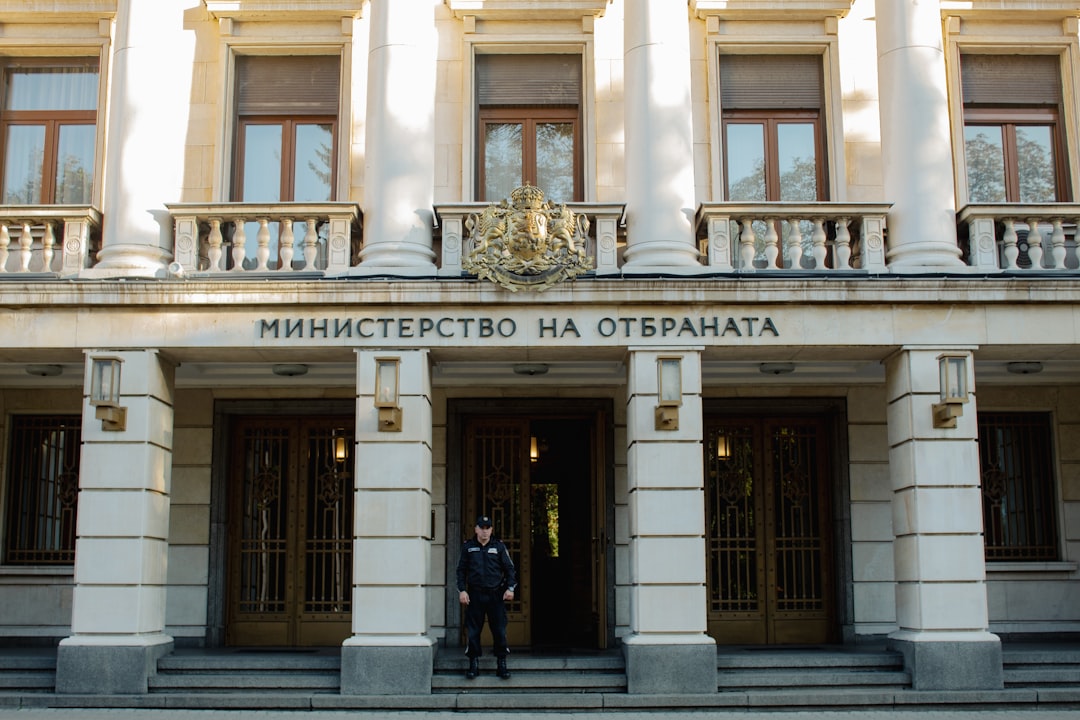
The immediate impact of Nikolov's resignation is the potential collapse of the current governing coalition. With GERB already facing internal divisions, the loss of a high-profile member like Nikolov weakens Kandev's hand in negotiations with his partners. Democratic Bulgaria, led by Simona Dyankova, may now demand greater concessions or even threaten to withdraw from the coalition if their concerns are not addressed. Similarly, We Continue the Change, under the leadership of Desislava Aytoivanova, could use this moment to push for a more aggressive reform agenda, further complicating the political landscape.
For the European Union, this instability in Bulgaria is a cause for concern. The EU has made it clear that continued financial support is contingent on tangible progress in the rule of law and anti-corruption measures. A fragmented government may struggle to implement the necessary reforms, leading to delays and potential penalties. The European Commission has been monitoring the situation closely, with officials expressing hope that the Bulgarian political elite can find a way to maintain stability and continue the reform process. However, the recent events suggest that achieving this consensus may be more difficult than anticipated.
Moreover, the political turmoil in Bulgaria has regional implications. As a key ally in the Balkans, Bulgaria's stability is important for NATO and the EU's broader strategic interests in the region. A weak or unstable government could create openings for external actors, such as Russia or China, to increase their influence in Bulgaria. This is a scenario that both Brussels and Washington are keen to avoid, given the geopolitical tensions in the Black Sea region. The Kandev-Nikolov split, therefore, is not just a domestic issue but a matter of international significance.
What Comes Next: A Crossroads for Bulgarian Democracy
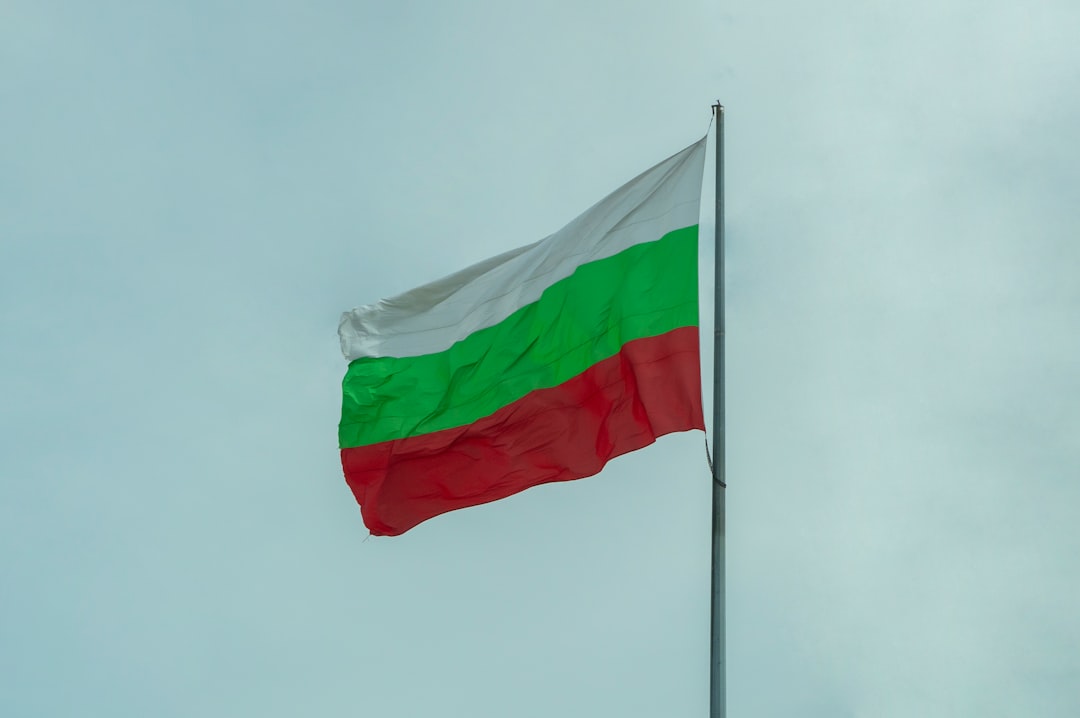
As the political dust settles, the focus now turns to the next steps for the Kandev government. Will Kandev be able to rebuild a stable coalition, or will he face a vote of no confidence? The coming weeks will be critical, with parliamentary debates and negotiations likely to dominate the political agenda. Nikolov, meanwhile, has signaled that he will remain active in politics, potentially forming a new political movement or aligning with existing opposition forces. His future moves will be watched closely, as he retains significant influence within the conservative camp.
For citizens of Bulgaria, the uncertainty is palpable. Many are frustrated with the constant political turmoil and are calling for more substantive leadership. The protests that have periodically erupted in Sofia and other cities reflect a growing demand for accountability and transparency. The Kandev-Nikolov split may serve as a catalyst for broader political change, forcing leaders to address the root causes of public discontent. Alternatively, it could lead to further fragmentation, making it even harder to achieve the reforms that Bulgarians have long sought.
Ultimately, the outcome of this political crisis will have lasting implications for Bulgaria's future. If the government can navigate this challenge and emerge stronger, it could set a precedent for more stable and effective governance. However, if the divisions deepen and lead to early elections or a governmental collapse, the country risks falling back into a cycle of instability that has plagued it for years. For observers in the Balkans and beyond, this moment represents a test of Bulgaria's democratic resilience and its ability to balance domestic politics with international obligations.



Comments