


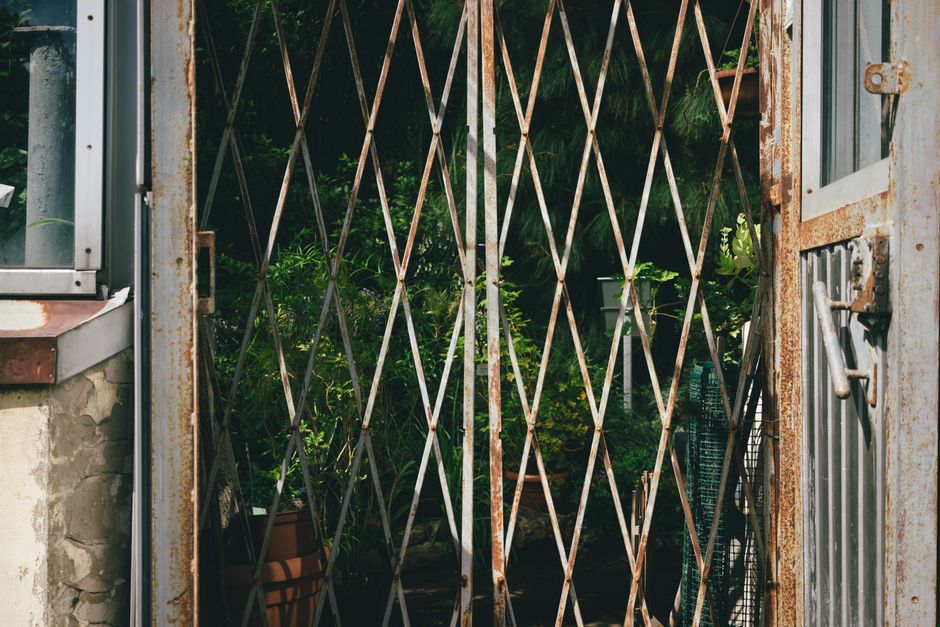
I didn't come to the Iron Gates for the scenery. I came because a local engineer in Timisoara slammed his fist on a laminated map and told me I was missing the greatest piece of Soviet-era infrastructure in the Balkans. He wasn't talking about the rapids. He was talking about the dam. The air up here on the Romanian side, near Drobeta-Turnu Severin, smells like wet concrete and diesel fuel. It's not a perfume. It's the scent of brute force applied to a river that has refused to be tamed for two thousand years. I arrived at the trailhead with muddy boots and a skepticism that usually serves me well. I expected a glorified walkway. What I found was a vertical assault on the Danube, a place where the roar of the water is so loud it vibrates in your teeth, and the sheer scale of the Iron Gates I Hydroelectric Power Station makes you feel like an insect crawling on a god's backbone.
The hike isn't pretty in the postcard sense. There are no meadows of wildflowers or quaint shepherd's huts. It is raw, industrial, and terrifyingly majestic. You are walking on the spine of a machine that holds back millions of tons of water. The wind here doesn't whisper; it screams through the spillways. I watched a group of German tourists take selfies with the dam wall while a Romanian fisherman sat nearby, smoking a hand-rolled cigarette, completely indifferent to the tourists but deeply respectful of the water. That's the vibe here. The locals know the power of this place. They don't romanticize it. They just respect the engineering.
History & Identity
The Iron Gates gorge has always been a choke point. For the Romans, it was a military necessity. Trajan's Bridge spanned this very gorge in the second century, allowing Emperor Trajan to crush the Dacian resistance. You can still see the stone pillars of that bridge standing in the river, silent witnesses to a different kind of engineering. But the modern identity of this place was forged in the 1970s. Romania and Yugoslavia decided to tame the Danube together. The result was the Iron Gates I Hydroelectric Power Station, a joint project that took years of brutal labor and political maneuvering to complete. It wasn't just about electricity. It was about control. Control of the river, control of the border, control of the region's fate.
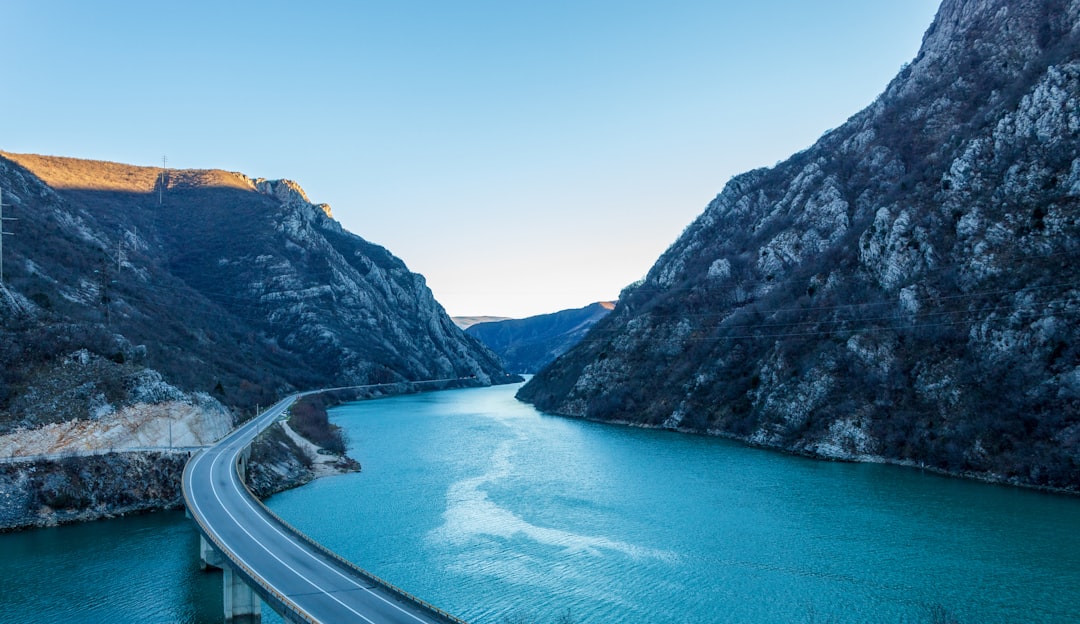
The dam changed everything. The rapids that once made navigation deadly were submerged. The water level rose, creating a massive reservoir that stretched back for hundreds of kilometers. The villages that once lined the banks were flooded or moved. The landscape was rewritten. Today, the dam stands as a monument to a bygone era of mega-projects, when governments believed they could reshape nature at will. It's a symbol of the Cold War's industrial ambition, a concrete beast that still hums with energy decades after its construction. Walking along its perimeter, you can feel the weight of that history. It's not just a structure; it's a statement.
Where to Go
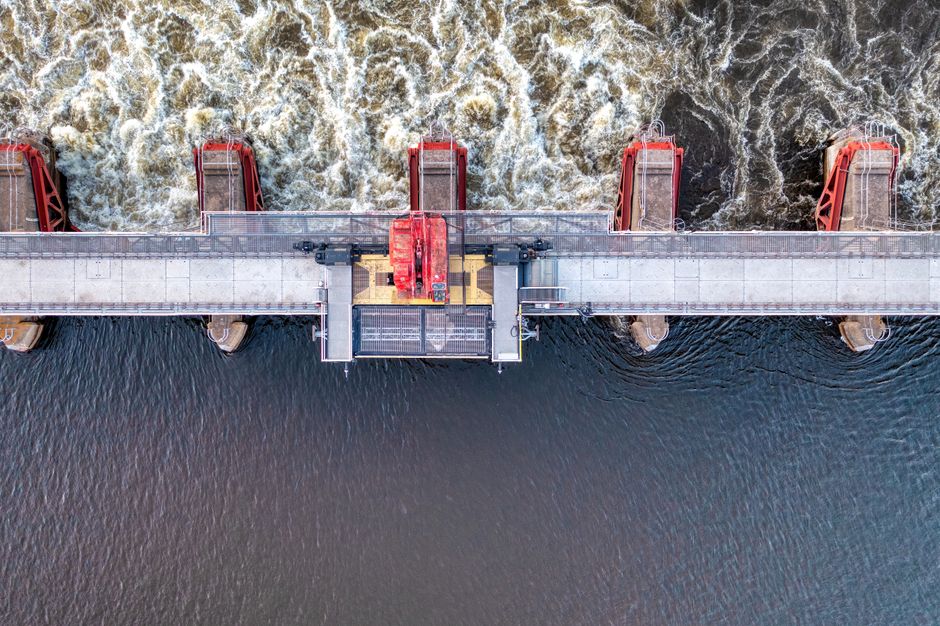
Iron Gates I Dam Walkway — This is the main event. A paved path runs along the top of the dam, offering panoramic views of the reservoir and the Yugoslavian side across the river. The scale is immense. You can see the spillways, the intake towers, and the sheer verticality of the concrete walls. It's windy, so bring a jacket. There are no entry fees, but the views are priceless. The best time to go is early morning when the mist hangs over the water, or late afternoon when the light hits the concrete in a golden hue.
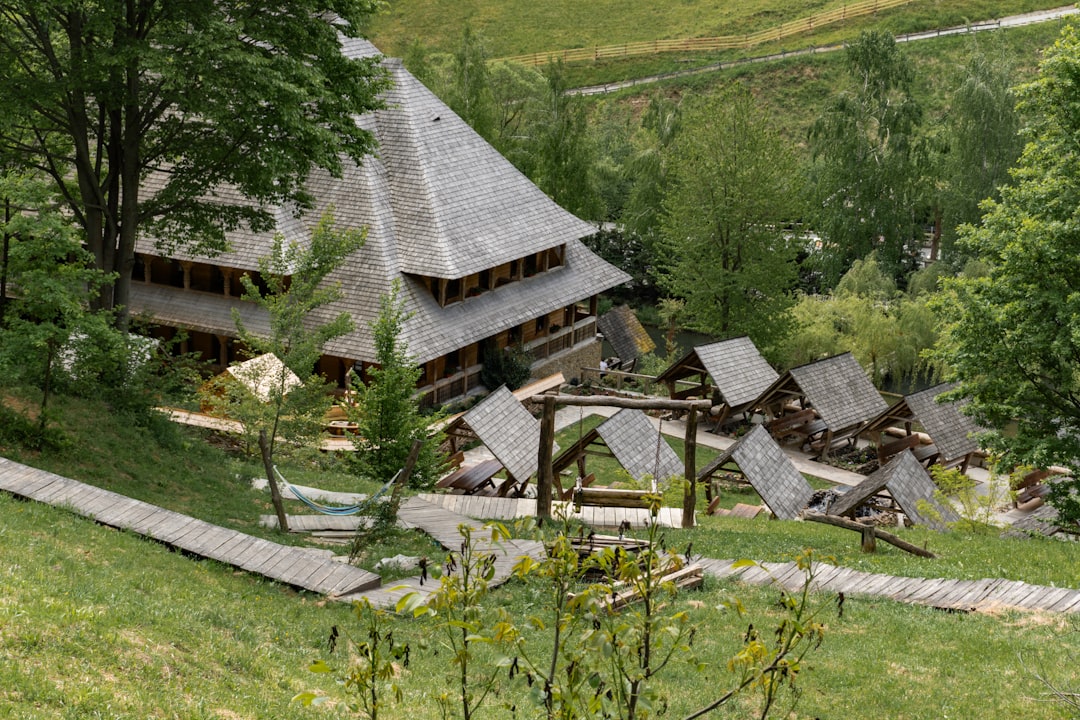
Portile de Fier I National Park Visitor Center — Located near the dam, this center provides context for what you're seeing. It has exhibits on the geology of the gorge, the history of the dam, and the wildlife that inhabits the area. It's a good place to start if you want to understand the engineering and ecological impact of the project. The staff are knowledgeable and can point you to the best viewpoints. Entry is free, but donations are appreciated.
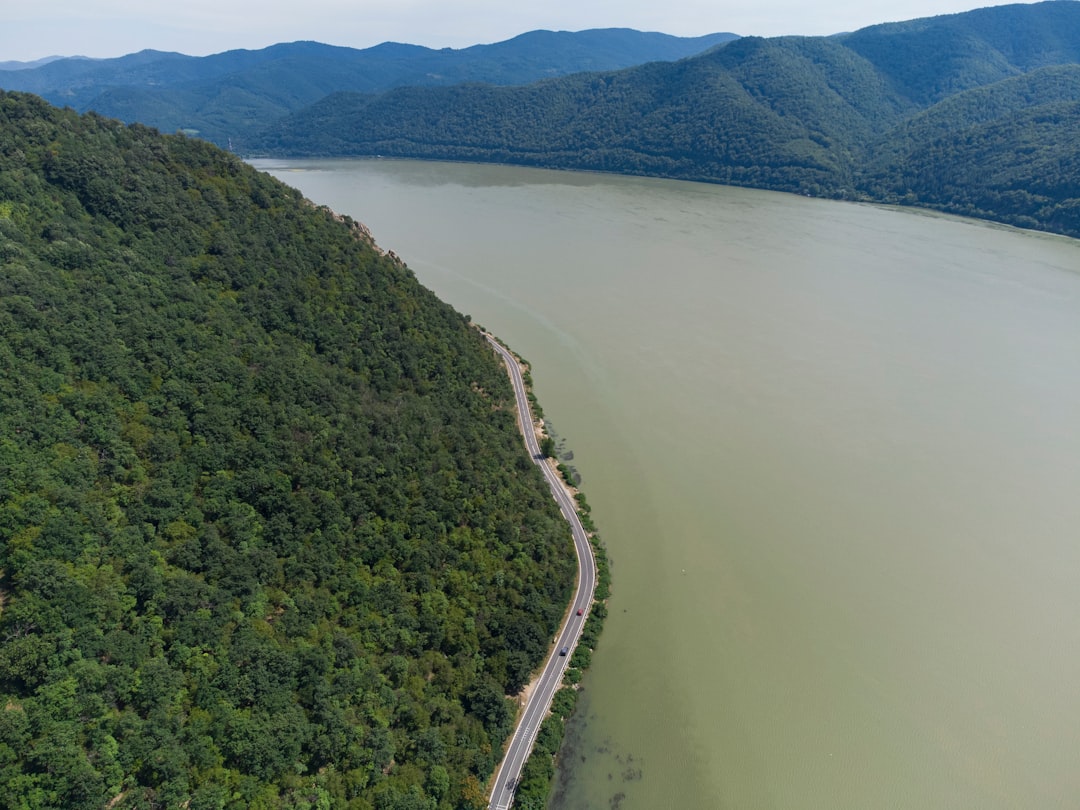
Trajan's Bridge Pillars — From the dam walkway, you can spot the remaining pillars of Trajan's Bridge in the river. They are submerged during high water but visible at lower levels. It's a powerful juxtaposition of ancient and modern engineering. You can't walk on them, but seeing them from the dam gives you a sense of the long history of human intervention in this gorge. It's a reminder that we've always tried to conquer this river.
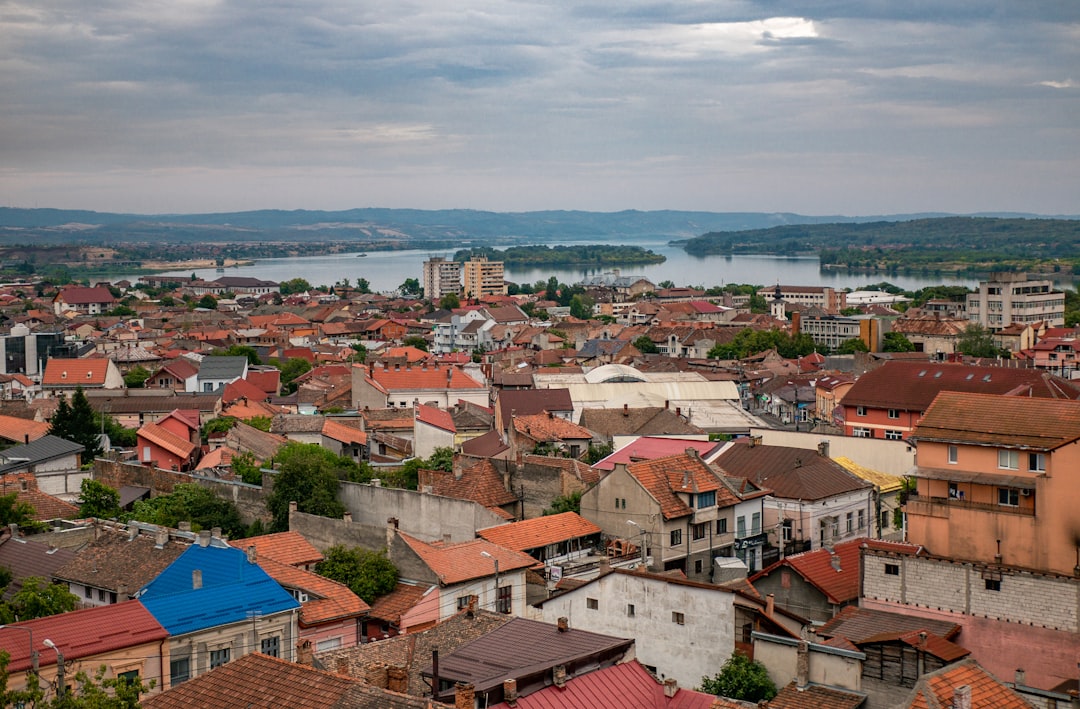
Drobeta-Turnu Severin Old Town — Just a short drive from the dam, this town has a rich history dating back to the Roman era. The old town has a charming, slightly dilapidated feel, with narrow streets and old houses. It's a good place to grab a coffee or a meal before or after your hike. The Drobeta-Turnu Severin skyline is dominated by the dam in the distance, a constant reminder of the engineering marvel nearby. The town has a few museums and a theater, but it's mostly about the atmosphere and the history.
What to Eat & Drink
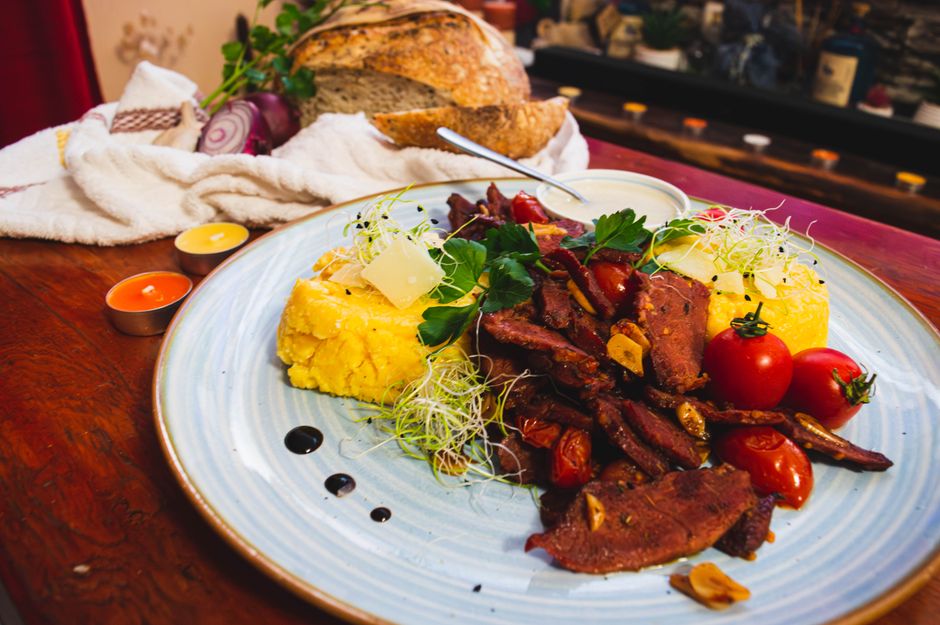
After burning calories on the dam walk, you'll need fuel. The local cuisine is hearty and designed to keep you warm in the damp climate. Don't expect gourmet dining here. This is working-class food, served in no-frills restaurants and cafes. The flavors are bold, with lots of meat, potatoes, and sour cream. It's not healthy, but it's satisfying.
Mici — These are Romanian grilled sausages, made of ground beef and pork, rolled into small, skinless links. They are served with polenta and hot sauce. A plate of mici will cost you around 8-12 EUR at a local restaurant. They are juicy, flavorful, and perfect for sharing. Sarmale — Cabbage rolls stuffed with meat and rice, served with sour cream and polenta. This is a traditional Romanian dish, often served at celebrations. A portion will cost you around 10-15 EUR. It's heavy, but it's worth it. Placinta — A savory pastry filled with cheese, potatoes, or cabbage. It's cheap, filling, and available almost everywhere. A slice will cost you 2-4 EUR. Urda — A fresh sheep's milk cheese, served with sour cream and herbs. It's a light, refreshing option, perfect for a quick snack. A portion will cost you 3-5 EUR.
For drinks, try Tuica, a traditional plum brandy. It's strong, sweet, and often homemade. A shot will cost you 1-3 EUR. It's the perfect way to warm up after a windy walk on the dam. For a more relaxed option, try a local beer, such as Urquella or Timisoreana. A pint will cost you around 2-4 EUR.
Getting There & What to Expect
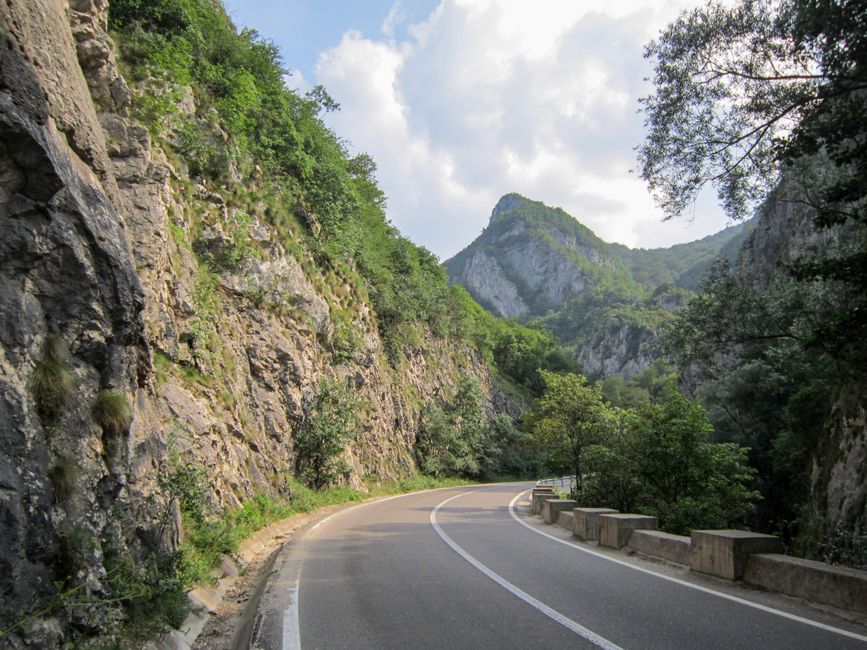
Getting to the Iron Gates Dam is straightforward, but you'll need a car or a bus. The nearest major city is Timisoara, about 150 kilometers away. You can take a bus from Timisoara to Drobeta-Turnu Severin, which takes about 2.5 hours and costs around 10-15 EUR. From Drobeta-Turnu Severin, you can take a taxi or a local bus to the dam, which is about 10 kilometers away. A taxi will cost you around 15-20 EUR. If you have a car, the drive from Timisoara takes about 1.5 hours via the A1 highway and the DN55 road. The road is well-maintained, and the scenery is beautiful.
Accommodation in Drobeta-Turnu Severin is limited but affordable. Budget hotels and hostels cost around 20-40 EUR per night. Mid-range hotels cost around 40-70 EUR per night. There are also camping options near the dam, but you'll need to bring your own equipment. The best time to visit is between April and October, when the weather is mild and the trails are dry. Avoid the winter months, when the wind and cold can make the hike uncomfortable.
Expect a lot of wind. The dam is exposed, and the wind can be fierce, even in summer. Bring layers, a windbreaker, and sturdy shoes. The walkway is paved, but it can be slippery when wet. There are no facilities on the dam itself, so bring water and snacks. The hike is easy, but the exposure can be intimidating for those with a fear of heights. If you're nervous, stick to the lower viewpoints.
Search accommodation in Drobeta-Turnu Severin on Booking.com →
The Concrete Cathedral
As I stood on the dam walkway, looking out at the endless expanse of the Danube, I felt a strange sense of awe. It wasn't the natural beauty that moved me. It was the sheer audacity of the engineering. Here was a river that had carved its way through rock for millennia, now held back by a wall of concrete and steel. It was a testament to human ingenuity, but also to human hubris. We had tamed the river, but at what cost? The villages that were flooded, the ecosystems that were disrupted, the history that was submerged.
But there's something beautiful about it too. The dam is a work of art, in its own brutalist way. The clean lines, the geometric shapes, the way the light plays off the concrete. It's a monument to a different time, a time when we believed we could solve any problem with enough concrete and enough will. It's a reminder of what we can achieve, but also of what we can destroy. As I walked back to my car, the wind still in my face, I knew I would never forget this place. It's not pretty, but it's powerful. And in a world that's often soft and sanitized, that's a rare and valuable thing.
Comments