


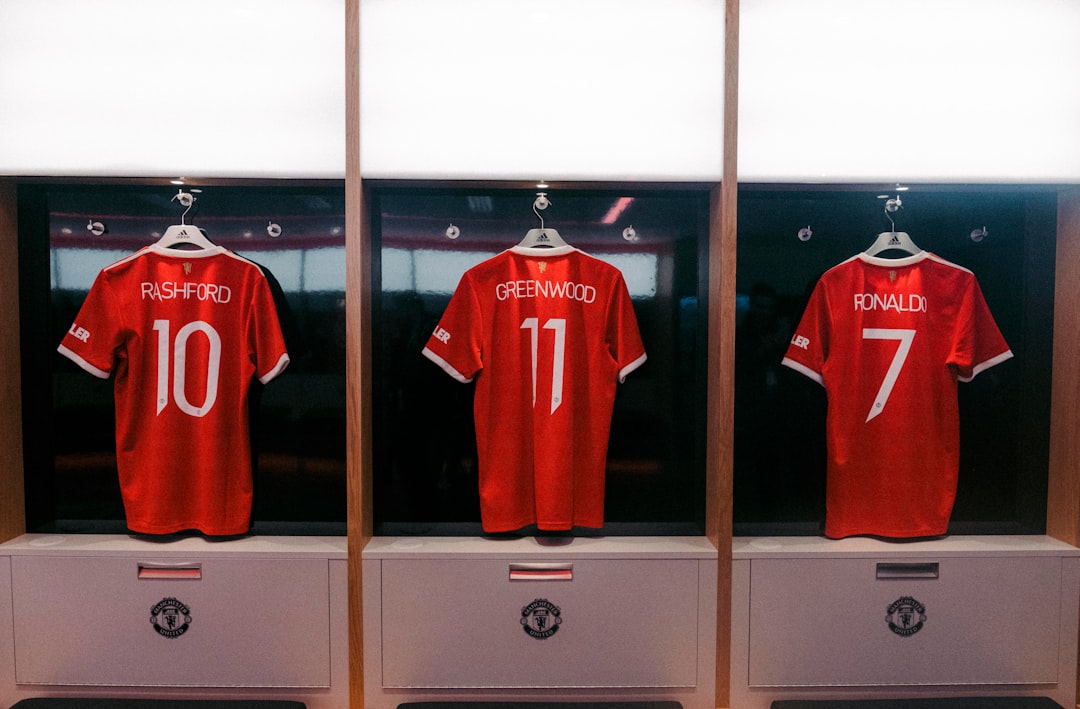
The global football landscape is shifting as Cristiano Ronaldo prepares to step away from the international stage, marking the definitive end of an era that has dominated the sport for nearly two decades. Recent reports indicate that the 39-year-old Portuguese icon is moving closer to retirement from national team duties, a decision that resonates deeply across the Balkans. For fans in Greece, Serbia, Croatia, and beyond, Ronaldo is not merely a player but a benchmark of excellence. His potential departure signals the closing of a generation that included rivals like Luka Modrić and Lionel Messi, forcing a reckoning for footballing nations that have spent years chasing their legacy.
This trend has sparked intense debate on social media and in sports outlets across the region. In countries where football is a matter of national pride, the question is no longer just about Ronaldo’s future but about the void he leaves behind. The Balkan audience, known for its passionate support and tactical appreciation of the game, is closely watching how this transition unfolds. As the Cristiano Ronaldo era winds down, regional clubs and national teams are already assessing how to inspire the next wave of talent without the shadow of the world’s most recognizable athlete.
A Generation of Giants Retiring
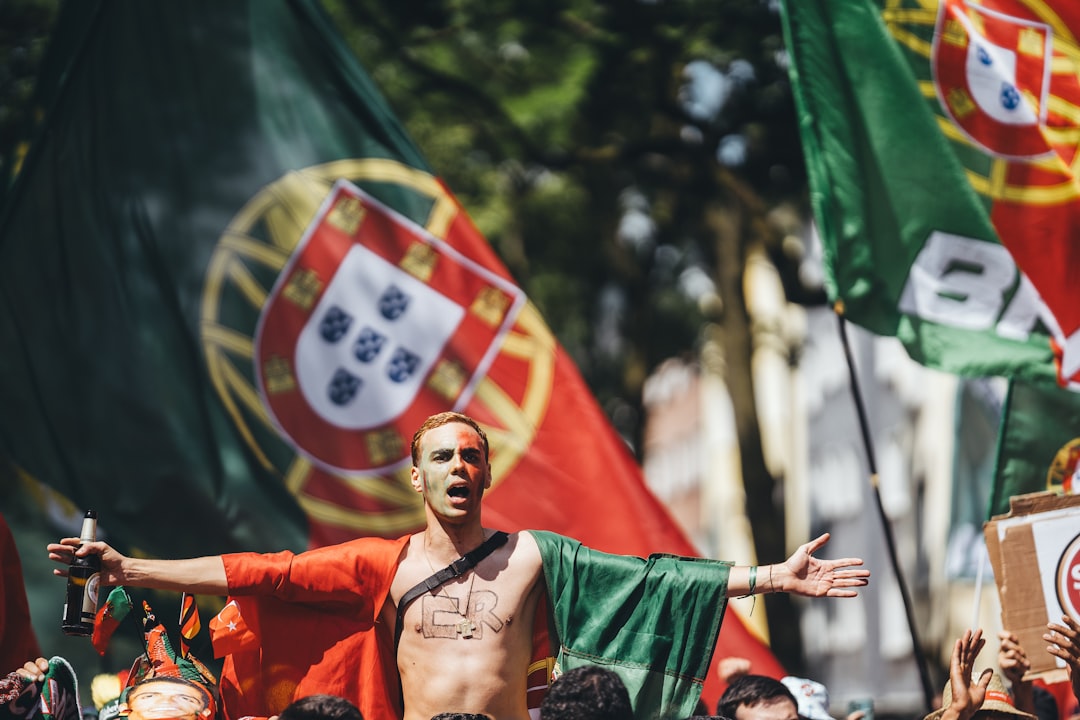
The retirement of Cristiano Ronaldo does not happen in isolation. It coincides with the gradual exit of other footballing legends who defined the 2010s and early 2020s. Luka Modrić, the Croatian maestro and Ballon d’Or winner, has also hinted at a future without the national team jersey. Similarly, Lionel Messi has stepped back from international play after leading Argentina to World Cup glory. This synchronized withdrawal creates a power vacuum in global football. For Balkan nations, where the rivalry between local talents and these global superstars has fueled interest in the sport, the shift is profound. The competitive dynamic that drove fans to tune in every weekend is changing.
In Serbia and Croatia, the comparison between local heroes and Ronaldo has been a staple of football discourse. Players like Dušan Vlahović and Luka Jović have grown up under the gaze of Ronaldo’s statistical dominance. As the Portuguese star considers retirement, regional pundits argue that Balkan players can now claim the spotlight without the constant comparison. This transition offers a unique opportunity for national teams to build new identities. The Serbia national football team and the Croatia national football team are among those poised to benefit from this renewed focus on homegrown talent.
The Balkan Angle: Inspiration and Identity
Cristiano Ronaldo’s influence in the Balkans extends beyond statistics. His work ethic, longevity, and marketability have inspired a generation of young athletes in countries with limited resources. In Greece, where football is intertwined with cultural identity, Ronaldo’s success at Al Nassr in Saudi Arabia has also highlighted the shifting economics of the sport. Balkan players, who have historically moved to Europe’s top leagues, are now seeing a new pathway in the Middle East. This trend is evident with players like Aleksandar Mitrović and Stefan Savić exploring options outside traditional European markets. Ronaldo’s move to the Saudi Pro League paved the way for this migration, altering the career trajectories of many Balkan professionals.
Moreover, the emotional connection between Balkan fans and Ronaldo is unique. Unlike other stars, Ronaldo’s journey from a young talent to a global icon mirrors the aspirational dreams of many in the region. His ability to perform under pressure, especially in UEFA Euro tournaments, has been studied by coaches and analyzed by fans. As he considers retirement, there is a sense of finality that resonates with older fans who remember his early days at Manchester United and Real Madrid. For younger fans, the transition marks a shift toward a new era where Balkan players like Dušan Vlahović and Ante Rebić must step up without the backdrop of a global superstar’s rivalry.
What Comes Next for Regional Football
The retirement of Cristiano Ronaldo will not diminish the quality of football in the Balkans, but it will change its narrative. National teams will need to build new stars and new stories. For fans, this means a return to a more regional focus, where the achievements of local clubs like Red Star Belgrade, Dinamo Zagreb, and Olympiacos take center stage. The UEFA Champions League and UEFA Europa League will remain the primary stages for Balkan clubs, but the absence of Ronaldo’s global draw may shift attention back to tactical battles and emerging talents.
Looking ahead, the key question is how Balkan football will capitalize on this transition. Will it produce its own global icons to replace Ronaldo? Or will it embrace a more collective identity, focusing on team success over individual stardom? The answer lies in the development systems of national leagues and the willingness of clubs to invest in youth. As the curtain falls on the Ronaldo era, Balkan football stands at a crossroads. The next decade will define whether the region can sustain its relevance in global football without the shadow of its greatest rival. Fans will be watching closely, hoping for a new generation of heroes to emerge from the ashes of the old.
Comments