


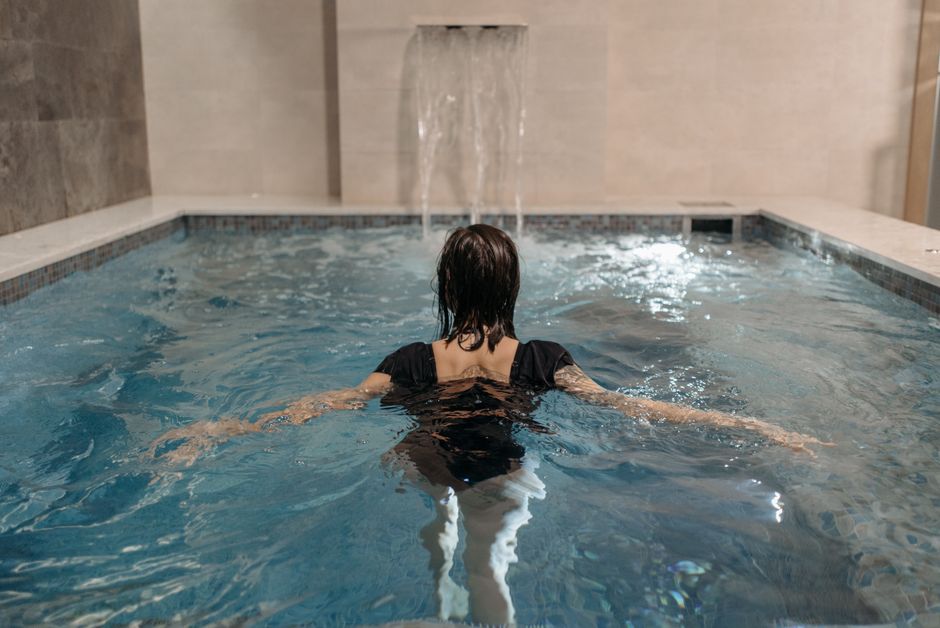
The water hits your skin like warm silk, but the air smells like wet pine and distant diesel. I am standing waist-deep in the outdoor pool of the Termalno Kupatilo Apatin, watching the steam rise into a grey Serbian sky. It is 6 AM. The only other soul here is an old man in a towel, smoking a cigarette with the serene detachment of a man who has seen empires fall and decided this water is better. He nods at me. I nod back. This is not a resort; this is a sanctuary for the weary, the injured, and the deeply bored. In the heart of Vojvodina, a region known for its flat plains and heavy harvests, there is a geothermal miracle that feels plucked from a different century. No glitzy infinity pools, no overpriced cocktails. Just 32-degree water bubbling up from the earth, treating everything from arthritis to existential dread.
I came here chasing heat. I found something else. The Thermal Sea Baths in Apatin are a paradox: a "sea" with no salt, located hundreds of kilometers from any ocean, fed by a deep geological aquifer that rivals the famous spas of Hungary and Romania. It is raw, unpretentious, and utterly effective. If you are looking for a five-star hotel experience, go to Belgrade. If you want to feel your joints loosen and your mind quiet, you come here. The water is rich in minerals, specifically magnesium and calcium, and it has been drawing locals from across the Pannonian Basin for decades. It is the kind of place where time dissolves, replaced by the rhythmic lapping of heated water against concrete edges.
History & Identity
The story of Apatin is tied to the land and the water beneath it. The town itself has a layered history, shifting hands between the Ottoman Empire, the Habsburg Monarchy, and various Yugoslav iterations. But the real star is the geothermal well, drilled in the mid-20th century. The discovery of these thermal springs transformed Apatin from a quiet agricultural town into a regional health destination. The Termalno Kupatilo opened its doors in the 1970s, built with a distinct socialist-era modernist aesthetic that has aged with a rough, honest charm. It was never about luxury; it was about public health. The state invested in these baths as a way to provide accessible wellness to the working class, a legacy that remains in the affordable prices and the no-nonsense atmosphere.
Today, the baths are a symbol of resilience. In a region where many historical spas have fallen into disrepair or been privatized into exclusivity, Apatin's complex has maintained its democratic spirit. It is a place where a factory worker and a retiree share the same pool. The identity of the place is rooted in this communal access. The water is not a commodity; it is a resource. The town has built its modern identity around this natural gift, hosting health festivals and attracting patients from across the Western Balkans. It is a quiet pride, unadvertised in glossy brochures but whispered about in doctor's offices from Novi Sad to Zrenjanin.
Where to Go
The Main Thermal Pool — The heart of the complex. This large outdoor pool is heated to a constant 32-33 degrees Celsius year-round. It is the perfect temperature for long soaks, allowing your muscles to relax without overheating. The water is clear, sourced from a depth of over 2,000 meters, and rich in therapeutic minerals. There are no lane markers; this is for lounging, not swimming laps. Entry fee is approximately 4-6 EUR depending on the time of day. Best visited early morning or late evening to avoid the weekend crowds of families.
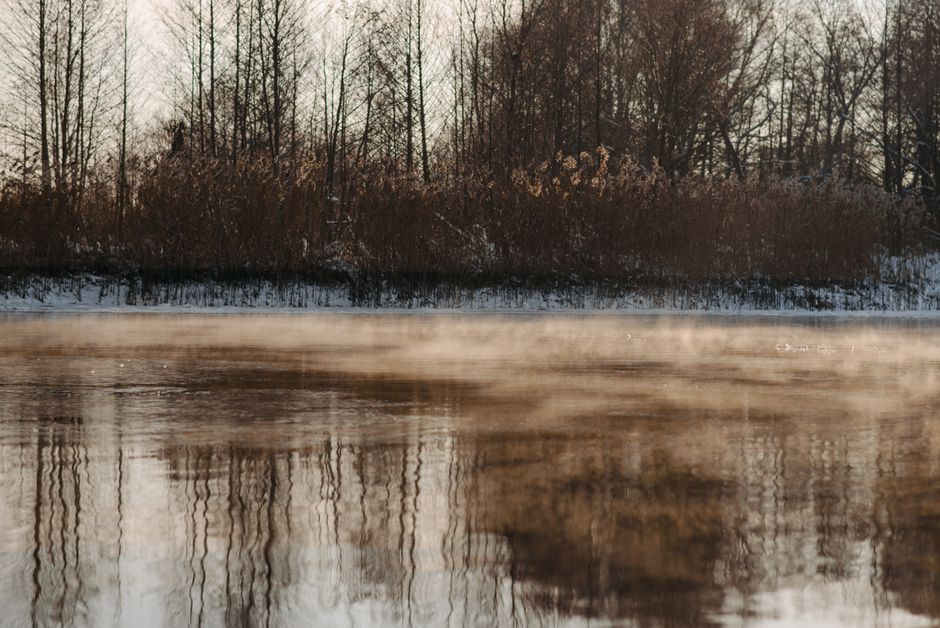
The Children's Thermal Pool — A shallower, gently heated pool designed for younger visitors. The temperature here is slightly lower, around 28-30 degrees, making it safe for kids. It is a lifeguarded area, and you will see many local families spending entire Saturdays here. The water is just as mineral-rich as the adult pools, offering a gentle introduction to hydrotherapy for the little ones. It is a joy to watch children play in water that is warm enough to prevent them from getting cold, a stark contrast to the cold lakes of the region.
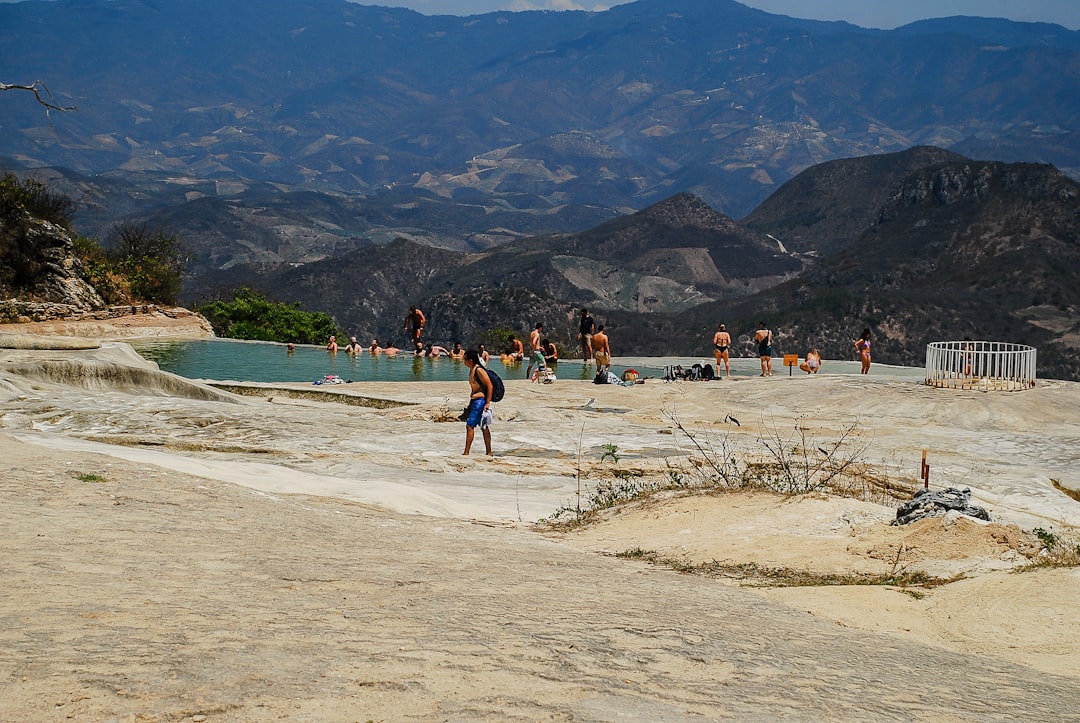
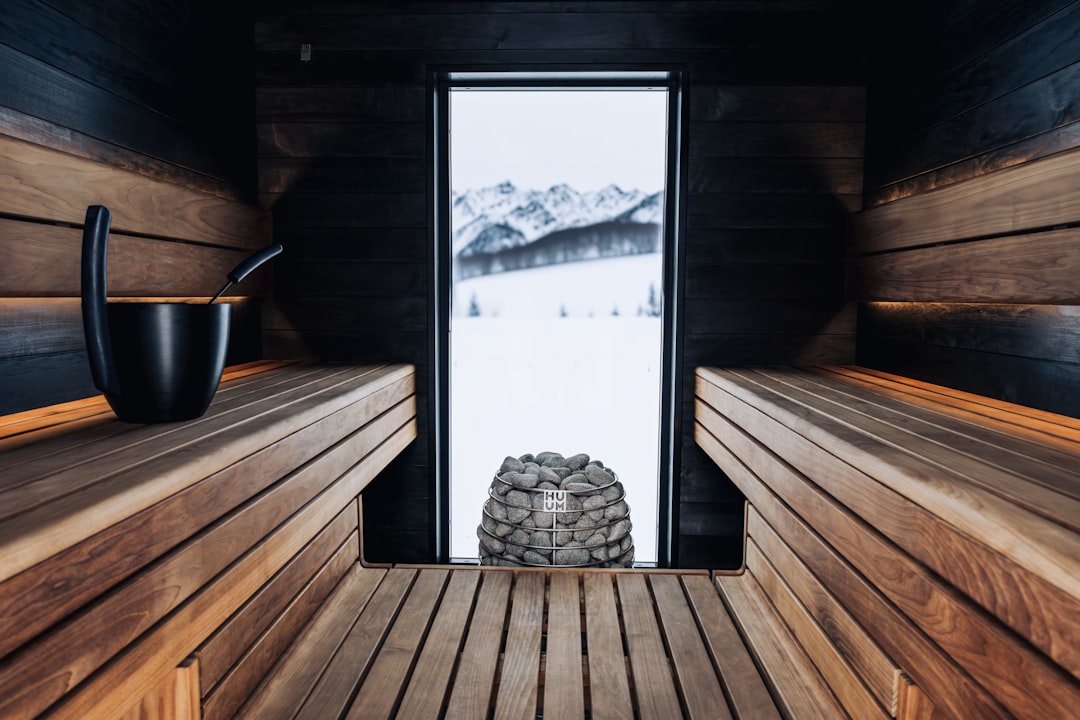
The Sauna & Steam Room Complex — After soaking in the open air, the dry heat of the sauna is a necessary contrast. The complex offers traditional Finnish saunas and humid steam rooms. The air is thick with the scent of eucalyptus and pine. It is a place to sweat out the toxins, though given the mineral content of the water, you are mostly just sweating out the stress. The facilities are clean but functional, with wooden benches and simple lockers. A visit here costs an additional 2-3 EUR.
The Massage & Physiotherapy Center — For those who need more than just a soak, the baths offer professional hydro-massage and physiotherapy treatments. The therapists here are experienced, many having worked in the system for decades. They understand the specific benefits of the thermal water for joint pain, back issues, and circulation problems. A session costs between 10-20 EUR depending on the treatment. It is a practical, no-frills approach to wellness, focused on results rather than relaxation rituals.
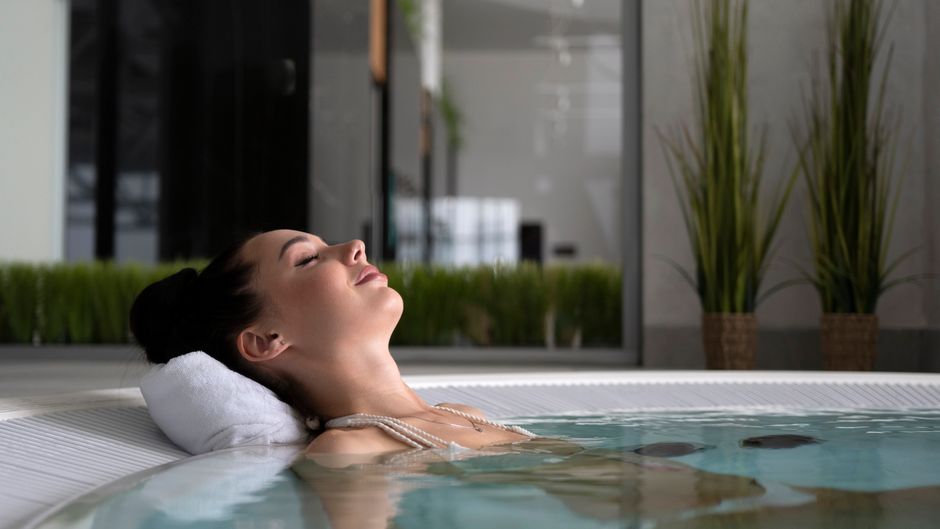
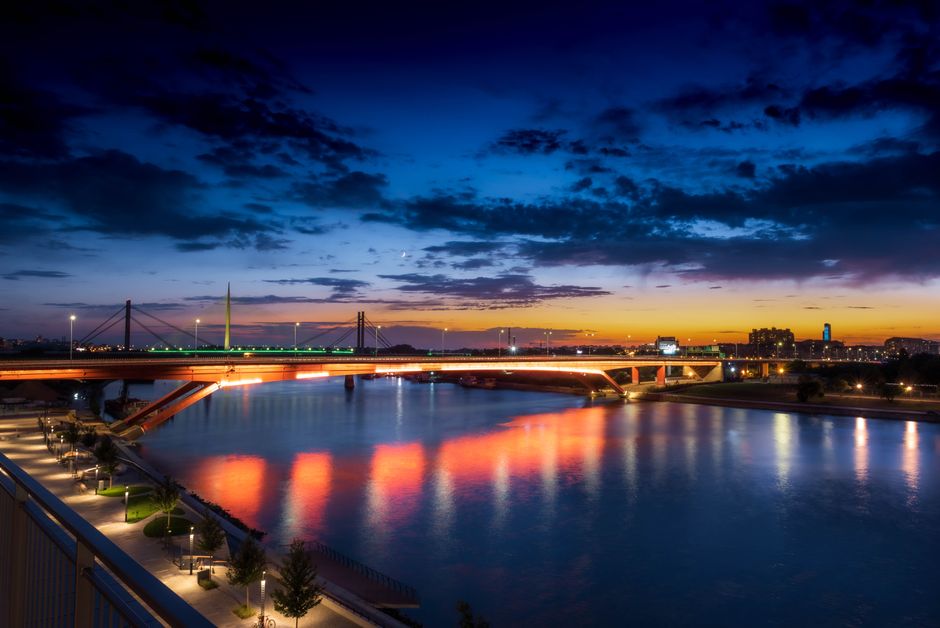
The Town Park & Greenways — Just a short walk from the baths, the town of Apatin offers a peaceful promenade along the Tisa River. The park is a local favorite for evening strolls, with benches facing the water and mature trees providing shade in summer. It is a quiet, green space that complements the thermal experience, offering a chance to cool down and reflect. There is no entry fee, just the open air and the sound of the river.
What to Eat & Drink
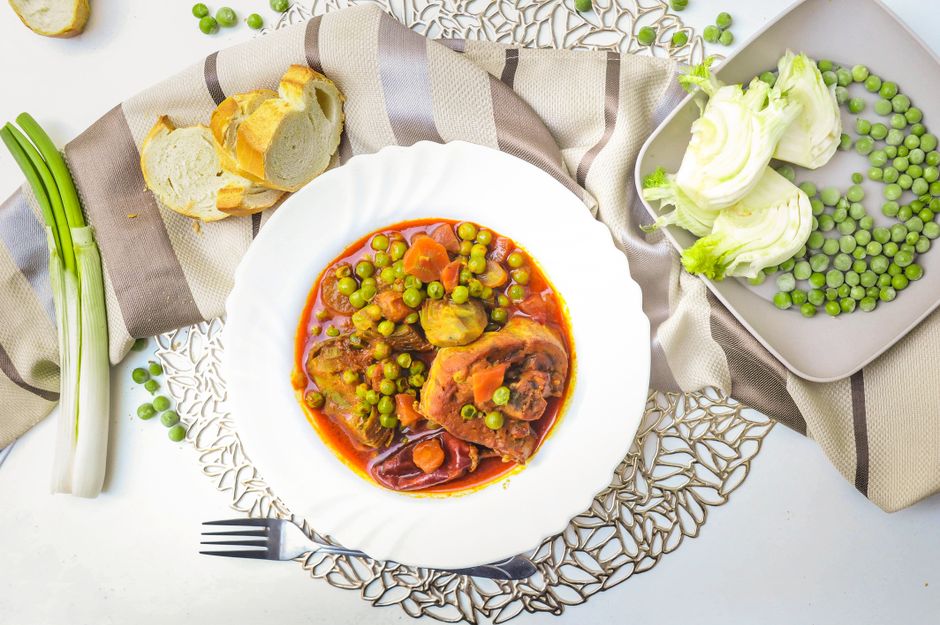
After a long soak, your appetite will return with a vengeance. The local cuisine in Vojvodina is hearty, influenced by Hungarian, Austrian, and Balkan traditions. You will find goulash — a rich, paprika-spiced beef stew — served with thick noodles or bread, costing around 5-8 EUR. Ćevapi, small grilled meat sausids, are a staple, served with fresh onions and lepinja (flatbread) for 3-4 EUR. For a lighter option, šopska salata — a mix of tomatoes, cucumbers, onions, and kajmak (clotted cream) — is refreshing and costs about 2-3 EUR.
Budget breakdown: Street food or a simple meal from a local konoba (tavern) will cost you 5-10 EUR per person. A sit-down dinner with a bottle of local white wine, such as the crisp Rizvanac or Sivac, will run 15-25 EUR. The town has a small but vibrant food scene, with several family-run restaurants near the center. For budget travelers, there are bakeries selling fresh pljeskavica (meat patties) and pastries for under 2 EUR.
The main street, Kralja Petra I, is where you will find most of the eateries. It is a short walk from the baths, lined with cafes and small shops. The atmosphere is relaxed, with locals spilling out onto the sidewalks in good weather. For a taste of the region's famous dairy products, look for shops selling ajvar (roasted pepper relish) and slatko (fruit preserve), perfect souvenirs to take home.
Nightlife
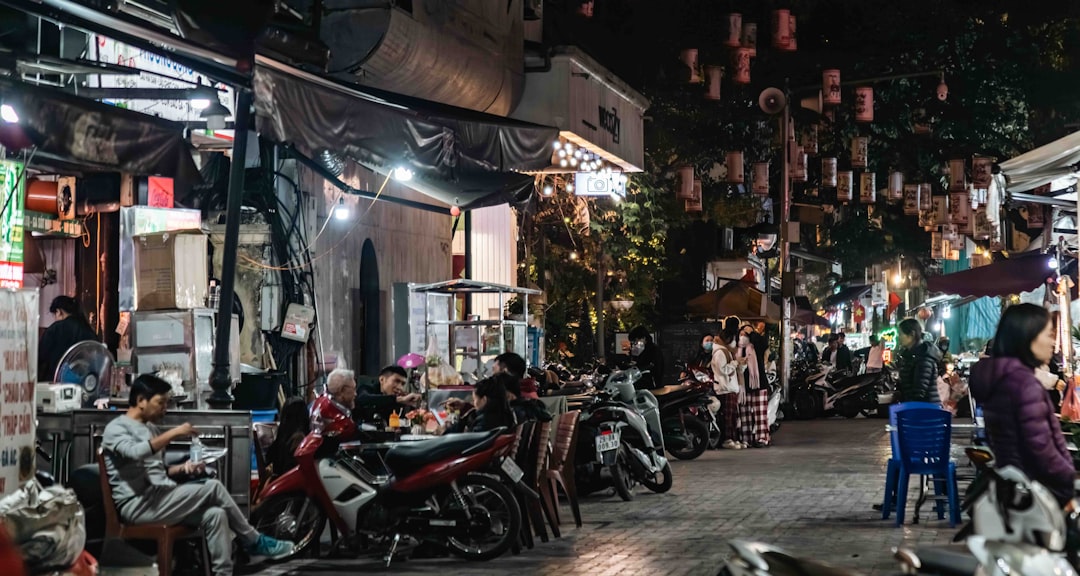
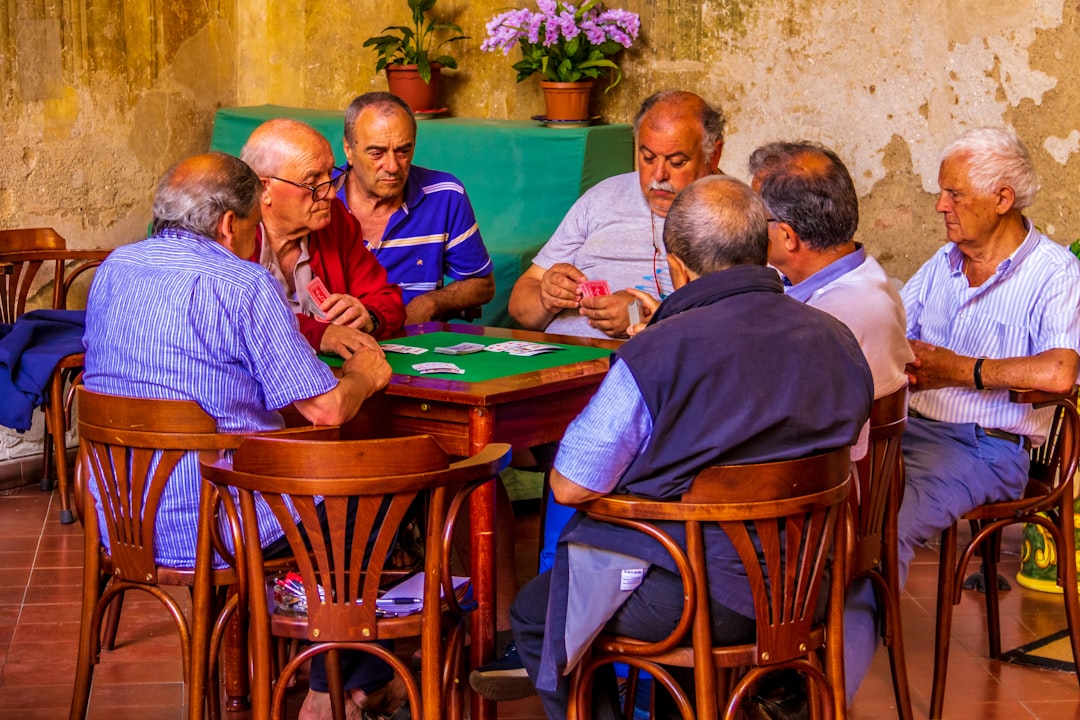
Do not expect a clubbing scene in Apatin. This is not Belgrade or Novi Sad. The nightlife here is measured in coffee, not cocktails. The main social hubs are the traditional cafes, where men sit for hours playing cards, drinking strong Turkish coffee, and discussing politics, football, and the price of wheat. Kafa Dvorana is a local institution, with a no-nonsense atmosphere and excellent service. It is open late, but "late" here means midnight, not 4 AM.
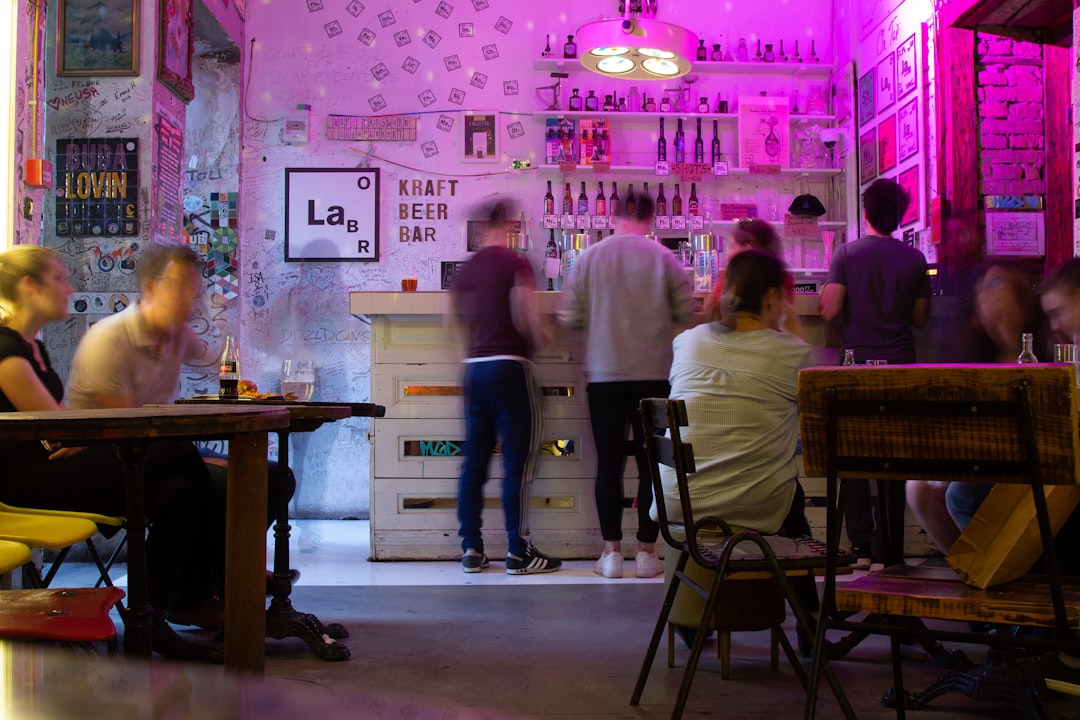
For a more modern vibe, head to Bar Luna, a small but stylish bar near the center. They serve decent craft beers and cocktails, and the music is a mix of local folk and indie rock. It is a place to unwind after a day at the baths, with a cover charge of 2-3 EUR or a drink minimum. The crowd is mixed, with young professionals and older locals mingling. It is intimate, friendly, and far removed from the neon glare of the big cities.
If you are looking for something quieter, the Town Hall Square often hosts live music in the summer evenings. Local bands play everything from traditional fojka to acoustic covers. It is free to attend, and you can bring your own wine. This is the real nightlife of Vojvodina — communal, musical, and deeply rooted in the local culture.
Getting There & What to Expect
The nearest major hub is Novi Sad, the capital of Vojvodina, located about 30 kilometers away. From Novi Sad, you can take a bus to Apatin, which runs several times a day and takes about 45 minutes. The bus ticket costs approximately 2-3 EUR. Alternatively, you can rent a car in Novi Sad for around 30-50 EUR per day and drive the scenic route along the Tisa River. The road is well-maintained, and the drive is pleasant, passing through rolling fields and small villages.
From Belgrade, the journey is longer. You can take a bus to Novi Sad and then transfer to Apatin, or drive directly, which takes about 2.5 hours. The cost of a bus from Belgrade to Novi Sad is around 5-7 EUR. For those flying in, Novi Sad Airport has limited connections, so most international visitors will fly into Belgrade Nikola Tesla Airport and then ground transfer.
Accommodation in Apatin is limited but affordable. There are several guesthouses and small hotels near the baths, with prices ranging from 20-40 EUR per night for a basic room. For a more comfortable stay, consider staying in Novi Sad and making a day trip, with hotels ranging from 40-80 EUR per night. The best time to visit is between May and October, when the weather is warm enough for outdoor swimming but not too hot. Winter visits are also popular for the therapeutic benefits, with the indoor pools and saunas providing a cozy retreat.
Search accommodation in Apatin on Booking.com →
The Water Remembers
I leave Apatin with my joints loose and my head clear. The thermal water has done its work, but it is the silence that stays with me. In a world that is constantly loud, constantly demanding, there is something radical about a place that asks for nothing but your presence. The old man in the towel is still there, smoking his cigarette, watching the steam rise. He is the guardian of this quiet miracle, a reminder that some things are not for sale, only for sharing. The Thermal Sea Baths are not just a pool; they are a pause. A moment to breathe, to float, to be. And in the Balkans, where history is heavy and the past is always present, that pause is worth more than gold.
Comments