


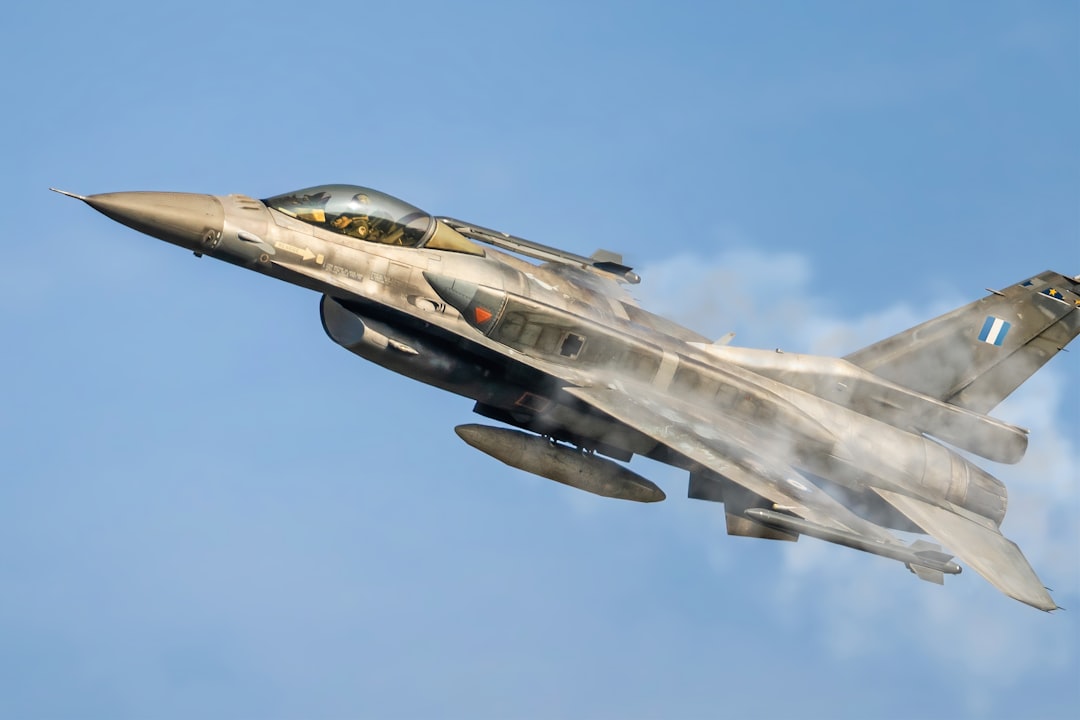
The procurement of **F-16 Fighting Falcon** jets has become the defining narrative of modern Balkan defense policy. From Poland to Croatia, nations are rapidly modernizing their air forces, driven by a shared desire to align with **NATO** standards and respond to regional instability. This surge in fighter jet acquisitions is not merely about hardware; it represents a strategic realignment of security architecture in Southeast Europe. For the Balkans, the F-16 symbolizes a tangible commitment to collective defense and a departure from legacy Soviet-era equipment. The trend underscores a broader shift where smaller nations seek interoperability with Western allies, ensuring their skies are protected by technology that integrates seamlessly with broader European air defense networks.
A Strategic Shift in Air Power
The decision to adopt the F-16 stems from a confluence of geopolitical pressures and practical military needs. The ongoing conflict in Ukraine has highlighted the vulnerabilities of older aircraft and the critical importance of advanced air superiority. Countries like **Croatia** and **Romania** have moved swiftly to replace aging fleets, recognizing that deterrence requires credible, modern capabilities. The F-16, produced by **General Dynamics** and now maintained by **Lockheed Martin**, offers a proven track record, extensive support infrastructure, and compatibility with NATO communication systems. This interoperability is vital for joint exercises and potential coalition operations, ensuring that Balkan air forces can operate effectively alongside larger allies.
Furthermore, the acquisition process often involves complex diplomatic negotiations. The United States views these sales as opportunities to strengthen alliances and export its defense industrial base. For buyers, securing these jets requires navigating export controls, training requirements, and long-term maintenance contracts. The result is a deepening of military ties between Washington and Balkan capitals. This relationship extends beyond the sale of aircraft, encompassing intelligence sharing, logistical support, and political backing. The F-16 thus becomes a symbol of a broader security partnership, embedding Balkan nations more firmly within the Western security umbrella.
The Croatian Blueprint and Regional Impact
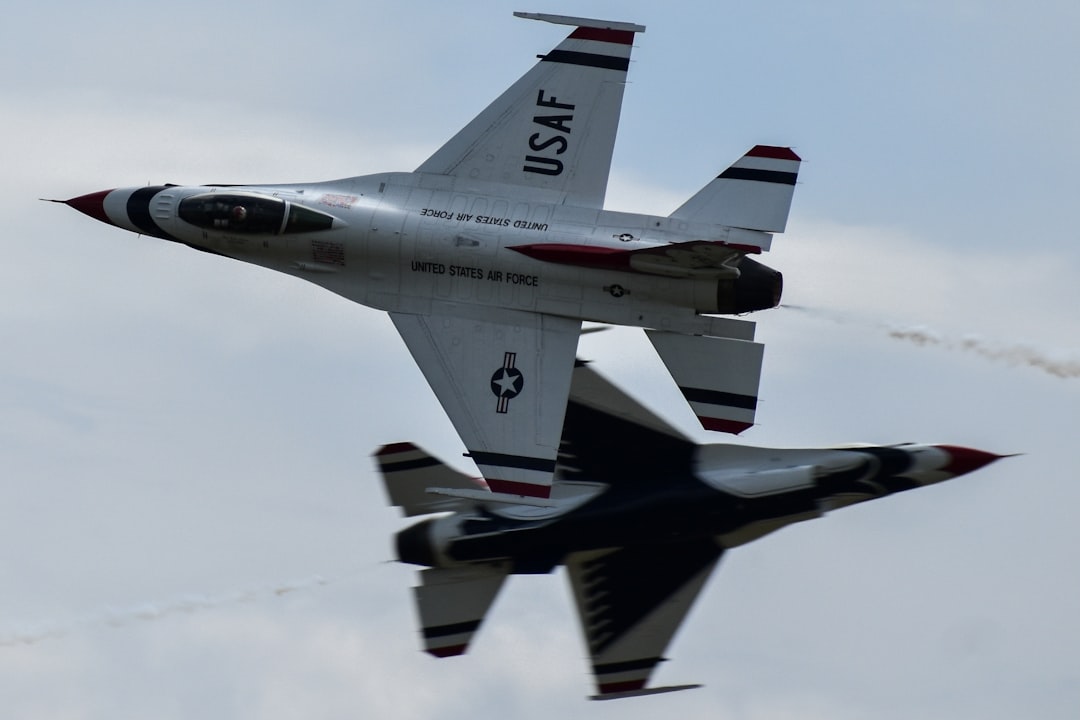
**Croatia** stands at the forefront of this regional modernization effort. After years of deliberation, Zagreb finalized its deal to acquire used F-16AM/BM Block 15 jets from **Norway**. This decision was driven by the urgent need to replace obsolete MiG-21s, which no longer meet NATO standards. The Norwegian aircraft, while older, offer a cost-effective solution that allows Croatia to rapidly establish a credible air defense capability. The integration of these jets into the **Croatian Air Force** marks a significant milestone in the country's post-independence military development. It signals Zagreb's commitment to fulfilling its NATO obligations and enhancing its sovereignty in a volatile region.
The ripple effects of Croatia's decision are felt across the Balkans. Neighboring countries are evaluating their own air power strategies, recognizing the strategic advantage of operating compatible aircraft. **Bosnia and Herzegovina**, **Serbia**, and **North Macedonia** are all assessing their options, with some exploring potential purchases or upgrades. The presence of F-16s in Croatia alters the regional balance of power, prompting neighbors to reassess their defense postures. This dynamic fosters a competitive environment where military modernization becomes a priority for national security. The F-16, therefore, acts as a catalyst for broader regional defense reforms, encouraging transparency and cooperation among Balkan states.
Interoperability and Long-Term Security
Beyond immediate combat capabilities, the F-16 acquisition enhances long-term security through **interoperability**. Modern warfare relies on seamless coordination between air, land, and sea forces, as well as intelligence and logistics networks. The F-16's data links and communication systems allow Balkan air forces to integrate with NATO's **Integrated Air and Missile Defence System**. This connectivity is crucial for detecting and responding to aerial threats, whether from rogue states, non-state actors, or accidental incursions. By adopting a common platform, Balkan nations reduce the complexity of joint operations and increase the effectiveness of their collective defense. This standardization also simplifies training and maintenance, as pilots and technicians can share knowledge and resources across borders.
The economic implications of these acquisitions are also significant. The purchase of F-16s involves substantial financial commitments, including aircraft costs, spare parts, training, and infrastructure upgrades. For smaller Balkan economies, these expenditures require careful budgeting and often involve international financing or grants. However, the investment is viewed as essential for national survival. The F-16 serves as a deterrent, reducing the likelihood of aggression by demonstrating a credible defense capability. Moreover, the presence of Western military technology fosters political stability, reassuring investors and allies that the region is secure. This economic security complements the military benefits, creating a holistic approach to national resilience.
The F-16 surge in the Balkans is a clear indicator of the region's evolving security landscape. As nations modernize their air forces, they are not just buying jets; they are investing in their future stability and alignment with Western values. The success of these programs will depend on effective integration, sustained funding, and political will. For the international community, the Balkan F-16 story highlights the importance of supporting regional security initiatives. As geopolitical tensions persist, the ability of Balkan nations to defend their airspace remains paramount. The F-16, with its proven reliability and strategic significance, will continue to play a central role in shaping the defense policies of Southeast Europe for decades to come. Watch for further announcements from other Balkan states as they navigate their own modernization paths.



Comments