


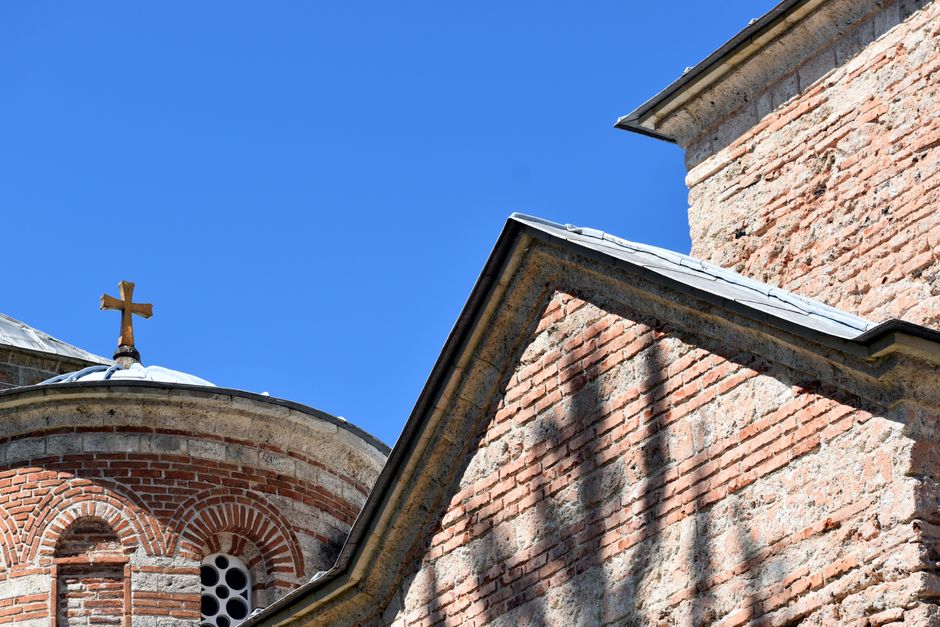
The dust in Serbia doesn't just settle; it accumulates like a second skin. I sat on the cold limestone floor of the refectory, my boots still caked with the red clay from the drive up from Kraljevo. The air smelled of beeswax, old incense, and the damp, mineral scent of stone that has been breathing since the 12th century. A monk, his face a map of deep wrinkles, didn't speak. He just poured rakija into a small glass and slid it across the wooden table. The silence here isn't empty. It's heavy. It presses against your eardrums, a physical weight that makes you question why you ever thought a smartphone notification was urgent.
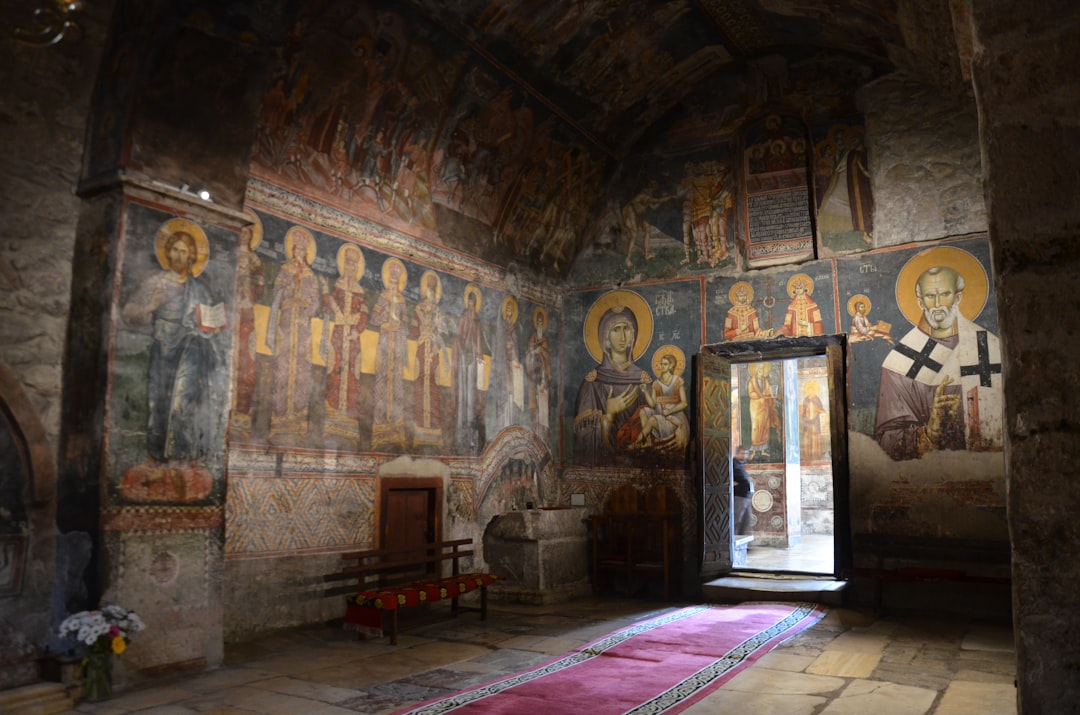
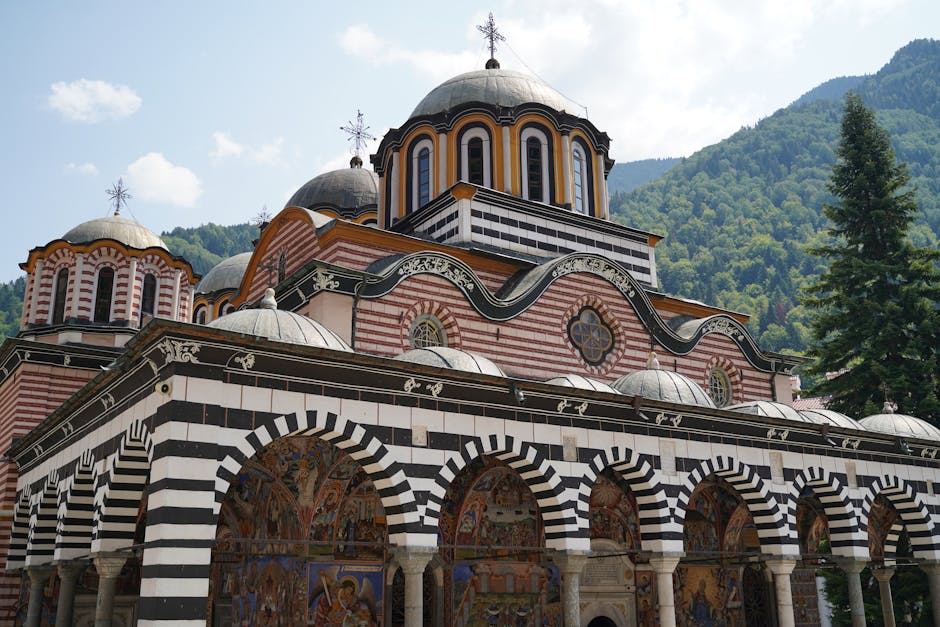
Most travel guides treat this place like a checkbox. "See the frescoes. Take the photo. Buy the candle." They miss the point entirely. The real story of Studenica Monastery isn't in the gold leaf or the royal portraits. It's in the silence. It's in the way the light hits the walls of the church of St. Nicholas, illuminating faces that have watched empires rise and crumble for nearly nine hundred years. This isn't a tourist trap. It's a fortress of faith, carved out of the heart of the Serbian Orthodox Church, and it demands respect, not just a selfie.
History & Identity
Founded by Stefan Nemanja in 1190, Studenica is the cradle of Serbian medieval art. Nemanja, the founder of the Nemanjić dynasty, chose this remote valley in the western part of the country not for convenience, but for spiritual isolation. The name "Studenica" comes from the nearby Studenica River, known for its icy cold waters even in summer. The monastery was designed as a retreat for monks who sought to escape the political turmoil of the time, a place where the only law was the rhythm of prayer and labor.
Over the centuries, the monastery has been a battleground for ideas as much as for territory. It was damaged by fires, looted by invaders, and restored by kings. The frescoes inside the church of St. Nicholas are considered some of the finest examples of Byzantine art in the Balkans. The "Studenica School" of painting, with its emotional intensity and vivid colors, influenced religious art across the region for centuries. But the history here isn't just paint on stone. It's the story of a people who used art as a form of resistance, preserving their identity through centuries of foreign rule.
Where to Go
Church of St. Nicholas — The heart of the complex. Built in the 13th century, its interior is a labyrinth of frescoes depicting scenes from the Bible and the lives of saints. The light streaming through the high windows creates a shifting, ethereal atmosphere that changes throughout the day. Entry is 5 EUR, and it's best visited early in the morning to avoid the crowds. The silence here is profound, broken only by the occasional echo of a prayer.
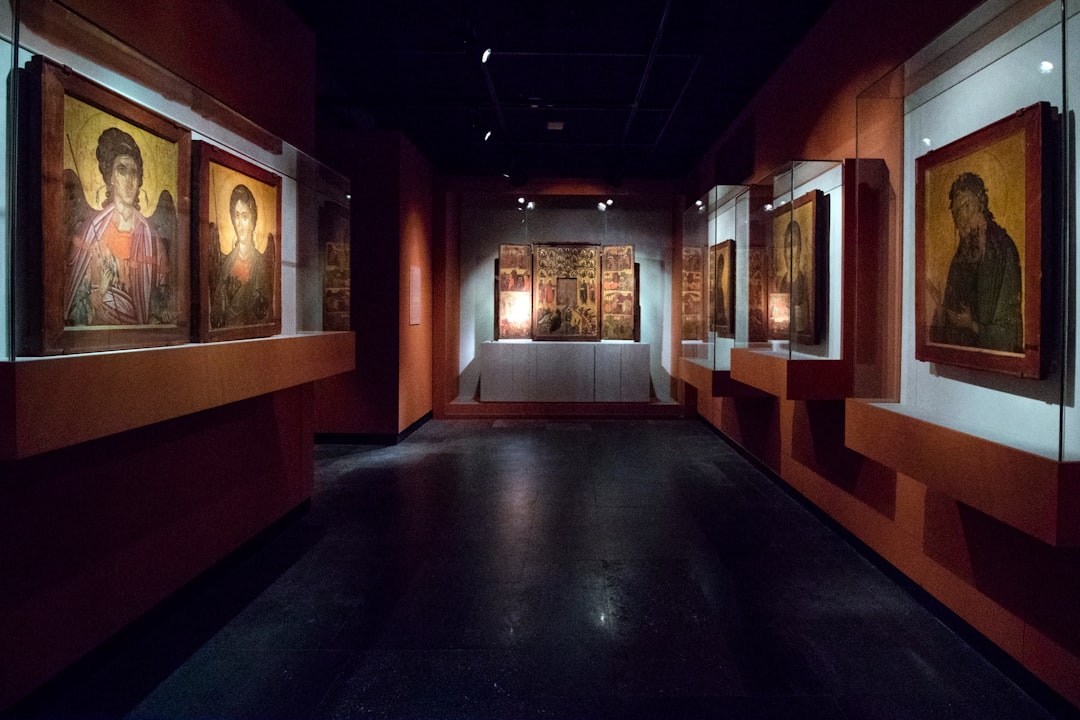
Studenica Museum — Located in a separate wing, this museum houses artifacts from the monastery's long history, including icons, manuscripts, and liturgical objects. It's a quieter, more intimate space than the church, allowing for a deeper understanding of the daily life of the monks. The entry fee is included in the main ticket, and it's well worth the extra twenty minutes to wander through the exhibits.
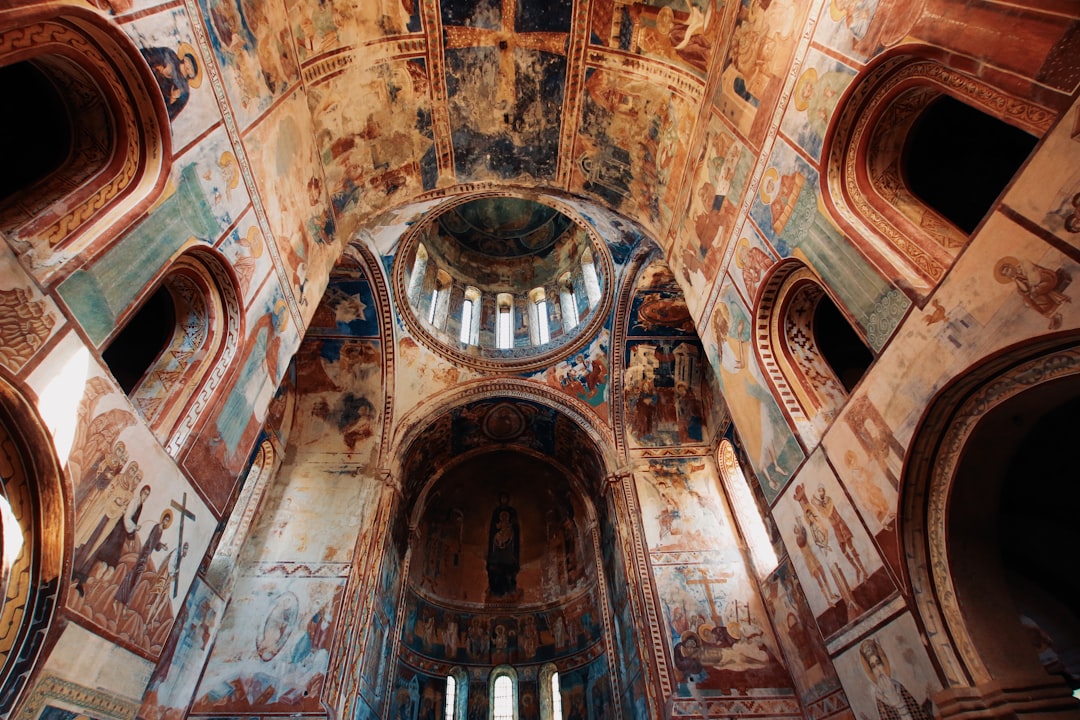
The Refectory — A massive, vaulted hall where monks once gathered for meals. The walls are covered with frescoes depicting scenes of daily monastic life, from farming to prayer. It's a stark, imposing space that conveys the discipline and austerity of monastic existence. The acoustics are incredible, and the sound of your own footsteps seems to echo for minutes.
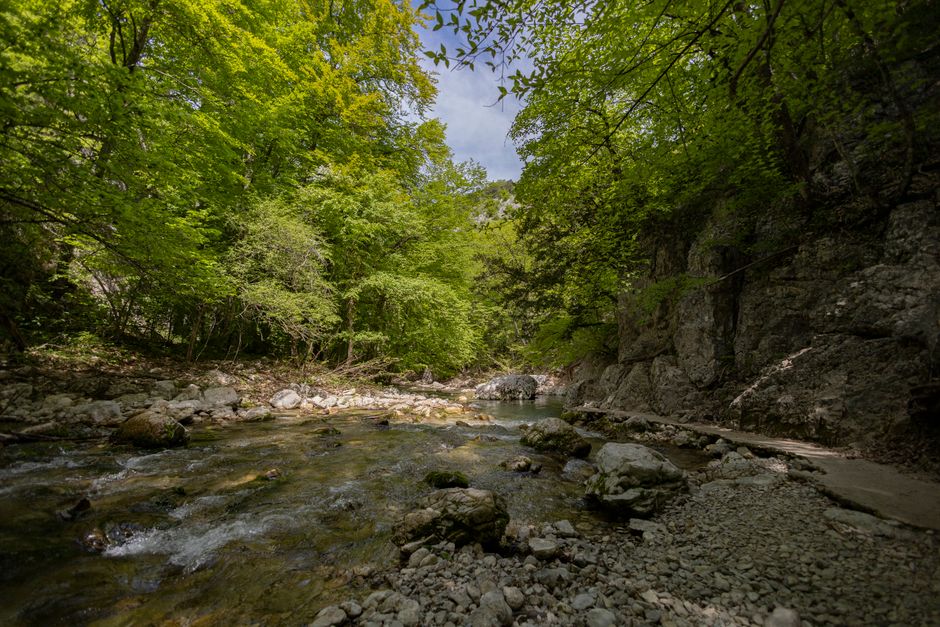
Studenica River — Just a short walk from the monastery, the river provides a serene contrast to the stone walls. The water is crystal clear and refreshingly cold. It's a good place to sit for a while, listen to the sound of the water, and reflect on the journey. The surrounding forest is dense and green, offering a natural sanctuary.
What to Eat & Drink
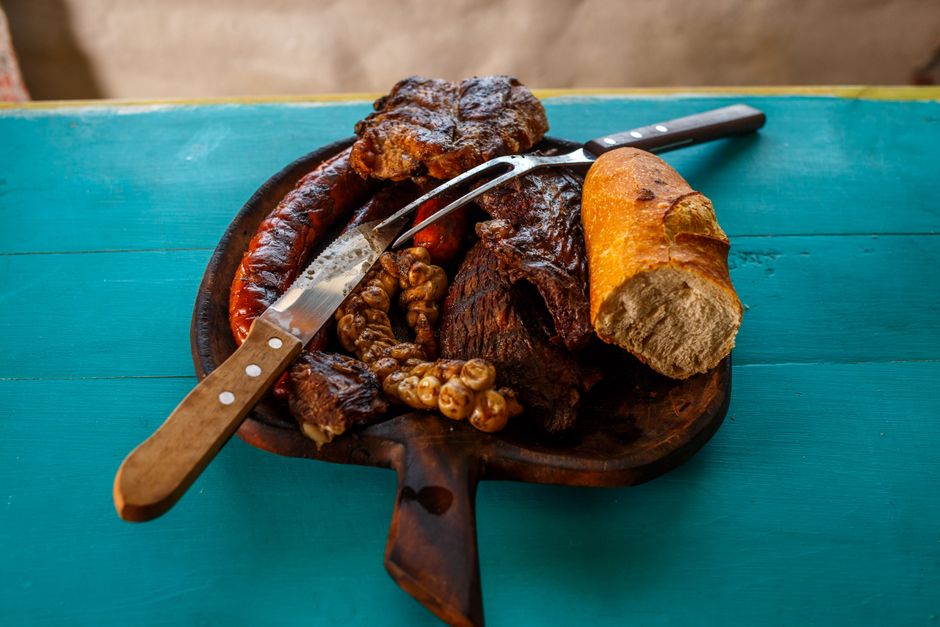
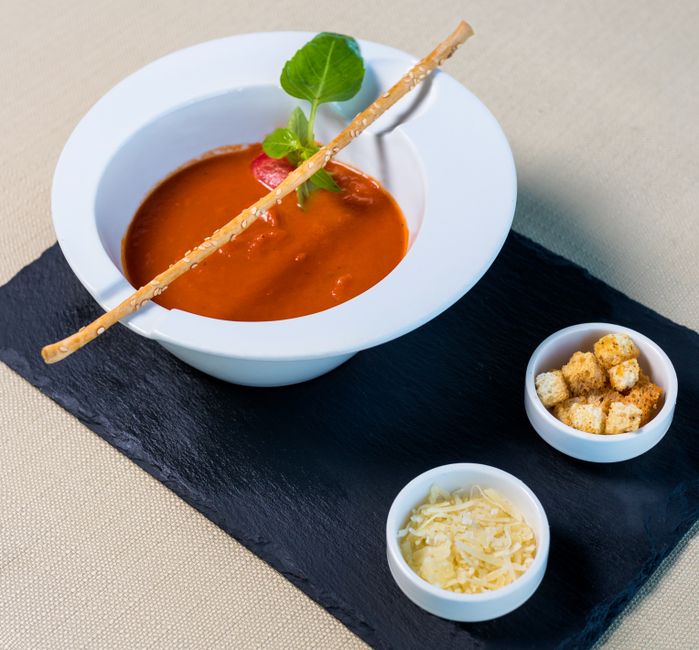
Food here isn't about gourmet experiences. It's about sustenance and community. The monastery cafeteria serves simple, hearty meals prepared by the monks. Expect čorba (a thick vegetable soup) for 2-3 EUR, musaka (a meat and potato pie) for 4-5 EUR, and slatko (fruit preserve) with bread for 1 EUR. There's also a small shop selling local honey, rakija, and religious items. It's not a place for fine dining, but the food is honest, fresh, and deeply satisfying. The budget for a full meal including a drink is around 8-10 EUR.
The local village of Ivanjica is about 20 minutes away and offers a few more options for dinner. There are several traditional restaurants serving ćevapi (grilled minced meat) for 3-4 EUR and roast pork for 8-10 EUR. The atmosphere is lively and welcoming, a stark contrast to the quiet of the monastery. It's a good place to meet locals and hear stories about the region.
Nightlife
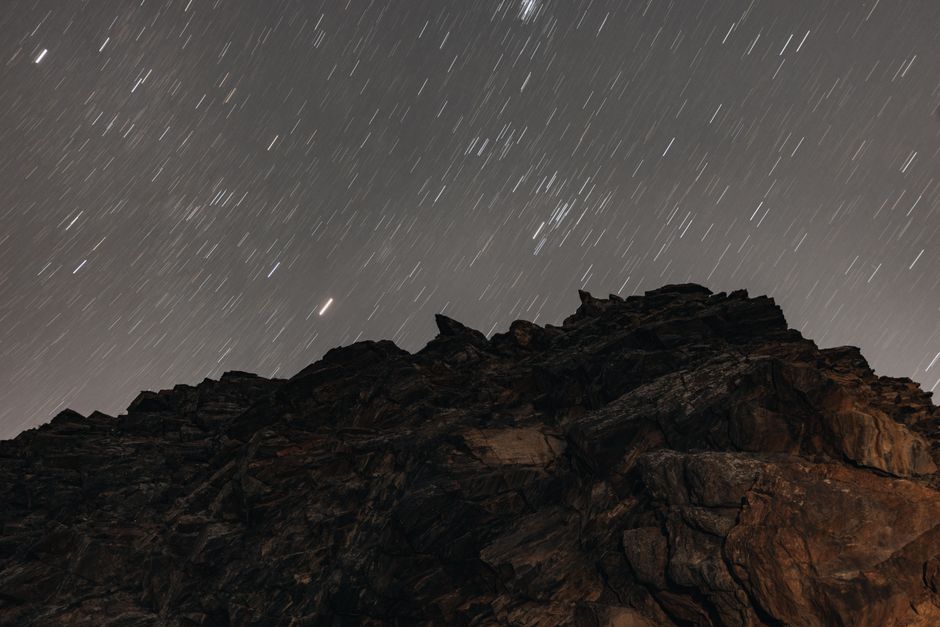
Let's be clear: there is no nightlife in Studenica. The nearest town, Ivanjica, has a few bars and cafes, but they close early. This isn't a place for partying. It's a place for reflection, for silence, for connecting with something deeper than the noise of modern life. If you're looking for clubs and loud music, this is the wrong destination. But if you're looking for a place to escape the chaos, to sit in a dark room with a glass of rakija and think about the passage of time, then Studenica is exactly where you need to be.
The "nightlife" here is the sound of the wind in the trees, the distant bark of a dog, and the occasional echo of a prayer from the church. It's a different kind of experience, one that requires patience and an open mind. It's not for everyone, but for those who seek it, it's invaluable.
Getting There & What to Expect
The nearest major city is Kraljevo, about 30 kilometers away. From Kraljevo, you can take a bus to Studenica, which takes about 45 minutes and costs around 3-4 EUR. Buses run several times a day, but it's best to check the schedule in advance. If you're driving, the road from Kraljevo to Studenica is well-maintained and scenic, taking about 30 minutes. Parking is available near the monastery entrance.
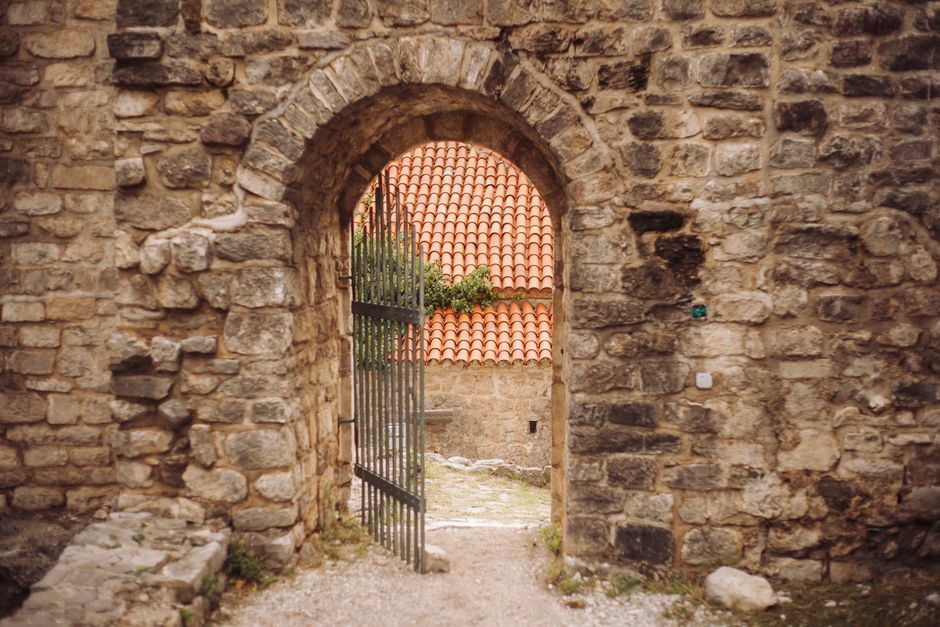
Accommodation options are limited. There's a small hostel in the monastery complex, where you can stay in simple rooms for 20-30 EUR per night. It's a unique experience to sleep within the walls of the monastery, but it's not for those who need luxury. There are also a few guesthouses in the nearby village of Studenica, ranging from 40-60 EUR per night. The best time to visit is from April to October, when the weather is mild and the landscape is green. Winter can be harsh, with heavy snow and icy roads.
Search accommodation in Kraljevo on Booking.com →
The Weight of Stone
As I left Studenica, the sun was setting, casting long shadows across the stone walls. The air was cold, and the silence felt heavier than ever. I realized that this place isn't just a monument to the past. It's a living, breathing entity, a testament to the power of faith and the resilience of the human spirit. The monks who live here don't just preserve history; they embody it. They carry the weight of centuries on their shoulders, and yet they move with a quiet grace that is both humbling and inspiring.
Studenica isn't for everyone. It demands patience, respect, and a willingness to sit with silence. But for those who are willing to listen, it offers something rare in this noisy world: a moment of true peace. It's a place where the past and present collide, where stone and spirit intertwine, and where the only thing that matters is the quiet beat of your own heart.
Comments