


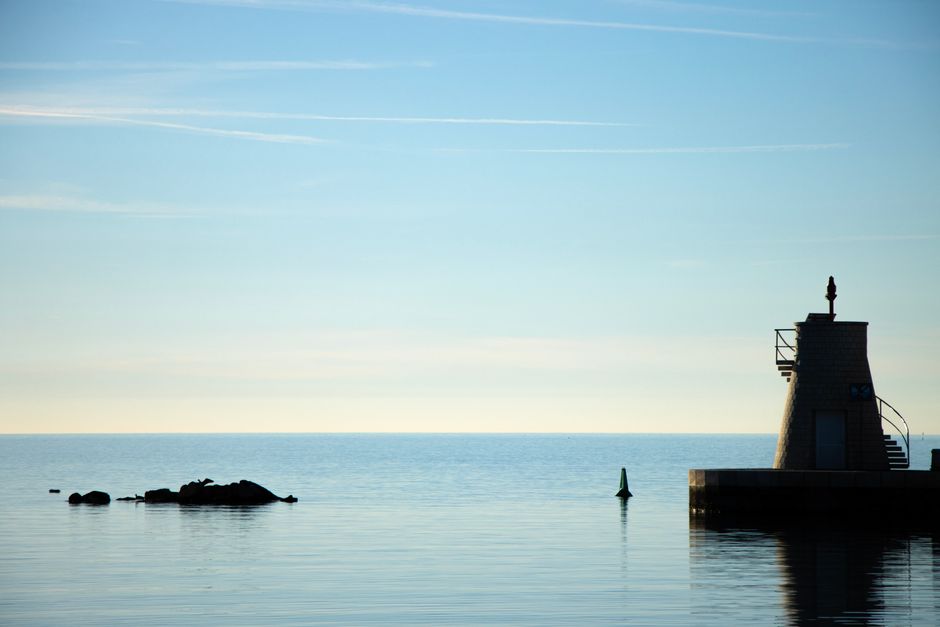
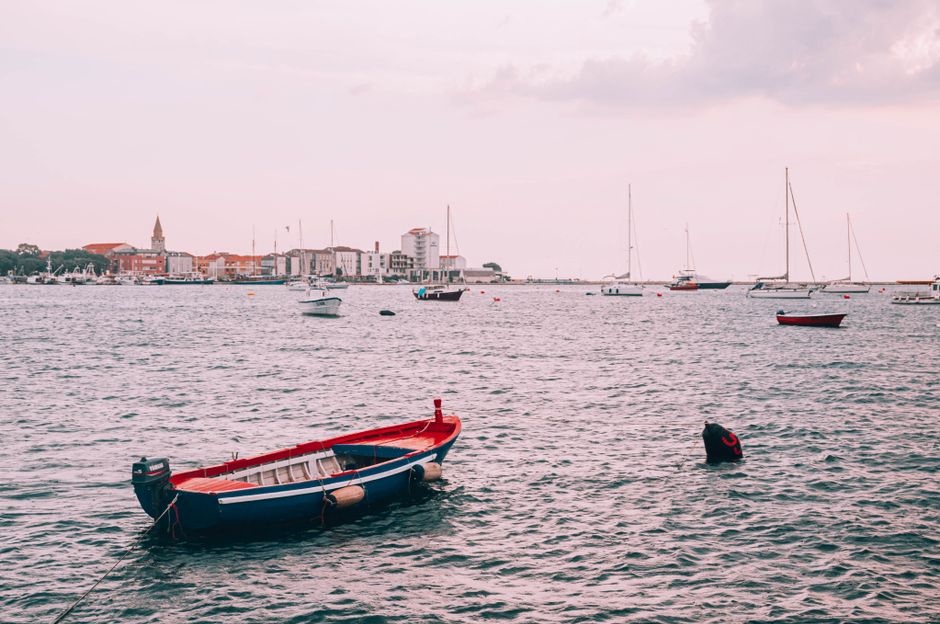
The road ends abruptly at the edge of the world, or at least that's how it feels when you park your car near the small harbor of Savudrija. The Adriatic Sea doesn't just sit there; it slams against the limestone cliffs with a violence that shakes the fillings in your teeth. I came here expecting a scenic walk, a nice photo op for Instagram, and a quick dip in the Mediterranean. What I got was a brutal, vertical assault on a rock face that feels less like a vacation spot and more like a penance. The air smells of salt, diesel from the cargo ships, and the faint, metallic tang of the old lighthouse machinery. There are no shops, no cafes, and certainly no "breathtaking" views that you can enjoy from a comfortable chair. You have to earn every inch of the horizon.
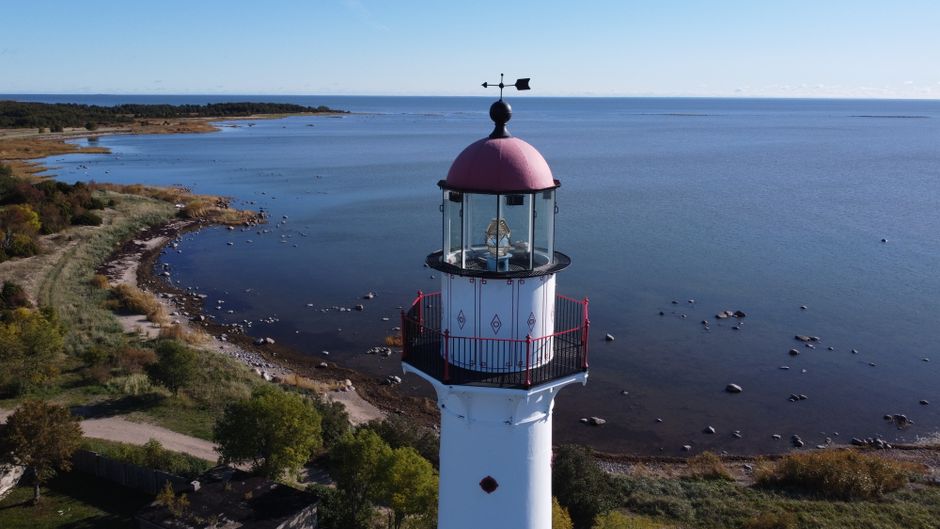
Standing at the base of the Savudrija Lighthouse, the structure looms like a white sentinel guarding the entrance to the Adriatic. It's not a charming cottage-style light; it's industrial, stark, and imposing. The stairs are not a gentle incline. They are a zig-zagging concrete spine carved directly into the cliffside, leading up to the 19th-century tower. Locals call it the "Sea Stairs," but that name understates the physical toll. It's a gauntlet. And yet, every weekend, I watch dozens of tourists, some in sandals, others in proper hiking boots, attempt this climb. Why? Because when you reach the top, the world below you looks different. It looks small. And for a few minutes, the noise of the modern Balkans fades into the rhythm of the waves.
The Industrial Heart of the Kvarner
Savudrija isn't a typical Croatian coastal town. It doesn't have the manicured beaches or the luxury resorts of Istra's more famous spots like Pula or Rovinj. This is a working port, a place where the sea is a livelihood, not just a backdrop. The lighthouse itself, built in 1857, was one of the first in the Adriatic to use the Fresnel lens system, a technological marvel of its time. It was designed to guide ships safely through the treacherous waters where the Gulf of Trieste meets the open sea. For over a century, it was the most powerful light in the region, a beacon of safety in a sea known for its sudden, violent storms.
Today, the lighthouse is automated, but its presence remains powerful. The climb to the top is not just a physical challenge; it's a journey through the industrial history of the region. As you ascend the 700 steps, you pass old watchtowers, remnants of the Austro-Hungarian military presence, and views of the Krk ferry terminal. This is the gateway to the Kvarner Gulf, a region defined by its rugged coastline and strategic importance. The lighthouse stands as a testament to a time when navigation was a matter of life and death, and when the sea was both a provider and a predator.
The Ascent: A Test of Will
The climb begins innocently enough. The first hundred steps are wide, paved, and relatively gentle. You can see the harbor below, the fishing boats bobbing in the water, and the few tourists milling about. But as you ascend, the stairs narrow, the incline steepens, and the view opens up to reveal the sheer drop to the sea. The concrete is worn smooth by decades of footsteps, and the wind picks up, pushing against you with surprising force. There are no handrails for most of the climb, just the solid rock wall on one side and the open drop on the other. It's a test of balance, endurance, and nerve.
Halfway up, you reach a small platform that offers a panoramic view of the Učka mountain range and the Kvarner islands. It's a tempting spot to rest, but the real challenge is yet to come. The final stretch to the lighthouse is the steepest, with steps that seem to defy gravity. Your legs burn, your breath comes in short gasps, and the sun beats down on your back. But as you crest the final step and see the lighthouse looming above you, the exhaustion fades, replaced by a surge of adrenaline and accomplishment. You've made it. You've conquered the cliff.
Views from the Top: The Adriatic Unfiltered
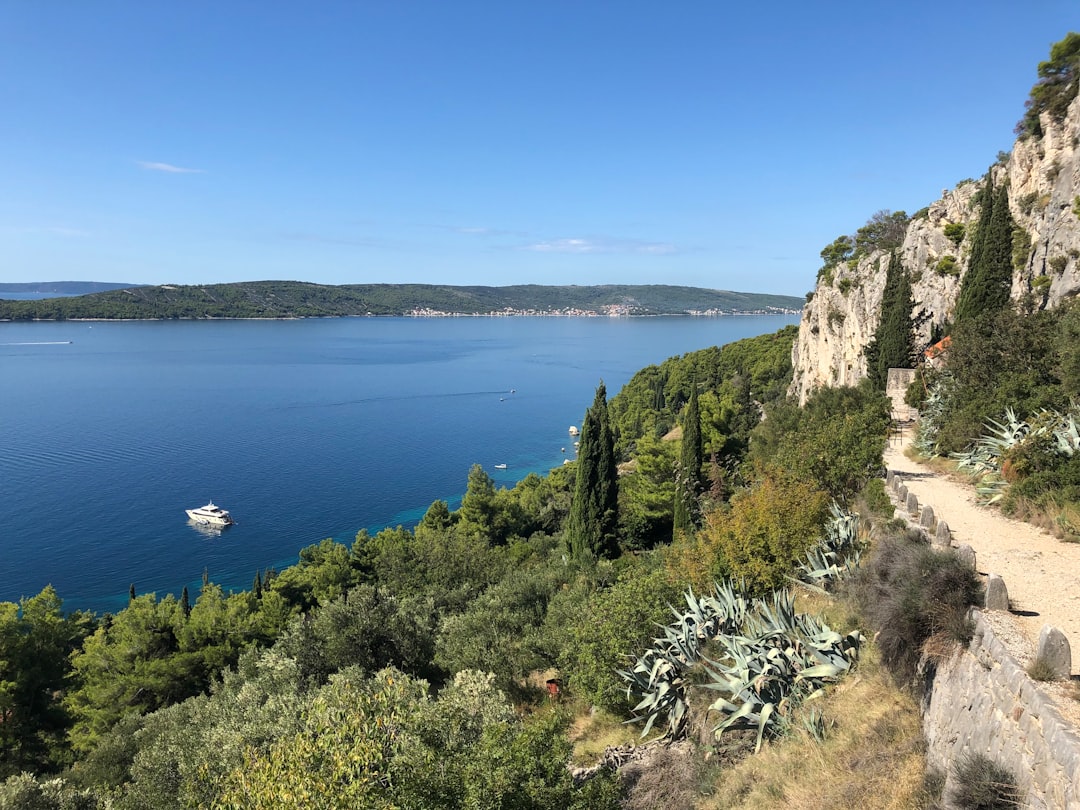
Reaching the top of the Savudrija Lighthouse is like stepping into a different world. The noise of the harbor is gone, replaced by the roar of the wind and the crash of the waves. The view is unobstructed, stretching for miles across the Adriatic. On a clear day, you can see the Krk islands, the Rab archipelago, and even the Velebit mountain range on the mainland. The sea is a deep, intense blue, broken by whitecaps and the occasional shadow of a ship. It's a view that puts everything into perspective. The worries of daily life seem trivial against the vastness of the ocean and the immensity of the landscape.
Inside the lighthouse, you can find a small museum that details the history of the structure and the lives of the keepers who tended it. The Fresnel lens, once a marvel of engineering, is still intact, though no longer in use. It's a poignant reminder of a bygone era, a time when human ingenuity was needed to tame the sea. The museum is small, but it's well-curated, with artifacts and photographs that bring the history of the lighthouse to life. It's a fitting end to the climb, a chance to reflect on the journey and the place that made it possible.
Getting There & What to Expect
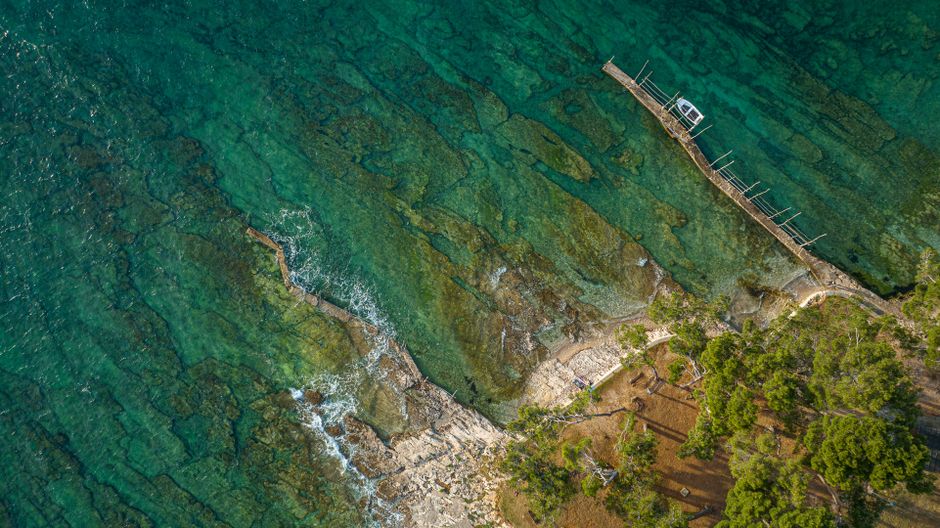
Reaching Savudrija is straightforward if you're driving. It's located at the northern tip of the Istra peninsula, just a short drive from Rijeka. The drive from Rijeka takes about 45 minutes, and from Pula, it's around two hours. There is ample parking near the harbor, though it can get crowded in the summer months. If you're not driving, you can take a bus from Rijeka or Pula, but the connections are infrequent, so check the schedule in advance.
The climb is free, but it's not for the faint of heart. It's not recommended for young children or anyone with mobility issues. The stairs are steep, uneven, and lack handrails for much of the way. Wear sturdy shoes, bring water, and be prepared for a serious workout. The best time to go is early in the morning or late in the afternoon to avoid the midday heat. The light is better for photography, and the crowds are thinner. If you're visiting in the summer, expect it to be busy, but even then, the climb is worth it. The views from the top are unforgettable, and the sense of accomplishment is real.
Accommodation in Savudrija itself is limited, as it's a small port town. Most visitors stay in nearby Rijeka or Pula and make a day trip to the lighthouse. In Rijeka, you can find budget hostels for around 20-30 EUR per night, while mid-range hotels range from 50-80 EUR. Pula offers a wider range of options, from budget apartments to luxury resorts.
Search accommodation in Rijeka on Booking.com →
The Descent and the Aftermath
Coming down the stairs is almost as challenging as going up. Your legs are tired, your knees are protesting, and the sun is still beating down. But the view from the top stays with you. It's a reminder of the power of nature and the resilience of the human spirit. As you reach the bottom, you feel a sense of closure, a quiet satisfaction that you've done something difficult, something that most people only dream of. You walk back to your car, your body aching, your mind clear. And you know, deep down, that you'll be back. Because the sea always calls, and the climb is worth it.
Comments