


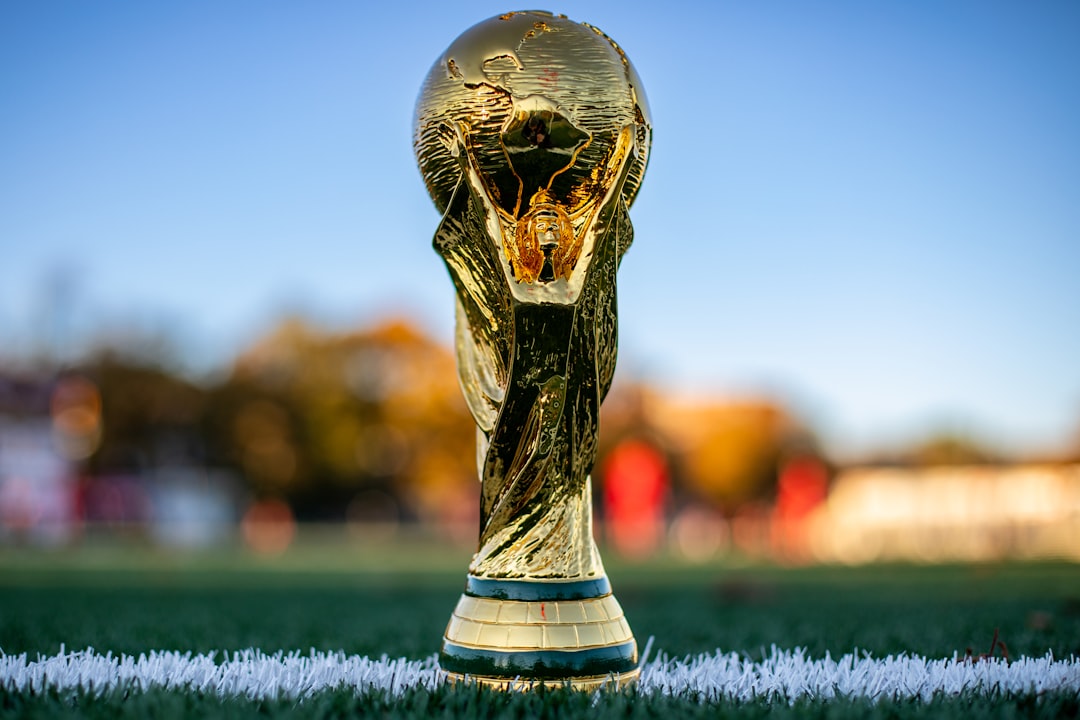
The football world is preparing for the most significant expansion in the history of the FIFA World Cup. As the tournament approaches its 2026 edition, hosted jointly by the United States, Canada, and Mexico, the sporting landscape is shifting dramatically. For the first time, the final competition will feature 48 teams instead of the traditional 32, resulting in 104 matches played across 16 host cities. This unprecedented scale has triggered intense debate regarding logistics, fairness, and the competitive balance of international football. For Balkan nations, whose footballing identities are deeply rooted in tactical discipline and passionate support, this expansion presents both a golden opportunity for qualification and a complex challenge in adapting to a longer, more grueling tournament structure.
Historic Expansion and Structural Changes
The decision to expand the World Cup to 48 teams was ratified by the FIFA Council in 2017, marking a departure from decades of tradition. The new format divides the teams into 12 groups of four, with the top two teams from each group advancing to a new round of 32, before the standard knockout stages proceed. This change increases the total number of matches from 64 to 104, extending the tournament duration by several weeks. The host nations—United States, Canada, and Mexico—will utilize stadiums that have hosted major events like the 2026 FIFA World Cup, including iconic venues such as MetLife Stadium and Estadio Azteca. The logistical magnitude of this event is staggering, requiring coordination across three countries with varying time zones and infrastructure capabilities.
Critics argue that expanding the field dilutes the quality of the tournament, potentially allowing weaker nations to participate without raising the overall competitive standard. However, FIFA maintains that the expansion increases global engagement and revenue, allowing more nations to experience the pinnacle of international football. The financial implications are significant, with broadcast rights and sponsorship deals expected to reach record highs. For smaller federations, the increased number of slots offers a more realistic pathway to the final tournament, fostering development in regions that have historically been underrepresented. This shift aims to make the World Cup a truly global spectacle, reflecting the sport's worldwide popularity.

Implications for Balkan Football Nations
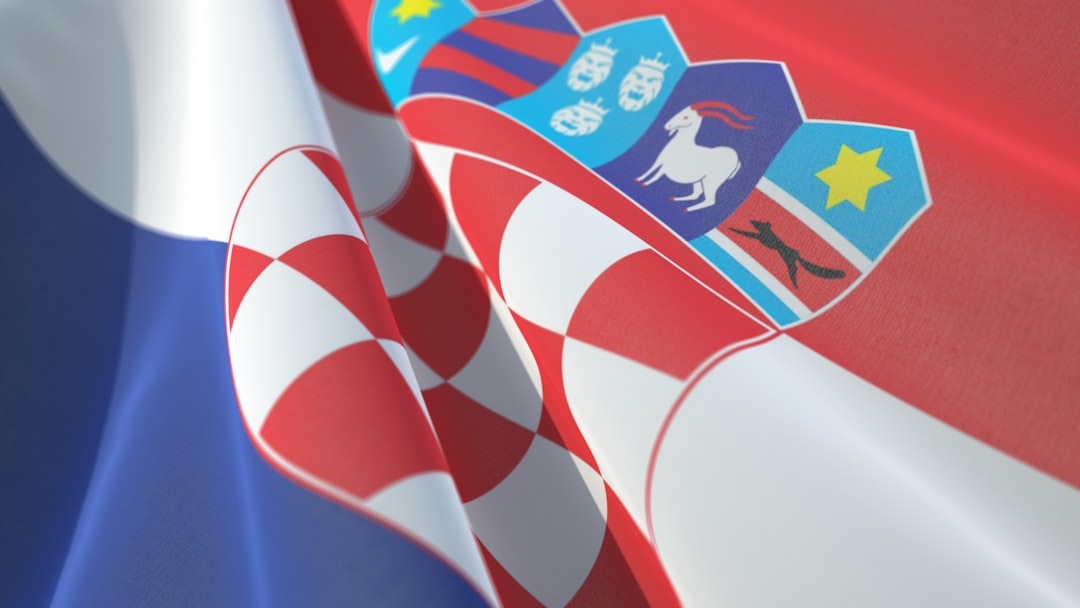
For Balkan countries, the expansion of the World Cup is a double-edged sword. Nations such as Serbia, Croatia, Greece, and North Macedonia have seen varying degrees of success in recent years. Croatia’s run to the final in 2018 and third place in 2022 demonstrated the region’s tactical prowess, while Serbia’s consistent presence in major tournaments highlights its deep talent pool. The increased number of European slots—from 13 to 16—means that Balkan teams have a slightly higher probability of qualifying. However, the European qualifying process remains fiercely competitive, with no guarantee of advancement regardless of the expanded field.
The Balkan region is known for producing technically skilled players who thrive in high-pressure environments. Clubs from the region, such as Rapid București, Partizan, and Olympiacos, serve as crucial development grounds for national team prospects. The physical demands of the 2026 tournament will be greater, with teams potentially playing three matches in the group stage over a longer period. Balkan coaches, renowned for their defensive organization and counter-attacking strategies, may find an advantage in this format, as fitness and tactical discipline become even more critical. The region’s ability to adapt to these changes will be a key indicator of its future success on the global stage.
Global Impact and Future of the Sport
Beyond the Balkans, the 2026 World Cup is reshaping the global football ecosystem. The increased number of matches provides more opportunities for emerging markets to engage with the sport, potentially driving growth in Africa, Asia, and South America. FIFA’s strategy is to maximize the tournament’s reach, leveraging the hosts’ large populations and robust media markets. The United States, in particular, is expected to drive significant commercial growth, with a focus on fan experience and technology integration. This expansion also places pressure on smaller federations to improve their infrastructure and youth development programs to compete at a higher level. The tournament’s success will depend on balancing commercial interests with the sporting integrity of the competition.
As the 2026 World Cup approaches, all eyes will be on how the new format affects the dynamics of international football. Will the expansion lead to more upsets, or will the traditional powerhouses maintain their dominance? For Balkan fans, the question is whether their teams can capitalize on the additional slots to secure a place in North America. The upcoming qualification campaigns will be critical, with every point carrying immense weight. The region’s rich footballing heritage, combined with its tactical innovation, positions it well for this new era. However, the increased physical and mental demands of the tournament will test the resilience of Balkan squads like never before. The 2026 World Cup is not just an event; it is a transformation of the sport’s global landscape, and the Balkans are poised to play a significant role in this unfolding story.



Comments