


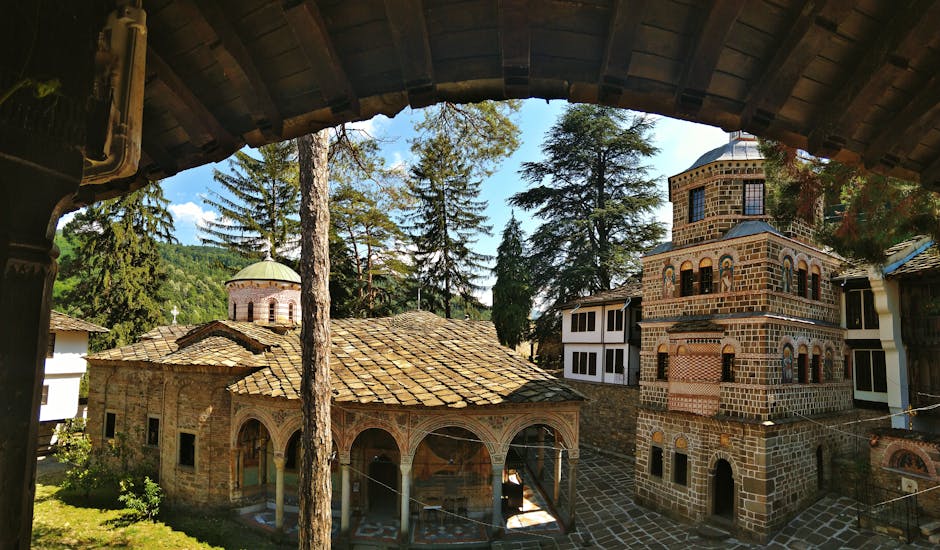
The rain in the Balkan Mountains doesn't fall; it attacks. I'm standing on a slick, muddy track near Teteven, my boots sinking into the gray slurry of a valley that feels less like a tourist destination and more like a geological accident. The air smells of wet pine and ancient stone. I'm not here for the ski slopes of Borovets or the grandeur of Sofia. I'm here because the maps show little dots labeled "monastery" clinging to vertical cliffsides, and I need to know if they're real or just folklore. A local shepherd, wrapped in a thick wool coat that has seen three decades, spits into the mud and points a crooked finger toward a sheer limestone wall. "Go," he says, not unkindly. "The rocks remember what the people forgot." It's a perfect, gonzo invitation. I grab my camera, check the lens cap, and start walking into the gray.
This isn't a polished heritage trail. There are no ticket booths, no gift shops selling plastic crosses, and certainly no guided tours with headsets. This is raw, rugged Bulgaria, where the medieval past isn't a museum exhibit but a structural reality. The monasteries of the Teteven region are carved directly into the rock face, a testament to a time when isolation was the highest form of devotion. If you're looking for comfort, turn back. If you're looking for the visceral weight of history, you're in the right place.
History & Identity
The Teteven Valley sits in the heart of the Central Balkans, a region that has served as a natural fortress for centuries. The rock-hewn monasteries here date back to the 10th and 11th centuries, a period of intense monastic activity in the First Bulgarian Empire. These weren't just places of worship; they were fortresses, libraries, and safe houses for monks fleeing persecution. The architecture is a brutalist masterpiece of necessity. The monks didn't build against the rock; they hollowed it out. Cells, churches, and bell towers are integral parts of the cliff face, protected by the sheer drop that deters invaders.
For centuries, these sites were abandoned, reclaimed by forests and silence. It was only in the late 20th century that serious restoration efforts began, led by a mix of state archaeologists and local Orthodox clergy. The identity of Teteven is tied to this rugged spirituality. The town itself is a gateway, a bustling hub of meat, music, and mountain air, but the valley's soul lies in these silent, stone-carved sanctuaries. They represent a Bulgarian resilience that is hard, unyielding, and deeply spiritual.
Where to Go
Gradishte Monastery — This is the crown jewel of the valley. Perched high on a rocky outcrop, it's a complex of rock-hewn cells and a restored church. The frescoes, though faded, are hauntingly beautiful. You have to climb a steep, rocky path to reach it, which filters out the casual tourists. The view from the terrace is expansive, looking out over the Teteven reservoir. Entry is free, but donations are appreciated. Go early in the morning to avoid the midday glare and catch the mist rising from the valley floor.
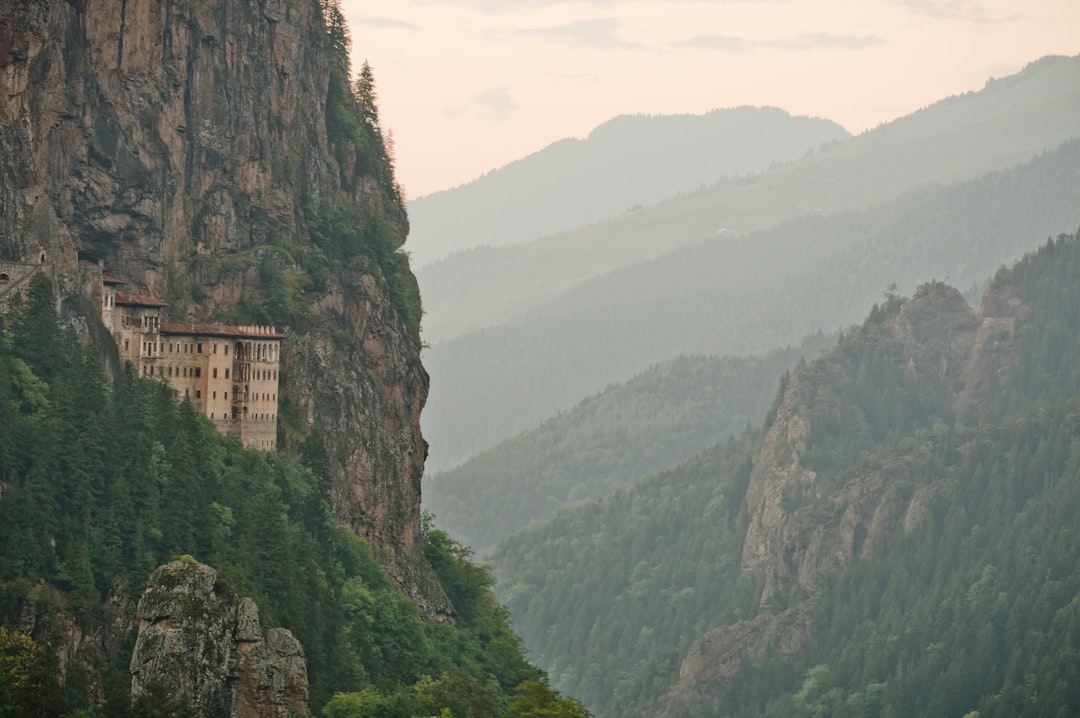
St. Archangel Michael Monastery — Located near the village of Yagodina, this monastery is less known but equally impressive. It's carved into a steep limestone cliff, with narrow passages that feel like a labyrinth. The atmosphere here is more secluded, almost eerie. It's a place for quiet contemplation. The hike to get here is moderate, requiring sturdy shoes. There are no facilities, so bring your own water. The silence here is absolute, broken only by the wind whistling through the rock cracks.
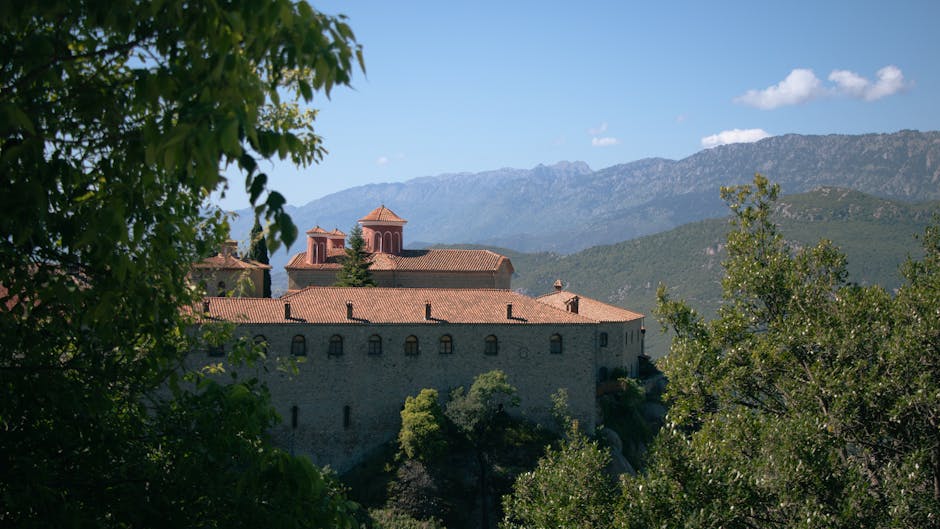
The Teteven Fortress — While not a monastery, the fortress ruins overlooking the town provide essential context. It was a strategic military point that protected the monastic routes. The ruins are extensive, with walls still standing several meters high. It's a short walk from the town center, making it an easy stop. The view from the top connects the military history with the spiritual history of the valley. It's free to access, and the path is well-trodden.
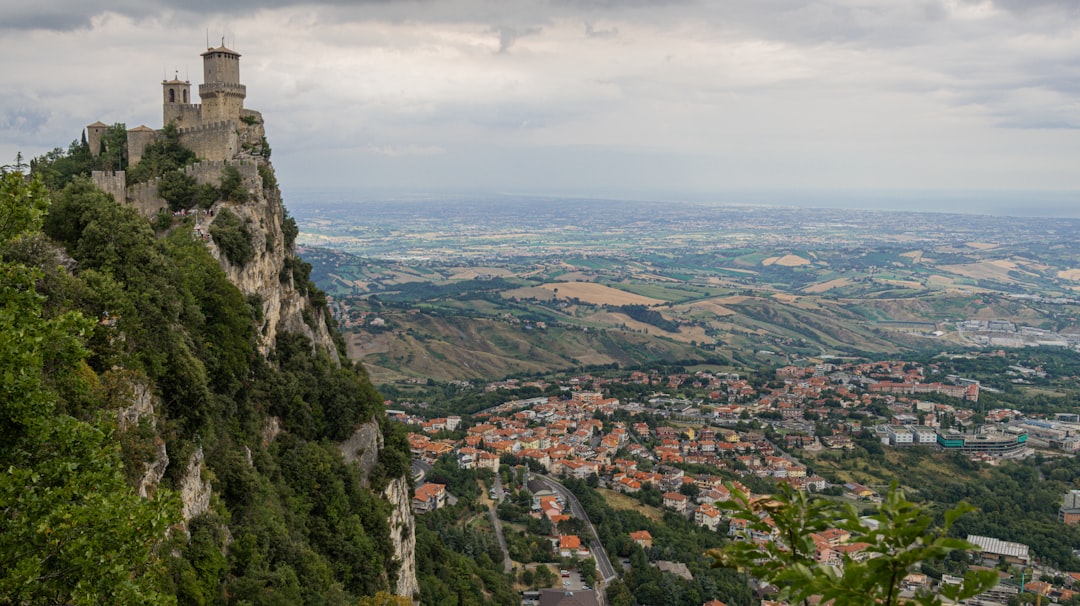
St. Nikola Monastery — Tucked away in the village of Stoykite, this is a smaller, more intimate site. It's a single rock-hewn church, beautifully preserved with intricate carvings around the entrance. It's often overlooked by travelers, which makes it a rewarding find. The locals are friendly and may share stories about the monks who lived here. It's a quick visit, but the craftsmanship is evident in every stone.
What to Eat & Drink
Teteven is famous for its meat, and for good reason. The local cuisine is hearty, designed to fuel mountain life. You're going to want calories after hiking up to these monasteries.
- Teteven Meat — A specialty of the town. It's a type of cured, smoked meat, often served in sandwiches or as a snack. Price: 5-8 EUR for a portion.
- Kachamak — A cornmeal porridge, often served with sour cream and cheese. It's comfort food at its simplest. Price: 4-6 EUR.
- Rakia — You cannot visit Bulgaria without drinking rakia. The local plum rakia is strong, clear, and cuts through the mountain chill. Price: 2-3 EUR per shot.
- Shop Salad — A refreshing mix of tomatoes, cucumbers, onions, and sirene cheese. Essential for balancing the heavy meat dishes. Price: 3-4 EUR.
For sit-down meals, head to the town center of Teteven. There are several traditional restaurants serving local dishes. Expect to pay 15-25 EUR per person for a meal with drinks. For budget travelers, there are small cafes and bakeries where you can grab a sandwich or a pastry for 2-4 EUR. The town market is also a good place to pick up local cheeses and meats for a picnic.
Getting There & What to Expect
Reaching Teteven is straightforward from Sofia. The town is located about 100 kilometers northeast of the capital. You can drive there in roughly 1.5 hours via the E80 highway. The road is well-maintained, but the final stretch into the valley can be narrow and winding. If you're taking a bus, there are regular services from Sofia's Central Bus Station, with a travel time of about 2 hours. The ticket costs around 5-7 EUR.
Once in Teteven, you'll need a car or a good pair of hiking boots to reach the monasteries. Some are accessible by road, but the best ones require a hike. The terrain is rugged, with rocky paths and steep inclines. It's not recommended for young children or those with mobility issues. Accommodation in Teteven ranges from budget guesthouses at 30-50 EUR per night to mid-range hotels at 60-100 EUR. The best time to visit is between May and October, when the weather is mild and the trails are dry.
Expect silence. Expect effort. Expect to feel small against the scale of the mountains and the history. This isn't a place for relaxation in the traditional sense. It's a place for reflection, for physical exertion, and for connecting with a past that is literally carved into the earth.
Search accommodation in Teteven on Booking.com →
The Rock Remembers
I sat on the edge of the cliff at Gradishte, my legs dangling over a drop that would make a lesser soul nauseous. The sun was setting, painting the limestone in shades of orange and purple. The wind was picking up, cold and sharp. I thought about the monks who had chiseled these cells out of the solid rock, hand over hand, year after year. They didn't do it for fame. They didn't do it for money. They did it because they believed that the rock was closer to God than the earth. And maybe they were right. In that moment, with the vastness of the Balkans stretching out before me, I felt a strange sense of peace. The rock remembered their faith, and for a few minutes, it let me in. I stood up, brushed the dust off my jeans, and walked back down the mountain. I had a train to catch, but I left a piece of myself up there, in the silence, with the monks.
Comments