


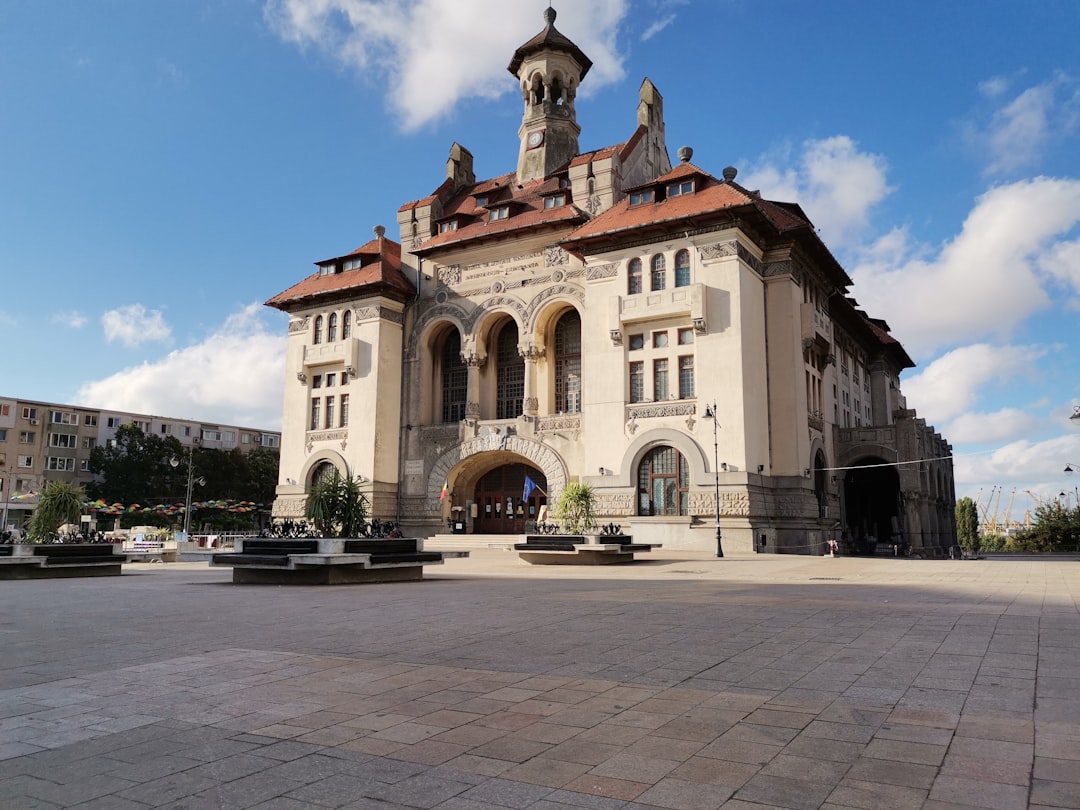
A violent collision between a heavy goods vehicle and local police officers in Constanta, Romania, has ignited a fierce national debate regarding law enforcement conduct and driver accountability. The incident, which occurred in the bustling port city, involved a truck driver who allegedly plowed through police lines, resulting in injuries to several officers. Initial statements from the driver, who claimed he did not understand what was happening and that he was in pain, have done little to calm public outrage. This event has thrust Constanta, a city often associated with Black Sea tourism and trade, into the spotlight for reasons far removed from its cultural heritage. The clash underscores broader tensions in Romania between commercial transport workers and state authorities, raising urgent questions about the use of force and the rights of drivers facing administrative or criminal checks.
The incident began when local police attempted to stop the truck for what authorities described as a routine check or violation. Instead of complying, the vehicle accelerated, striking multiple officers before coming to a halt. Witnesses reported chaos in the streets, with emergency services rushing to the scene to treat the injured police personnel. The driver was detained at the scene, but his initial confusion and claims of physical distress have complicated the narrative. Romanian media outlets, including Digi24, have highlighted the driver’s statement that he was incapacitated or confused, suggesting that the collision might not have been premeditated. This ambiguity has fueled speculation across social media platforms, with users divided between sympathy for the driver and condemnation of the act.
Background of Law Enforcement Tensions in Romania
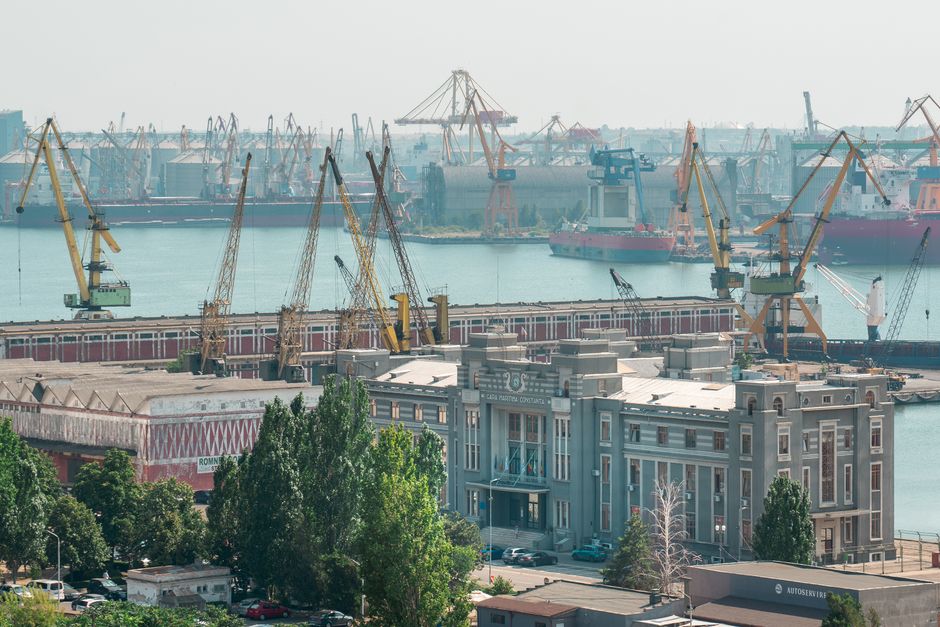
Constanta is a critical hub for Romania’s economy, serving as the main gateway for maritime trade on the Black Sea. The city’s infrastructure supports a high volume of heavy goods vehicles, which are essential for transporting goods from the port to the rest of Europe. However, this heavy traffic often leads to friction between drivers and authorities. Romanian police have faced criticism in recent years for aggressive tactics during traffic stops, a sentiment that resonates across the Balkans where similar issues plague countries like Bulgaria and Greece. The municipality of Constanta has seen periodic protests from trucking unions demanding better working conditions and fairer treatment by law enforcement. These tensions are not new; they have been simmering for years, fueled by allegations of corruption, arbitrary fines, and excessive use of force.
The current incident has reignited these old grievances. Driver advocacy groups in Romania have called for an independent investigation into the police conduct, arguing that the officers may have provoked the driver or failed to follow proper protocols. Conversely, police unions have defended their members, stating that the driver’s actions were reckless and endangered public safety. The Romanian Ministry of Internal Affairs has launched a preliminary inquiry, but the outcome remains uncertain. This case mirrors similar incidents in neighboring countries, such as Serbia and Bulgaria, where truck drivers have clashed with authorities over border controls and safety checks. The regional nature of this conflict highlights the need for standardized procedures and better communication between law enforcement and commercial drivers across the Balkans.
Significance and Impact on Regional Public Safety
The crash in Constanta has broader implications for public safety and legal accountability in Romania. If the driver is found guilty of intentional harm or reckless endangerment, it could set a precedent for how similar cases are handled in the future. However, if evidence supports his claim of confusion or medical distress, the outcome could shift the blame toward the police for failing to de-escalate the situation. This duality makes the case a potential landmark in Romanian jurisprudence. Legal experts argue that the incident exposes gaps in training and protocol for both drivers and police officers. The lack of clear guidelines for handling non-compliant drivers in high-stress situations can lead to tragic outcomes, as seen in Constanta.
Furthermore, the incident has drawn attention to the mental and physical health of commercial drivers. Long hours, poor sleep, and high stress are common in the trucking industry, often leading to medical emergencies on the road. The driver’s claim of being in pain raises the possibility that he suffered a health crisis, such as a heart attack or stroke, which impaired his ability to control the vehicle. This angle is significant because it shifts the focus from criminal intent to occupational health and safety. If this theory is proven, it could prompt regulatory changes in Romania and across the Balkans, requiring better health monitoring for professional drivers. The Romanian government has been under pressure to improve labor conditions for transport workers, and this incident may accelerate those efforts.
The Balkan Angle: Cross-Border Implications
The events in Constanta resonate deeply within the Balkan region, where transport corridors are vital for economic integration. Constanta’s port is a key node in the Corridor VII, a major European transport route that links the Black Sea to Central Europe. Disruptions or conflicts in this area affect logistics across Romania, Bulgaria, Serbia, and beyond. The incident has sparked discussions among Balkan transport unions about the need for regional cooperation to protect drivers’ rights and ensure fair treatment by authorities. Similar clashes have occurred in Croatia and North Macedonia, where drivers have protested against perceived abuses of power. The Constanta case serves as a reminder that these issues are not isolated but part of a broader regional challenge.
Moreover, the incident has highlighted the importance of cross-border legal harmonization. As trucks move freely between Balkan countries, inconsistencies in law enforcement practices can lead to confusion and conflict. Drivers may face different rules and expectations in each country, increasing the risk of misunderstandings. The European Union has been pushing for greater standardization in transport regulations, but progress has been slow. The Constanta crash could serve as a catalyst for renewed efforts to align policies and improve communication between authorities and drivers. For the Balkan audience, this story is not just about one incident in one city; it is a reflection of systemic issues that affect the entire region’s transport sector and public safety.
As the investigation unfolds, the eyes of the Balkans are on Constanta. The outcome of this case will likely influence how similar incidents are handled in the future, both in Romania and across the region. Public attention remains high, with protests and counter-protests expected in the coming days. For citizens and drivers alike, the stakes are high. The resolution of this conflict could either strengthen trust between law enforcement and the transport community or deepen existing divides. Watch for official statements from the Romanian Ministry of Internal Affairs and reactions from international transport unions, as they will shape the narrative moving forward. This story underscores the delicate balance between security and rights, a challenge that continues to define modern Balkan society.



Comments