


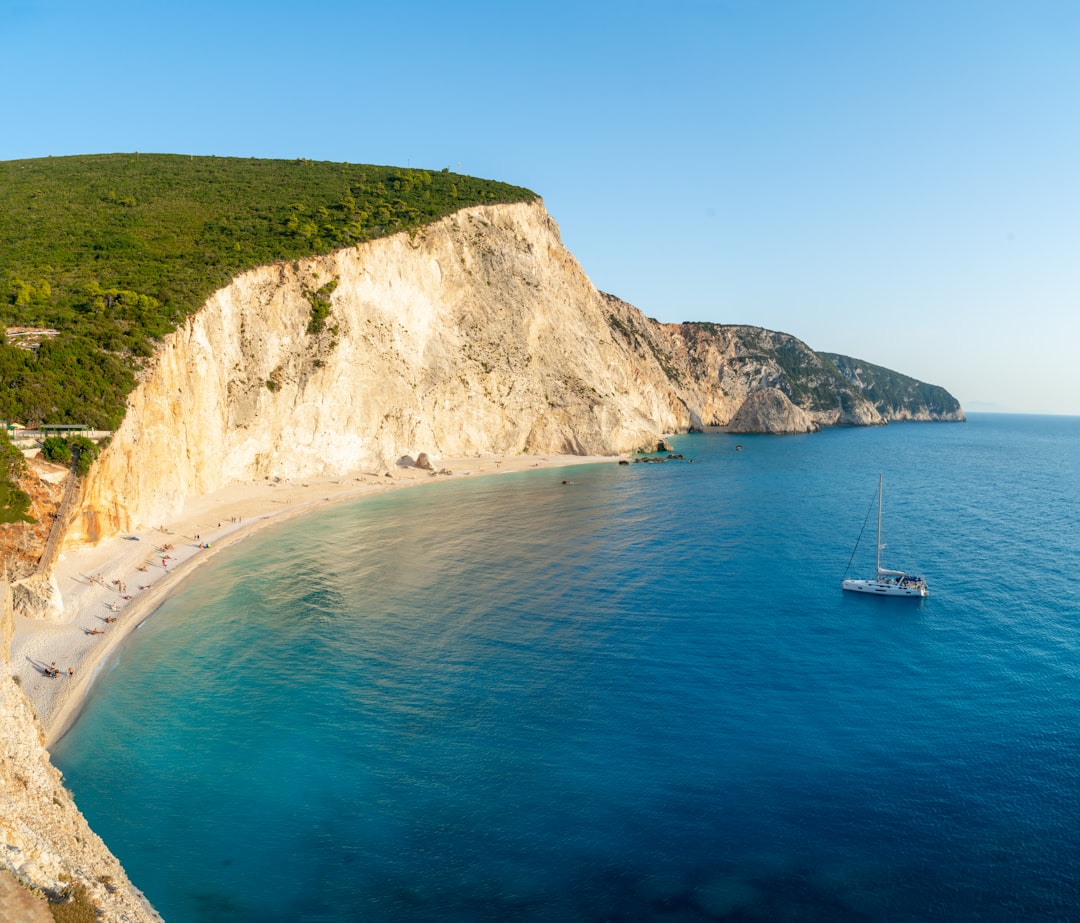
The sun hits the Aegean Sea at a specific angle in late August, turning the water into a sheet of hammered silver that makes your eyes water just looking at it. I was sitting on a plastic chair in Chania, watching a group of locals argue passionately over a game of backgammon while the smell of frying calamari and diesel fumes from passing ferries mixed in the hot air. This isn't the sanitized Greece of the postcards; it's the real deal, raw and vibrant. I've spent weeks hopping between islands, chasing the perfect balance of crystal-clear water, good food, and a vibe that doesn't feel like a theme park. Here is the truth about where to go this summer, stripped of the fluff.
Forget the overcrowded hotspots where you pay 10-15 EUR just to rent a towel. The best beaches in Greece are found by those willing to drive a few extra kilometers or take a slightly longer ferry ride. From the volcanic black sands of the Aegean to the turquoise lagoons of the Ionian, each destination offers a distinct flavor. I've picked the spots that delivered the most impact, the best value, and the most authentic Greek experience.
The Ionian Jewel: Zakynthos
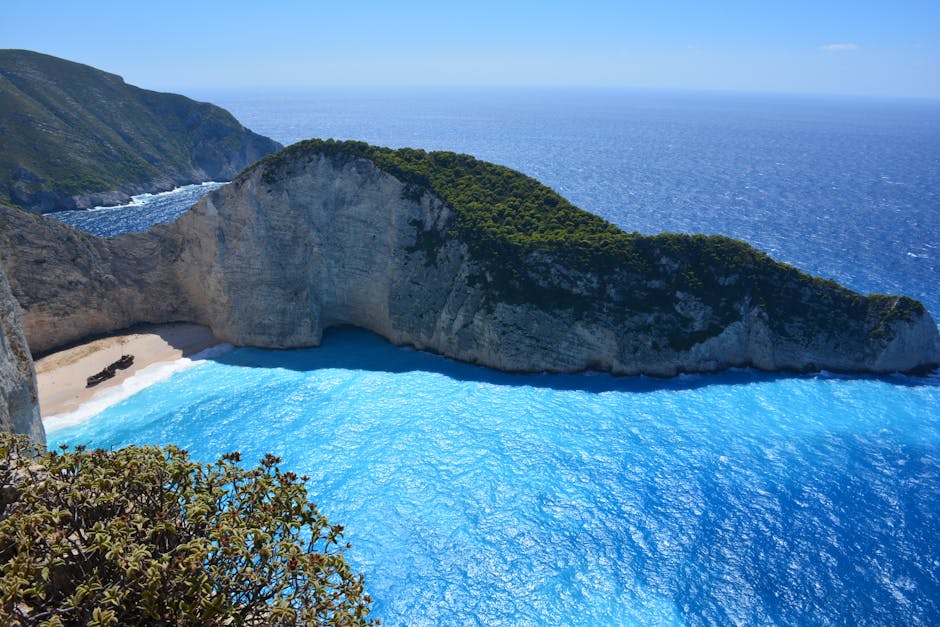
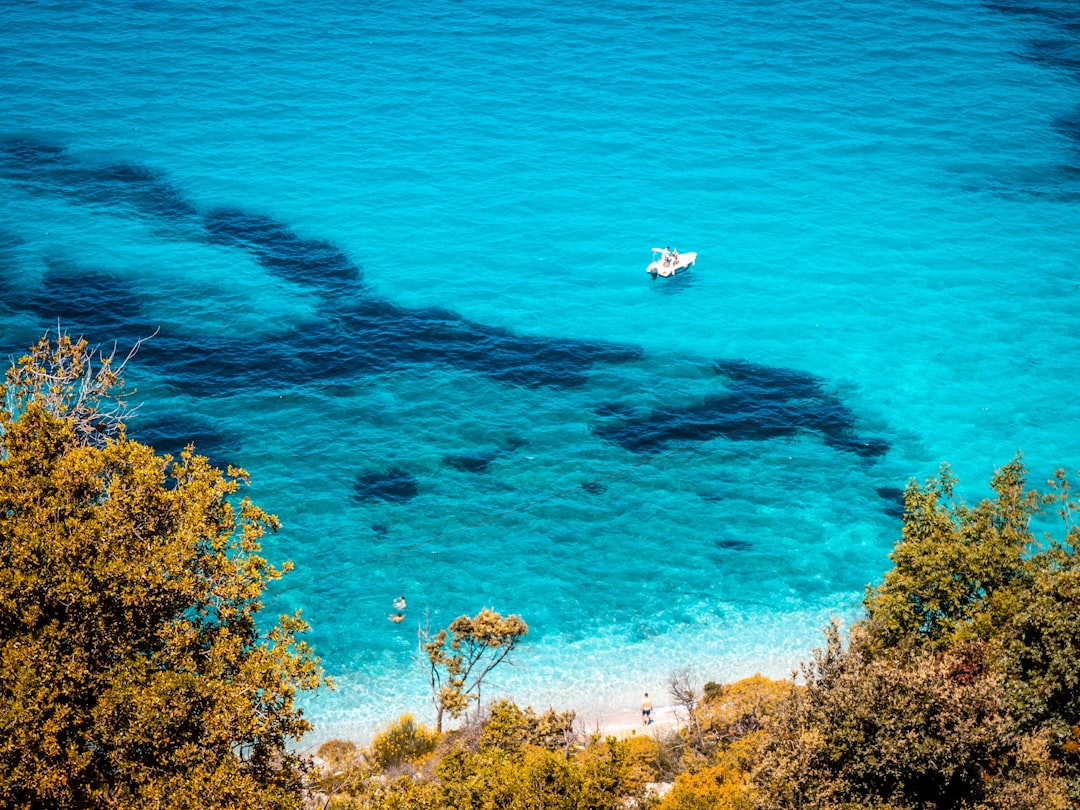
Zakynthos is often dismissed by travelers who only know the famous shipwreck, but the island has far more to offer. The southern coast is a playground of wind-swept beaches and dramatic cliffs. Navgagiou Beach is the standout here. It's a long stretch of pebbles and sand backed by towering cliffs, creating a natural amphitheater. The water is a shocking shade of turquoise, almost unreal. It's popular, but because the beach is so large, you can find space. The wind, however, is a constant companion, making it perfect for kitesurfing and adding a refreshing breeze to the midday heat.
Just a short drive north is Gerakas Beach, a quieter alternative with similar beauty but fewer crowds. The water here is calmer, ideal for swimming and snorkeling. The surrounding landscape is rugged and undeveloped, giving you a sense of isolation despite being on one of the more visited islands. Renting a car is essential here, as the beaches are spread out and public transport is limited. The local tavernas serve fresh seafood at reasonable prices, usually around 15-25 EUR for a main course, far cheaper than the tourist traps near the port.
The Volcanic Drama: Santorini
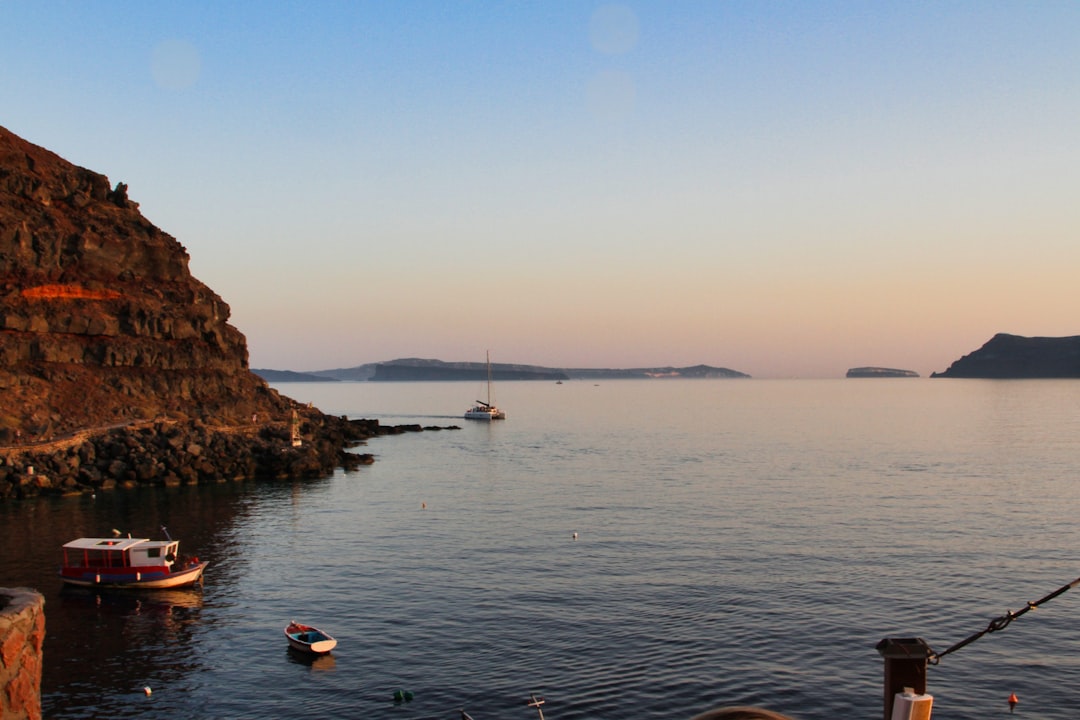
Santorini is expensive, there's no denying it. But the beaches here are unlike anywhere else in the Mediterranean. The volcanic origin of the island gives the sand and pebbles unique colors: red, black, and white. Red Beach is the most famous, with its dramatic red cliffs plunging into the sea. It can get crowded, but the scenery is undeniably striking. The water is deep and clear, perfect for diving. However, for a more authentic experience, head to Kamari Beach. This long stretch of black sand is lined with hotels and restaurants, making it convenient and lively. The black pebbles heat up in the sun, so bring water shoes, but the view of the volcano across the caldera is worth it.
For a more secluded experience, Perissa Beach offers a similar black sand beach but with a more relaxed vibe. The water here is calmer, and there are plenty of beach bars serving cold drinks and simple meals. The sunset views from the southern end of the beach are spectacular, drawing crowds who come to watch the sun dip below the horizon. Accommodation in Santorini is pricey, with budget hotels starting around 80-120 EUR per night, but the unique landscape and vibrant atmosphere make it a must-visit for at least a few days.
The Party Capital: Mykonos
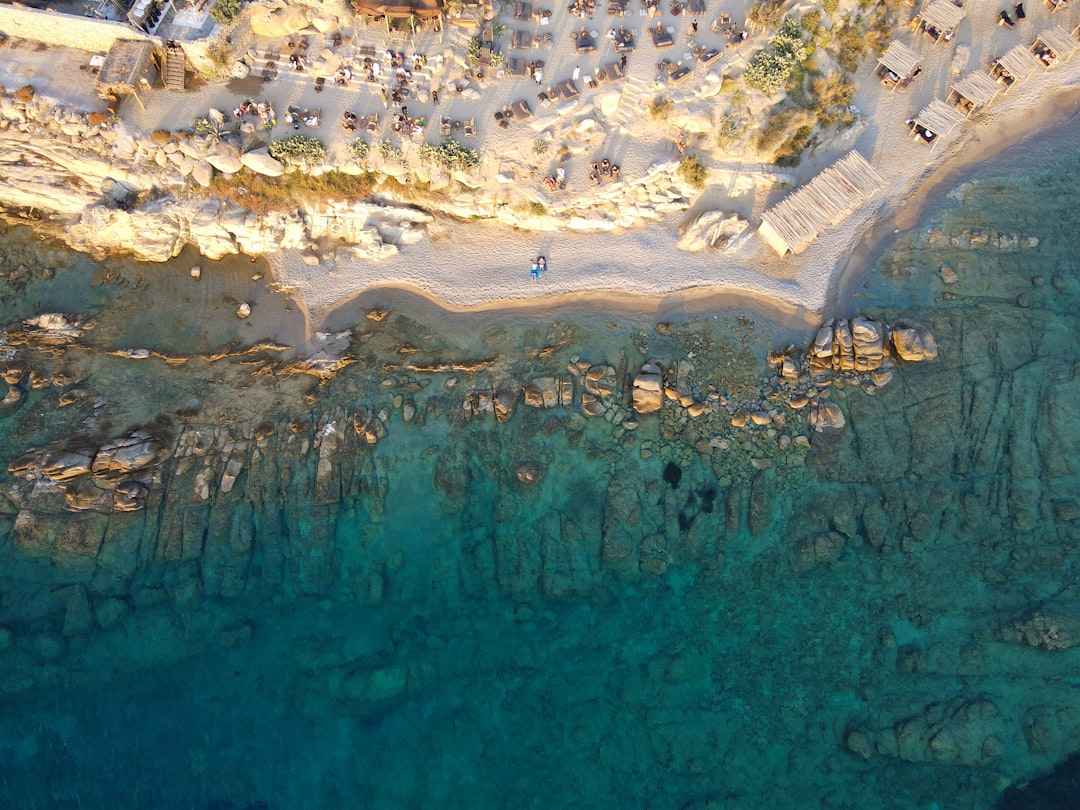
Mykonos is known for its nightlife, but the beaches are equally impressive. Paradise Beach and Super Paradise Beach are the epicenters of the island's party scene, with beach clubs blasting music from sunrise to sunset. It's loud, it's energetic, and it's expensive. A cocktail can cost 12-15 EUR, and sunbed rentals are pricey. But if you're looking for a high-energy experience, this is the place. The beaches are large, with plenty of sand and shallow water, making them popular with families and party-goers alike.
For a quieter alternative, Ornos Beach is a good choice. It's close to Mykonos Town, with a more relaxed atmosphere and plenty of tavernas serving traditional Greek food. The water is clear and calm, ideal for swimming and snorkeling. Agios Sostis Beach is another hidden gem, located in the southern part of the island. It's a long stretch of sand and pebbles, with a few tavernas and minimal crowds. The wind can be strong here, making it popular with windsurfers. Accommodation in Mykonos is among the most expensive in Greece, with budget options starting around 100-150 EUR per night, but the vibrant nightlife and beautiful beaches make it a popular choice for summer travelers.
The Authentic Escape: Crete
Crete is the largest Greek island, and it offers a diverse range of beaches to suit every taste. Elafonisi Beach is famous for its pink sand and shallow, turquoise waters. It's a short boat ride from Chania, but can also be reached by car. The beach is large and often crowded, but the beauty of the landscape makes it worth the visit. The pink sand is a result of crushed coral and shells, giving it a unique color and texture. The water is calm and warm, perfect for swimming and relaxing.
For a more rugged experience, Balos Lagoon is a must-visit. It's a remote lagoon on the northwest tip of Crete, accessible by boat or a challenging hike. The water is a stunning shade of blue, and the white sand beach is surrounded by dramatic cliffs. It's a bit of a trek, but the scenery is breathtaking. Plaka Beach near Agios Nikolaos is another excellent option, with golden sand and clear waters. It's less crowded than Elafonisi and offers a more relaxed atmosphere. Crete offers a wide range of accommodation options, from budget guesthouses around 40-60 EUR per night to luxury resorts, making it accessible for all types of travelers.
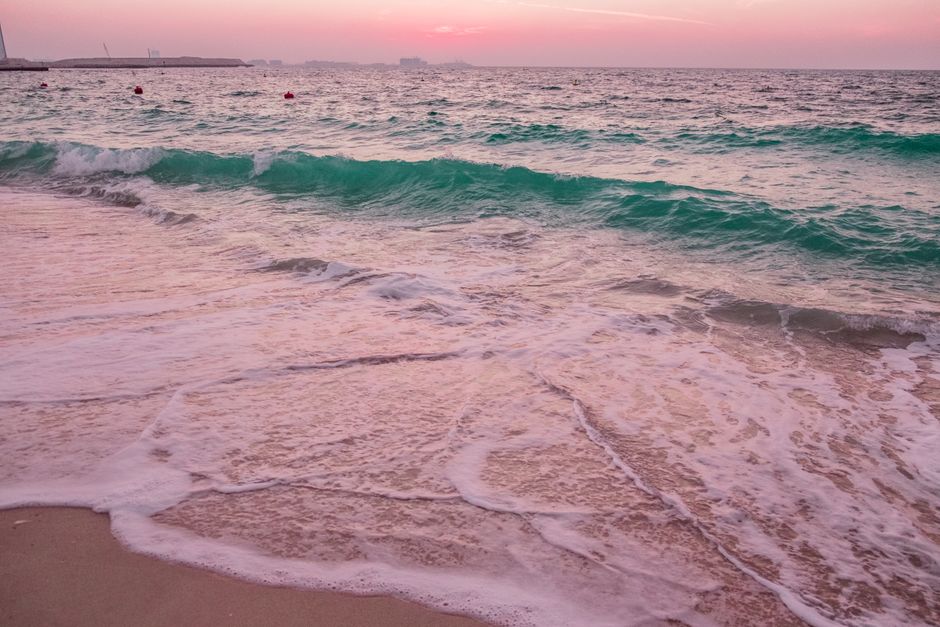
The Ionian Retreat: Corfu
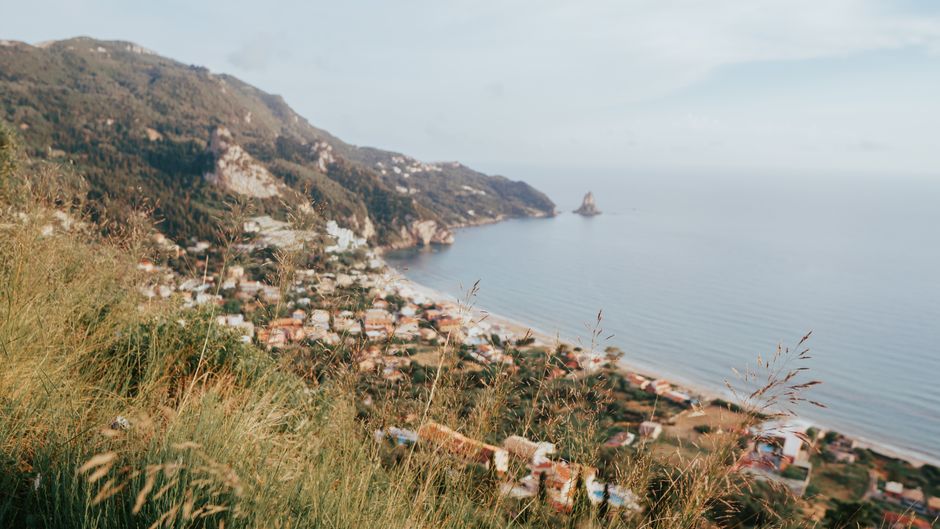
Corfu is a lush, green island with a mix of sandy beaches and rocky coves. Agios Gordios Beach is one of the most popular, with its golden sand and shallow, clear waters. It's close to Corfu Town, making it convenient for day trips. The beach is lined with tavernas and cafes, offering a range of food and drink options. The water is calm and warm, perfect for swimming and snorkeling. Kapodria Beach is another excellent choice, with its pebbly shore and clear waters. It's less crowded than Agios Gordios and offers a more relaxed atmosphere. The surrounding landscape is rugged and undeveloped, giving you a sense of isolation.
For a more secluded experience, Canali Beach is a hidden gem. It's a long stretch of sand and pebbles, with a few tavernas and minimal crowds. The water is clear and calm, ideal for swimming and relaxing. Corfu offers a wide range of accommodation options, from budget guesthouses around 30-50 EUR per night to luxury resorts, making it accessible for all types of travelers. The island's lush landscape and rich history make it a perfect destination for a summer escape.
Getting There & What to Expect
Reaching these islands requires some planning. Most international travelers fly into Athens or Thessaloniki, then take domestic flights or ferries to the islands. Ferries are the most scenic option, but can be time-consuming. For example, a ferry from Athens to Santorini can take up to 8 hours, while a flight takes just 45 minutes. Budget airlines like Ryanair and EasyJet offer cheap flights to major Greek airports, often starting from 30-50 EUR one way if booked in advance.
Once on the islands, renting a car or scooter is the best way to get around. Car rentals start around 30-50 EUR per day, while scooter rentals are cheaper, around 15-25 EUR per day. Public transport is limited on most islands, so having your own vehicle is essential for exploring the beaches. Accommodation prices vary widely depending on the island and season. Budget options start around 30-50 EUR per night, while mid-range hotels cost 80-120 EUR per night. Luxury resorts can cost 200-500 EUR per night or more.
The best time to visit Greece is from May to October. July and August are the hottest and most crowded months, but also offer the best weather for beach-going. May and June are slightly cooler and less crowded, making them ideal for those who prefer a more relaxed atmosphere. September and October are also good options, with warm weather and fewer tourists. Pack light, breathable clothing, sunscreen, and water shoes for the rocky beaches. And don't forget to try the local food and drink; Greece has some of the best cuisine in the Mediterranean.
Search accommodation in Athens on Booking.com →
The Last Sip of Ouzo
As the sun sets over the Aegean, the air fills with the scent of jasmine and grilled octopus. I sat on a rooftop in Rhodes, watching the last light fade behind the Acropolis of Lindos, a glass of ouzo sweating in my hand. The day had been a blur of salt, sand, and sun, but this moment was pure. Greece isn't just about the beaches; it's about the rhythm of life here, slow and deliberate, punctuated by laughter and the clinking of glasses. You come for the water, but you stay for the soul. And when you finally leave, you'll carry a piece of it with you, like a grain of sand stuck to your skin, long after you've washed off the salt.
Comments