


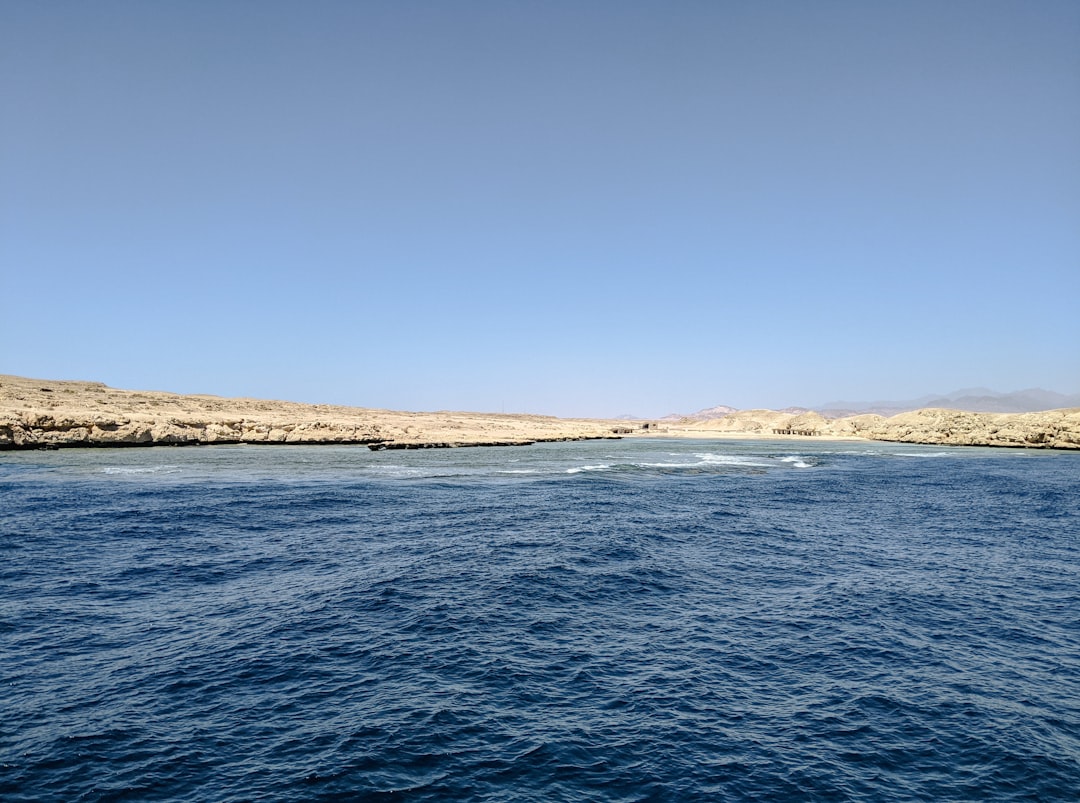
The Strait of Hormuz has once again become the focal point of global anxiety, as escalating diplomatic friction between Iran and Western powers threatens to disrupt one of the world's most vital maritime chokepoints. Recent reports indicate a significant increase in naval posturing and diplomatic rhetoric, raising fears that a miscalculation could lead to a disruption in global energy supplies. For audiences in the Balkans and across Europe, this development is not merely a distant geopolitical abstraction but a direct threat to energy security and economic stability. The region, heavily reliant on imported hydrocarbons, watches closely as the potential for a supply shock looms larger than at any point in recent years.
The strait, a narrow waterway between Oman and Iran, serves as a critical artery for global commerce. Approximately 21 million barrels of crude oil pass through this corridor daily, representing roughly 20% of the world's total oil consumption. Additionally, it is a key route for liquefied natural gas (LNG) exports from Qatar and other Persian Gulf states. Any significant interference with shipping lanes here would send shockwaves through international markets, driving up prices for fuel and electricity. For Balkan nations like Romania, Bulgaria, and Serbia, which are still integrating their energy markets with broader European networks, such a disruption would have immediate and tangible consequences for household budgets and industrial output.
Escalating Diplomatic and Military Tensions
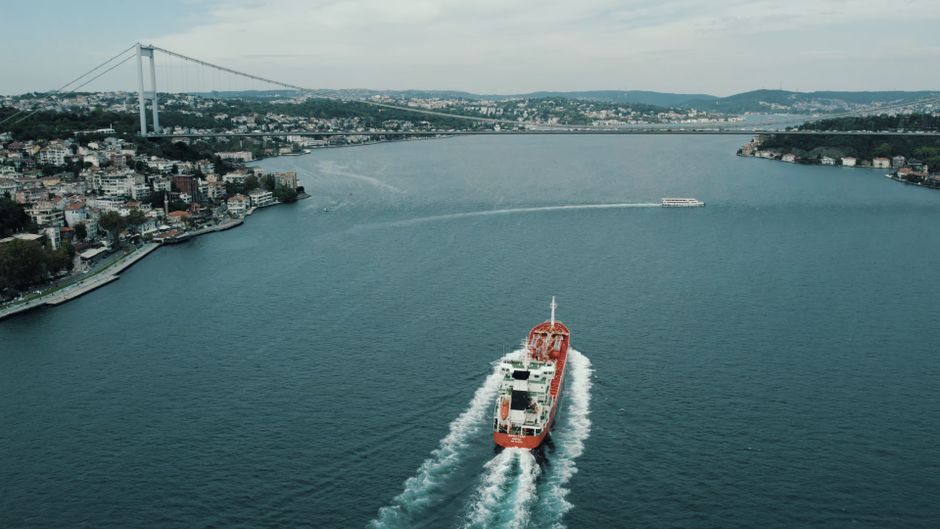
The current spike in tension stems from a complex web of unresolved nuclear negotiations and regional proxy conflicts. Iran has repeatedly threatened to close the strait if it faces severe sanctions or military aggression, a capability it has demonstrated through its control of the northern shoreline. Recent diplomatic maneuvers, including stalled talks regarding Iran's nuclear program, have hardened positions on both sides. Western nations, led by the United States and its European allies, have deployed additional naval assets to the region to deter Iranian aggression and protect commercial shipping. This standoff creates a volatile environment where a minor incident could rapidly spiral into a broader conflict.
The diplomatic landscape is further complicated by shifting alliances and internal political pressures within key states. In the United States, political discourse surrounding foreign policy and potential cease-fire agreements influences the tone of engagement with Tehran. Meanwhile, European leaders are caught between the need to maintain stability in global energy markets and the desire to uphold strict non-proliferation standards. The Strait of Hormuz thus becomes not just a geographical feature but a bargaining chip in high-stakes diplomacy. Analysts warn that the rhetoric of closure is often a negotiating tactic, but the risk of accidental escalation remains high given the density of military presence in the waters.
Commercial shipping companies are already adjusting their strategies in response to the heightened risk. Insurance premiums for vessels transiting the strait have risen, and some carriers are rerouting shipments through longer, more expensive alternatives. This logistical adjustment adds further pressure on global supply chains, which are still recovering from previous disruptions. The uncertainty surrounding the strait's security status forces businesses to factor in potential delays and cost increases, contributing to inflationary pressures that are felt far beyond the Middle East.
Impact on Balkan Energy Security and Economy
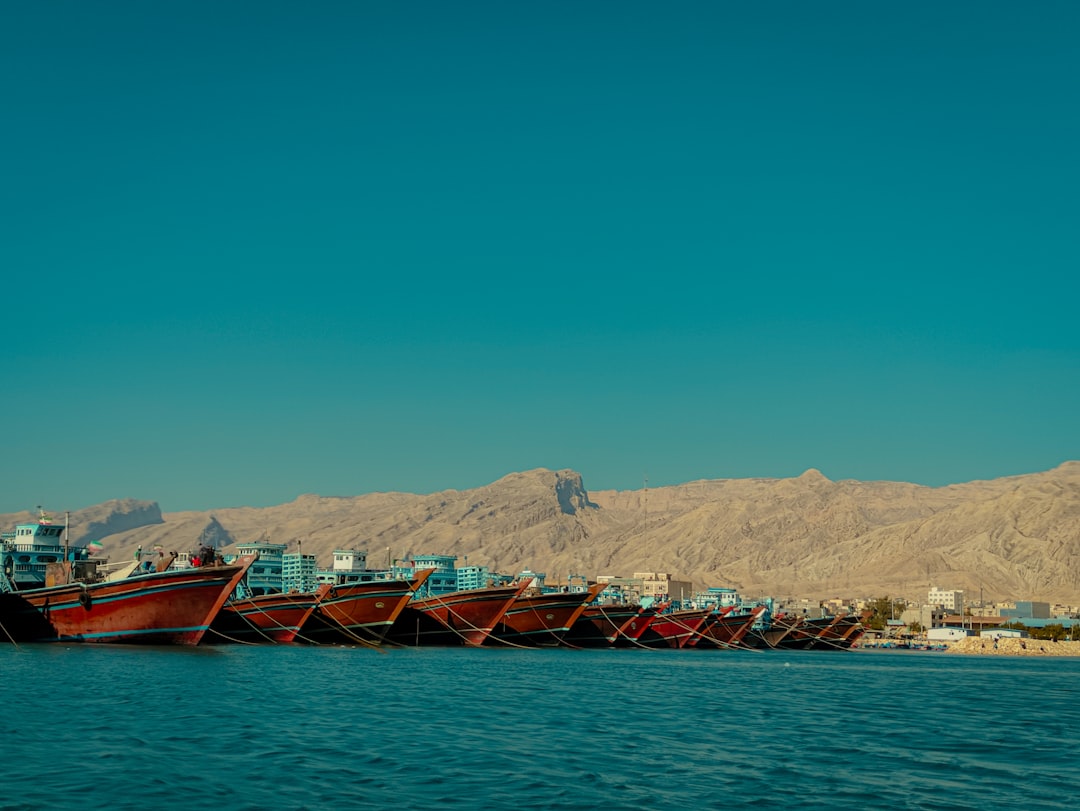
The Balkan region's vulnerability to disruptions in the Strait of Hormuz is rooted in its energy infrastructure and dependency patterns. Countries like Greece and Turkey serve as critical energy hubs for Europe, with pipelines and LNG terminals that facilitate the flow of resources from the East to the West. A closure or significant slowdown in the strait would directly impact the availability of LNG at terminals such as those in Kavala and Alexandroupolis. This scarcity would drive up spot prices for natural gas, forcing Balkan nations to compete fiercely for limited supplies in the open market.
For landlocked Balkan states like Serbia, North Macedonia, and Bosnia and Herzegovina, the impact is transmitted through their neighbors and regional energy networks. These countries rely on imported gas and electricity, often sourced via transit through Croatia, Hungary, or Romania. A surge in global energy prices would strain national budgets, potentially leading to higher subsidies for consumers or increased inflation. The European Union's efforts to diversify energy sources away from Russian gas have increased reliance on global LNG markets, making the Balkans more sensitive to disruptions in key maritime chokepoints like the Hormuz.
Furthermore, the economic implications extend beyond energy costs. Higher fuel prices increase transportation costs for goods, affecting the competitiveness of Balkan exports. Industries that are energy-intensive, such as metallurgy and chemicals, would face higher production costs, potentially leading to reduced output or job losses. The region's ongoing economic reforms and efforts to attract foreign investment could be hampered by the uncertainty associated with volatile energy prices. Policymakers in the Balkans are therefore closely monitoring developments in the Middle East, recognizing that stability in the Strait of Hormuz is essential for regional economic prosperity.
Future Outlook and Strategic Implications
Looking ahead, the situation in the Strait of Hormuz remains fluid and highly sensitive to diplomatic developments. The outcome of ongoing nuclear negotiations and regional security dialogues will determine whether tensions de-escalate or intensify. Military exercises and naval deployments are likely to continue, reflecting the strategic importance both sides place on the waterway. For the international community, the challenge lies in balancing the need for security with the imperative of keeping global trade routes open. Diplomatic channels must remain active to prevent misinterpretations and reduce the risk of accidental conflict.
For Balkan audiences, the key takeaway is the interconnectedness of global energy markets. The region's energy security is inextricably linked to stability in the Middle East, underscoring the need for diversified energy strategies and robust regional cooperation. Investments in renewable energy and energy efficiency can help mitigate the impact of future supply shocks, reducing dependency on volatile fossil fuel markets. Additionally, strengthening regional energy interconnections can enhance resilience, allowing countries to support each other during periods of scarcity.
As the geopolitical landscape continues to evolve, the Strait of Hormuz will remain a critical flashpoint. The actions of key players in the coming months will shape the security and economic outlook for the Middle East and its ripple effects across Europe and the Balkans. Monitoring diplomatic efforts and military movements in the region will be essential for understanding the potential risks to global energy supplies. For policymakers and citizens alike, staying informed about these developments is crucial for navigating the uncertainties of an increasingly interconnected world.



Comments