



The footballing world is fixating on the upcoming encounter between South Korea and the Czech Republic, a matchup that promises to be as tactical as it is physical. This fixture is not merely a routine international match; it represents a collision of two distinct footballing philosophies. South Korea, a powerhouse in Asian football, brings relentless energy, technical precision, and a squad filled with players competing in Europe's top leagues. The Czech Republic, historically one of Central Europe's most consistent performers, offers a blend of physical dominance, tactical discipline, and a rich tradition of producing world-class talent. For Balkan audiences, particularly in the Czech Republic's neighboring regions and among football enthusiasts across the continent, this game serves as a barometer for the shifting dynamics of international football.
The stakes are high, and the narrative is compelling. South Korea has evolved from a team known primarily for its work rate into a sophisticated unit capable of dismantling top-tier defenses. The Czech Republic, meanwhile, is in a transitional phase, looking to rebuild its identity after the retirement of some of its legendary figures. This match is a chance for both nations to assert their relevance on the world stage. The outcome will likely influence perceptions of each team's strength heading into major tournaments, including the upcoming 2026 FIFA World Cup qualifiers and friendlies. The intensity of this rivalry, though perhaps not historical in the traditional sense, is forged in the crucible of modern competitive football.
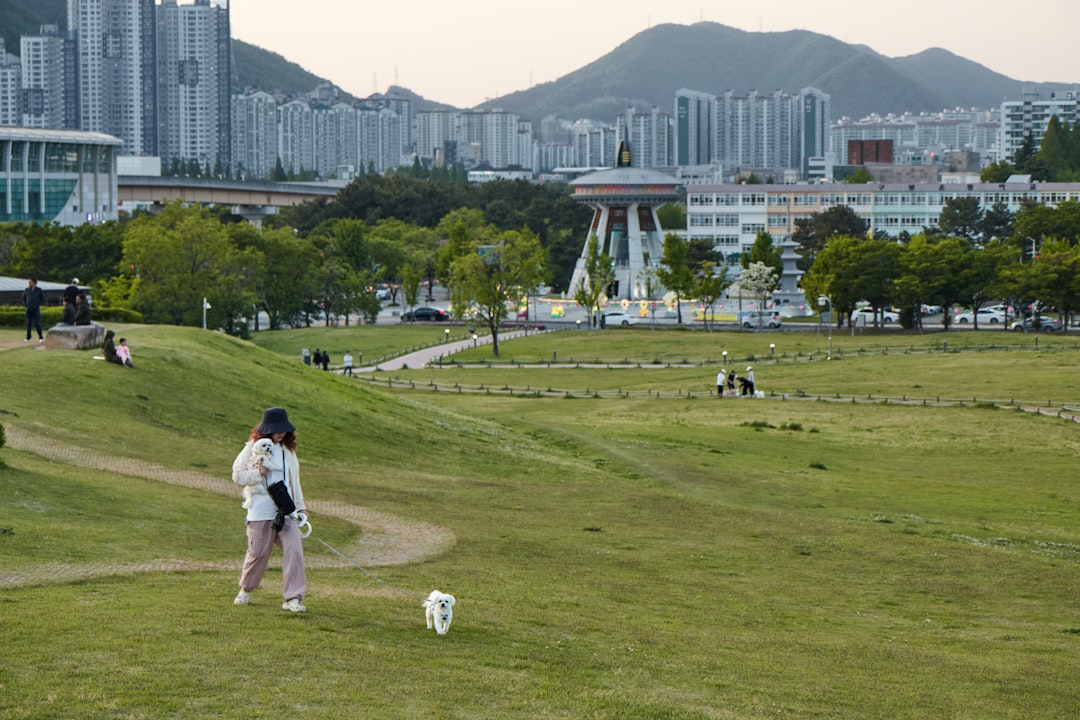
South Korea's Rise: Speed, Skill, and European Influence
South Korea's national team has undergone a remarkable transformation in recent years. No longer just a team that relies on endurance, they have become a side that controls games through quick passing and high pressing. The core of this success lies in the number of South Korean players who are now key figures in top European clubs. Son Heung-min, the captain and star striker, continues to be a global icon, playing at the highest level in the English Premier League. His leadership and finishing ability are vital to South Korea's attack. Alongside him, players like Kim Min-jae and Hwang Hee-chan bring defensive solidity and pace, respectively, having proven themselves in the Bundesliga and Premier League.
The tactical approach of South Korea is aggressive and proactive. They press high up the pitch, looking to win the ball back quickly and transition into attack with speed. This style requires immense physical fitness and technical skill, both of which the Korean squad possesses in abundance. The team's cohesion is built on years of playing together in domestic and international competitions, as well as sharing club experiences in Europe. This familiarity allows them to execute complex tactical instructions with precision. For the Czech Republic, containing this speed and movement will be a significant challenge, requiring a disciplined defensive structure and the ability to break up the rhythm of the Korean play.
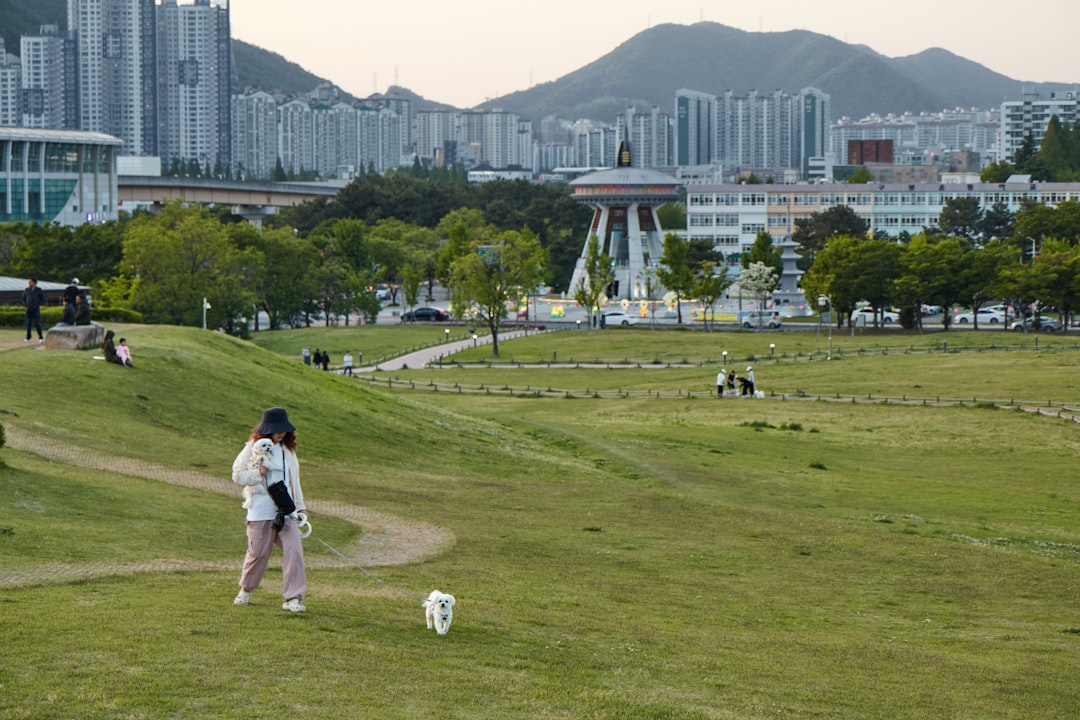
The Czech Republic: Tradition, Power, and Tactical Discipline
The Czech Republic has a proud footballing history, having reached the final of the 1998 World Cup and winning the Euro 2004 championship. While they may not have replicated that level of success in recent years, they remain a dangerous opponent. The Czech style of play is often characterized by physical strength, aerial dominance, and tactical intelligence. They are a team that is comfortable playing both on the counter-attack and in possession, often using long balls to exploit spaces behind the defense. This direct approach can be highly effective against teams that press high, as it can bypass the midfield and create one-on-one opportunities for their forwards.
Key players for the Czech Republic include Petr Čech's successors in goal and a midfield anchored by experienced players who have played in top European leagues. The team is known for its resilience and ability to grind out results, even when not playing at their best. The Czech Republic's defense is typically well-organized and difficult to break down, relying on strong center-backs who are comfortable in the air and good at tackling. However, they can sometimes lack creativity in the final third, relying on individual brilliance from their attacking players to create chances. This lack of consistency in front of goal has been a recurring issue for the Czech team in recent years.
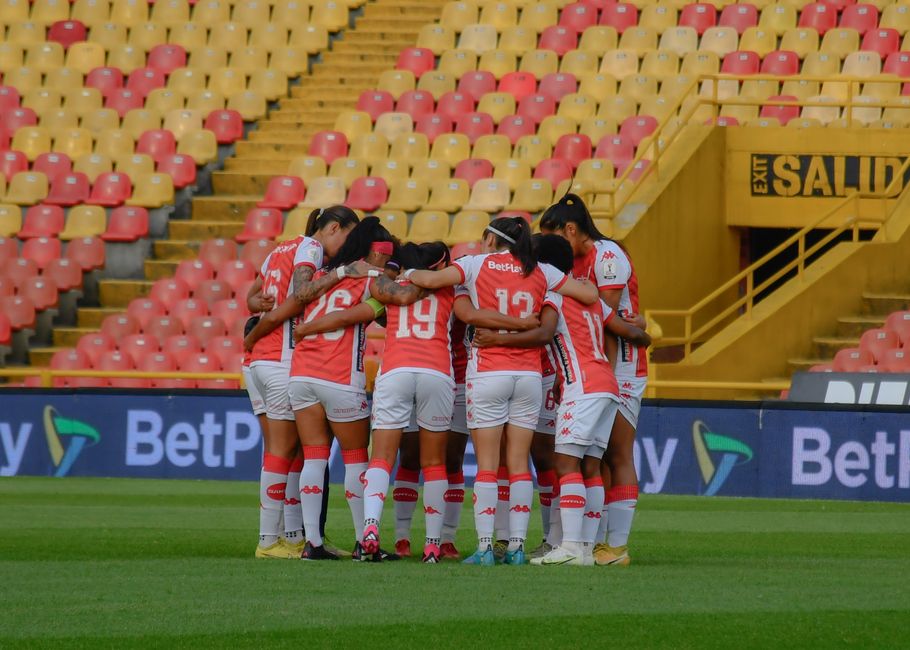
Key Battles and Tactical Matchups
One of the most intriguing aspects of this match is the battle between South Korea's speed and the Czech Republic's physicality. The Korean wingers will be looking to exploit the spaces behind the Czech full-backs, using their pace to get into dangerous positions. The Czech Republic must be disciplined in their defensive positioning, ensuring that they do not get caught out of position by the Korean attacks. The midfield battle will also be critical, with both teams looking to control the tempo of the game. South Korea's midfielders are known for their technical ability and vision, while the Czech midfielders are strong in the air and good at breaking up play.
Another key matchup is between the goalkeepers and the strikers. Kim Seung-gyu or the starting goalkeeper for South Korea will need to be sharp to deal with the Czech Republic's aerial threats and set-pieces. Conversely, the Czech goalkeeper must be ready to deal with the quick combinations and individual skill of the Korean attackers. The set-pieces could also be decisive in this match, as both teams have players who are good at delivering the ball into the box. The ability to win corners and free-kicks in dangerous areas could provide the edge to one of the teams.
Balkan Context and Regional Interest
While this match may not have a direct historical connection to the Balkans, it holds significant interest for fans in the region. The Czech Republic is a neighbor to several Balkan countries, and there is a natural affinity between Czech and Balkan football fans. The Czech league is well-regarded in the region, and many Balkan players have had successful careers in the Czech Republic. This match provides an opportunity for Balkan fans to follow a high-quality international fixture and to see how a Central European power stacks up against an Asian giant. The tactical nuances of the game will appeal to the knowledgeable football fans in the Balkans, who appreciate the strategic depth of the sport.
Furthermore, the performance of South Korea and the Czech Republic in this match will have implications for the broader landscape of international football. As the gap between the top European teams and the rest of the world narrows, matches like this highlight the growing competitiveness of football on a global scale. For Balkan fans, who are passionate about their own national teams and leagues, this match serves as a reminder of the high standards that are required to succeed on the international stage. It is a showcase of talent, tactics, and determination that resonates with football enthusiasts across the region and beyond.
As the match approaches, all eyes will be on the tactical preparations of both coaches. Park Hang-seo of South Korea and the Czech Republic's manager will need to devise strategies that neutralize the strengths of their opponents while exploiting their weaknesses. The outcome of this match could have lasting implications for both teams, influencing their confidence and momentum heading into future competitions. For the fans, it is a chance to witness a high-stakes encounter between two teams with distinct identities and ambitions. The footballing world is watching, and the Balkan region is no exception, as this match promises to be a thrilling display of international football at its best.

Comments