



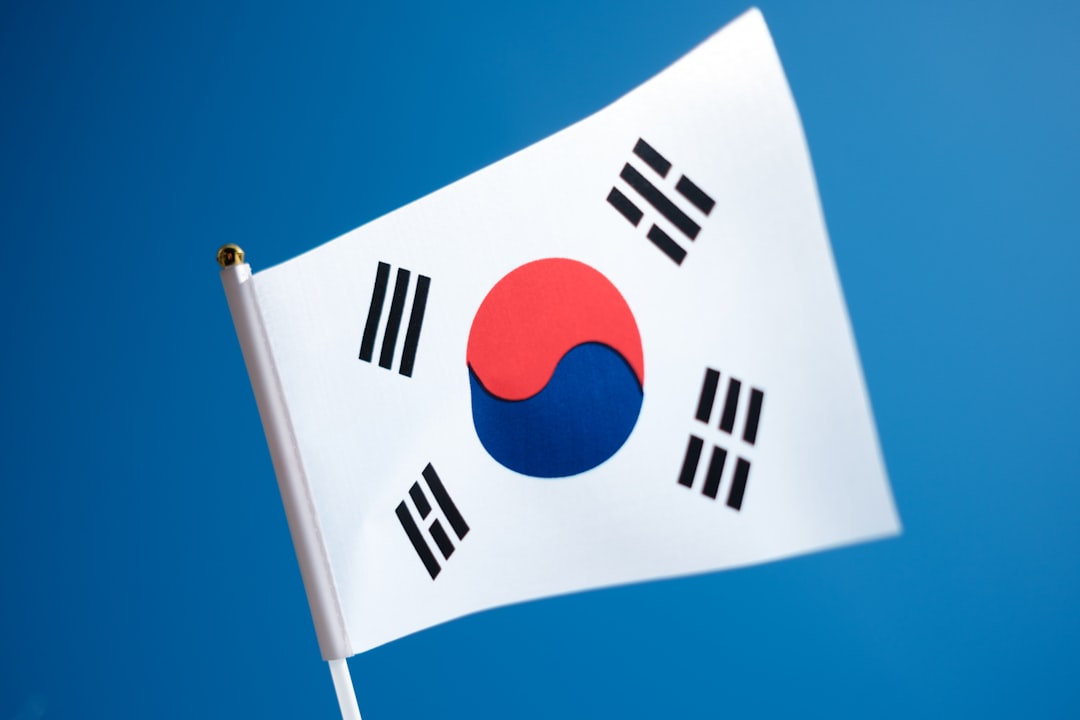
The South Korean national football team delivered a commanding performance against the Czech Republic in a high-stakes friendly match, securing a decisive victory that has intensified speculation about their potential as a dark horse for the 2026 FIFA World Cup. The match, played before a packed stadium, showcased South Korea’s tactical evolution under manager Hwang Sun-hong, blending rapid transitional attacks with disciplined defensive structure. For Balkan audiences, particularly in Bulgaria where the match drew significant attention, the result highlights the growing competitiveness of Asian football and the shifting dynamics in international soccer ahead of the expanded tournament.
The win is not merely a scoreline but a statement of intent. South Korea has historically struggled against European sides in friendlies, often using these fixtures to test squads against superior technical quality. However, this performance suggested a team comfortable in its own skin, capable of controlling tempo and exploiting spaces with precision. The Czech Republic, a nation with a rich footballing heritage and recent Euro 2024 participants, found themselves outmaneuvered, raising questions about their own preparation for the upcoming cycle. The match serves as a critical benchmark for both nations as they navigate the qualifying pathways and friendly schedules leading into the 2026 qualifiers.
Tactical Evolution and Key Performers
Central to South Korea’s success was the integration of players from top European leagues, who have brought a new level of physicality and technical proficiency to the national setup. The midfield duo orchestrated play with confidence, dictating the pace and breaking up Czech counter-attacks before launching swift transitions. This tactical discipline reflects the influence of Hwang Sun-hong, who has prioritized a high-pressing system that forces opponents into errors. The ability to maintain this intensity for 90 minutes is a significant improvement over previous campaigns, where fatigue often set in during the final third of matches.
On the other side, the Czech Republic struggled to impose their preferred style of possession-based football. Despite having experienced campaigners in their ranks, they were unable to find rhythm against South Korea’s organized defensive block. The lack of clinical finishing in the final third proved costly, as South Korea capitalized on rare chances with efficiency. The match highlighted the growing gap between Asian teams that invest heavily in overseas development and those that rely primarily on domestic leagues. For the Czechs, the loss serves as a wake-up call, emphasizing the need for tactical flexibility and improved individual quality in attack.
Balkan Perspective and Regional Impact
In the Balkans, football remains a central cultural pillar, and international friendlies are closely monitored for signs of emerging trends. In Bulgaria, the match attracted considerable interest, with local media analyzing the tactical nuances and player performances. The victory reinforces the perception that Asian football, particularly South Korea, is no longer a pushover but a legitimate threat to European sides. This shift has implications for Balkan nations like Serbia, Croatia, and Greece, who face potential matchups in future tournaments. The expanded 48-team format for the 2026 World Cup increases the likelihood of such encounters, making it essential for Balkan teams to adapt to diverse playing styles.
The match also underscores the importance of scouting and preparation in modern football. Balkan clubs, which often compete in European competitions, must be aware of the rising quality from Asian leagues. South Korea’s success is built on a robust domestic league and strategic recruitment of overseas talent, a model that could offer lessons for Balkan football associations seeking to improve their international standing. The performance against the Czech Republic is a reminder that football is a global game, and complacency can lead to unexpected results. For fans in the region, the match provided a glimpse of the competitive landscape ahead, where traditional hierarchies are increasingly being challenged.

Looking Ahead to World Cup 2026
As the 2026 World Cup approaches, South Korea’s victory over the Czech Republic adds to their confidence and reinforces their status as a top contender in the Asian zone. The team’s ability to perform against European opposition suggests they are well-prepared for the challenges of the global tournament. For the Czech Republic, the loss highlights areas for improvement, but their experience and talent pool remain significant assets. Both teams will need to maintain momentum in upcoming qualifiers and friendlies to ensure they are peak condition when the tournament begins.
For Balkan audiences, the match serves as a reminder of the evolving nature of international football. The rise of Asian teams like South Korea adds another layer of complexity to the World Cup, where upsets are increasingly common. Fans should watch for how both teams respond to this result in the coming months, as their performances will shape the narrative leading into the 2026 qualifiers. The match is a testament to the global competitiveness of football, where any team can rise to the occasion with the right preparation and execution. The stage is set for an exciting cycle, and South Korea’s victory is just the beginning of their journey.


Comments