



The legal saga of Sorin Oprescu, the former mayor of Bucharest, has reached a critical juncture with a definitive ruling from a Greek court. Oprescu, a prominent figure in Romanian politics and business, has long been at the center of international legal disputes involving tax evasion and fraud allegations. The recent decision by the Greek judicial system confirms the finality of previous rulings, marking a significant development in a case that has spanned over a decade. This outcome carries substantial implications not only for Oprescu but also for the broader context of cross-border legal cooperation in the Balkans and Europe.
The case against Oprescu is deeply intertwined with complex financial transactions and alleged misuse of public funds during his tenure as mayor of Bucharest. The Greek authorities have played a pivotal role in this investigation, given that many of the disputed assets and transactions were linked to properties and financial instruments within Greece. The definitive nature of the Greek court's decision means that appeals are no longer an option, solidifying the legal precedents set in this high-profile case. For Balkan audiences, this story highlights the increasing scrutiny on political elites and the reach of international law in holding individuals accountable for financial misconduct.
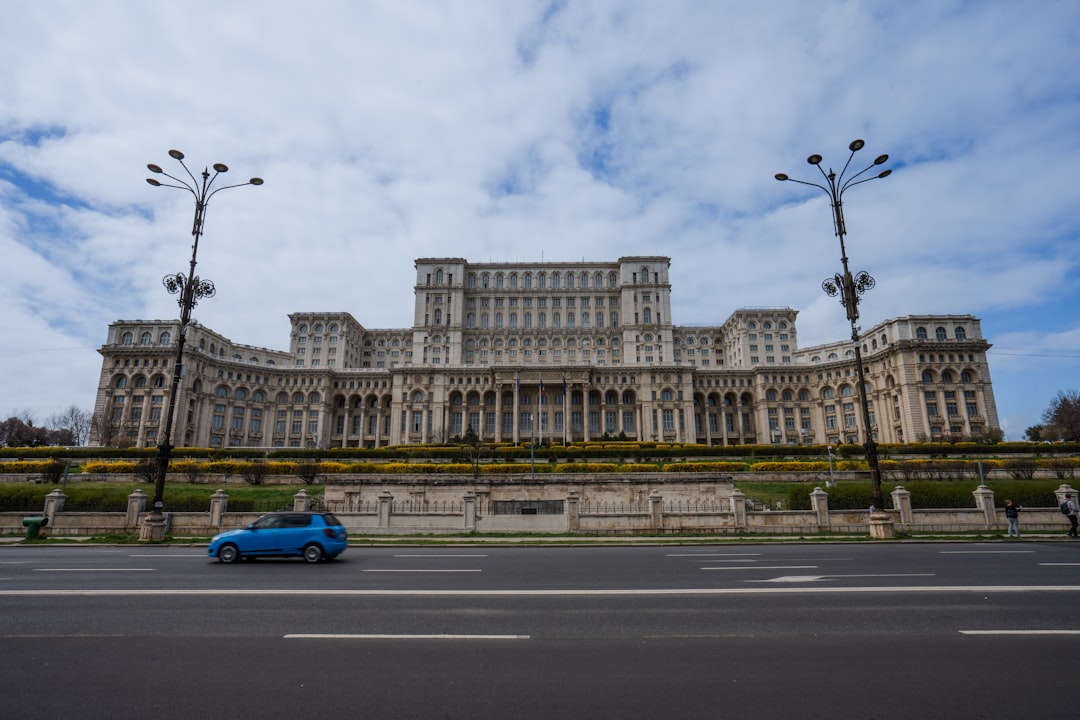
Background of the Legal Dispute
Sorin Oprescu's legal troubles began to surface in the early 2010s when Romanian prosecutors launched investigations into his financial activities. Oprescu, who served as the mayor of Bucharest from 2000 to 2008, was accused of tax evasion and fraud related to real estate deals and corporate ventures. The allegations suggested that Oprescu had used his political position to secure lucrative contracts and manipulate financial records to avoid taxes. These accusations were not confined to Romania; they extended to Greece, where Oprescu was believed to have held significant assets and engaged in financial transactions.
The involvement of Greek authorities stemmed from the discovery of properties and bank accounts linked to Oprescu within Greece. Greek prosecutors initiated their own investigations, collaborating with Romanian counterparts to trace the flow of funds and assets. This cross-border cooperation was essential in building a comprehensive case against Oprescu, as it allowed investigators to access financial records and evidence that were otherwise inaccessible. The complexity of the case required meticulous legal work, involving multiple jurisdictions and international legal frameworks.
Over the years, the case went through various stages of litigation, with Oprescu challenging the charges and seeking to dismiss the proceedings. However, the persistence of prosecutors and the strength of the evidence gathered from both Romania and Greece kept the case alive. The Greek courts, in particular, have been instrumental in advancing the legal process, ensuring that the allegations were thoroughly examined and adjudicated. The recent definitive ruling by the Greek court represents the culmination of these efforts, bringing a sense of closure to a prolonged legal battle.
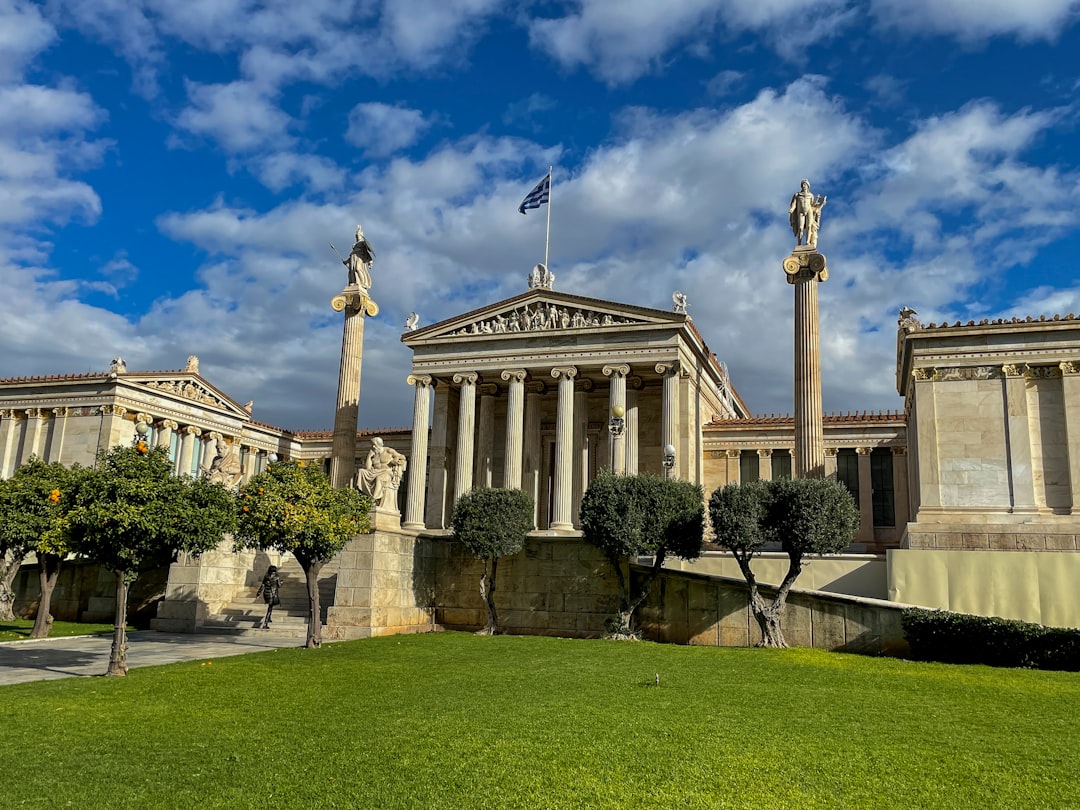
Significance and Impact of the Ruling
The definitive ruling by the Greek court has far-reaching implications for Sorin Oprescu and the broader legal landscape. For Oprescu, the decision means that he faces the full weight of the legal consequences associated with the charges against him. This could include fines, asset seizures, and potential imprisonment, depending on the specific judgments rendered. The finality of the ruling also means that Oprescu's ability to contest the charges is severely limited, effectively ending his legal defenses.
From a broader perspective, the case underscores the importance of international cooperation in combating financial crime. The collaboration between Romanian and Greek authorities serves as a model for how countries can work together to address cross-border legal issues. This cooperation is particularly relevant in the Balkan region, where economic ties and shared histories often complicate legal and political matters. The successful prosecution of a high-profile figure like Oprescu sends a strong message that financial misconduct will not go unpunished, regardless of an individual's status or connections.
Furthermore, the case has implications for public trust in political institutions. Oprescu's tenure as mayor of Bucharest was marked by significant urban development projects, but it was also marred by allegations of corruption and mismanagement. The legal outcomes of this case may influence public perception of political leaders and their accountability. For citizens in the Balkans, where political stability and transparency are ongoing concerns, the resolution of such high-profile cases can have a significant impact on civic engagement and trust in governance.
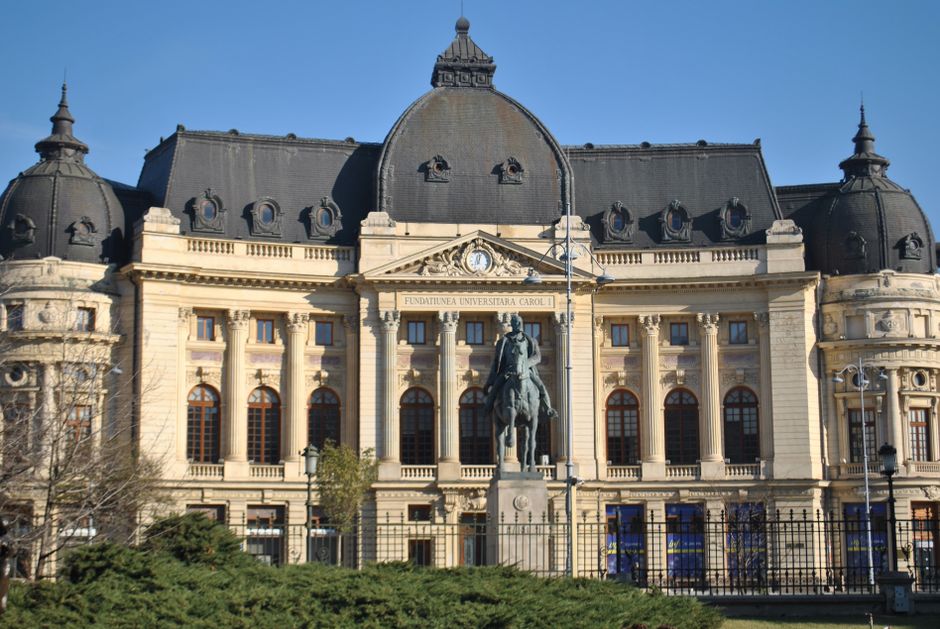
The Balkan Angle and Regional Implications
The Sorin Oprescu case is not just a Romanian or Greek issue; it has significant relevance to the entire Balkan region. The Balkans have historically been a region where political and economic interests intersect in complex ways, often leading to challenges in governance and legal enforcement. The Oprescu case highlights the need for robust legal frameworks and international cooperation to address these challenges. By successfully prosecuting a high-profile figure, the involved countries demonstrate their commitment to the rule of law and transparency.
Moreover, the case serves as a cautionary tale for other political and business elites in the region. The extensive investigation and legal proceedings against Oprescu show that no one is above the law, regardless of their influence or connections. This can have a deterrent effect, encouraging greater accountability and ethical behavior among public officials. For the Balkan audience, this story reinforces the importance of vigilance and civic participation in holding leaders accountable.
In conclusion, the definitive ruling by the Greek court in the Sorin Oprescu case marks a significant milestone in a long and complex legal battle. It underscores the power of international cooperation in addressing financial crime and the importance of accountability in public office. As the region continues to navigate its political and economic landscape, cases like this will remain relevant, shaping the discourse on governance, transparency, and the rule of law.



Comments