


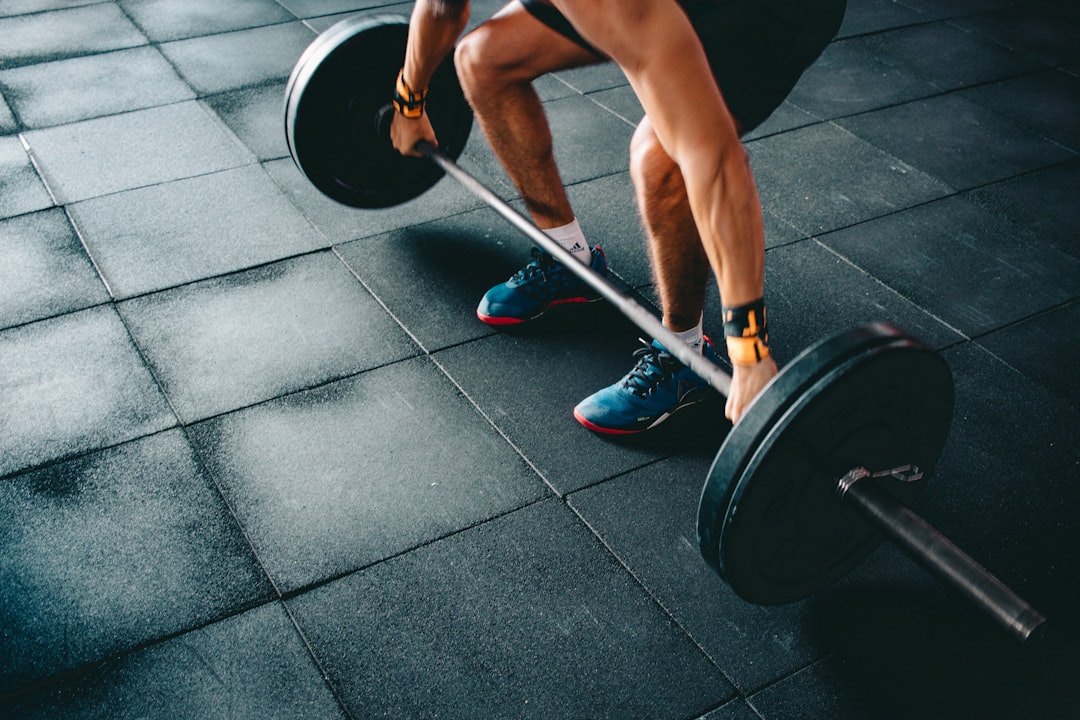
I am sitting in a basement gym in Sofia, the air thick enough to chew, smelling of stale sweat, chalk dust, and something that might be rust or might be history. A man with forearms like tree stumps is grunting under a barbell that looks like it belongs in a medieval siege engine. He doesn't speak English. I don't speak Bulgarian. We communicate in the universal language of grimaces and the clatter of steel plates. This is not a CrossFit box. This is a temple. In this country, weightlifting isn't just a sport; it is a national religion, a state ideology, and for decades, a way to punch the world in the face with a bent bar.
You can't walk through the streets of Sofia without seeing the ghosts of the gold medalists. They are carved into the pavement, whispered about in bars, and immortalized in the stoic faces of old men watching you lift with a critical, analytical eye. Bulgaria's dominance in weightlifting is not an accident. It is a product of a system so rigorous, so demanding, and so utterly focused that it produced a lineage of champions who redefined human strength. But to understand why, you have to dig into the dirt, the politics, and the iron that built this legacy.
History & Identity
The story of Bulgarian weightlifting is inextricably linked to the state itself. During the communist era, sports were not a hobby; they were propaganda. The government poured resources into identifying talent at an early age, often plucking children from rural villages and sending them to specialized academies. The goal was simple: win gold, gain prestige, prove the superiority of the system. This state-sponsored machine produced results. From the 1970s through the 1990s, Bulgarian weightlifters were untouchable, dominating Olympic and World Championship podiums with a consistency that bordered on the robotic.
The transition after the fall of communism was brutal. Funding dried up, coaches left, and the system fractured. Yet, the legacy persisted. The culture of lifting remained, passed down through family lines and dedicated clubs that refused to let the flame die. Today, Bulgaria is a hybrid model: a blend of the old-school discipline and modern sports science. The pride is still there, but the method has evolved. The athletes are no longer just soldiers of the state; they are individuals carrying the weight of a national identity on their shoulders.
This identity is visible in the way the country celebrates its champions. When a Bulgarian lifts gold, the entire nation stops. Flags fly, streets are renamed, and statues are erected. It is a rare form of unity in a region often divided by politics and history. The weightlifting legacy is a point of pride that transcends borders, connecting Bulgarians in Sofia Sofia with those in Varna Varna and Plovdiv Plovdiv. It is a shared memory of triumph against the odds.
The Legends of the Platform
You cannot talk about this legacy without naming the giants. Nikolaï Peshalov is a name that echoes through the halls of every gym in the country. A three-time Olympic champion, Peshalov was the face of Bulgarian weightlifting in the 1970s and 80s. His technique was flawless, his presence commanding. He didn't just lift weights; he performed them with a grace that belied the immense power involved. To this day, young lifters study his form, trying to replicate the perfect snatch and clean-and-jerk that defined his era.
Then there is Aleksandar Taranov, a man who set world records that stood for years. Taranov's dominance in the light-heavyweight division was absolute. He was the one athletes feared, the one coaches warned against. His career is a testament to the effectiveness of the Bulgarian system, but also to the individual will required to sustain it at the highest level. Taranov's legacy is not just in the medals, but in the standards he set for future generations.
More recently, Donka Mincheva brought a new dimension to the sport. As a female weightlifter, she broke barriers and proved that women could compete at the same elite level as men in terms of technical precision and mental toughness. Her victories on the world stage were a source of immense pride for Bulgarian women, who have long been underrepresented in the country's sporting narrative. Mincheva's career is a reminder that the legacy is not monolithic; it is evolving, expanding, and including new voices.
[p>Yury Sargsyan, though of Armenian descent, became a symbol of this legacy after naturalizing as a Bulgarian citizen. His dramatic rise and fall, his redemption and triumph, added a layer of complexity to the national story. Sargsyan showed that the Bulgarian system could still adapt, could still find talent and mold it into gold. His career was controversial, but his impact on the sport's popularity in the country was undeniable.These athletes are not just names in a history book. They are present in the culture. Their faces are on posters in gyms, their stories are told in schools, and their achievements are cited as proof of what is possible. They are the architects of a legacy that continues to inspire new generations of lifters to pick up the bar and push beyond their limits.
The Venues
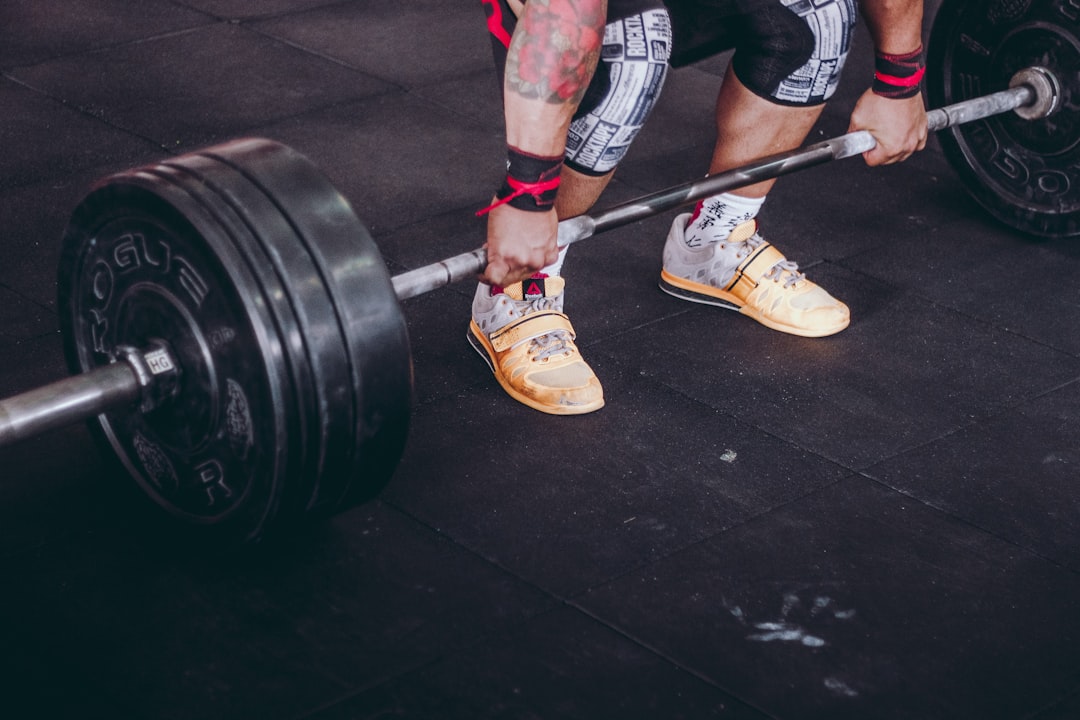
To understand the sport, you have to see where it happens. The Georgi Benkovski National Sports Hall in Sofia is the spiritual home of Bulgarian weightlifting. This massive arena has hosted countless national championships and international competitions. The atmosphere inside is electric, a mix of tension and excitement that is palpable from the moment you step through the doors. The seats are steep, the view is excellent, and the history is thick. Every time a champion steps onto the platform here, the crowd erupts, a roar of support that is both deafening and deeply moving.
But the real work happens in the smaller, local gyms. In Plovdiv, the Asparuh Nikodimov Sports Complex is a hub for developing talent. Named after another legendary weightlifter, this facility is a place where young athletes come to train, to learn, and to dream. The equipment is modern, the coaches are experienced, and the environment is supportive. It is here that the next generation of champions is forged, in the quiet hours of the morning when the rest of the city is still asleep.
Even in smaller towns, the culture of lifting is strong. In Ruse, the Spartak Sports Hall has produced several national champions. The gym is modest, but the dedication of its members is immense. They train hard, they compete fiercely, and they represent their country with pride. These local venues are the backbone of the Bulgarian weightlifting legacy, providing a foundation for the sport to thrive at every level.
How to Follow
If you want to see this legacy in action, you need to know where to look. The Bulgarian Weightlifting Federation organizes national championships and selects the teams for international competitions. Their website Bulgarian Weightlifting Federation is the best place to find information on upcoming events, results, and athlete profiles. It is a treasure trove of data for anyone interested in the sport.
For international competitions, the International Weightlifting Federation International Weightlifting Federation provides live streams and results for all major events. The European Weightlifting Championships and the World Weightlifting Championships are the pinnacle of the sport, and Bulgarian athletes are always among the favorites. Watching them compete is a privilege, a chance to see the pinnacle of human strength and technique.
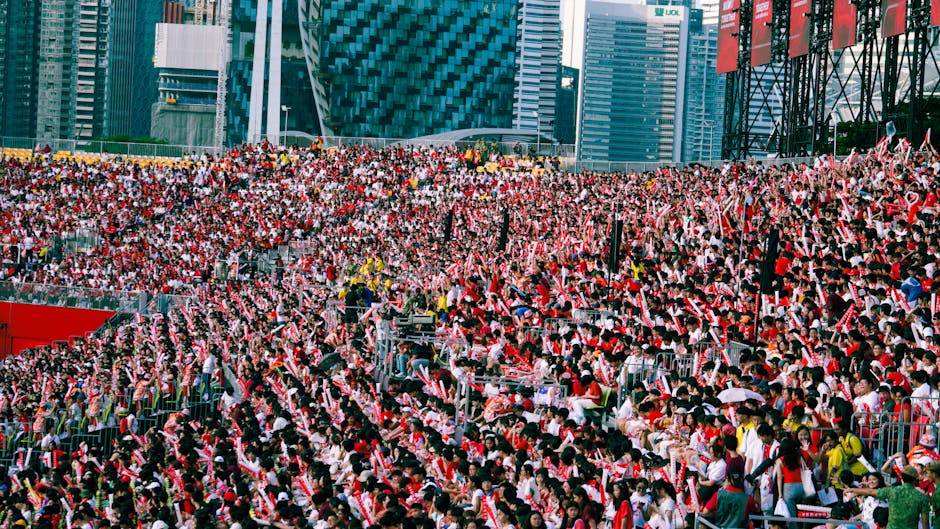
Tickets for national competitions in Sofia are usually affordable, often under 10 EUR. It is a great way to experience the atmosphere firsthand, to feel the energy of the crowd, and to see the next generation of champions in action. For international events, prices vary, but it is worth the investment. The spectacle of weightlifting at its highest level is unlike anything else.
The Iron Truth
I leave the basement gym in Sofia with chalk on my hands and a newfound respect for the men and women who dedicate their lives to this sport. It is not easy. It is not glamorous. It is a grind, a daily battle against gravity and against oneself. But it is also a source of pride, a way to connect with a history that is both painful and triumphant.
Bulgaria's weightlifting legacy is not just about medals. It is about resilience, about the human spirit's ability to overcome adversity and achieve greatness. It is about the coaches who sacrifice, the athletes who suffer, and the fans who support. It is a story that continues to be written, one lift at a time. And as long as there are people willing to pick up the bar and push, that story will never end. The iron remains. The legacy endures. And the world will continue to watch, in awe, as Bulgaria lifts it all.
Comments