


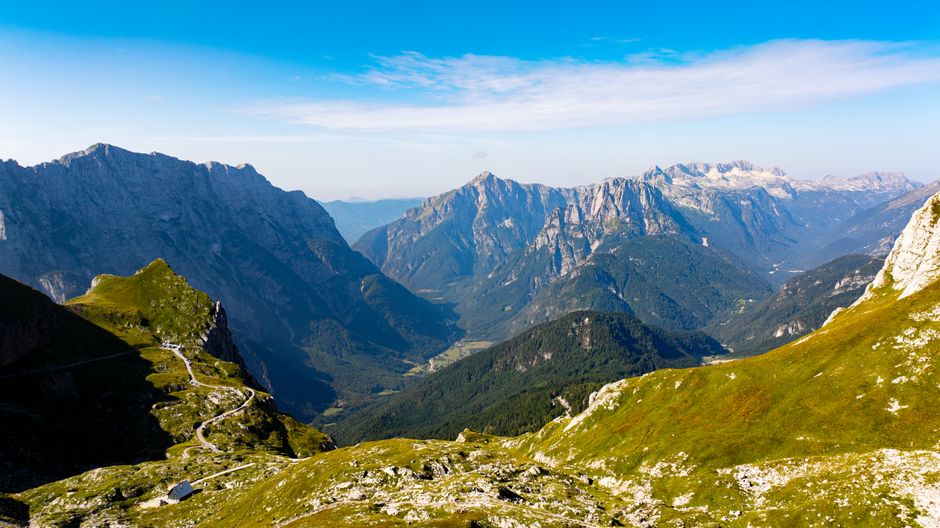
The air in Vrata Valley doesn't just get thin; it gets heavy. I was lying on a patch of damp moss near the Planika Lodge, staring at a sky so blue it felt aggressive, waiting for the clouds to peel back from the jagged teeth of the Julian Alps. My lungs were burning, not just from the elevation, but from the sheer, unfiltered silence that hits you when you leave the road network behind. There is no wifi here. There is no hum of traffic. There is only the crunch of gravel under your boots and the distant, echoing crack of ice falling from a glacier. This isn't a hike for the Instagram crowd looking for a quick selfie. This is a pilgrimage to the roof of Slovenia, where the landscape doesn't care if you're tired, hungry, or lost.
I arrived here with blistered feet and a questionable sense of direction, having taken a wrong turn off the main trail near Kranjska Gora. The locals in the valley didn't offer pity; they offered strong coffee and a stern warning about the weather. "The mountain gives what it wants," one shepherd told me, gesturing toward the looming peak of Triglav. That attitude defines this place. It's not a tourist park; it's a living, breathing alpine wilderness that demands respect. If you want postcards, go to the coast. If you want to feel small, come to Vrata.
History & Identity
The identity of Triglav National Park is inseparable from the mountain that gives it its name. Triglav isn't just the highest peak in Slovenia; it's a national symbol etched into the flag, the currency, and the collective soul of the country. The name itself, meaning "Three Heads," refers to the three distinct peaks that form the summit, a shape that has inspired poets, climbers, and nationalists for centuries. The park, established in 1981, protects a landscape that was once a borderland between empires, a rugged frontier where shepherds, smugglers, and soldiers navigated treacherous passes.
The cultural weight here is palpable. In the late 19th and early 20th centuries, the Slovenian national movement found its rallying cry in the Alps. Climbing Triglav became a metaphor for rising above oppression. Today, that history lingers in the stone lodges and the well-maintained trails, but the spirit remains wild. The park is a mosaic of high-altitude meadows, deep glacial valleys, and sheer limestone cliffs, a place where the geology is as dramatic as the history. It's a landscape that has shaped the Slovenian character: resilient, precise, and deeply connected to the land.
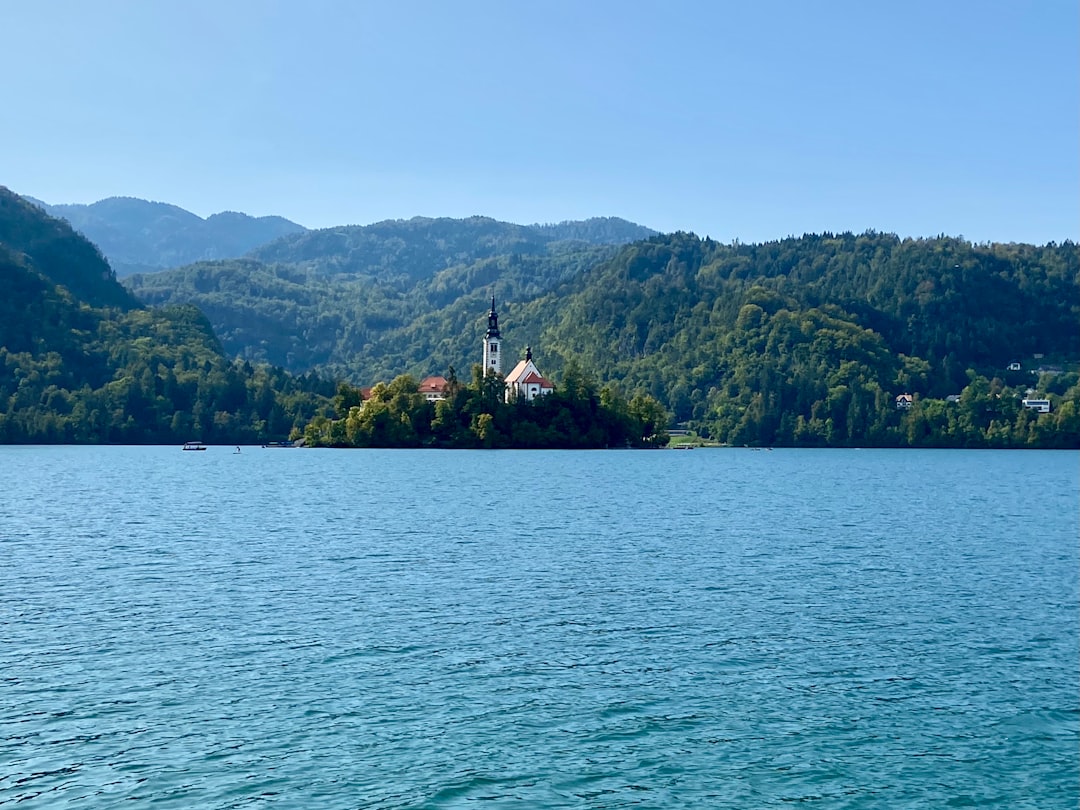
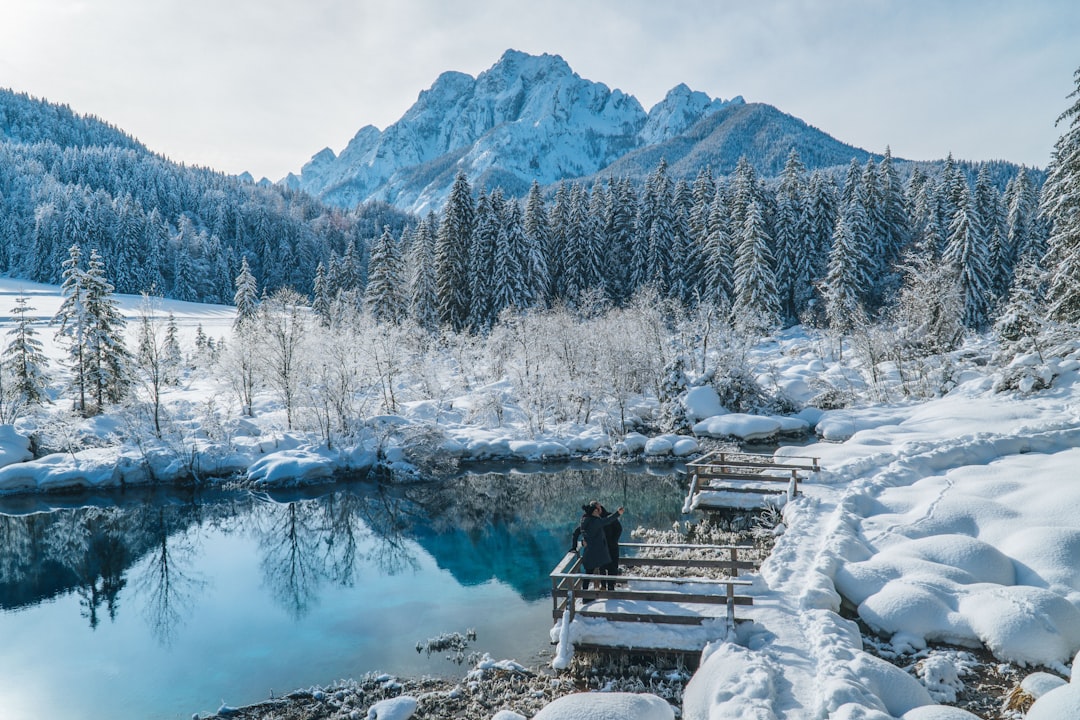
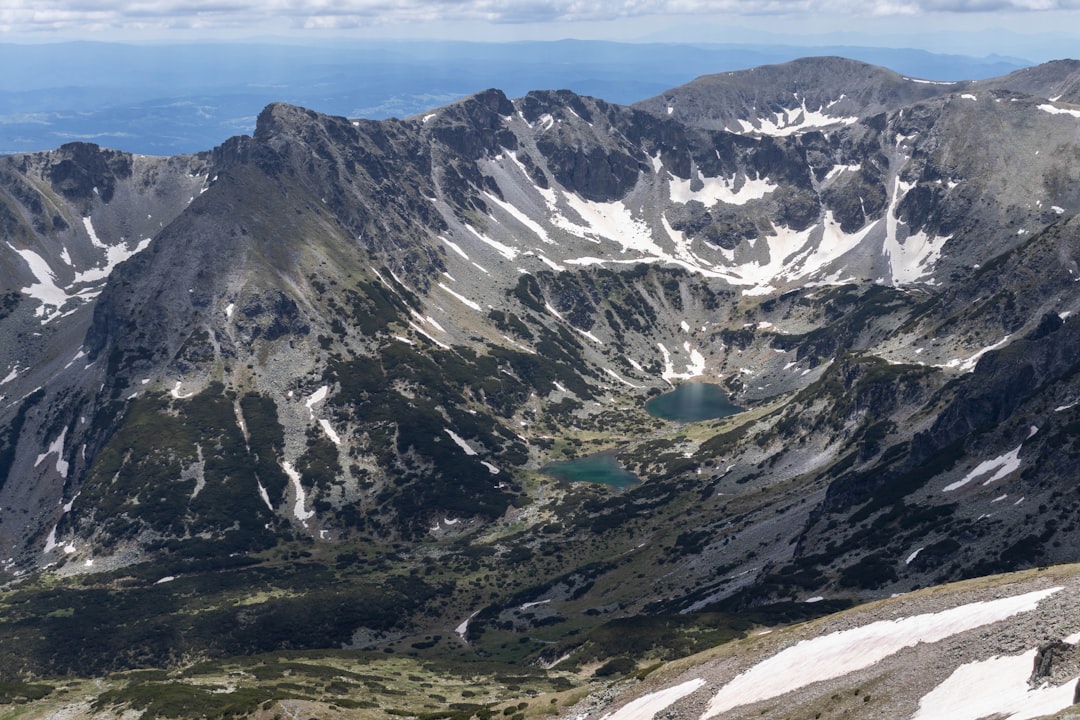
The Julian Alps themselves are a geologic marvel, formed by the collision of tectonic plates and carved by glaciers during the last Ice Age. The result is a terrain of sharp ridges, deep U-shaped valleys, and turquoise lakes known as planice. These lakes, dotted across the high pastures, are the jewels of the park, reflecting the sky and the peaks in a mirror-like stillness that feels almost supernatural. But don't let the beauty fool you. The weather here can turn in minutes, and the terrain is unforgiving to the unprepared.
Where to Go: The Vrata Valley Circuit
Vrata Valley is the gateway to the high peaks, a wide, open amphitheater that leads toward Triglav and Mount Krn. It's a place of contrasts: lush green meadows in summer, snow-covered expanses in winter, and a constant, dramatic backdrop of granite and ice. The valley is crisscrossed with trails, some gentle walks, others steep, exposed scrambles. The key is to choose your route wisely, based on your fitness and the weather.
Planika Lodge is the heart of the valley, a stone refuge perched at 1,864 meters. It's a classic alpine hut, with a large terrace offering panoramic views of the surrounding peaks. The lodge is fully equipped, with dormitories and private rooms, and serves hearty, home-cooked meals. It's a hub for hikers, climbers, and skiers, and the atmosphere is lively but respectful. The lodge is the starting point for many hikes, including the ascent to Triglav via the Triglav Hut.
Krn Lake is a small, glacial lake nestled at the foot of Mount Krn, one of the most distinctive peaks in the Julian Alps. The lake is surrounded by high pastures and offers stunning views of the mountain's steep, rocky face. It's a peaceful spot, far from the main trails, and a great place for a quiet lunch or a contemplative moment. The hike to the lake is moderate, with a steady climb from Planika Lodge.
Triglav Hut is the highest mountain refuge in Slovenia, perched at 2,343 meters on the south face of Triglav. It's the base camp for summit attempts, and the views from the terrace are breathtaking, encompassing the entire Julian Alps. The hut is basic, with dormitories and a simple menu, but the location is unparalleled. It's a place to rest, refuel, and prepare for the final push to the top, or simply to enjoy the silence and the scale of the mountains.
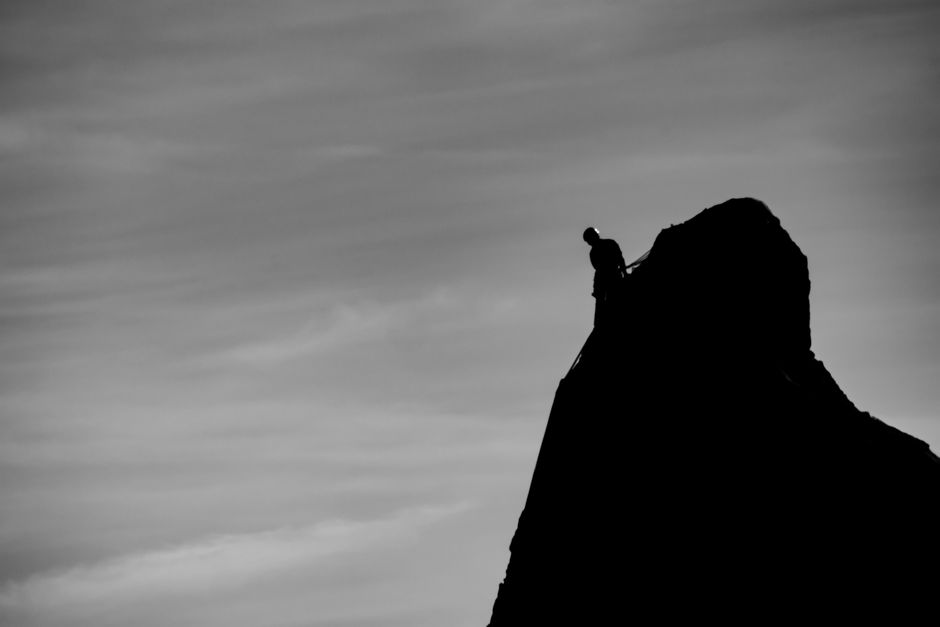
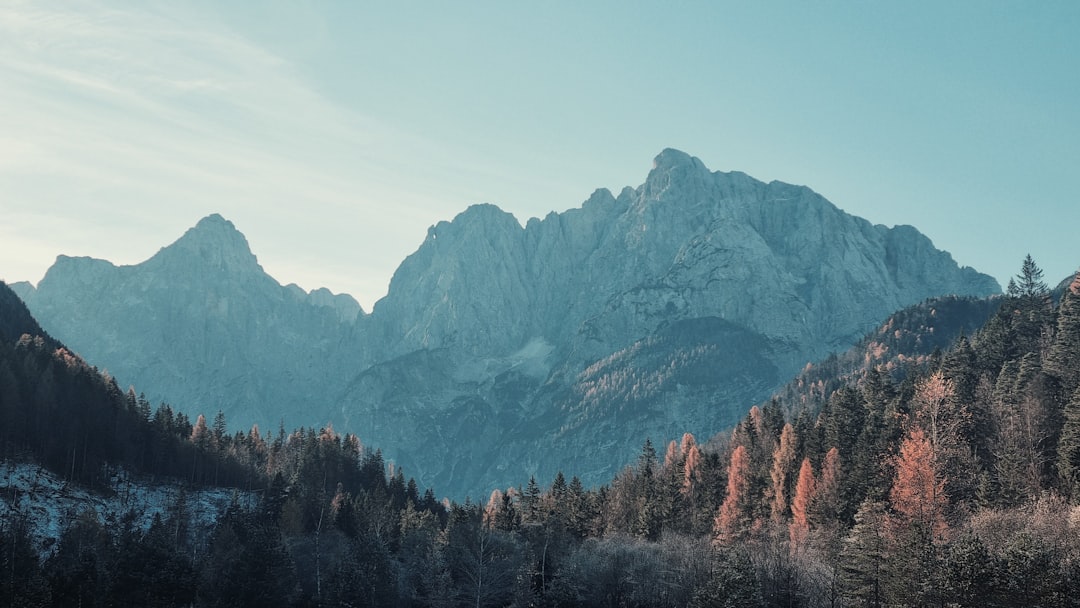
Razor is a jagged, iconic peak that rises dramatically from the Triglav National Park skyline. It's a challenging climb, requiring a rope and some technical skill, but the views from the top are worth the effort. The peak is a symbol of the park's wild, untamed nature, and it's a favorite among climbers and adventure seekers. The hike to the base of Razor is steep and exposed, but the reward is a sense of accomplishment that's hard to match.
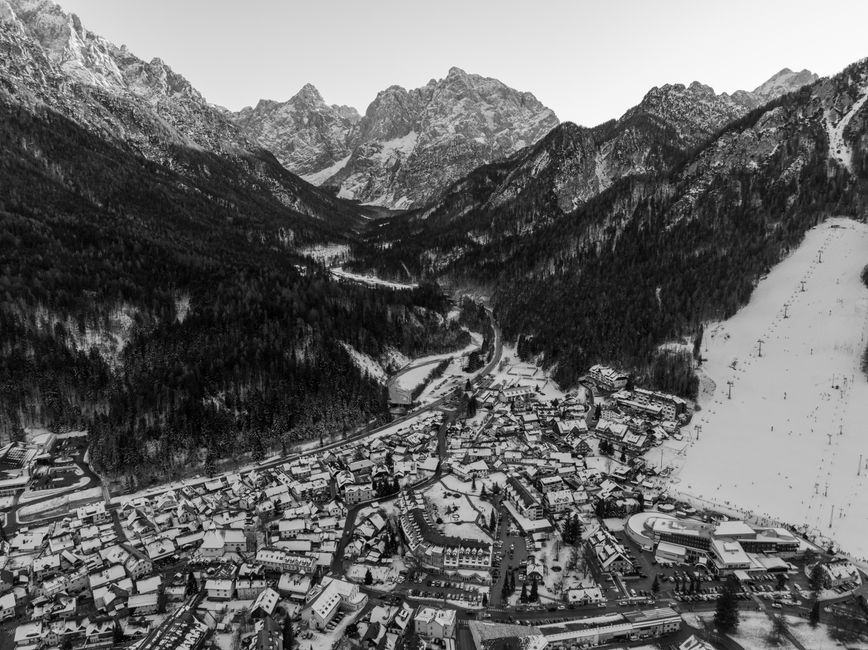
Kranjska Gora is the main town in the valley, a popular resort for skiing in winter and hiking in summer. It's the gateway to Triglav National Park, with easy access to the trails and a range of accommodation options. The town is charming, with narrow streets, wooden chalets, and a lively atmosphere. It's a good place to start or end your hike, with restaurants, cafes, and shops catering to tourists.
What to Eat & Drink
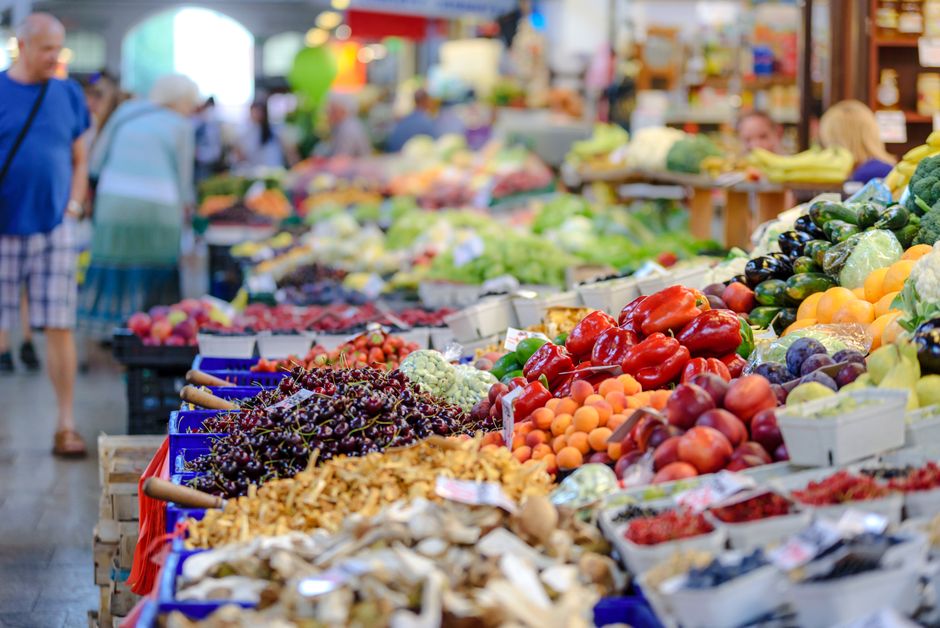
The food in Triglav National Park is hearty, simple, and designed to fuel long days on the trail. At the lodges, you'll find traditional Slovenian dishes, made with local ingredients and prepared with care. The menus are seasonal, but you can always expect a good soup, a substantial main course, and fresh bread. The drinks are equally important: strong coffee, local wine, and the occasional shot of slivovitz, a plum brandy that warms the soul on a cold evening.
Štruklji — 3-4 EUR — are rolled dumplings, filled with cheese, walnuts, or poppy seeds, and served with butter and sugar. They're a classic Slovenian comfort food, perfect for a quick, filling snack.
Gibanica — 2-3 EUR — is a layered cake, made with cheese, apples, walnuts, and poppy seeds. It's a traditional dessert, often served on holidays, but you'll find it in lodges year-round.
Jota — 4-5 EUR — is a hearty stew, made with sauerkraut, white beans, and smoked meat. It's a warming, satisfying dish, perfect for a cold day.
Pršut — 5-6 EUR — is dry-cured ham, served thinly sliced with bread and cheese. It's a local specialty, made from free-range pigs and cured in the mountain air.
Budget breakdown: A meal at a lodge costs 10-15 EUR per person, including soup, main course, and coffee. Street food or take-away options are limited, but you can find sandwiches and snacks in Kranjska Gora for 3-5 EUR. Mid-range restaurants in the town range from 15-25 EUR per person.
The main food hub is Kranjska Gora, with a range of cafes, bakeries, and supermarkets. The Planika Lodge also has a small shop, selling snacks, drinks, and basic supplies. For budget travelers, buying groceries in Kranjska Gora and packing lunches is a smart strategy.
Nightlife
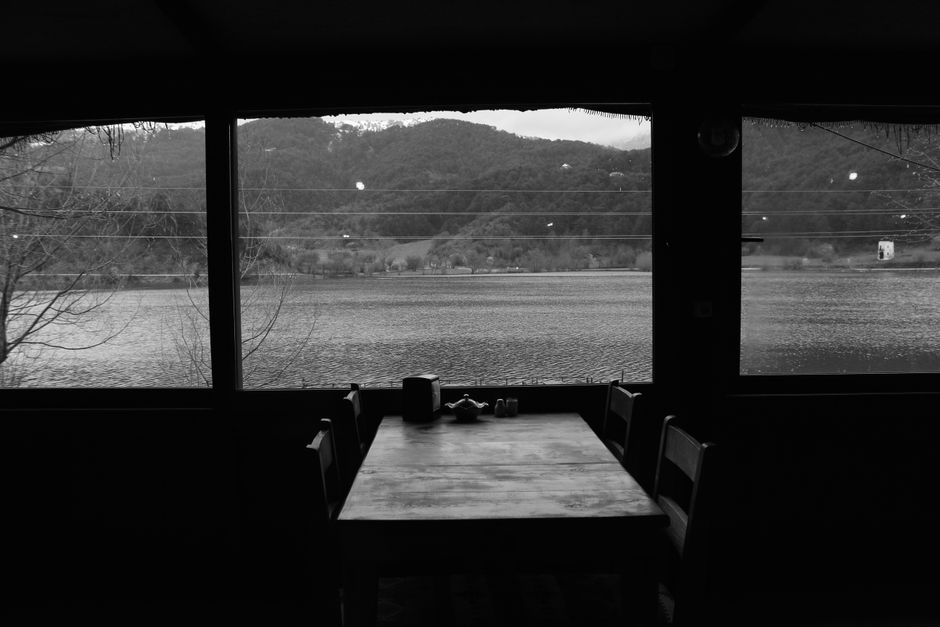
Nightlife in Triglav National Park is not what you'd expect. There are no clubs, no bars, no neon lights. The "nightlife" here is the stars, the silence, and the occasional campfire. After a long day on the trail, the best reward is a hot meal, a warm bed, and a glass of wine on the terrace of the lodge. The atmosphere is relaxed, communal, and focused on the shared experience of the mountains.
In Kranjska Gora, there are a few bars and cafes, where you can grab a drink and chat with fellow hikers. The Hotel Kompas has a bar and a restaurant, with a lively atmosphere in the evening. The Ski Resort Kranjska Gora also has a few venues, but they're mostly geared toward skiers in winter.
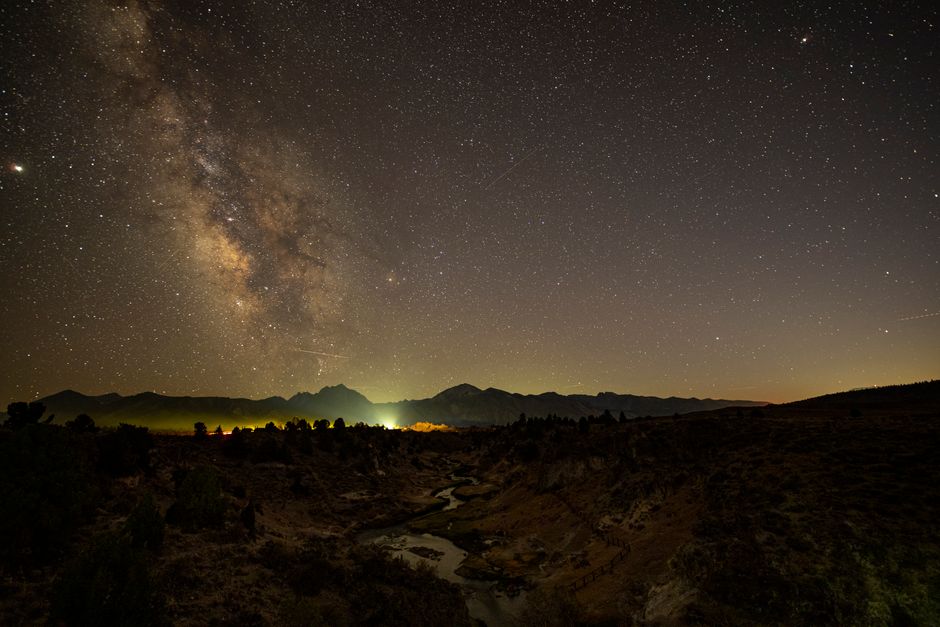
The real magic happens after dark, when the lights go out and the stars come out. The sky in the mountains is clear, unpolluted, and incredibly bright. It's a place to disconnect, to slow down, and to appreciate the simple pleasures of life. Bring a book, a deck of cards, or just your thoughts. The mountains will provide the rest.
Routes & Trail Info
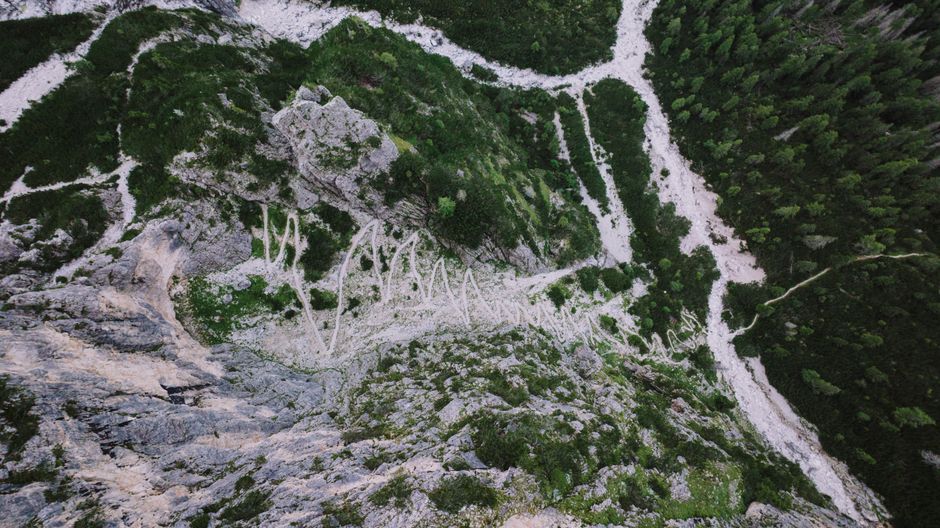
The Vrata Valley offers a range of trails, from easy walks to challenging climbs. The most popular route is the hike from Planika Lodge to Triglav Hut, a steady climb through alpine meadows and rocky terrain. The trail is well-marked, but the terrain is steep and exposed, and the weather can change quickly. It's a route for experienced hikers, with a good level of fitness and a sense of adventure.
Route 1: Planika Lodge to Triglav Hut
Starting point: Planika Lodge (1,864m)
Total distance: 4 km (one-way)
Elevation gain: 500m
Estimated duration: 2-3 hours
Difficulty: Intermediate
Route 2: Planika Lodge to Krn Lake
Starting point: Planika Lodge (1,864m)
Total distance: 3 km (round-trip)
Elevation gain: 200m
Estimated duration: 1-2 hours
Difficulty: Beginner
Route 3: Kranjska Gora to Planika Lodge
Starting point: Kranjska Gora (1,000m)
Total distance: 6 km (one-way)
Elevation gain: 900m
Estimated duration: 3-4 hours
Difficulty: Intermediate
All trails are well-marked, with signs and cairns along the way. The terrain varies from gentle slopes to steep, rocky sections. Good hiking boots, sturdy clothing, and a sense of direction are essential. The weather in the mountains is unpredictable, so always check the forecast before you go, and be prepared for sudden changes.
Getting There & What to Expect
Kranjska Gora is the gateway to Triglav National Park, located in the northwest of Slovenia, near the border with Austria and Italy. It's a popular resort town, with easy access to the trails and a range of accommodation options. The nearest airport is Ljubljana Jože Pučnik Airport, about 100 km away, with regular bus and train connections. From Ljubljana, it's a 1.5-hour drive to Kranjska Gora, with scenic views of the Alps along the way.
Transport options: Buses run regularly from Ljubljana to Kranjska Gora, taking about 1.5 hours and costing 10-15 EUR one-way. Trains also run from Ljubljana to Radovljica, with a short bus ride to Kranjska Gora. Car rental is a good option, with plenty of parking in Kranjska Gora and easy access to the trailheads.
The trailhead for the Vrata Valley is at Planika Lodge, which is accessible by a paved road from Kranjska Gora. The road is steep and winding, but well-maintained, and cars can park at the lodge. For hikers, the trail from Kranjska Gora to Planika Lodge is a good warm-up, with a steady climb through forest and meadow.
Children can hike the easier trails, such as the walk to Krn Lake, but the more challenging routes, like the climb to Triglav Hut, are not suitable for young children. The terrain is steep and exposed, and the weather can change quickly. Always assess your children's fitness and experience before taking them on a hike.
Accommodation: Planika Lodge offers dormitories for 20-30 EUR per night and private rooms for 40-60 EUR per night. Meals are available for 10-15 EUR per person. In Kranjska Gora, budget hostels cost 20-40 EUR per night, and mid-range hotels range from 60-100 EUR per night. Camping is also an option, with several campsites in the valley.
Best months to visit: June to September, when the weather is warm and the trails are clear. July and August are the busiest months, with long queues at the lodges and crowded trails. May and October are quieter, but the weather can be unpredictable, with rain and snow possible.
Search accommodation in Kranjska Gora on Booking.com →
The Summit Mindset
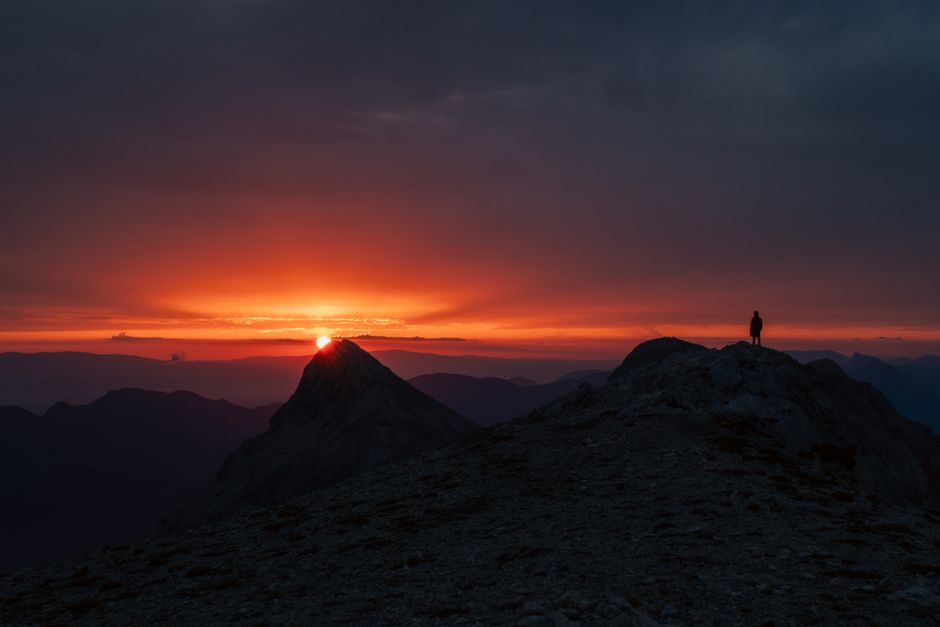
Standing on the ridge above Planika Lodge, I realized that the mountain doesn't care about your plans. The clouds rolled in, thick and white, swallowing the peaks and turning the world into a void. I was alone, shivering, and completely disoriented. But instead of panic, I felt a strange sense of peace. The mountain had stripped away everything else — the noise, the distractions, the ego — and left only the present moment. That's the gift of Triglav National Park. It's not about conquering the peak; it's about surrendering to the landscape. It's about finding clarity in the chaos, and beauty in the harshness. If you're ready for that, the Vrata Valley will welcome you. If you're not, the mountain will send you packing. Either way, you'll leave changed.
Triglav National Park Julian Alps Krn Razor Kranjska Gora
Comments