


North Macedonian authorities in Skopje have arrested a 44-year-old man in connection with a suspected arson attack on the Bulgarian embassy, marking a significant escalation in the diplomatic tensions between the two neighboring nations. The incident, which occurred in the capital city's diplomatic district, has reignited discussions regarding the fragile relations between North Macedonia and Bulgaria, a relationship historically complicated by disputes over language, identity, and historical narratives. The arrest comes after investigators linked the suspect to the deliberate setting of fire on the embassy grounds, an act that authorities have condemned as a threat to diplomatic security and bilateral stability.
The incident underscores the volatile nature of current political sentiments in the region, where historical grievances often surface during periods of heightened political activity. For the Balkan audience, this event is not merely a local crime report but a symptom of deeper, unresolved nationalistic tensions. The Bulgarian embassy in Skopje has previously been a target of protests and vandalism, reflecting the deep-seated disagreements over the recognition of the Macedonian language and the historical legacy of the region. This latest development signals a potential shift from civil unrest to criminal acts, raising serious concerns among regional observers and international diplomats.
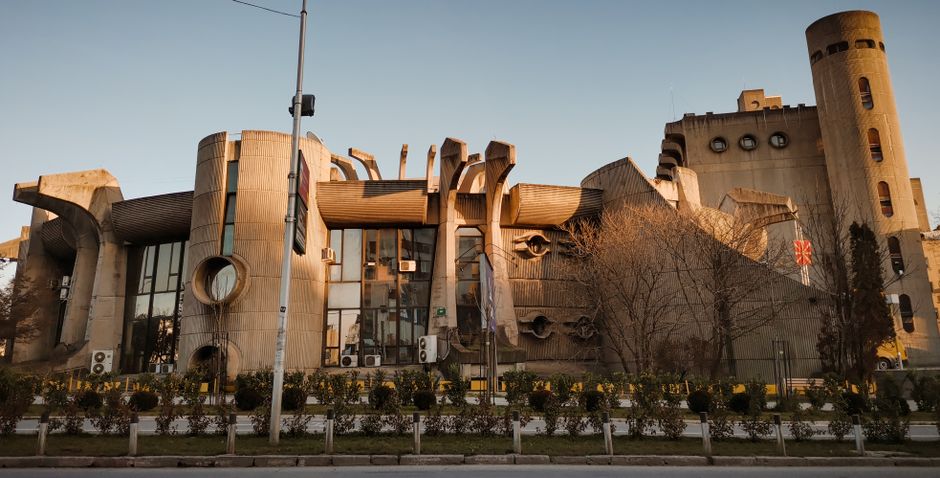
Background of the Incident and Investigation
The arrest was made following a thorough investigation by the Skopje police and the Ministry of Internal Affairs of North Macedonia. According to official statements, the 44-year-old suspect was identified through surveillance footage and witness testimonies that placed him at the scene of the fire. The fire, which broke out in the early hours of the morning, caused damage to the embassy's property but did not result in any casualties. Investigators are now examining the suspect's motives, with initial reports suggesting possible links to nationalist groups that have been active in opposing the recent normalization efforts between Skopje and Sofia.
The investigation has been closely monitored by Bulgarian authorities, who have expressed strong condemnation of the attack. The Bulgarian Ministry of Foreign Affairs has demanded a full and transparent inquiry, emphasizing the importance of protecting diplomatic missions as per international law. The speed of the arrest has been praised by some observers as a sign of the North Macedonian government's commitment to upholding the rule of law and protecting foreign diplomatic assets. However, others remain skeptical, pointing to the long history of unresolved incidents involving Bulgarian diplomatic properties in North Macedonia.
Forensic experts are currently analyzing the evidence to determine the exact method used to start the fire and to identify any potential accomplices. The case has been handed over to the public prosecutor's office, where it will be processed as a serious criminal offense involving damage to diplomatic property and attempted arson. The legal proceedings are expected to be closely watched by both domestic and international media, as the outcome could have broader implications for the political climate in the region.

Significance for Balkan Diplomacy and Regional Stability
The attack on the Bulgarian embassy in Skopje is a stark reminder of the deep historical and political rifts that continue to divide the Balkans. The dispute between North Macedonia and Bulgaria centers on the recognition of the Macedonian language and the historical narrative of the region. Bulgaria does not recognize a distinct Macedonian language, viewing it instead as a dialect of Bulgarian, a stance that has led to significant diplomatic friction. This issue has been a major obstacle in North Macedonia's European integration process, as Bulgaria has repeatedly blocked the country's progress in EU negotiations over these identity-related concerns.
The incident also highlights the broader challenges of maintaining stability in the Balkans, where nationalist sentiments can easily be exploited for political gain. The arrest of the suspect is a positive step towards accountability, but it does not address the underlying causes of the tension. Regional analysts warn that such acts of violence can undermine the efforts of moderate political leaders in both countries to foster cooperation and reconciliation. The European Union and NATO have both called for calm and dialogue, emphasizing the importance of resolving disputes through diplomatic channels rather than through acts of aggression.
For the international community, this event serves as a cautionary tale about the fragility of peace in post-conflict regions. The Balkans have made significant progress in recent decades, but the legacy of the 1990s wars and the subsequent political struggles continue to cast a long shadow. The arrest in Skopje is a test of the resilience of the region's democratic institutions and their ability to protect the rights and security of all citizens, regardless of their ethnic or national background.
The Balkan Angle and Public Reaction
Public reaction in both North Macedonia and Bulgaria has been mixed, with strong emotions on both sides. In North Macedonia, some nationalist groups have defended the suspect, framing the attack as a protest against what they perceive as Bulgarian interference in internal affairs. However, many citizens and civil society organizations have condemned the act, calling for unity and respect for international norms. The incident has sparked debates in the North Macedonian media about the role of nationalism in contemporary politics and the need to move beyond historical grievances.
In Bulgaria, the reaction has been one of outrage and demand for justice. The Bulgarian government has used the incident to reinforce its stance on the importance of historical truth and the protection of national interests. Bulgarian media outlets have extensively covered the arrest, highlighting the need for North Macedonia to take concrete steps to address the root causes of the tension. The incident has also galvanized the Bulgarian diaspora in North Macedonia, many of whom have expressed fear and uncertainty about their safety and future in the region.
The Balkan angle of this story is crucial, as it reflects the broader dynamics of identity and sovereignty in the region. For readers in the Balkans, this incident is not just about a single crime but about the ongoing struggle to define national identity in a post-communist, post-conflict world. The arrest in Skopje is a moment that could either deepen the divide or serve as a catalyst for dialogue and understanding. The coming weeks will be critical in determining the direction of bilateral relations and the future of regional stability.
As the legal proceedings unfold, the international community will be watching closely to see how both governments handle the situation. The ability of North Macedonia and Bulgaria to manage this crisis with restraint and diplomacy will be a key indicator of their maturity as regional actors. For the Balkan audience, this story is a reminder of the importance of peace, tolerance, and cooperation in building a shared future. The arrest is a necessary step, but it is only the beginning of a longer journey towards reconciliation and mutual respect.



Comments