


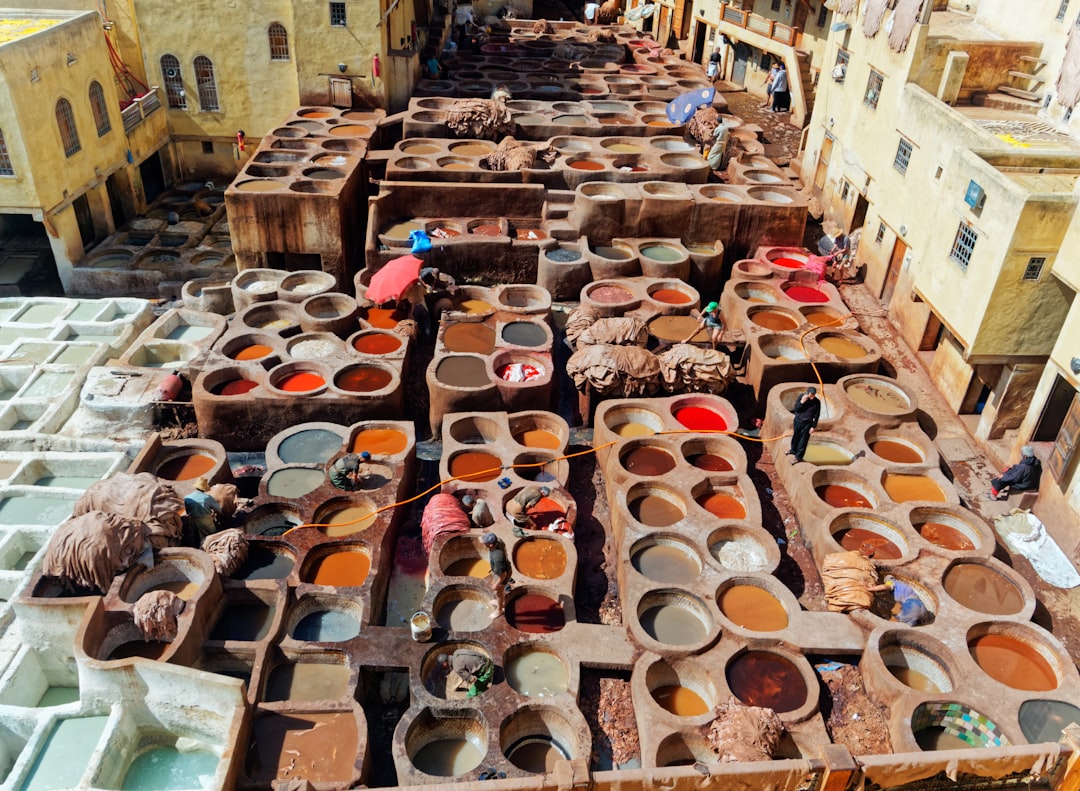
The city of Fes, Morocco, is rapidly transforming from a historic imperial center into a dynamic hub for technology and entrepreneurship, drawing attention from investors across the Balkans and North Africa. Recent economic indicators show a surge in startup activity and foreign direct investment in the Fes-Meknes region, signaling a shift in Morocco’s economic geography. This development matters significantly for regional audiences, including those in the Balkans, as it highlights emerging opportunities for cross-border collaboration in the tech sector and sustainable development.
From Heritage to High-Tech: The Economic Shift
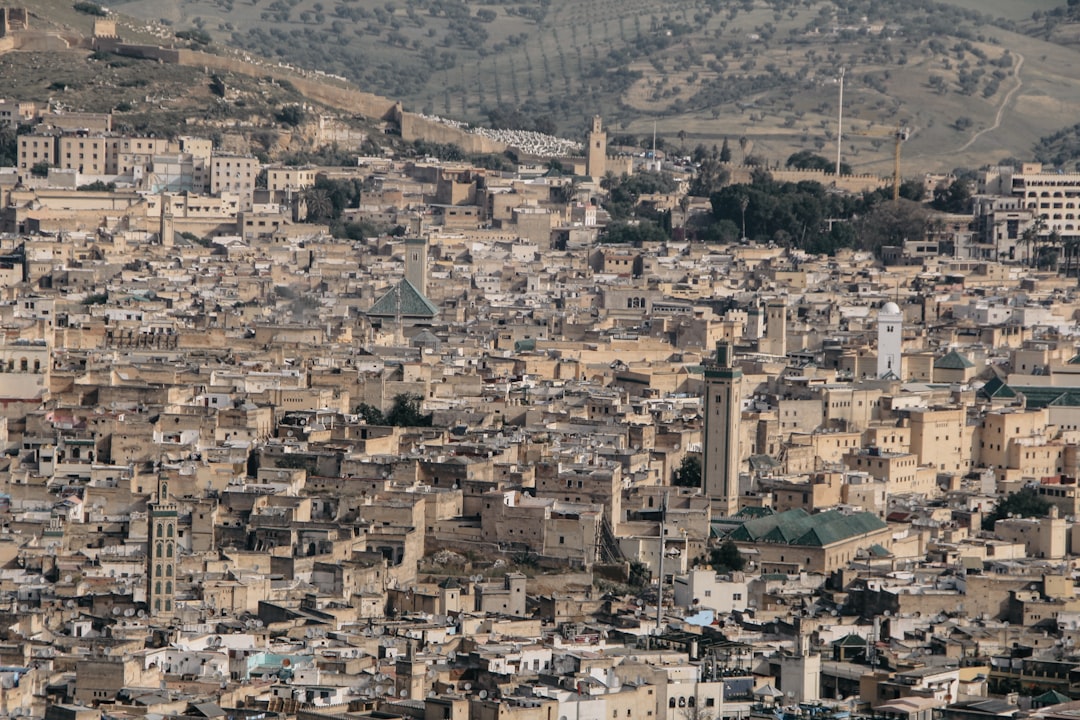
Fes has long been celebrated for its rich cultural heritage and ancient medina, a UNESCO World Heritage site that attracts millions of tourists annually. However, the city’s economic narrative is changing. The Fes-Meknes region is now home to a growing number of innovation centers, incubators, and tech parks. This shift is driven by government initiatives aimed at decentralizing economic activity away from Casablanca and Rabat. The result is a vibrant ecosystem where traditional crafts coexist with modern software development and engineering firms.
According to recent reports, the concentration of entrepreneurial activity remains strongest in Fes, although Meknes is also seeing growth. The establishment of the Fes Innovation Hub and partnerships with international universities have created a fertile ground for startups. These initiatives are not just about creating jobs; they are about building a knowledge-based economy. For Balkan entrepreneurs, this offers a new market for collaboration, particularly in sectors like renewable energy, agritech, and digital services, where both regions share similar developmental challenges and opportunities.
Strategic Partnerships and Balkan Connections
The rise of Fes as a tech hub is not happening in isolation. Morocco has been strengthening its ties with European countries, including those in the Balkans, through trade agreements and investment forums. Serbian, Croatian, and Greek companies are increasingly looking at Morocco as a gateway to African markets. Fes, with its improving infrastructure and skilled workforce, is becoming a preferred destination for these ventures. The city’s proximity to the Atlantic coast and its modern transportation links make it an attractive logistics and business center.
One notable area of collaboration is in the renewable energy sector. Morocco’s ambitious solar energy projects, such as the Noor Ouarzazate complex, have drawn interest from Balkan firms specializing in solar panel manufacturing and installation. Fes is emerging as a regional center for managing and distributing these technologies. Additionally, the tourism sector, a major economic driver for both Morocco and the Balkans, is seeing increased cooperation. Fes’s focus on sustainable tourism aligns with the growing trend in Balkan countries to promote eco-friendly travel experiences. This shared interest is fostering partnerships between hotel chains, tour operators, and digital platforms in both regions.
Challenges and Future Outlook
Despite the progress, Fes faces challenges in sustaining its growth. Infrastructure development, while improving, still lags behind that of larger cities like Casablanca. There is also a need for more specialized training programs to equip the local workforce with the skills required by high-tech industries. Addressing these issues will require continued investment from both the public and private sectors. The government’s commitment to decentralization is a positive sign, but implementation on the ground remains key.
Looking ahead, Fes is poised to play a larger role in Morocco’s economic landscape. The city’s unique blend of history and innovation makes it a compelling case study for other cities in the region. For Balkan audiences, the story of Fes offers insights into how emerging markets can leverage their cultural assets to drive economic growth. As ties between Morocco and the Balkans deepen, Fes could become a model for regional cooperation, demonstrating how cities can transform through strategic planning and international collaboration. The next few years will be critical in determining whether Fes can maintain its momentum and become a leading tech hub in North Africa.


Comments