


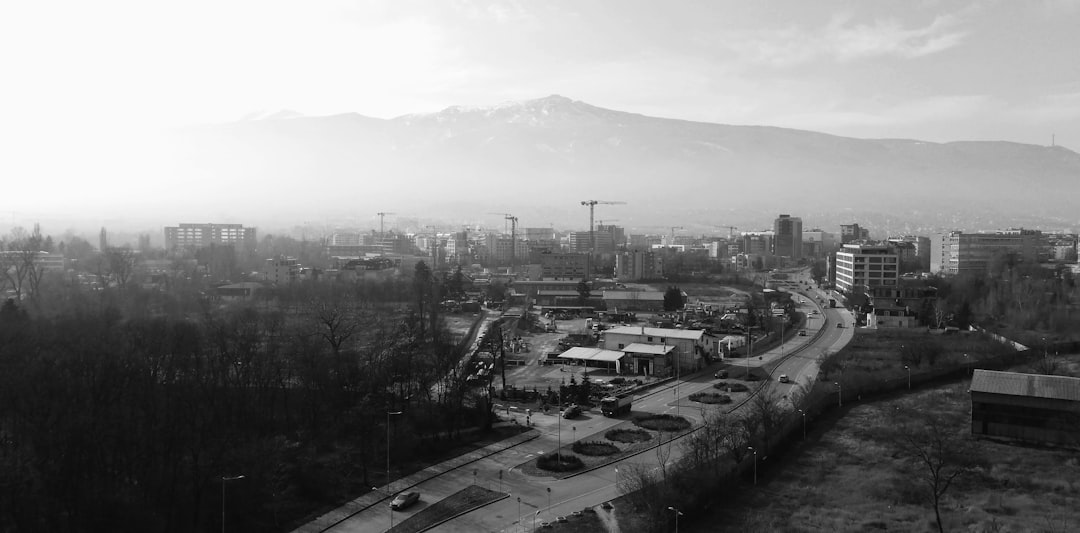
The Mayor of Skopje, North Macedonia, has arrived in Sofia, Bulgaria, for a high-level diplomatic meeting aimed at strengthening bilateral ties and addressing pressing regional infrastructure challenges. The visit marks a significant moment in Balkan diplomacy, as leaders from neighboring countries seek to enhance cooperation amidst shifting geopolitical landscapes. This engagement underscores the growing importance of municipal diplomacy in fostering regional stability and economic integration. For Balkan audiences, this meeting represents a tangible step toward resolving long-standing border issues and improving transportation links that affect millions of citizens. The discussions are expected to focus on joint projects that could transform the connectivity between the two nations, benefiting trade and tourism alike.
Background of the Diplomatic Visit
The relationship between Bulgaria and North Macedonia has historically been complex, marked by periods of tension and cooperation. Recent years have seen a concerted effort to improve relations, particularly in the realms of culture, education, and infrastructure. The Mayor of Skopje, Iliya Jotov, has been a vocal advocate for closer ties, emphasizing the shared heritage and economic potential of the region. His visit to Sofia is part of a broader strategy to engage with Bulgarian counterparts at various levels of government. The meeting is scheduled to include discussions on urban development, environmental sustainability, and public safety, reflecting the multifaceted nature of modern municipal diplomacy. This engagement is particularly timely as both countries navigate their paths toward deeper European integration.
Key topics on the agenda include the modernization of border crossing points, which remain a bottleneck for trade and travel. The two mayors are expected to discuss specific projects that could alleviate congestion and improve the flow of goods and people. Additionally, there is a focus on cultural exchange programs that can help bridge historical divides and foster mutual understanding among citizens. The visit also highlights the role of local governments in shaping foreign policy, as mayors often have more direct influence over issues that affect daily life. This trend is evident across the Balkans, where regional cooperation is increasingly seen as a pathway to prosperity and stability.
Significance for Regional Connectivity
Infrastructure development is a critical component of the Balkan region's economic future. The proposed projects between Skopje and Sofia aim to create more efficient transportation corridors, which are essential for regional trade. Improved road and rail links can reduce travel times, lower logistics costs, and enhance competitiveness for businesses in both countries. This is particularly important for small and medium-sized enterprises that rely on cross-border supply chains. The European Union has also emphasized the importance of such infrastructure investments in its funding priorities, offering financial support for projects that promote cohesion and integration. The collaboration between Skopje and Sofia could serve as a model for other Balkan cities seeking to enhance their connectivity.
Beyond economic benefits, improved infrastructure can have significant social implications. Better transport links facilitate cultural and educational exchanges, allowing students, professionals, and tourists to move more freely between the two countries. This can lead to a deeper appreciation of shared histories and cultures, helping to overcome historical prejudices. The meetings in Sofia are thus not just about roads and railways; they are about building bridges between communities. As the Balkans continue to integrate into the broader European framework, such grassroots-level cooperation is vital for ensuring that the benefits of integration are felt by ordinary citizens. The focus on municipal diplomacy reflects a recognition that lasting peace and prosperity are built from the ground up.

Balkan Angle and Future Implications
For Balkan audiences, this visit is a reminder of the region's potential for unity and progress. While historical grievances and political disputes have often dominated the narrative, initiatives like the Skopje-Sofia meeting highlight the possibilities for collaboration. The engagement between the two mayors demonstrates that local leaders can play a pivotal role in driving regional integration, even when national-level politics remain contentious. This bottom-up approach is gaining traction across the Balkans, with cities in Serbia, Croatia, and Romania also exploring similar partnerships. The success of these municipal initiatives can create a positive feedback loop, encouraging further cooperation at higher levels of government.
Looking ahead, the outcomes of the Sofia meeting will be closely watched by regional stakeholders. Any concrete agreements on infrastructure projects or cultural exchanges could set a precedent for future collaborations. The international community, including the European Union and the United States, has expressed support for such initiatives, recognizing their potential to enhance stability and economic growth in the Balkans. As the region continues to navigate its path toward full European integration, the role of cities like Skopje and Sofia will become increasingly important. Their ability to work together on practical issues will be a key indicator of the region's readiness for deeper cooperation. Citizens in the Balkans should pay attention to these developments, as they directly impact their daily lives and future prospects.



Comments