


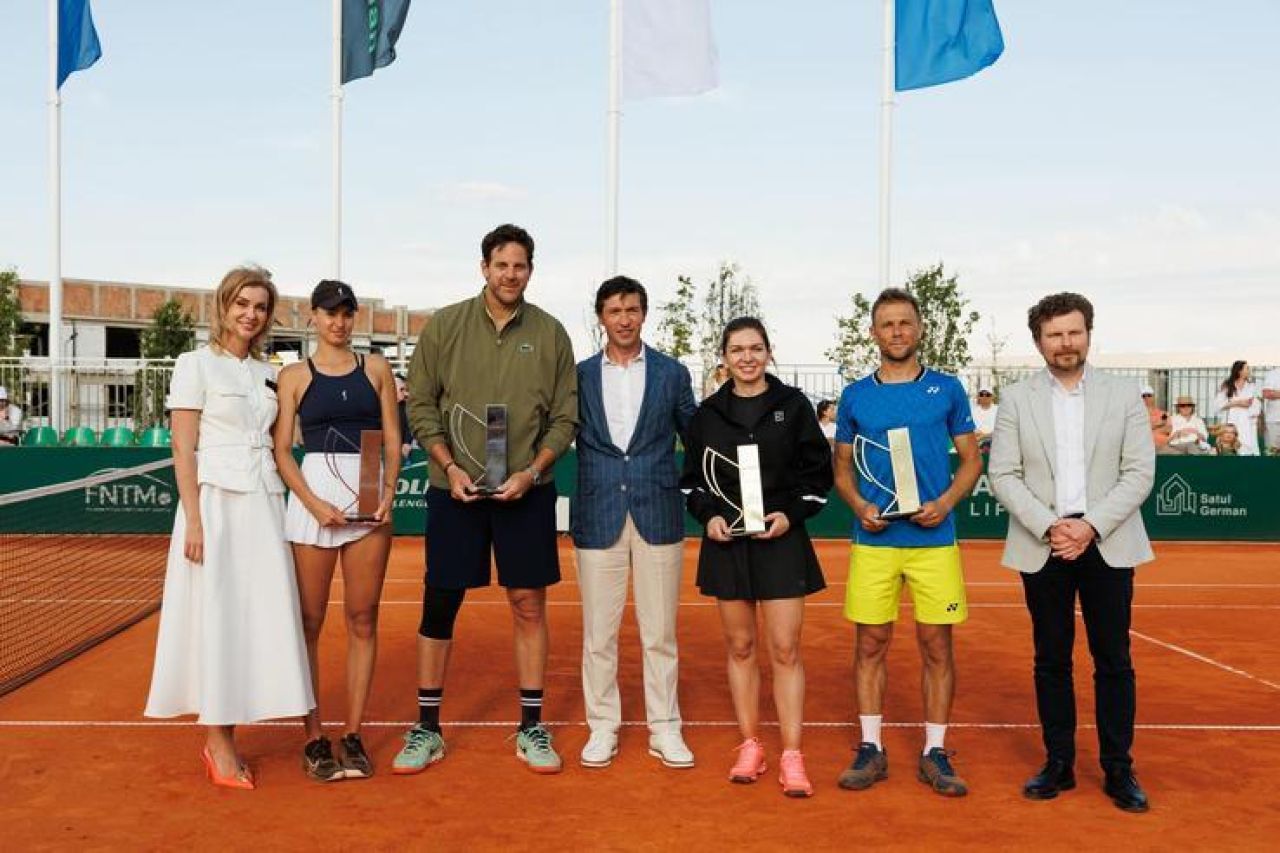
A Cultural Welcome for a Tennis Icon
Simona Halep, the former world number one and two-time Grand Slam champion, was greeted with a distinctly traditional reception during her recent visit to Chișinău. The capital of Moldova rolled out a cultural welcome that blended local heritage with sporting admiration, featuring live folk music performances and tastings of highly regarded collector wines. The event highlighted the deep appreciation regional audiences hold for elite athletes who have brought prestige to the broader Southeast European tennis circuit. Such gatherings underscore how sports diplomacy continues to evolve beyond stadiums and press rooms, embracing local customs and historical traditions.
Halep’s arrival in the city drew attention from sports fans and cultural organizers alike. Rather than a standard press conference or commercial promotion, the itinerary emphasized Moldova’s rich musical traditions. Local ensembles performed regional folk melodies, creating an atmosphere that mirrored the warmth typically associated with Eastern European hospitality. The Romanian-born athlete, who captured titles at Roland Garros and Wimbledon, received a standing ovation before the musical segment began. Her presence underscored the continuing influence of former champions who remain active in promotional and ambassadorial roles. Fans noted the deliberate shift away from generic event formats, favoring a program that celebrated local artistry alongside athletic achievement.
Moldova’s Wine Heritage Meets Sporting Glory
The second phase of the event centered on Moldova’s renowned viticulture. Guests were presented with selections from historic cellars, showcasing vintages that have earned international recognition over decades. Wine remains a cornerstone of the country’s cultural identity, and pairing it with a high-profile sports visit reinforced the intersection of leisure, tourism, and athletic excellence. Organizers carefully curated the tasting to reflect both traditional methods and modern winemaking standards, offering visitors a glimpse into an industry that has sustained local economies for generations. The collector bottles featured rare regional blends, drawing praise from attendees who appreciated the meticulous preservation efforts.
Regional Ties and Future Appearances
Visits like Halep’s serve as informal bridges between neighboring sporting communities. Moldova and Romania share linguistic and cultural continuity, making cross-border appearances common among athletes from the region. The reception in Chișinău demonstrated how local institutions leverage heritage elements to honor visiting stars while promoting domestic tourism. As European tennis circuits continue to expand their promotional outreach, events that combine athletic recognition with cultural immersion are likely to grow in frequency. The gathering also highlighted how regional audiences value authenticity, preferring experiences that reflect local customs over standardized corporate formats. Future tours may follow a similar model, emphasizing heritage, hospitality, and the enduring appeal of sporting excellence.


Comments