


The global music icon Shakira has once again dominated headlines, this time not for a romantic ballad, but for her controversial appointment to perform at the opening ceremony of the 2026 FIFA World Cup. The Colombian superstar, known for hits like Hips Don't Lie and Waka Waka, is set to kick off the tournament co-hosted by the United States, Canada, and Mexico. However, her selection has ignited a firestorm of criticism from fans and pundits alike, particularly regarding her recent absence from major sporting events and her public disputes with former partners. For audiences across the Balkans, where football is a religion, the news has triggered a complex mix of curiosity and skepticism, especially given the region's deep connection to the World Cup legacy that Shakira helped define in 2010.
While the official announcement from FIFA celebrated her global reach, social media platforms have been flooded with memes and complaints questioning her relevance to modern football culture. Critics argue that her last major World Cup anthem, Waka Waka (This Time for Africa), remains the gold standard, and that her recent career trajectory has drifted away from the sporting spirit. Yet, the sheer magnitude of her brand ensures that her return to the global stage will generate unprecedented viewership numbers, forcing a conversation about the intersection of celebrity culture and international sports.

From Waka Waka to Controversy: The Context
Shakira's relationship with the World Cup is historic. Her 2010 anthem, Waka Waka, became an unofficial hymn for fans worldwide, bridging cultural divides during the tournament in South Africa. For a decade, the song has been synonymous with the joy of football. However, the announcement of her 2026 involvement comes after years of relative silence in the sports entertainment sphere. The Colombian singer has focused on her music career and personal life, including her high-profile legal battles with former partner Gerard Piqué, a Spanish professional footballer. This personal drama has overshadowed her professional achievements in the eyes of some hardcore fans.
The controversy stems from the perception that FIFA is prioritizing legacy acts over fresh, contemporary voices that resonate with younger demographics. While Shakira's catalog remains massive, the debate highlights a shift in how global sports organizations approach marketing. In the Balkans, where football loyalty is often tied to local clubs and national pride rather than global pop stars, this disconnect is palpable. Fans in Serbia, Croatia, and Bulgaria are more likely to discuss their national teams' chances than the opening act, yet they cannot ignore the media saturation surrounding the singer.
Furthermore, the 2026 World Cup marks the first expansion of the tournament to 48 teams, including the debut of Venezuela and the return of several European nations. The scale of the event is unprecedented, and FIFA’s decision to leverage Shakira’s name is a calculated move to ensure global engagement. However, the backlash suggests that legacy alone may not be enough to sway a new generation of fans who are increasingly critical of corporate sponsorships and celebrity endorsements in sports.
The Balkan Angle: Football Passion vs. Pop Spectacle
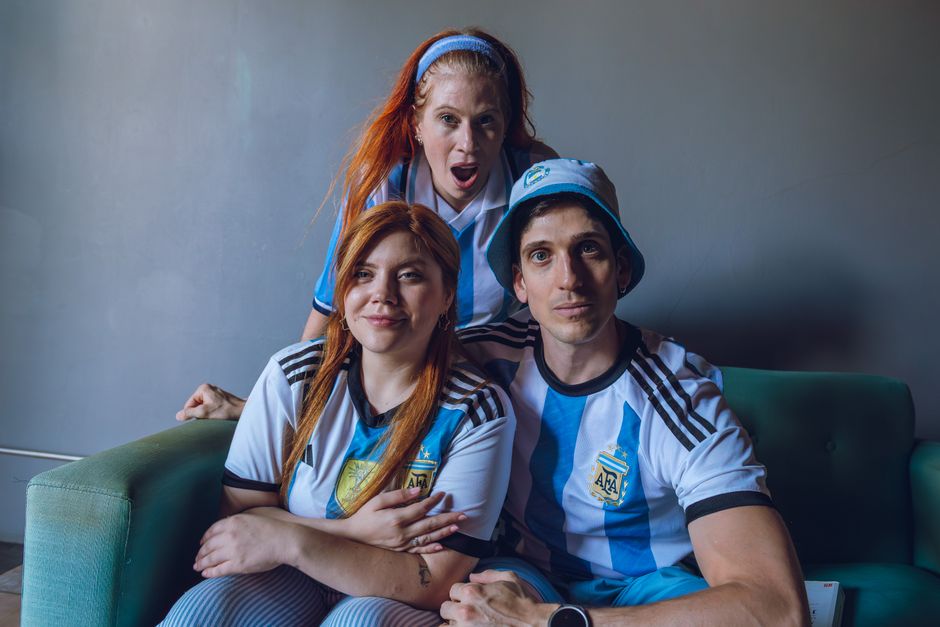
In the Balkans, football is not just a sport; it is a cultural cornerstone. Nations like Croatia, Serbia, and Bosnia and Herzegovina have produced some of the world’s greatest talents, from Luka Modrić to Dejan Savićević. The region’s footballing identity is deeply rooted in grit, technical skill, and national pride. For Balkan fans, the World Cup is a moment of intense nationalistic expression, far removed from the polished pop spectacles of the opening ceremonies. The news of Shakira’s involvement has been met with indifference or mild annoyance, as fans prioritize discussions about team lineups and qualifying performances.
Nevertheless, Shakira’s music remains familiar in the region. Waka Waka is still played in bars and stadiums across Greece, Romania, and Turkey during match days. Her presence in 2026 may serve as a nostalgic bridge for older fans, while younger generations remain skeptical. The Balkan media landscape, however, has picked up the controversy, with outlets like Balkan Insight and local sports portals analyzing the implications. The debate mirrors a broader global tension: the commercialization of football versus its pure sporting essence.
Moreover, the 2026 tournament will see strong Balkan contenders. Croatia and Serbia are expected to be competitive, with Montenegro and Bosnia also vying for a spot. The focus for these nations remains on the pitch, not the stage. Yet, Shakira’s global platform ensures that the tournament’s visibility will reach new heights, potentially attracting new fans to the sport in the region. The challenge for FIFA is to balance this commercial appeal with the authentic passion that defines football in places like the Balkans.
What to Watch Next
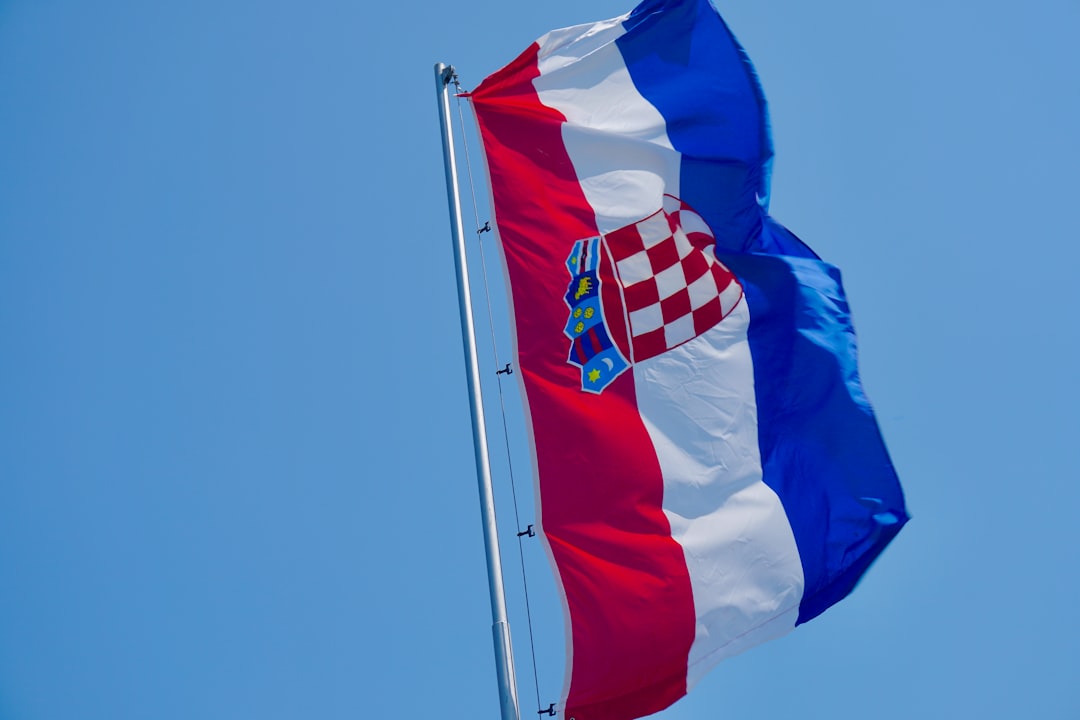
As the 2026 World Cup approaches, the conversation around Shakira will likely evolve from controversy to performance evaluation. Fans will be watching to see if she can deliver a new anthem that resonates like Waka Waka or if her set will be seen as a missed opportunity. For Balkan audiences, the real story remains the competition on the field. The qualification campaigns for the 48-team format are already underway, and the stakes are higher than ever for nations like Romania and Bulgaria, who are eager to return to the global stage.
The intersection of pop culture and football continues to grow, but the heart of the game remains unchanged. Whether Shakira’s involvement will be remembered as a triumph or a misstep remains to be seen. One thing is certain: the World Cup will captivate millions, and for the Balkans, the passion for football will continue to drive the narrative, regardless of who sings the opening notes. The next few months will reveal how the tournament organizers manage the balance between spectacle and sport, a challenge that resonates far beyond the borders of the host nations.
Comments