


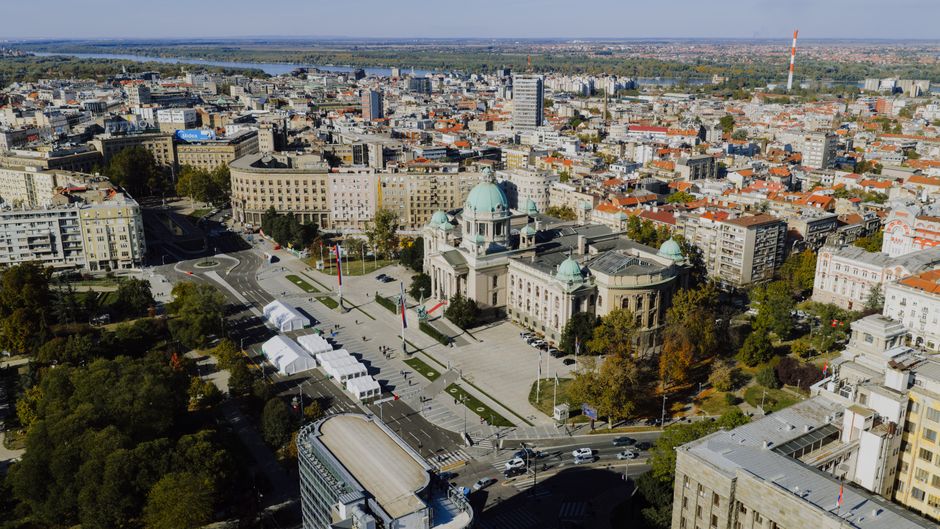
Belgrade — Meteorological authorities in Serbia have issued urgent warnings for severe weather conditions expected to impact several regions, particularly the Zlatibor District, in the coming hours. The Hydrometeorological Institute of Serbia (RHMZ) has alerted residents to prepare for heavy rainfall, strong winds, and potential localized flooding as a powerful weather system moves across the country. This development marks a significant shift from the relatively stable conditions seen earlier in the week, raising concerns for infrastructure, agriculture, and daily life in affected areas. For international audiences and Balkan residents, this serves as a reminder of the volatile nature of regional weather patterns, which can rapidly escalate into hazardous situations requiring immediate attention and safety precautions.
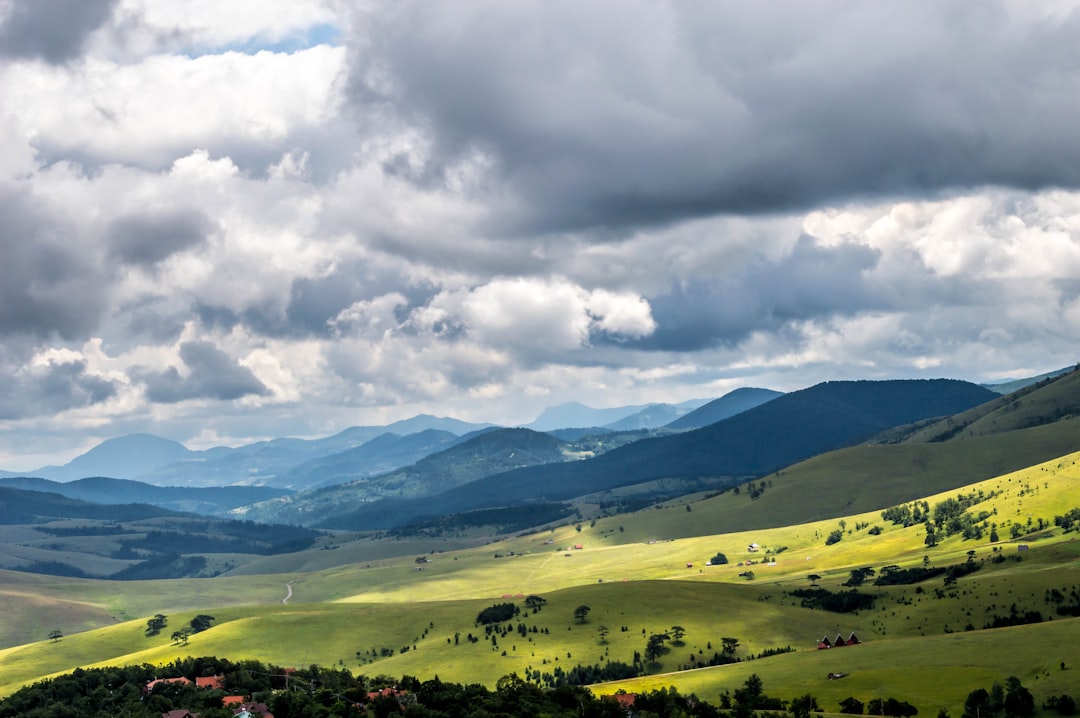
The warning specifically highlights the risk of thunderstorms accompanied by hail and gusty winds that could exceed 80 km/h in exposed areas. Emergency services have been placed on high alert to respond to any incidents related to fallen trees, power outages, or flash flooding. The Zlatibor region, known for its mountainous terrain and tourism appeal, is particularly vulnerable to rapid accumulation of rain and subsequent river swelling. Authorities are urging drivers to avoid unnecessary travel and residents to secure outdoor objects that could become projectiles in high winds. This proactive communication aims to minimize damage and ensure public safety during the peak of the storm.
Regional Weather Patterns and Meteorological Context
The current weather event is part of a broader pattern affecting the Balkan Peninsula, where atmospheric instability is increasing due to the clash of warm and cold air masses. Serbia, situated in the heart of the Balkans, often experiences dramatic weather shifts, especially during transitional seasons. The Hydrometeorological Institute of Serbia monitors these changes closely, using advanced radar and satellite data to predict the trajectory and intensity of storms. Recent climate trends suggest an increase in the frequency and severity of extreme weather events across the region, making accurate forecasting and timely warnings more critical than ever for community resilience and preparedness.
Meteorologists note that the storm system originated from the west and is moving eastward, bringing moisture from the Adriatic Sea. This influx of humid air, when lifted by the mountainous topography of western Serbia, leads to intense convective activity. The result is rapid cloud formation and heavy precipitation. Similar patterns have been observed in neighboring countries, including Croatia and Bosnia and Herzegovina, indicating a regional weather phenomenon. Understanding these dynamics helps residents and officials anticipate not just the immediate impact of the storm, but also the potential for secondary effects such as soil erosion and landslides in steep areas.
Historical data shows that the Zlatibor District has experienced significant weather-related disruptions in the past, prompting the implementation of improved early warning systems. The RHMZ’s alert system, which includes SMS notifications and media broadcasts, plays a vital role in disseminating information quickly. Experts emphasize that while weather prediction technology has advanced, the inherent unpredictability of severe storms requires constant vigilance. The current warning underscores the importance of heeding official advice and staying informed through reliable sources to navigate the challenges posed by extreme weather.

Impact on Infrastructure and Daily Life
The immediate impact of the severe weather is expected to be felt most acutely in transportation and utilities. Electricity providers have mobilized repair crews to address potential power outages caused by downed lines or trees. In rural areas, where access to emergency services may be delayed, residents are advised to have backup power sources and emergency supplies ready. Road closures are likely, particularly on mountain passes and rural roads where landslides or flooding could block traffic. The Ministry of Transport is coordinating with local authorities to monitor road conditions and provide real-time updates to travelers.
Agriculture is another sector at risk, with heavy rain potentially damaging crops and causing soil saturation. Farmers in the affected districts are taking measures to protect their livelihoods, such as reinforcing greenhouses and clearing drainage channels. The economic impact of severe weather can be significant, particularly for smallholder farmers who rely on favorable growing conditions. Insurance companies are also preparing for a potential surge in claims related to property damage, highlighting the broader economic implications of extreme weather events. This underscores the need for robust insurance coverage and financial planning to mitigate losses.
For urban residents, the storm may disrupt daily commutes and outdoor activities. Public transportation services are monitoring the situation and may adjust schedules or routes to ensure safety. Schools and businesses in the most affected areas might consider temporary closures if conditions deteriorate. The government is encouraging a culture of preparedness, urging citizens to create emergency kits and familiarize themselves with evacuation routes. By fostering community resilience, Serbia aims to reduce the vulnerability of its population to natural disasters and ensure a swift recovery in the aftermath of severe weather.
What to Watch Next
In the coming days, the focus will shift to assessing the damage and restoring normalcy. Authorities will conduct inspections of infrastructure, including bridges, roads, and power lines, to identify any hazards. The Hydrometeorological Institute of Serbia will continue to issue updates as the storm system moves out, providing clarity on when conditions will return to stable levels. Residents are encouraged to stay informed through official channels and avoid spreading unverified information on social media. Accurate information is key to maintaining public order and ensuring that emergency resources are directed where they are needed most.
Long-term, this event reinforces the importance of climate adaptation strategies in the Balkans. As extreme weather becomes more common, governments and communities must invest in resilient infrastructure and sustainable land-use practices. International cooperation and knowledge-sharing can also play a role in enhancing regional preparedness. For readers outside Serbia, this serves as a case study in how weather warnings and emergency response systems operate in a rapidly changing climate. Staying informed about such developments not only helps individuals protect themselves but also contributes to a broader understanding of global weather trends and their local impacts.


Comments