


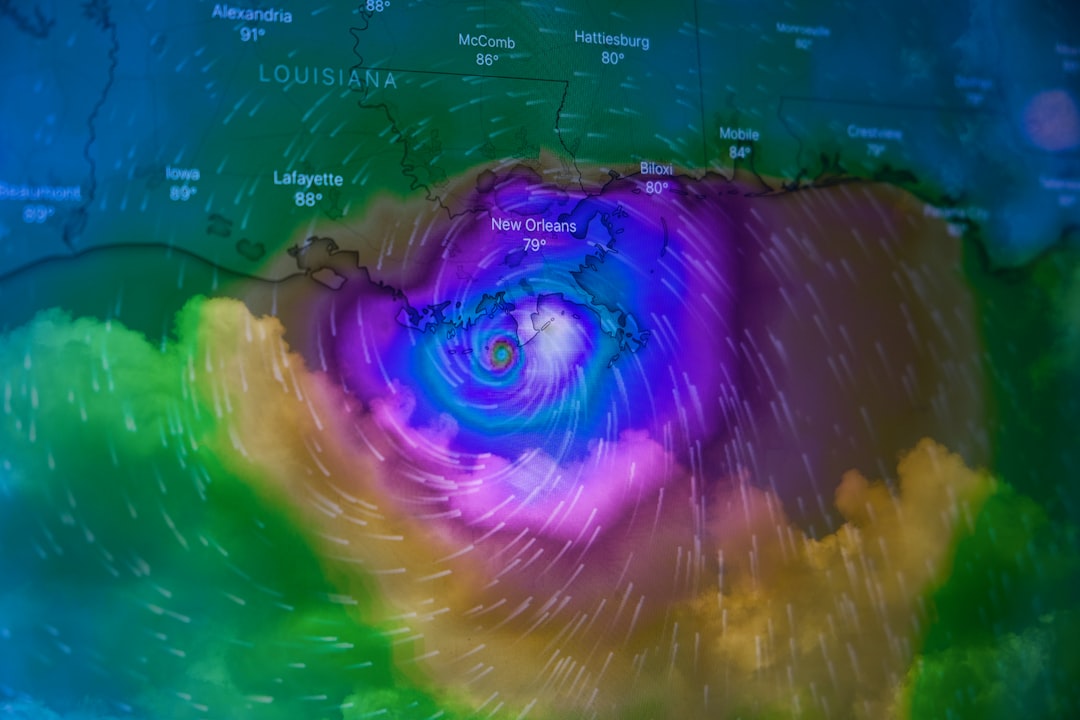
A significant weather warning has been issued across Romania, with the Hydrometeorological Institute (INM) activating an orange alert for torrential rain, thunderstorms, and strong winds in 17 counties. This severe weather event, which also includes a yellow warning for additional regions, marks a dramatic shift in atmospheric conditions, bringing the risk of flash floods, hail, and localized infrastructure damage. For residents in the affected areas, including the capital Bucharest, the alert signals a period of heightened danger where outdoor activities should be minimized and emergency preparedness is essential. The widespread nature of the warning underscores the increasing volatility of weather patterns in the Balkans during transitional seasons.
The orange code, which is the second-highest level of warning in Romania's meteorological alert system, indicates a high probability of hazardous conditions. In the 17 designated counties, authorities are bracing for rainfall accumulations that could exceed 30 to 40 liters per square meter in short bursts. These downpours are expected to be accompanied by strong gusts of wind reaching up to 55 to 70 kilometers per hour, increasing the risk of fallen trees and power outages. The INM has urged local emergency services to remain on high alert, particularly in low-lying areas and near riverbanks, where rapid water level rises are anticipated.
Scope of the Warning and Regional Impact
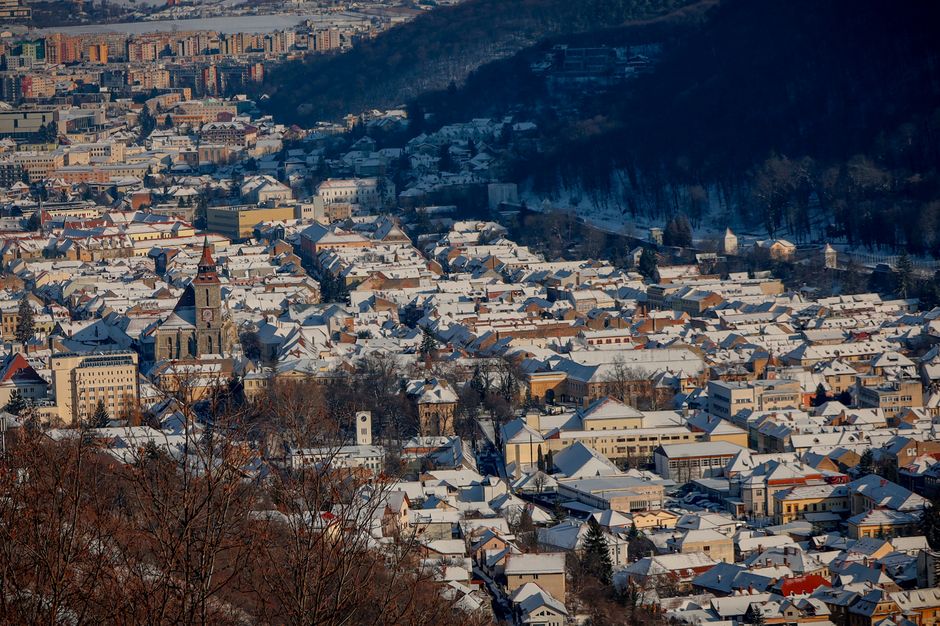
The geographic spread of the orange alert covers a substantial portion of the country, affecting key economic and population centers. Among the 17 counties under the highest level of warning are major urban hubs and agricultural regions that rely heavily on stable weather conditions. The yellow warning, which signifies moderate risk, extends to other parts of the country, indicating that the disturbance is widespread rather than isolated. This broad coverage complicates response efforts, as emergency resources may be stretched thin across multiple jurisdictions simultaneously. The Romanian government has coordinated with local mayors to ensure that evacuation plans are ready in case of critical infrastructure failure.
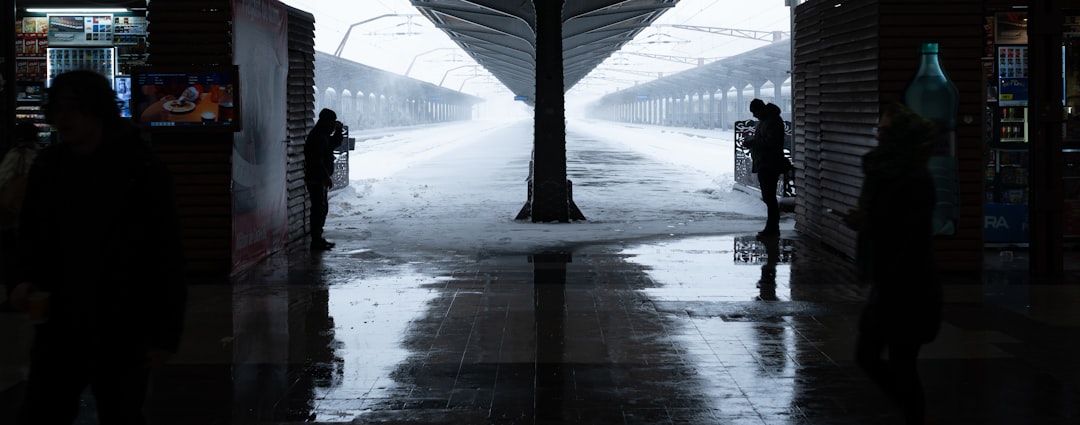
In Bucharest, the capital city, the weather forecast predicts heavy rainfall and intermittent thunderstorms. While the capital is not always under the orange code, the yellow warning for the city still poses significant challenges for daily life. Commuters can expect disrupted traffic due to reduced visibility and potential water accumulation on major thoroughfares. Public transport systems, including the metro and bus networks, have been advised to monitor service levels closely. For residents, the recommendation is to avoid unnecessary travel and to secure outdoor objects that could become projectiles in strong winds. The impact on schools and businesses may vary, with some institutions opting for remote operations to ensure safety.
Significance for the Balkans and Climate Context
This severe weather event is not an isolated incident but part of a broader pattern affecting the Balkan region. Countries neighboring Romania, such as Bulgaria and Serbia, often experience similar atmospheric disturbances during this time of year. The interconnected nature of the Balkan weather systems means that storms can develop in one country and move rapidly across borders, affecting multiple nations simultaneously. This regional volatility has prompted increased cooperation among Balkan meteorological services to improve forecasting accuracy and share real-time data. The European Centre for Medium-Range Weather Forecasts (ECMWF) plays a key role in providing models that help national institutes like the INM issue timely warnings.
Climate change is increasingly cited by experts as a factor intensifying the frequency and severity of such extreme weather events. Warmer air temperatures hold more moisture, leading to heavier rainfall when storms do occur. This phenomenon is particularly evident in the Balkans, where a mix of mountainous terrain and river basins can exacerbate flooding risks. The orange alert in Romania serves as a reminder of the growing need for resilient infrastructure and adaptive planning. As temperatures rise globally, the region must prepare for more frequent disruptions to agriculture, transportation, and daily life. Understanding these trends is vital for policymakers and citizens alike to mitigate future risks.

What to Watch For Next
In the coming days, the focus will shift to the aftermath of the storms and the potential for secondary hazards. Flash floods can cause soil erosion and damage to roads, bridges, and homes, leading to long-term recovery efforts. Authorities are expected to deploy teams to assess damage and clear debris, particularly in rural areas where access may be limited. Residents are advised to stay updated with local news and official channels for any changes to the warning status. If rainfall continues, the risk of river flooding will increase, potentially prompting evacuations in vulnerable communities. The INM will continue to monitor atmospheric conditions and adjust alerts as necessary, providing critical information for public safety.
For the broader Balkan audience, this event highlights the importance of staying informed about local weather forecasts. With mobile apps and online platforms providing real-time updates, individuals can take proactive steps to protect themselves and their property. The orange code is a serious indicator that should not be ignored, as the consequences of severe weather can be life-threatening. As the region faces an uncertain climate future, community resilience and preparedness will be key to navigating these challenges. Monitoring the situation in Romania offers valuable insights into the broader weather dynamics shaping the Balkans, making it a topic of regional importance beyond national borders.



Comments