



A powerful thunderstorm accompanied by torrential rain and gusty winds has swept across Sofia and the northwestern regions of Bulgaria, disrupting daily life and prompting warnings from meteorological authorities. The severe weather event, characterized by heavy precipitation and lightning strikes, has led to localized flooding in urban areas and caused minor damage to infrastructure. Residents in the capital and surrounding provinces have been advised to take precautions as the Bulgarian Institute of Meteorology and Hydrology continues to monitor the storm's progression. This weather pattern is particularly significant as it marks one of the more intense meteorological events in the region for the current season, highlighting the increasing frequency of extreme weather conditions in the Balkans.
Severe Weather Conditions Across Sofia and Northwestern Bulgaria
The storm system that impacted Sofia and the northwestern part of the country brought with it a combination of heavy rainfall, strong wind gusts, and frequent lightning. According to reports, rainfall amounts exceeded normal seasonal averages in a short period, leading to rapid accumulation on streets and in drainage systems. The Hydrometeorological Institute issued alerts for potential flash flooding, especially in low-lying areas and near riverbanks. Wind speeds reached significant levels, causing fallen tree branches and minor disruptions to power lines in several neighborhoods. The sudden onset of the storm caught many residents off guard, resulting in traffic congestion and delayed public transportation services.
Local emergency services responded to multiple calls regarding waterlogged streets and fallen debris. In some parts of Sofia, water levels rose quickly, forcing drivers to navigate through flooded intersections with caution. The northwestern regions, including areas near Montana and Vratsa, also experienced similar conditions, with agricultural fields facing the risk of waterlogging. Authorities emphasized the importance of staying indoors during the peak hours of the storm and avoiding unnecessary travel. The severity of the rainfall was notable, as it surpassed typical precipitation levels for this time of year, underscoring the unpredictability of current weather patterns in the region.
Impact on Infrastructure and Daily Life
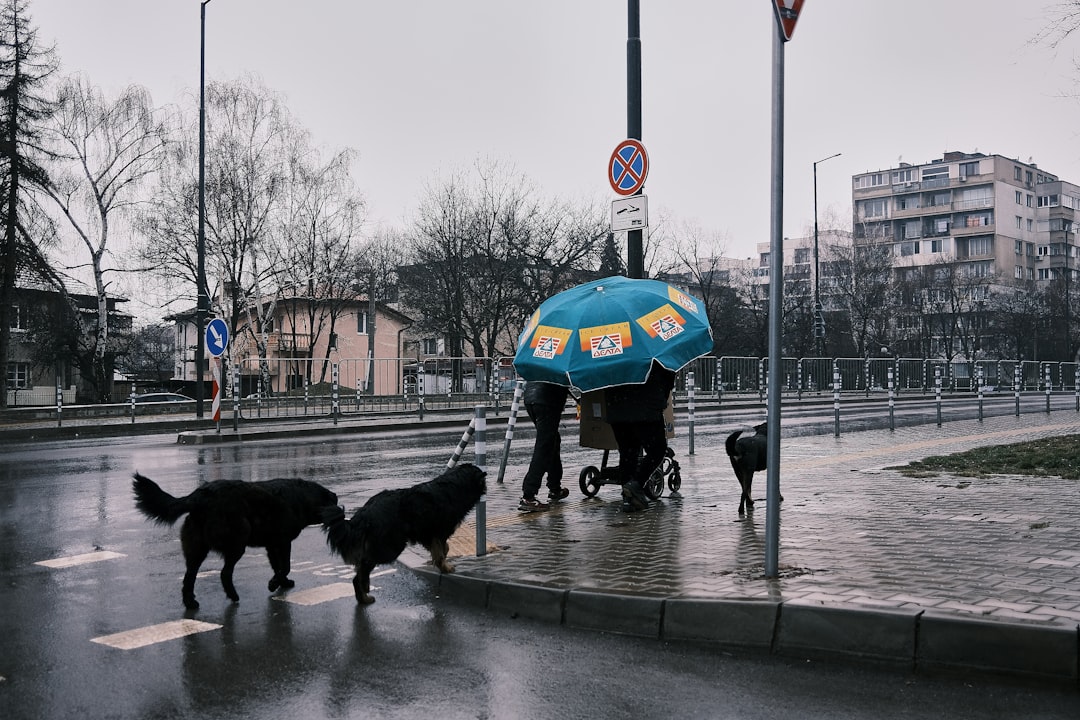
The intense rainfall and accompanying winds had a tangible impact on infrastructure in Sofia and the affected northwestern districts. Several roads were temporarily closed due to standing water, and public transport schedules were adjusted to ensure passenger safety. Utility companies reported minor outages in some areas, where fallen trees came into contact with power lines. Repair crews were dispatched to restore electricity and clear obstructed roadways. The Municipality of Sofia activated its emergency response teams to manage drainage issues and assist residents in affected neighborhoods. Schools and offices in some districts advised remote work or early closures to mitigate risks associated with the severe weather.
Residents shared accounts of the storm's intensity on social media, highlighting the rapid accumulation of water and the loud thunder that accompanied the lightning strikes. Some homeowners reported minor water damage to basements and lower floors of buildings. Local businesses, particularly those in open-air markets, had to secure their goods and shut down operations during the peak of the storm. The event served as a reminder of the vulnerability of urban infrastructure to extreme weather events. As cleanup efforts continued, authorities focused on assessing any long-term damage and ensuring that drainage systems were functioning optimally to prevent future flooding incidents.

Climate Context and Future Outlook
The occurrence of such a powerful thunderstorm in Sofia and northwestern Bulgaria aligns with broader trends of increasing extreme weather events in the Balkans. Climate experts note that changing atmospheric conditions are leading to more frequent and intense rainfall episodes, even in regions that historically experienced more stable weather patterns. The European Environment Agency has highlighted the need for enhanced urban planning and infrastructure resilience to cope with these changes. As global temperatures rise, the atmosphere can hold more moisture, resulting in heavier precipitation when storms do occur. This phenomenon is particularly relevant for the Balkan region, which is experiencing shifts in seasonal weather norms.
Looking ahead, meteorological agencies will continue to monitor the region for any lingering effects of the storm system. Residents are encouraged to stay informed through official weather channels and prepare for potential future events. The incident in Sofia serves as a case study for how cities in the Balkans can adapt to increasing weather volatility. Improvements in drainage infrastructure, early warning systems, and public awareness campaigns are essential steps toward mitigating the impact of severe thunderstorms. As the region faces more unpredictable weather, understanding these patterns and preparing accordingly will be key to safeguarding communities and infrastructure.
In the coming days, authorities will assess the full extent of any damage caused by the storm and implement measures to prevent similar disruptions in the future. Residents should remain vigilant and follow guidance from local emergency services. The event underscores the importance of climate resilience in urban planning and the need for continued investment in infrastructure that can withstand extreme weather. For those in the Balkans, staying informed and prepared is essential as weather patterns continue to evolve. The storm in Sofia and northwestern Bulgaria serves as a timely reminder of the power of nature and the necessity of proactive measures to protect communities.



Comments