


The National Meteorological Administration (ANM) of Romania has issued urgent yellow code alerts for severe weather conditions affecting the capital, Bucharest, and surrounding regions. These warnings signal the arrival of strong thunderstorms, heavy rainfall, and gusty winds that are expected to disrupt daily life across the city. For residents of Bucharest, the capital of Romania and one of the major urban centers in the Balkans, this weather event represents a significant logistical challenge. The alerts are particularly concerning as they coincide with peak commuting hours, raising the risk of traffic congestion and potential infrastructure strain.
The meteorological service has identified specific zones within the metropolitan area that are under heightened risk. The yellow code indicates a moderate level of danger, urging citizens to remain vigilant and avoid unnecessary travel during the peak of the storm. This is not an isolated incident; Romania has seen an increase in extreme weather events in recent years, prompting officials to enhance their warning systems. The current alerts serve as a reminder of the growing volatility of the regional climate and the need for robust urban preparedness.
Understanding the Yellow Code and Expected Impacts
The yellow code warning issued by the National Meteorological Administration typically precedes more severe alerts such as orange or red codes. It signifies that hazardous weather conditions are likely to occur, with potential for localized damage. In the case of Bucharest, the primary threats include hail, strong wind gusts exceeding 55 km/h, and rapid accumulation of rain. These conditions can lead to temporary flooding in low-lying areas, fallen trees blocking roads, and brief power outages.
Residents are advised to secure loose outdoor objects and avoid driving through flooded streets. The Romanian Red Cross and local emergency services have been put on standby to respond to any immediate incidents. Schools and businesses may operate as usual unless local authorities issue specific directives, but flexibility is encouraged. The impact on public transport is also being monitored, with the Bucharest Metro likely to remain operational but subject to delays due to safety checks above ground.
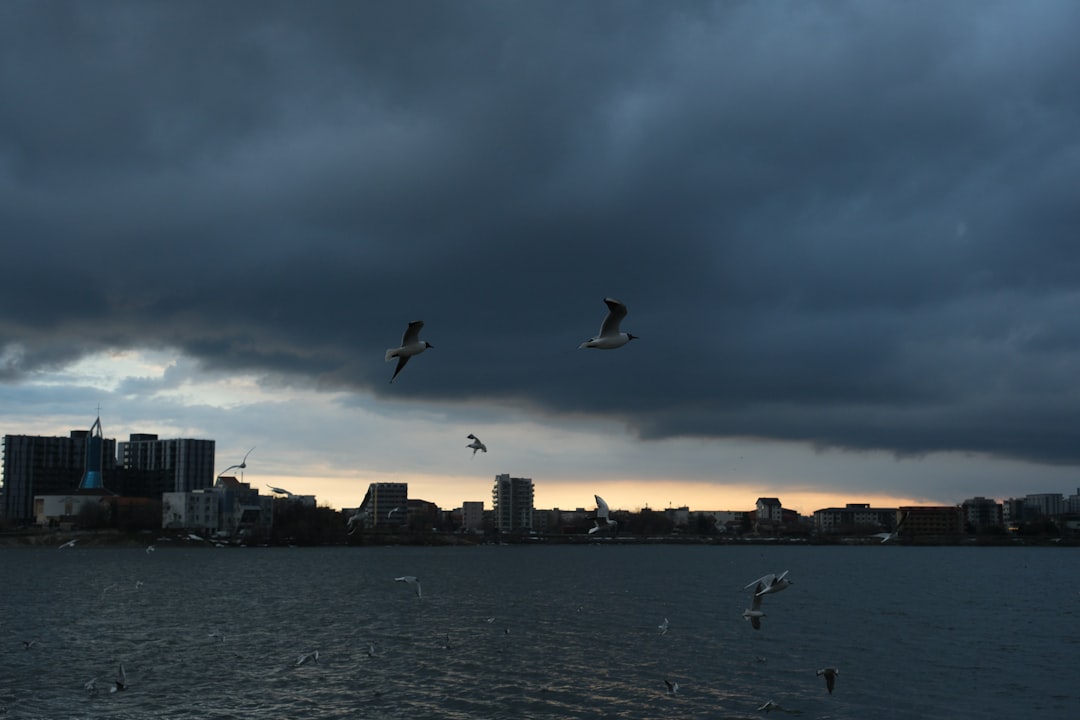
The significance of these alerts lies in their timing and intensity. As the storm systems move across the country, they bring a mix of cold and warm air masses, creating unstable atmospheric conditions. This instability is a hallmark of spring and early summer weather in the Balkans, where rapid changes can catch even experienced observers off guard. The yellow code serves as a critical early warning, allowing citizens and authorities to take preemptive measures to minimize damage and ensure safety.
Bucharest's Infrastructure and Climate Resilience
Bucharest, often referred to as the "Paris of the East" due to its historic architecture, faces unique challenges when dealing with extreme weather. The city's drainage systems, while improved in recent years, are still tested by heavy rainfall that exceeds historical averages. Urbanization has reduced natural water absorption areas, leading to increased surface runoff. This makes flood management a priority for city planners, who are investing in modernization projects to enhance resilience against such events.
The broader region, including the Danube basin, is also experiencing shifts in weather patterns. Climate change has been linked to more frequent and intense storms in Southeast Europe. For Balkan audiences, this trend is relevant as it affects agriculture, tourism, and daily living across borders. Romania's experience with these storms offers a case study for other Balkan cities that are similarly vulnerable to extreme weather. The collaboration between national meteorological agencies and local governments is essential for effective disaster management.
Public awareness campaigns have increased in recent years, with the ANM utilizing social media and mobile alerts to reach citizens quickly. This digital approach has improved response times and helped reduce casualties and property damage. However, challenges remain in ensuring that all segments of the population, including those in older residential areas, are adequately informed. The ongoing development of smart city technologies in Bucharest aims to integrate real-time weather data into urban management systems, providing a more proactive approach to safety.
What to Watch For Next
As the storm system moves through Romania, the focus will shift to monitoring the evolution of the weather patterns. The ANM will issue updated forecasts every few hours, with potential upgrades to orange code alerts if conditions worsen. Residents should keep their devices charged and tuned to official news sources for real-time information. The coming days will be critical in assessing the extent of any damage and the effectiveness of the emergency response.
For the wider Balkan region, this event underscores the importance of cross-border cooperation in weather forecasting and disaster management. Shared meteorological data and joint training exercises can enhance preparedness for all countries in the area. As climate change continues to influence weather patterns, the lessons learned from storms in Bucharest will be valuable for cities across Southeast Europe. Staying informed and prepared is the best defense against the unpredictable nature of extreme weather.



Comments