


Elektroprivreda Srbije (EPS), the state-owned electricity company that serves as the backbone of Serbia's energy sector, is currently at the center of a severe financial crisis that threatens to destabilize the broader national economy. Recent reports from major Serbian media outlets, including Nova.rs, highlight that EPS, along with other strategic entities like the highway construction company Putevi Srbije and the City of Belgrade, are accumulating unsustainable debt levels. This trio of liabilities is described by economists as "three stones around the neck" of the Serbian state, posing a direct risk to the country's fiscal stability and its ability to service sovereign debt. For a nation heavily reliant on these state-owned enterprises for infrastructure and basic services, the financial health of EPS is not merely a corporate issue but a matter of national security.
The situation has drawn significant attention from international investors and credit rating agencies, who view the mounting liabilities of state-owned enterprises (SOEs) as a key indicator of macroeconomic risk. As energy prices fluctuate globally and the costs of maintaining aging thermal power plants rise, EPS finds itself in a precarious position. The company is responsible for generating, transmitting, and distributing electricity across Serbia, making its operational continuity vital for industries, households, and the grid's connection to regional neighbors. The inability to manage these costs efficiently could lead to higher tariffs for consumers or, conversely, deeper state subsidies that drain the public budget.
The Financial Burden on State-Owned Enterprises
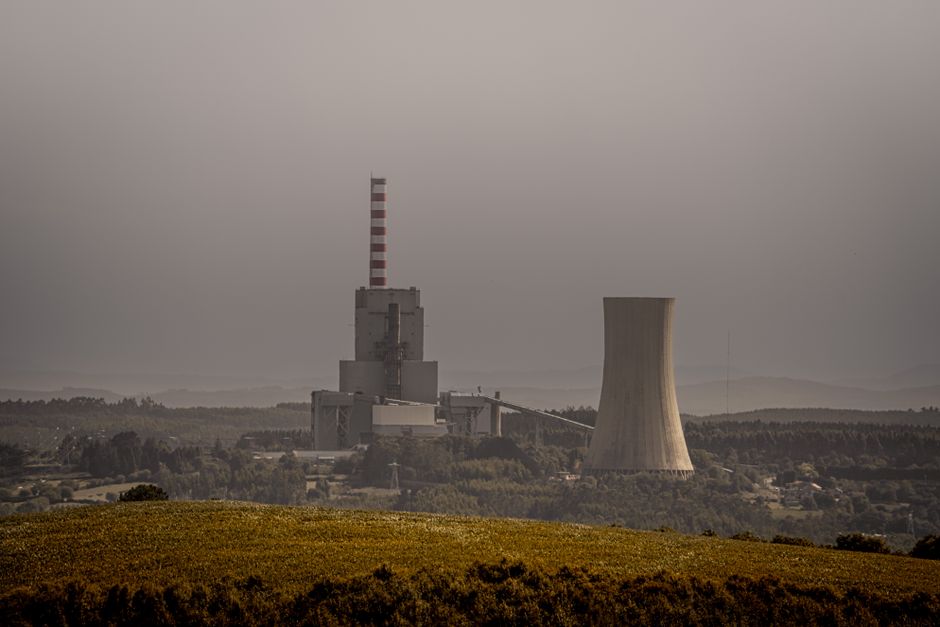
At the heart of the crisis is the massive debt load carried by Elektroprivreda Srbije. The company operates several large thermal power plants, including the Kolubara and MAA facilities, which are critical for domestic energy production but require constant maintenance and upgrades to meet environmental standards. Recent analysis suggests that EPS has struggled to generate sufficient revenue to cover its operational costs and debt servicing obligations. This financial strain is exacerbated by the high cost of coal imports and the need to invest in cleaner technologies to align with European Union regulations. The company's debt is effectively guaranteed by the state, meaning that any default or liquidity crisis would directly impact Serbia's sovereign credit rating.
The problem is compounded by the parallel struggles of Putevi Srbije, the entity responsible for building and maintaining the country's highway network. Like EPS, Putevi relies heavily on international loans and state budget support to fund ambitious infrastructure projects. The City of Belgrade, as the largest local government entity, also faces significant fiscal pressures due to urban development costs and service delivery. When these three major debtors face simultaneous liquidity challenges, the Serbian government is forced to divert funds from other critical areas, such as healthcare and education, to prevent a broader economic collapse. This "crowding out" effect limits the state's ability to stimulate growth or invest in new industries.
Energy Security and Regional Implications
The financial woes of EPS have direct implications for energy security in the Balkans. Serbia is a net exporter of electricity to neighboring countries, including Bosnia and Herzegovina, Montenegro, and Kosovo. However, the aging infrastructure and lack of investment in modernization threaten the reliability of these exports. Any disruption in power generation could lead to shortages not only within Serbia but also across the regional grid, which is interconnected through the Regional Cooperation Council initiatives. The reliance on coal-fired power plants also places Serbia at odds with the European Union's green transition goals, potentially affecting the country's accession negotiations and access to EU funds.
Furthermore, the crisis highlights the broader structural issues within Serbia's state-owned sector. Many SOEs in the Balkans were privatized or restructured in the early 2000s, but key strategic assets like EPS remain under state control. This lack of private investment and market discipline has led to inefficiencies and cost overruns. International observers argue that without significant reforms, including potential privatization or public-private partnerships, EPS will continue to drag down the national economy. The government has proposed various measures, including tariff increases and restructuring plans, but these have faced public resistance and political pushback. The challenge is to balance fiscal responsibility with social stability, a delicate task in a politically sensitive environment.
What Lies Ahead for Serbia's Economy
Looking forward, the situation with Elektroprivreda Srbije requires urgent attention from policymakers and international partners. The Serbian government must decide whether to inject more capital into EPS to ensure its short-term survival or pursue deeper structural reforms that may involve partial privatization. Credit rating agencies will closely monitor the debt-to-GDP ratio and the fiscal impact of SOE bailouts. A downgrade in Serbia's credit rating could increase borrowing costs, making it even harder for the state to manage its existing debts. For Balkan audiences, the outcome of this crisis will serve as a barometer for the region's economic resilience and its ability to navigate the transition to a market-based economy.
Investors and citizens alike are watching to see if the government can implement effective cost-cutting measures without compromising energy supply. The potential for renewable energy projects, such as wind and solar farms, offers a long-term solution but requires significant upfront investment. Until then, the "three stones" of debt from EPS, Putevi, and Belgrade will remain a heavy burden on Serbia's economic prospects. The coming months will be critical in determining whether Serbia can stabilize its finances and restore confidence among international partners. The stakes are high, as the stability of the entire national economy hangs in the balance.



Comments