


The Hidden Cost of Hydroelectric Progress
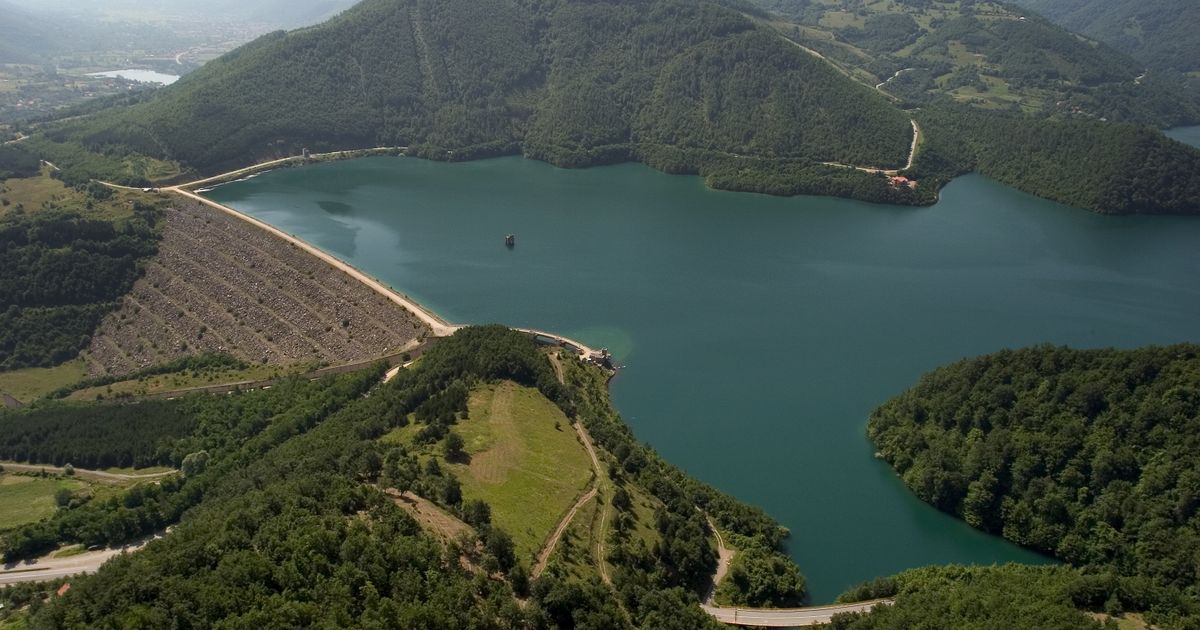
Today, Gazivoda is viewed primarily through the lens of geopolitics. It is a strategic energy hub and a frequent subject of political negotiation between Serbia and Montenegro. Yet, before it became a chess piece in modern diplomacy, the reservoir was a story of sacrifice. It represents a lost homeland, submerged centuries, and memories trapped at the bottom of the Ibar River valley.
Constructed during the era of socialist Yugoslavia, the artificial lake was part of the ambitious Ibar-Lepenac hydro-system project. The goal was clear: modernization, electricity, and water supply. However, the price of this progress was steep for the residents of the valley. Before the hydroelectric plant began operation and millions of cubic meters of water flooded the fertile plain, the land was home to communities. There were houses, family estates, churches, and cemeteries that had stood for generations.
Submerged Villages and Medieval Ruins
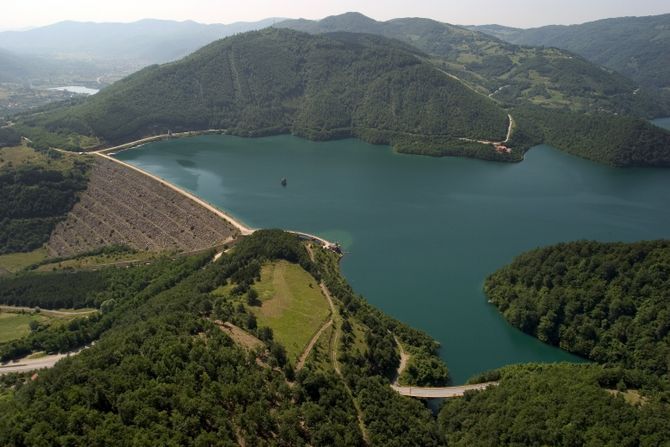
Historical records and chronicles from the time indicate that between 12 and 14 Serbian villages were submerged during the creation of the reservoir. Overnight, parts of the old life in Ibarsko Kolasićevo were erased from the map. The local population was forced to relocate, leaving their hearths underwater. Villages such as Brnjak, Čitluk, Prelez, Rezalo, and Vojmislići vanished from the landscape forever.
What makes Gazivoda particularly intriguing, and painful for many, is the rich historical heritage remaining at its bottom. For decades, discussions have continued among the public and experts about what exactly lies beneath the waves. There are claims of traces of medieval, and even ancient, heritage. The most prominent story concerns Brnjak and the court of Serbian Queen Jelena Anžujska. It is said that her famous school for poor girls, considered a pioneering women’s technical school in the Balkans, once stood there.
A Legacy Beneath the Surface
While the scientific community urges caution, noting that not every claim is archaeologically verified, the fact remains that invaluable traces of the past were never fully explored. Today, Gazivoda is mostly mentioned in terms of megawatts, pipelines, and management rights. But if one looks beneath the surface, literally and metaphorically, it becomes clear that the water did not just cover the land. It covered the memory of a space, a people, and a way of life that disappeared overnight.



gazivoda altı ne var kimse bilmiyor ngl, sadece politikacılar megavat sayıyor. o okul hikayesi gerçek mi acaba, yoksa sadece efsane mi...