


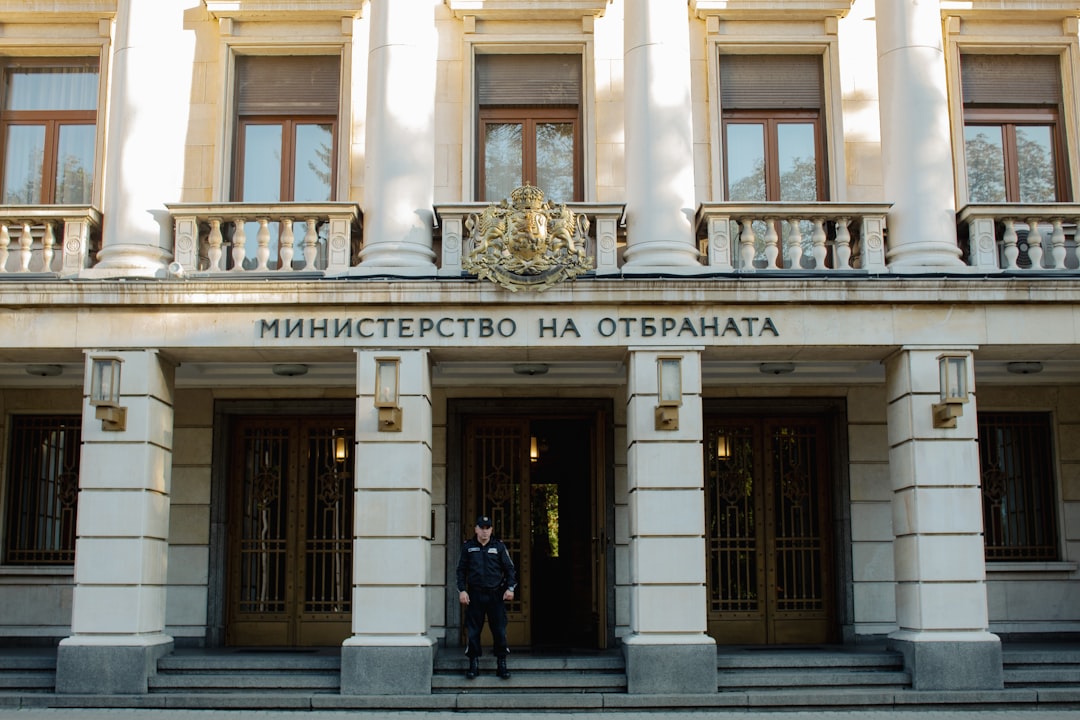
The Ministry of Education in Serbia, known locally as Ministarstvo prosvete, has become the center of a heated political and social controversy after the education minister refused to meet with a delegation of students from the Jovina Gymnasium. This refusal has sparked widespread condemnation from students, teachers, and opposition politicians, who argue that the government is ignoring the growing crisis in the Serbian education system. The incident highlights a deepening rift between the state authorities and the youth, who are increasingly vocal about issues ranging from poor infrastructure and outdated curricula to inadequate teacher salaries and mental health support.
The specific trigger for this outrage was the minister's decision to skip a scheduled meeting with student representatives who had organized a protest to demand better conditions and a say in educational reforms. For many in the Balkans, this event is not just about a single gymnasium in Belgrade; it is a symptom of a broader disconnect between the ruling establishment and the younger generation. As universities and high schools across the region face similar pressures, Serbia's situation is being watched closely by educators and parents who fear that the quality of education is deteriorating at a critical time.
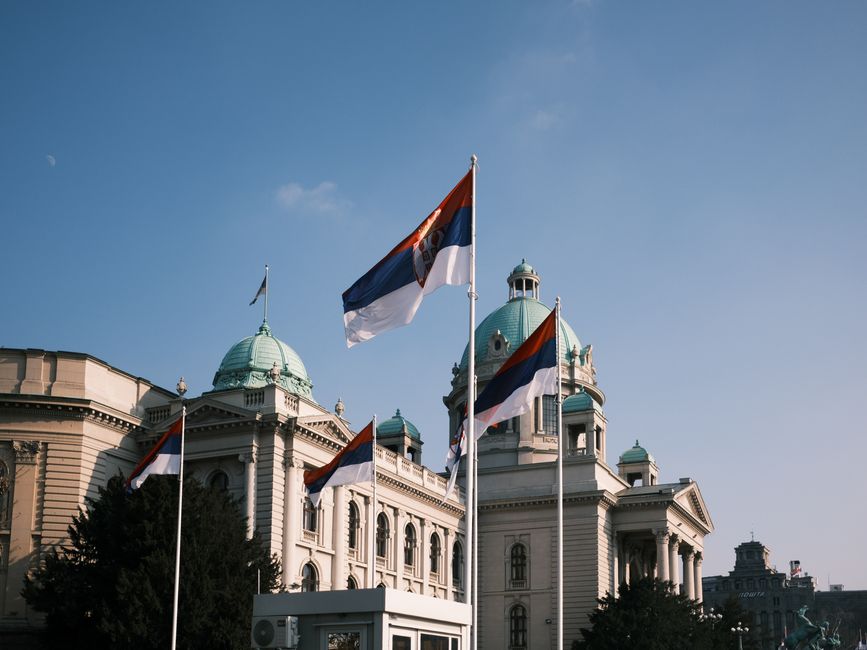
The Jovina Gymnasium Incident and Student Demands
The Jovina Gymnasium in Belgrade has long been a hub of student activism, and its recent protest was part of a larger wave of dissatisfaction among secondary school students. The delegation that sought to meet with the minister included students who had been organizing strikes and public demonstrations for weeks. Their demands were specific: they called for an end to the privatization of certain school services, better heating and maintenance in school buildings, and a revision of the national curriculum, which many argue is outdated and disconnected from modern labor market needs. The refusal to meet was seen as a deliberate slight, intended to send a message of authority rather than engage in dialogue.
According to reports, the students felt that their voices were being systematically ignored by the Ministry of Education, Science and Technological Development. The minister's office cited a busy schedule and the need for prior formal requests through official channels, a justification that critics dismissed as bureaucratic evasion. Student leaders argued that they had made repeated attempts to engage constructively, but the government preferred to treat their protests as a security issue rather than a legitimate policy debate. This approach has only fueled further resentment, with students vowing to escalate their actions if their demands are not met.
The incident at Jovina Gymnasium is particularly significant because it reflects a broader trend of student mobilization in Serbia. In recent years, Serbian students have been increasingly active in political and social movements, often aligning themselves with opposition groups and civil society organizations. The education sector has become a battleground for these larger ideological struggles, with students questioning the government's commitment to democratic values and social justice. The refusal to meet the delegation is therefore not just an administrative decision; it is a political statement that has resonated far beyond the school gates.
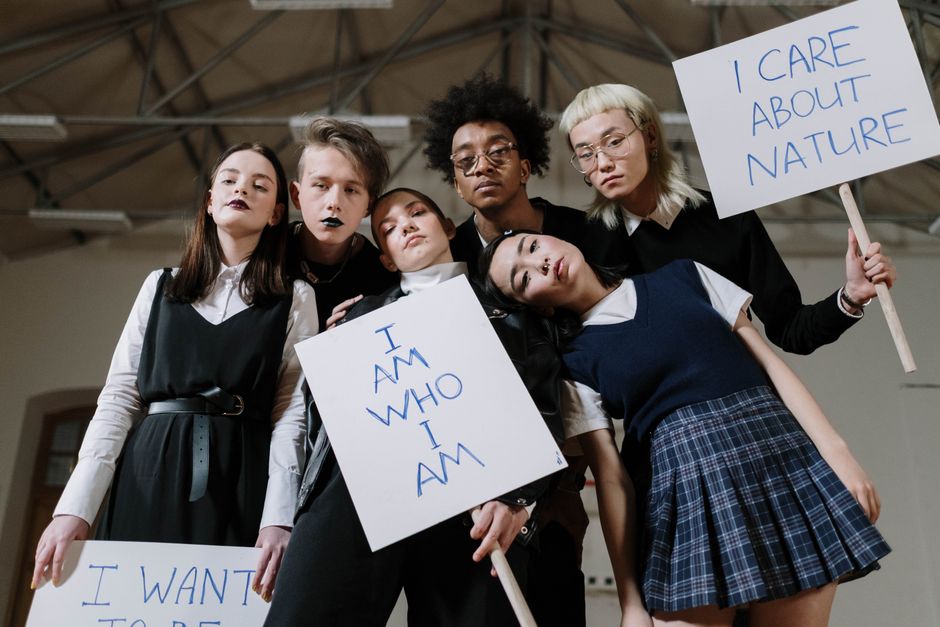
The Wider Crisis in Serbian Education
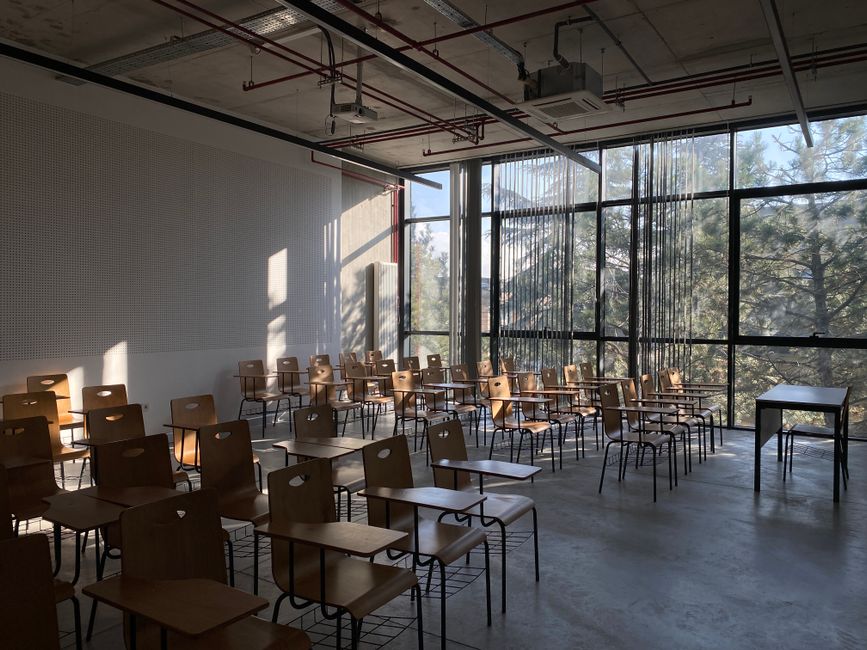
Behind the immediate controversy lies a deeper crisis in the Serbian education system, which has been grappling with chronic underfunding, brain drain, and outdated infrastructure for years. Many schools in Serbia, particularly in rural areas, lack basic amenities such as functional heating, internet access, and modern teaching materials. Teachers, who are among the lowest-paid professionals in the public sector, have been organizing strikes and protests for better wages and working conditions. The government's response has often been dismissive, with officials blaming economic constraints or previous administrations for the current state of affairs.
The curriculum itself has been a subject of intense debate. Critics argue that the current educational model is too rigid and focused on rote memorization, failing to equip students with the critical thinking and digital skills needed in the 21st century. Meanwhile, the government has pushed for reforms that many educators view as superficial or politically motivated, such as changes to the history curriculum that are seen as promoting a nationalist narrative. These tensions have created a polarized environment where teachers and students often feel alienated from the decision-making process.
The issue of brain drain is another critical factor. Thousands of Serbian students and young professionals emigrate each year in search of better opportunities abroad, a trend that is exacerbated by the perceived low quality of domestic education and limited career prospects. This exodus not only deprives Serbia of its brightest minds but also creates a demographic and economic challenge that threatens the country's long-term development. The current government's inability to address these systemic issues has led to growing public disillusionment, with many citizens questioning whether the state is capable of delivering basic services like education.
Political Implications and Regional Context
The backlash against the education minister's refusal to meet with students has significant political implications for the Serbian government, which is already facing pressure from opposition parties and civil society. The incident has been used by opposition figures to criticize the ruling party's authoritarian tendencies and its disregard for democratic dialogue. By refusing to engage with student protesters, the government has painted itself as out of touch and unresponsive to the needs of ordinary citizens, a narrative that could hurt its popularity in upcoming local and parliamentary elections.
Furthermore, the situation in Serbia is not unique within the Balkans. Neighboring countries like Bosnia and Herzegovina, North Macedonia, and Croatia also face challenges in their education systems, including underfunding, politicization, and outdated curricula. However, the level of student activism and public scrutiny in Serbia is notable, reflecting a more vibrant civil society and a younger generation that is increasingly willing to challenge authority. This dynamic could serve as a model for other Balkan countries, where student movements are beginning to gain traction in demanding better educational standards and more democratic governance.
As the controversy continues to unfold, the Serbian government will face increasing pressure to address the legitimate concerns of students and teachers. Ignoring the issue will likely lead to further protests and social unrest, while engaging in meaningful dialogue could help restore trust and pave the way for necessary reforms. The outcome of this crisis will not only determine the future of the Jovina Gymnasium students but also signal the direction of Serbia's education policy and its commitment to democratic values. For now, the eyes of the nation are on the ministry, waiting to see if it will choose dialogue over confrontation.

Comments