


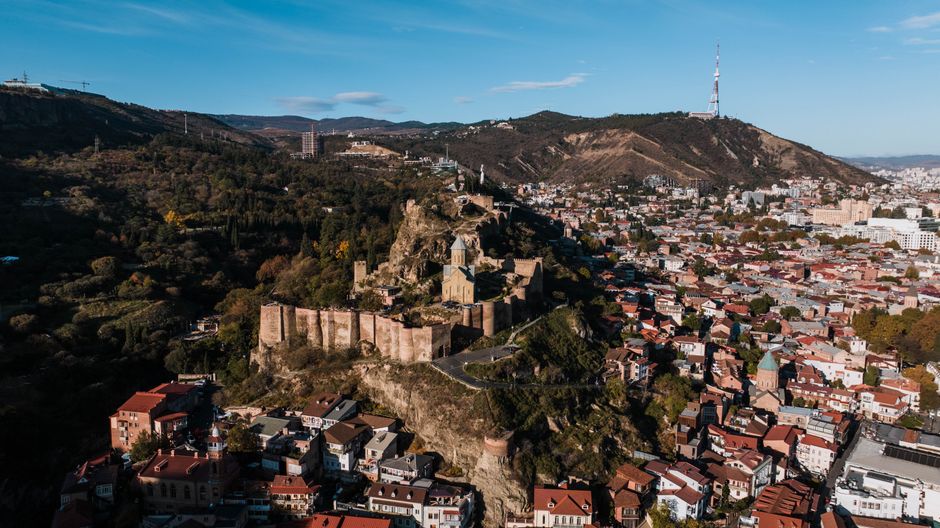
President Aleksandar Vučić has officially announced the opening of a new Serbian embassy in Tbilisi, Georgia, signaling a significant escalation in bilateral relations between the two nations. During a high-level diplomatic visit to the South Caucasus, Vučić emphasized that the establishment of the diplomatic mission in Georgia's capital reflects the deepening political, economic, and cultural ties between Serbia and Georgia. This move is particularly notable given Serbia's complex foreign policy balancing act, navigating between its European Union aspirations and its traditional partnerships in the region.
The announcement comes amidst a broader strategic shift where Serbia is expanding its diplomatic footprint in the post-Soviet space. By opening an embassy in Tbilisi, Belgrade aims to strengthen trade links, facilitate tourism, and enhance political dialogue with a key player in the South Caucasus. For the Balkan audience, this development underscores Serbia's growing autonomy in foreign affairs, while for international observers, it highlights the evolving geopolitical landscape in Eastern Europe and the Caucasus.
Strategic Expansion in the South Caucasus
The decision to open an embassy in Tbilisi is part of a wider Serbian strategy to diversify its international partnerships. Historically, Serbia's diplomatic focus has been heavily concentrated on the European Union, Russia, and China. However, recent years have seen Belgrade actively pursuing closer relations with countries in the Caucasus region, including Azerbaijan, Armenia, and Georgia. This diversification is driven by economic interests, particularly in energy, agriculture, and technology, as well as a desire to broaden Serbia's geopolitical horizons beyond the traditional East-West divide.
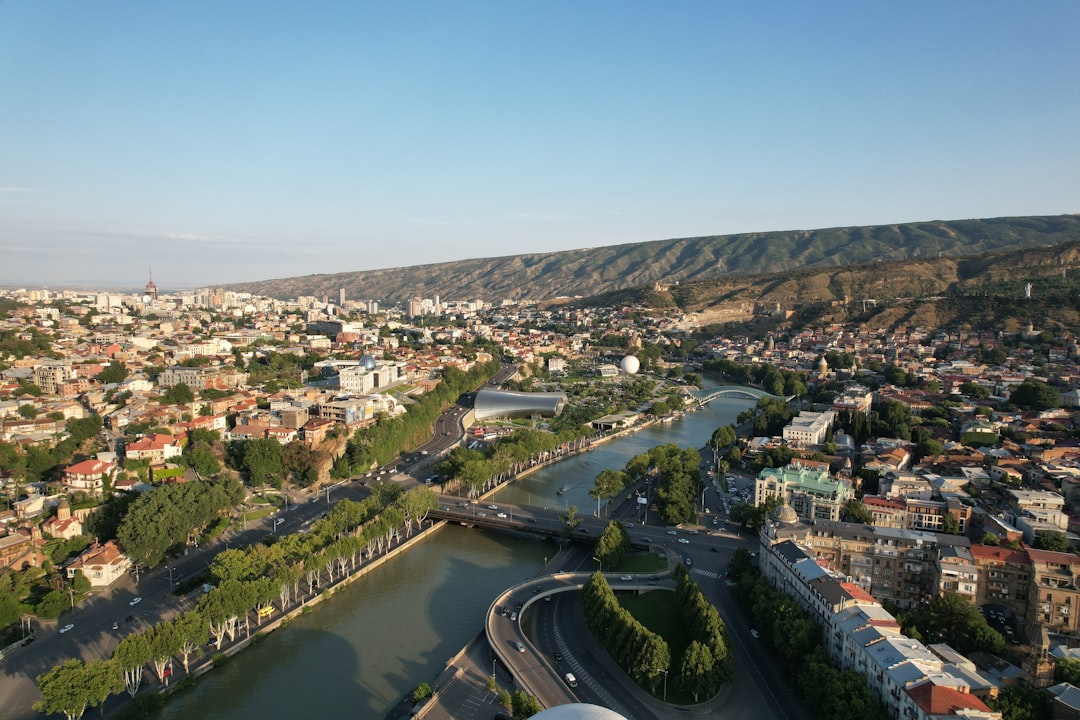
Georgia, under the leadership of Prime Minister Irakli Garibashvili and President Salome Zourabichvili, has been positioning itself as a bridge between Europe and Asia, with a strong pro-European orientation. The Georgian government has welcomed Serbia's increased engagement, viewing it as an opportunity to deepen economic cooperation and cultural exchange. The new embassy will serve as a hub for promoting Georgian wines, tourism, and investment opportunities in Serbia, while also facilitating the growth of Serbian businesses in the Georgian market.
The diplomatic move also carries symbolic weight. Georgia and Serbia share historical and cultural affinities, including Orthodox Christian traditions and similar experiences of national struggle and sovereignty. The opening of the embassy is seen as a recognition of these shared values and a commitment to fostering people-to-people ties. Cultural events, educational exchanges, and joint tourism initiatives are expected to increase, further cementing the bond between the two nations.
Economic and Political Implications
The establishment of the embassy in Tbilisi is expected to have tangible economic benefits for both countries. Trade between Serbia and Georgia has been growing steadily, with Georgian exports to Serbia including wine, minerals, and agricultural products, while Serbia exports machinery, chemicals, and textiles to Georgia. The new diplomatic mission will help streamline trade procedures, resolve commercial disputes, and identify new opportunities for joint ventures. This is particularly important for Serbian companies looking to expand into the Caucasus market, which offers access to both European and Asian trade routes.

Politically, the move reinforces Serbia's image as a sovereign state capable of independent decision-making in foreign affairs. By engaging with Georgia, Serbia demonstrates its ability to build relationships with countries that are not part of the traditional Western or Russian spheres of influence. This aligns with Belgrade's broader goal of maintaining a balanced foreign policy that maximizes national interests without alienating key partners. For Georgia, the Serbian embassy is a sign of international recognition and support, particularly as the country faces ongoing tensions with Russia and seeks closer integration with the European Union.
The diplomatic expansion also has implications for regional stability in the Balkans and the Caucasus. By strengthening ties with Georgia, Serbia contributes to a network of pro-dialogue and pro-cooperation states that can counteract regional instability. This is particularly relevant given the ongoing conflicts in Ukraine and the South Caucasus, where diplomatic engagement is seen as a vital tool for conflict prevention and resolution. The new embassy will likely play a role in facilitating dialogue on regional security issues, energy cooperation, and migration management.
The Balkan Angle and Future Outlook
For the Balkan audience, the opening of the Serbian embassy in Tbilisi is a reminder of Serbia's evolving role in the region. While Serbia remains a candidate for EU membership, its growing ties with countries like Georgia reflect a more nuanced and independent foreign policy. This has sparked debate in the Balkans about the direction of Serbia's European integration and its relationships with non-EU partners. Some view the move as a positive step towards diversification, while others worry it may complicate Serbia's EU accession negotiations.
Looking ahead, the success of the embassy will depend on its ability to deliver concrete results in trade, tourism, and cultural exchange. Both governments have expressed optimism about the potential for deeper cooperation, but challenges remain, including logistical hurdles, regulatory differences, and the need for sustained political commitment. The embassy will need to work closely with business chambers, cultural institutions, and educational organizations to build a robust framework for bilateral relations.
Readers should watch for announcements on specific joint projects, such as infrastructure investments, tourism promotions, and academic partnerships, which will serve as early indicators of the embassy's impact. The development also invites scrutiny of how other Balkan countries might respond to Serbia's expanding diplomatic presence in the Caucasus. As Serbia continues to navigate its foreign policy landscape, the Tbilisi embassy stands as a symbol of its ambition to play a more active role on the international stage, beyond the traditional confines of the Balkans.



Comments