


The Republic Hydrometeorological Service of Serbia (RHMS) has issued urgent warnings regarding a significant shift in atmospheric conditions across the Balkan nation. As summer progresses into its most volatile period, meteorologists report a rapid transition from high-pressure stability to an unstable air mass, bringing intense thunderstorms, hail, and localized flooding risks. This sudden change in weather patterns is particularly concerning for agricultural sectors and urban infrastructure in central and southern Serbia, where heavy rainfall is expected to disrupt daily activities and transportation networks.
The alert highlights a classic summer weather phenomenon in the region, where warm, humid air collides with cooler front systems, triggering severe convective storms. For residents in Belgrade, Niš, and surrounding areas, the official forecast advises caution as wind gusts could reach damaging speeds. The situation underscores the increasing unpredictability of Balkan summers, a trend linked to broader climatic shifts affecting the entire Mediterranean and continental Europe. Authorities are urging the public to monitor local updates closely, as conditions can deteriorate rapidly within a few hours.
Atmospheric Shifts and Meteorological Context
The current weather pattern is driven by a low-pressure system moving from the Adriatic Sea into the interior of the Balkan Peninsula. According to data from the Republic Hydrometeorological Service, temperatures will remain high during the day, but the evening hours will see a sharp drop accompanied by intense precipitation. This "summer day" transition is characterized by rapid cooling and high humidity, creating the perfect conditions for severe thunderstorms. Meteorologists note that the instability index has risen significantly, indicating that storms will be short-lived but intense.
Historically, the summer months in Serbia have seen occasional extreme weather events, but the frequency and intensity appear to be increasing. The RHMS, which operates under the Ministry of Agriculture, Forestry and Water Management, utilizes a network of radar stations and automated weather stations to track these developments. Their models predict that the heaviest rainfall will occur in the southwestern parts of the country, particularly in the Sandžak region and parts of western Serbia. These areas are prone to flash floods due to steep terrain and rapid runoff, making the current alert critical for local emergency services.
The atmospheric pressure drop is expected to stabilize by the following morning, but the aftermath of the storms may leave significant impact on roads and power lines. The service has emphasized that while the overall temperature trend for the week remains above average, the daily fluctuations will be more pronounced. This volatility requires residents to adapt their daily routines, particularly avoiding outdoor activities during the late afternoon and early evening hours when the risk of lightning and hail is highest.
Impact on Agriculture and Urban Infrastructure
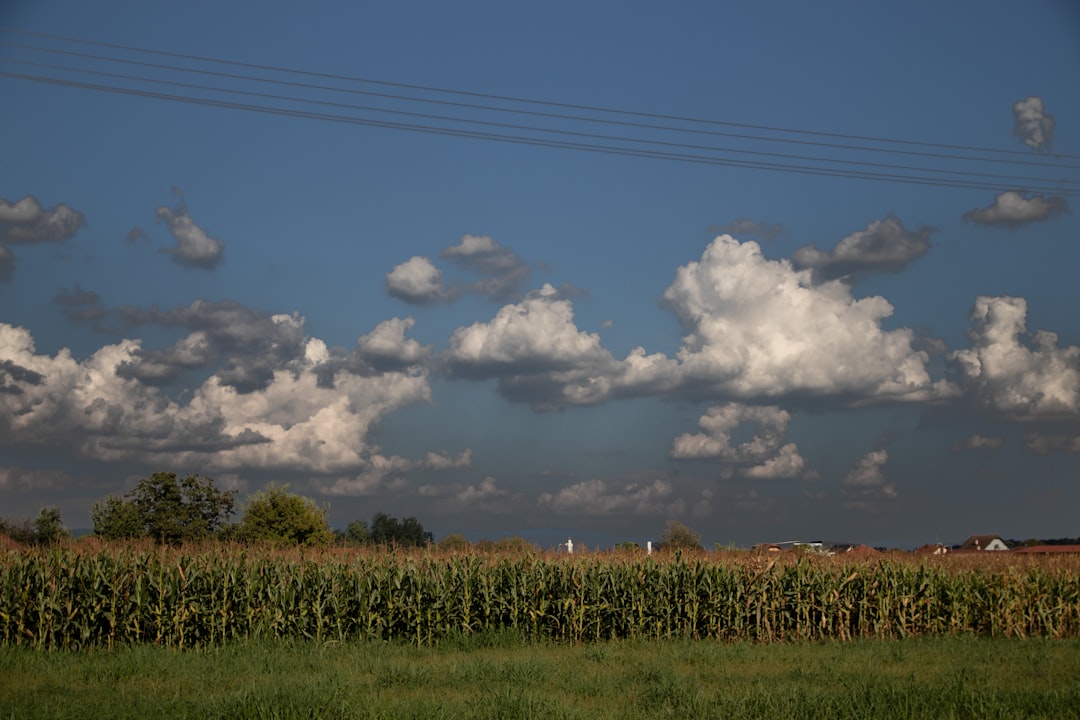
Agriculture is one of the most vulnerable sectors to these sudden weather changes. Serbia is a major producer of corn, wheat, and sunflowers, crops that are highly sensitive to heavy rainfall and hail during the growing season. The agricultural ministry has warned farmers in the Vojvodina and Šumadija regions to secure their harvests and protect sensitive crops from potential damage. Hailstorms, even if brief, can devastate fruit orchards and vegetable fields, leading to significant economic losses for smallholder farmers who lack comprehensive insurance coverage.
In urban centers, the drainage systems are often strained by intense downpours, leading to localized flooding in low-lying areas. Belgrade, in particular, has faced challenges with urban water management in recent years, as infrastructure struggles to cope with extreme precipitation events. The city administration has deployed emergency crews to clear clogged drains and monitor critical intersections. Traffic disruptions are expected, especially on major highways connecting the capital to southern Serbia, where landslides and fallen trees may block routes. Drivers are advised to check road conditions before traveling and to avoid driving through flooded areas.
The energy sector is also on high alert, as strong winds can cause power outages by knocking down lines or damaging transformers. The national electricity company, EPS, has prepared repair teams to respond quickly to any incidents. While outages are usually resolved within hours, the inconvenience can affect hospitals, businesses, and households. The government has reiterated the importance of reducing non-essential energy use during peak storm times to prevent grid overloads, a measure that has become more common as extreme weather events become more frequent.
Regional Outlook and Climate Trends
The weather patterns in Serbia are closely linked to broader climatic trends in the Balkans and the Mediterranean. Neighboring countries such as Bosnia and Herzegovina, Montenegro, and Croatia are also experiencing similar volatile conditions, with storm systems tracking across the Dinaric Alps. This regional synchronization highlights the interconnected nature of Balkan meteorology, where weather systems often originate in the Mediterranean and move northward into the continental interior. The European Centre for Medium-Range Weather Forecasts (ECMWF) has noted an increase in the frequency of such extreme events in the region.
Climate scientists attribute this volatility to the ongoing effects of global warming, which intensifies the water cycle and leads to more extreme precipitation events. While summers are generally hotter and drier, the rain that does fall tends to be heavier and more concentrated. This "whiplash" effect between drought and deluge poses significant challenges for water resource management and disaster preparedness. In Serbia, the government has been working on upgrading infrastructure and improving early warning systems to mitigate these risks, but the pace of change often outstrips adaptation efforts.
For the coming weeks, meteorologists predict a continuation of this unstable pattern, with periodic storms breaking up heatwaves. Residents are encouraged to stay informed through official channels, such as the RHMS website and local news outlets. As the season progresses, the focus will remain on monitoring soil moisture levels, river heights, and the potential for secondary hazards like landslides. The ability to adapt to these changing conditions will be crucial for maintaining safety and minimizing economic disruption across the Balkans.


Comments