


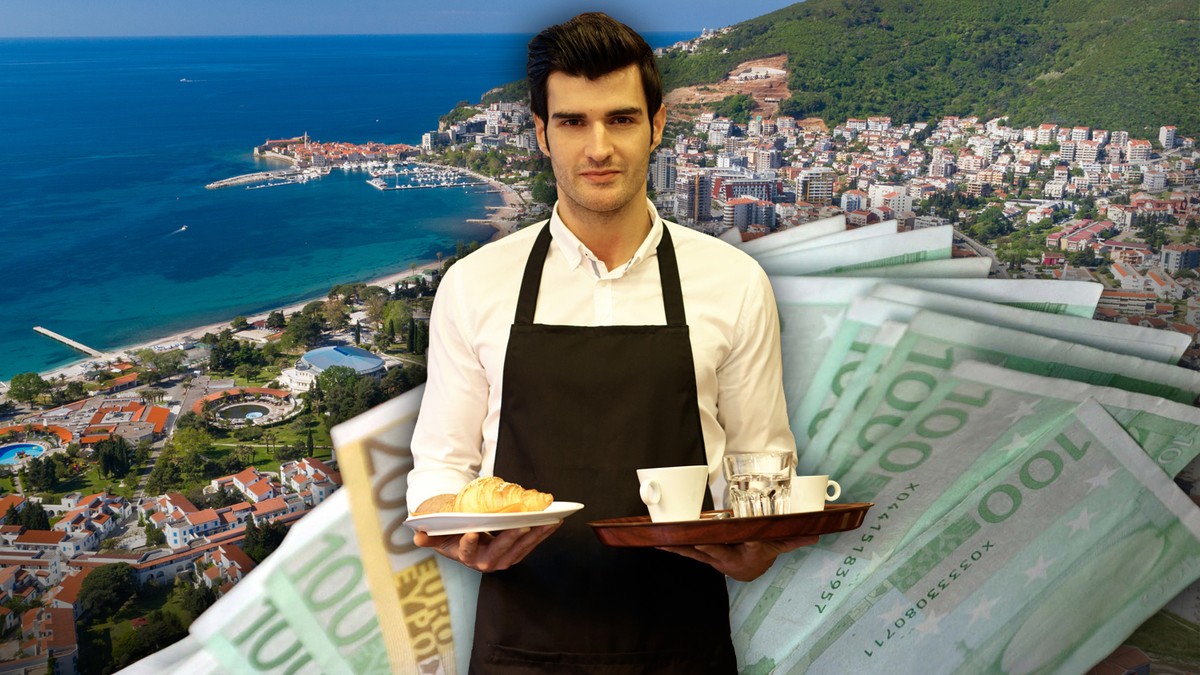
The number of Serbian hospitality workers heading to Croatia and Montenegro for the summer season is declining, but wages have hit record highs amid harsh working conditions and high demand for skilled staff. Despite the attractive seasonal offers, workers often face shifts longer than 12 hours, few days off, and intense pressure during the peak summer months. Chefs, in particular, are in high demand as their performance directly impacts the quality of service and the success of the entire season.
Declining Numbers, Rising Wages
The hospitality sector continues to face significant challenges, especially after the pandemic, but recent months have shown some changes. According to Boško Bubanja, an event industry manager, it is somewhat easier to find chefs today than it was two years ago, despite the high demand. However, the number of Serbian workers heading to Croatia for seasonal work has dropped by about 5% compared to {2023}, marking the first decline in six to seven years of continuous growth. This shift places Serbia third, and now fourth, among countries contributing the most workers to Croatia's hospitality sector.
Chefs in Control, Waiters in Demand
Chefs are now in a position to dictate their terms, as the demand for skilled staff outstrips supply. Experienced chefs no longer readily accept compromises, often setting their own working conditions. According to Bojan Avramović, a head chef, chefs now not only have the power to choose where they work but can also dictate the terms. They arrive with a clearly defined minimum wage, and employers must accept or reject it.
In the hospitality industry, professional recommendations, reputation, and a positive work attitude have become almost as important as culinary skills due to the high turnover of staff.
- Jelisaveta Vujinović, Editor in the video section
Is this the new reality of Balkan hospitality, where chefs dictate their terms and workers are lured by high wages? It's a double-edged sword, isn't it? High costs, but also high quality. What do you think is the future of Balkan tourism?