



The international football calendar witnessed a highly anticipated friendly clash between Saudi Arabia and Uruguay, drawing significant attention from fans across the Balkans and the wider global community. The match, held in the United States as part of a broader tournament involving Asian and South American nations, served as a critical evaluation for Saudi Arabia's ambitious project under new head coach Didier Deschamps. For Balkan audiences, particularly in Greece, Bulgaria, and Turkey, the match holds relevance due to the increasing presence of regional stars in the Middle East and the broader geopolitical implications of football diplomacy in the region.
Saudi Arabia, seeking to solidify its status as a football powerhouse, has invested heavily in acquiring world-class talent and coaching expertise. The arrival of Didier Deschamps, the former France and World Cup-winning manager, marked a watershed moment for the Saudi national team. His task is to transform a squad filled with individual stars into a cohesive, competitive unit capable of challenging top-tier nations. Uruguay, a historic footballing nation with a rich World Cup pedigree, provided a stern test for Deschamps' new-look side.
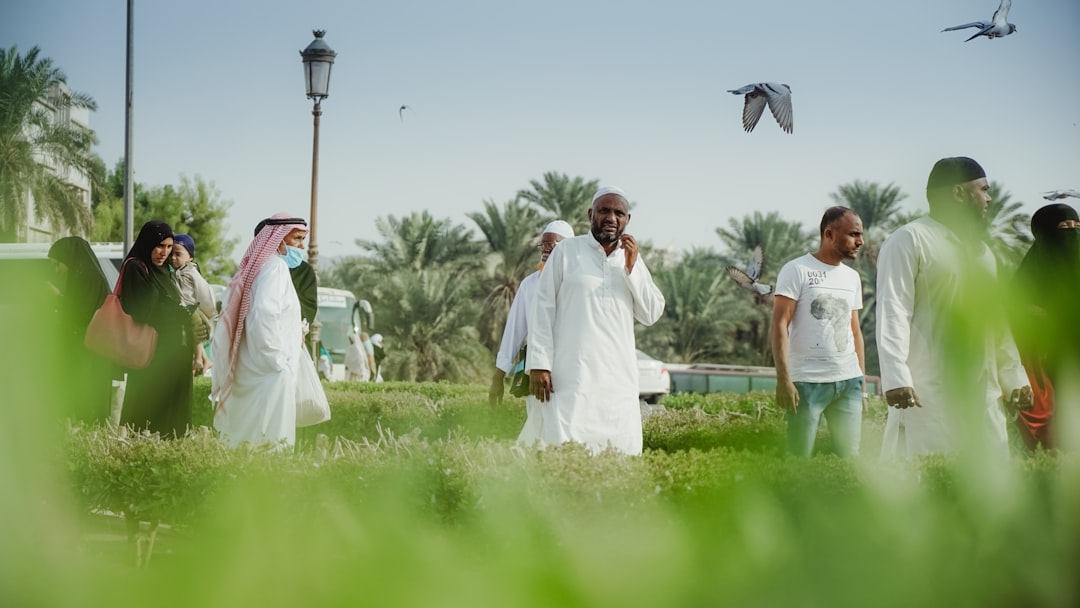
Deschamps' Tactical Experiment Against South American Resilience
The match showcased the contrasting styles of the two teams. Saudi Arabia, boasting a roster that includes players like Salman Al-Faraj and Nawaf Al-Abed, aimed to control possession and impose a European-style tactical discipline. Deschamps, known for his pragmatic and organized approach, sought to utilize the technical abilities of his players within a structured defensive framework. The Saudi side demonstrated improved organization and a willingness to press high, reflecting the manager's influence from his tenure with the French national team.
Uruguay, on the other hand, relied on their traditional strengths: physicality, defensive solidity, and counter-attacking prowess. Led by experienced players and a robust midfield, the South Americans looked to exploit any spaces left by the Saudi attack. The Uruguayan side, currently navigating a transitional phase under their own management, used the friendly to test new combinations and assess player form ahead of upcoming South American qualifiers. The match intensity was high, with both sides showing respect for each other's capabilities.
The tactical battle was evident in the midfield duel, where Saudi Arabia's creative players faced the disciplined Uruguayan hold-up play. Deschamps' emphasis on quick transitions and positional play was tested against Uruguay's ability to absorb pressure and strike on the break. The outcome of the match, while not affecting official standings, provided valuable insights into the progress of the Saudi project and the current form of the Uruguayan squad.
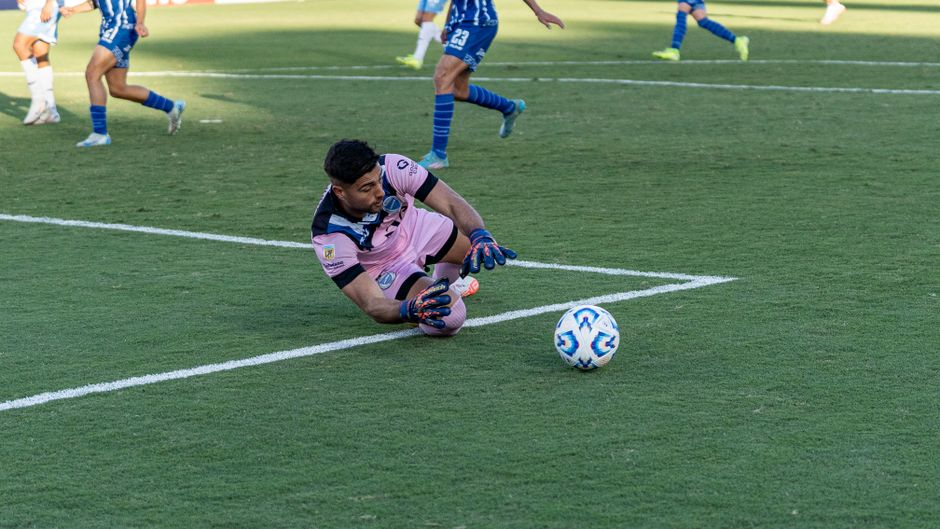
Regional Impact and the Growing Football Bridge
The significance of this match extends beyond the pitch, reflecting broader trends in international football. The migration of European and Balkan players to the Saudi Professional League has created new connections between the Middle East and European football cultures. Fans in Greece, Serbia, and Turkey follow their national stars in the Middle East, creating a shared interest in matches involving Saudi Arabia. The presence of high-profile coaches like Deschamps further elevates the profile of the Saudi league and national team, attracting attention from European media and fans.
For Balkan audiences, the match also highlights the evolving landscape of international football. The increasing investment in Middle Eastern football has created new opportunities for players, coaches, and scouts from the Balkans. The match served as a reminder of the interconnected nature of modern football, where teams from different continents compete in friendlies that have global implications. The performance of Saudi Arabia against a traditional powerhouse like Uruguay signals the region's ambition to become a regular participant in high-level international competitions.
Furthermore, the match underscores the role of football in diplomatic and cultural exchanges. Saudi Arabia's efforts to host international matches and tournaments are part of a broader strategy to diversify its economy and enhance its global soft power. For Balkan nations, which have their own rich footballing traditions, the rise of Middle Eastern football offers new perspectives and potential collaborations. The match between Saudi Arabia and Uruguay is a microcosm of these larger trends, showcasing the dynamic and ever-changing world of international football.
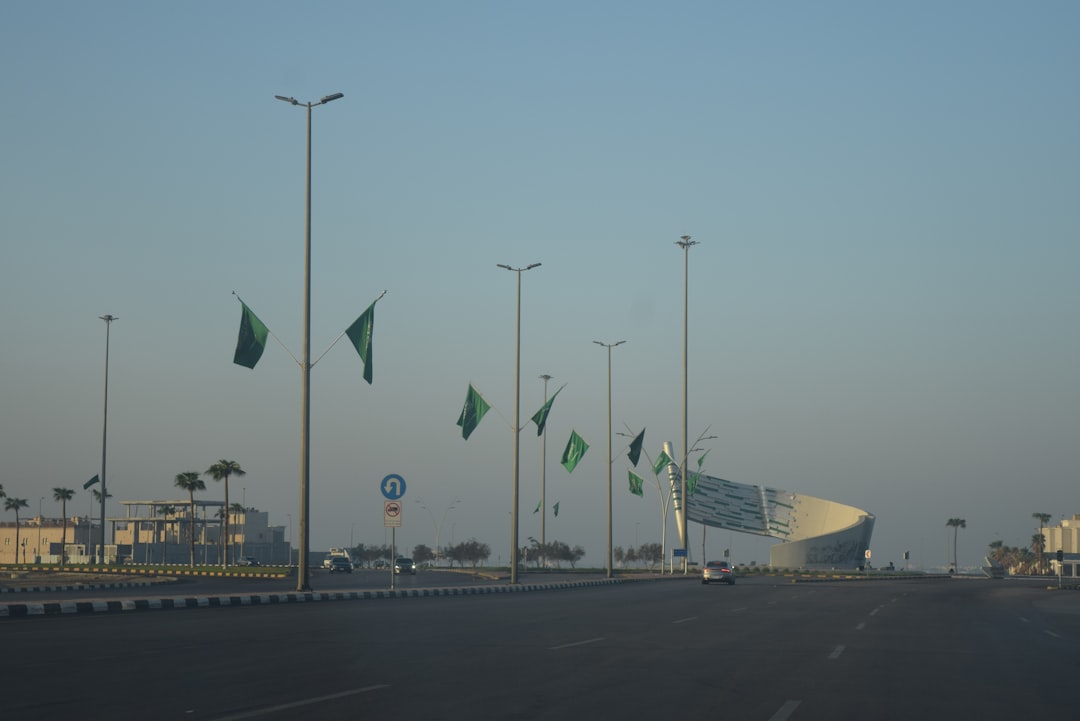
Looking Ahead: What This Means for Future Competitions
The friendly between Saudi Arabia and Uruguay provides valuable data for both teams as they prepare for upcoming competitive fixtures. For Saudi Arabia, the match was a crucial step in Deschamps' long-term plan to qualify for the World Cup and compete in the Asian Cup. The team's ability to perform against strong opposition will be key to their success in future tournaments. Deschamps will likely use the insights gained from this match to refine his tactics and integrate new players into the squad.
Uruguay, meanwhile, will use the match to assess their readiness for the South American World Cup qualifiers. The team needs to rebuild its competitiveness after a period of relative underachievement, and performances against teams like Saudi Arabia will help gauge their progress. The Uruguayan federation will analyze the match data to identify areas for improvement and strengthen their squad for the challenging qualifiers ahead.
For fans in the Balkans, the match serves as a preview of the growing competitiveness of international football. As more teams invest in talent and coaching, the gap between traditional powerhouses and emerging nations is narrowing. The Saudi-Uruguay clash is a testament to this trend, highlighting the need for all teams to adapt and evolve. Fans should watch for how both teams apply the lessons from this friendly in their upcoming competitive matches, as the global football landscape continues to shift.

Comments