


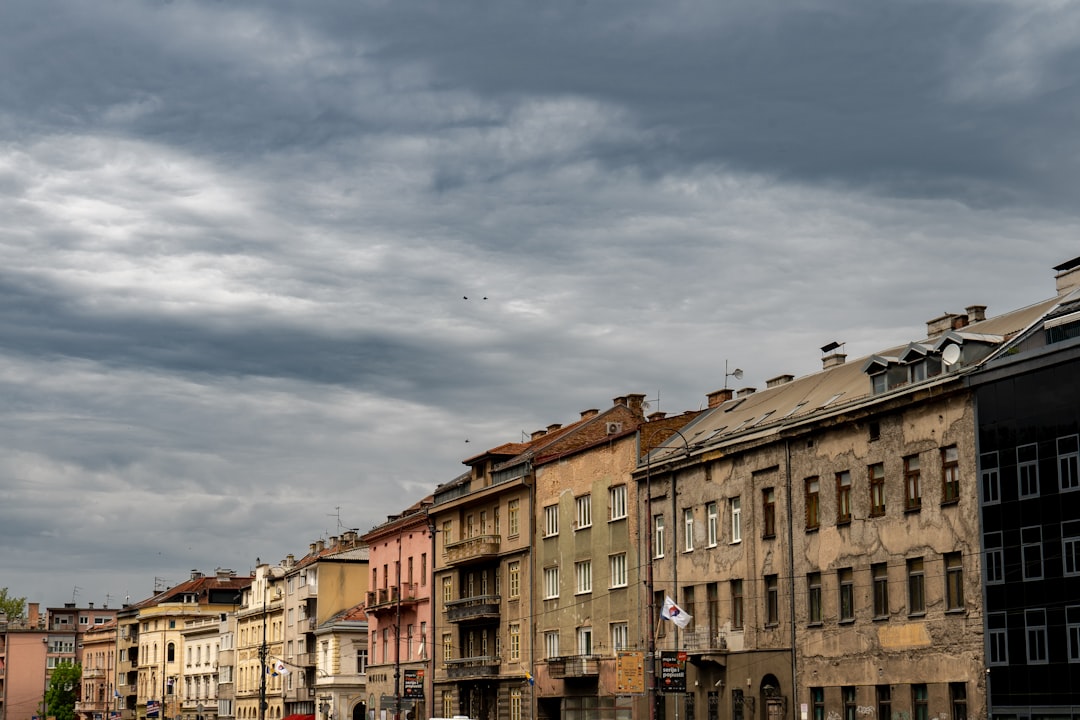
I am sitting on a plastic stool outside a kafana in Baščaršija, nursing a raja coffee that tastes like burnt earth and cardamom, while a tram clatters past carrying a group of German tourists in matching hiking vests. The air smells of roasted meat, diesel fumes, and wet stone. A minaret pierces the smog-stained sky to my left; a Baroque church spire does the same to my right. This is not a postcard. This is a city that has been burned, besieged, rebuilt, and bruised, yet it refuses to stop moving. I came here expecting a museum of trauma. I found a living, breathing, chaotic engine of survival. The people here don't talk about the past in whispers; they talk about it over loud arguments about football scores and the price of burek. It is gritty, it is loud, and it is utterly unapologetic.
There is a specific kind of vertigo that hits you when you walk from the Ottoman quarter into the Austro-Hungarian district. In Sarajevo, the layers are not buried; they are stacked like plates in a teahouse. You can eat a ćevapi sandwich in a street that was once the heart of the Ottoman Balkan administration, then walk ten minutes to a cafe where the architecture screams late-19th-century Vienna. The collision is not metaphorical. It is physical. It is in the cobblestones, the tram lines, and the faces of the people who navigate this fractured geography with an ease that feels almost superhuman.
History & Identity
The modern identity of Sarajevo Sarajevo is built on a paradox. For centuries, it was the "Jerusalem of the Balkans," a place where Islamic, Catholic, Orthodox, and Jewish communities lived in relative harmony under Ottoman rule. This cosmopolitan spirit was interrupted in 1878 when the Austro-Hungarian Empire took control, bringing with it European urban planning, electricity, and a new architectural aesthetic. The tension between these two worlds defined the city's character. Then came 1914. The assassination of Archduke Franz Ferdinand on Latin Bridge Latin Bridge sparked World War I, marking Sarajevo as a flashpoint for global conflict. The city's history is not just local; it is a hinge on which world history turned.
But the defining trauma of the modern era arrived in 1992. The siege of Sarajevo, lasting 1,425 days, was the longest in the history of modern warfare. The city was cut off from the outside world, its citizens subjected to sniper fire, artillery bombardment, and severe shortages of food and medicine. The Sniper Tower Sniper Tower became a symbol of the horror, a place where crossing the street was a death sentence. Yet, even during the siege, the city's cafes remained open, and the spirit of resistance persisted. Today, the scars are visible in the bullet holes left on building facades, preserved as a grim reminder. But the scars are also a testament to resilience. The city has rebuilt itself, not by erasing the past, but by integrating it into its daily life.
This history is not abstract. It is felt in the way people talk about their neighbors, in the way they remember the names of those who died, and in the way they celebrate their culture. The identity of Sarajevo is one of endurance. It is a city that has been tested by fire and has emerged, not unscathed, but unbroken. The collision of cultures and centuries is not just a historical fact; it is a living reality that shapes every aspect of life here.
Where to Go
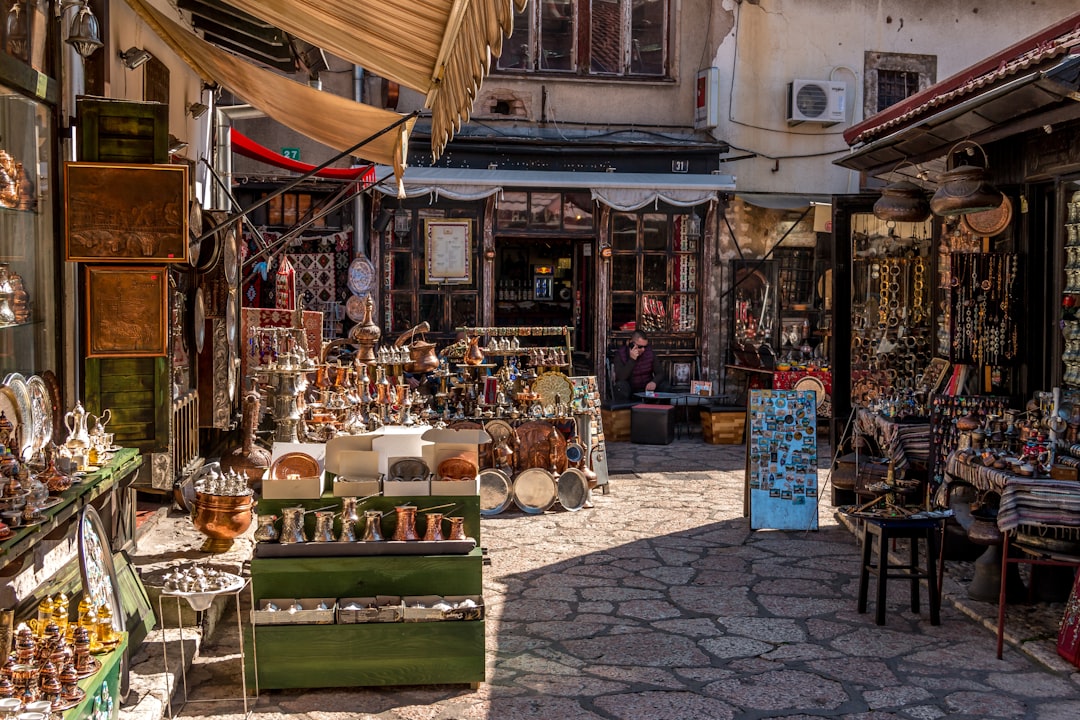
Baščaršija — The old bazaar is the heart of the Ottoman quarter. It is a maze of narrow streets lined with copper shops, spice stalls, and traditional cafes. The Sejdi-efendi Mosque anchors the square, its minaret a constant presence. The best time to visit is early morning, before the tourist crowds arrive, when the sound of copper beating provides a rhythmic soundtrack. Entry is free, but you are expected to buy something from the shops. The atmosphere is intense, sensory, and utterly captivating.
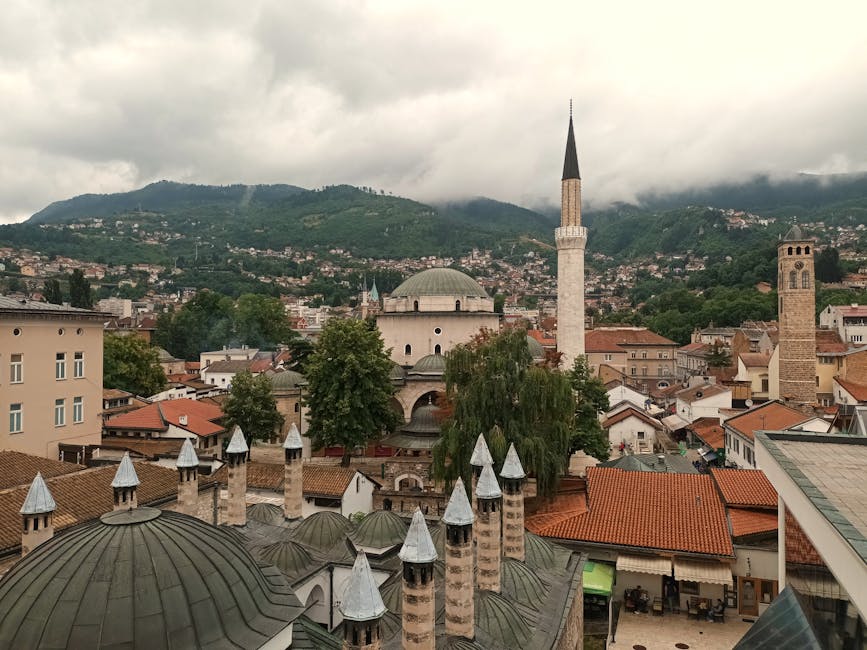
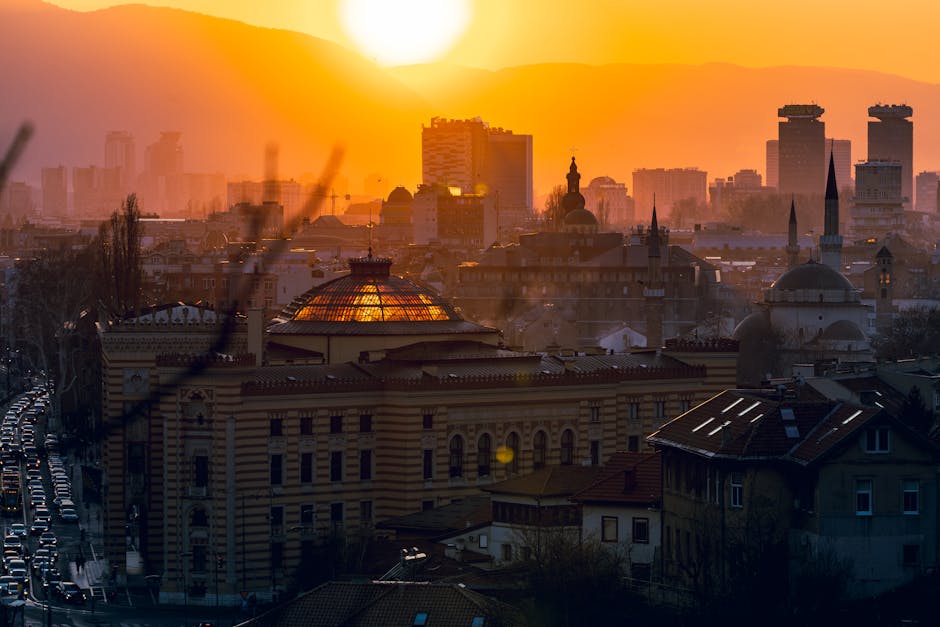
Vijećnica — The city library, a masterpiece of Moorish Revival architecture, was burned during the siege. It has since been painstakingly restored. Inside, you can see the damage left by the fire, a stark reminder of the violence that once threatened to erase the city's cultural heritage. The restoration was funded by international donors, including the Aga Khan Foundation. Entry is 3 EUR. The interior is stunning, with intricate woodwork and stained glass windows. It is a symbol of the city's refusal to be destroyed.
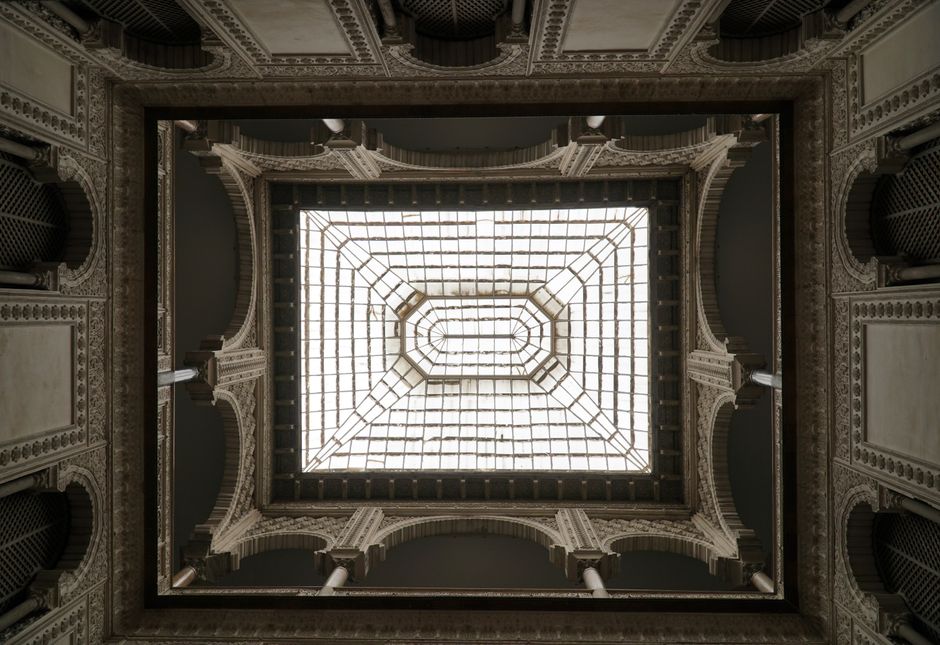
Latin Bridge — The site of the 1914 assassination of Archduke Franz Ferdinand. The bridge itself is a simple stone structure, but the area around it is a museum dedicated to the event. The museum inside the bridge is small but informative, detailing the events leading up to the assassination and its global consequences. Entry is 5 EUR. The bridge is a place of pilgrimage for history buffs, but it is also a quiet spot to reflect on the fragility of peace.
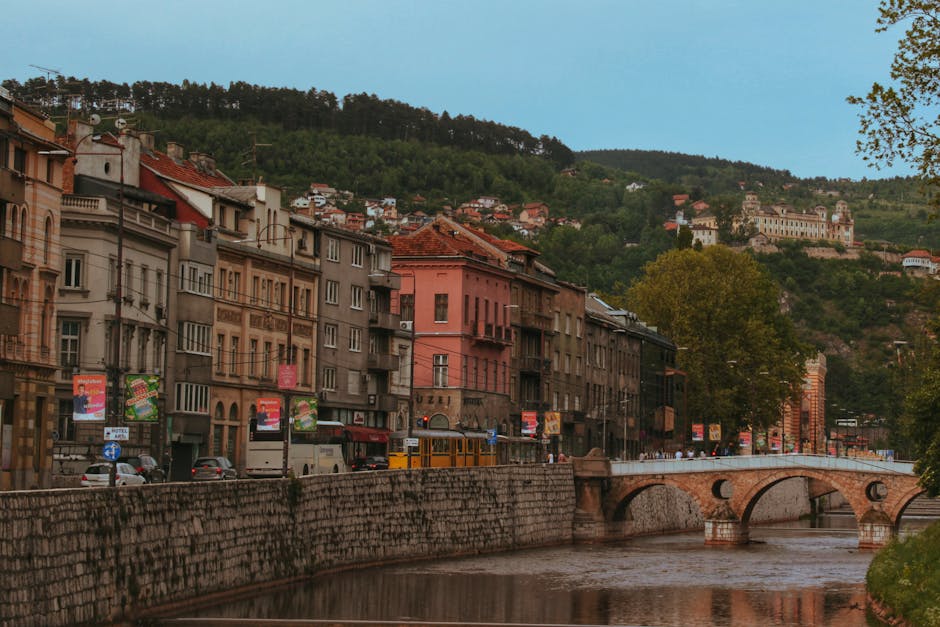
Sniper Tower — Located on the east bank of the Miljacka River, this building was used by snipers during the siege. The bullet holes in the facade have been preserved, and the building now houses a cafe and a small exhibition. It is a sobering place to visit, a reminder of the daily danger that citizens faced. The view from the top is excellent, offering a panoramic view of the city. Entry to the exhibition is 2 EUR.
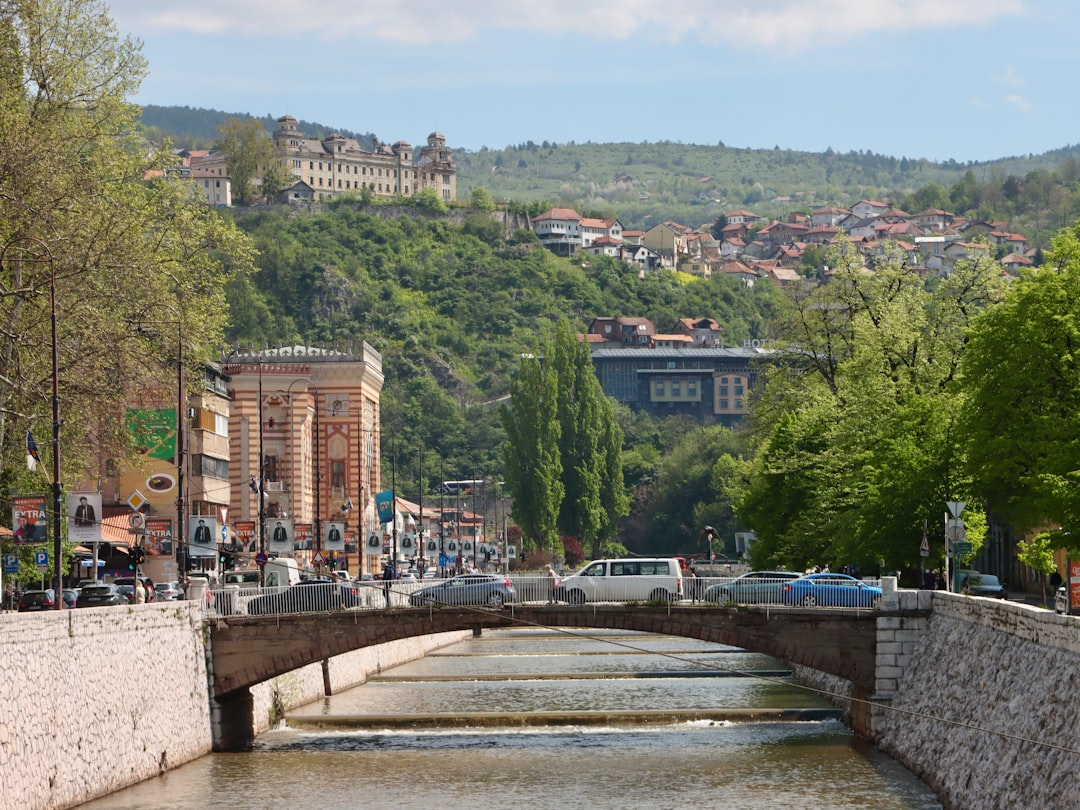
Yellow Fortress — Perched on a hill overlooking the city, this 16th-century Ottoman fortress offers the best views of Sarajevo. The climb up is steep, but the reward is a 360-degree panorama of the city, from the Ottoman quarter to the modern suburbs. The fortress itself is small, but the surrounding park is a popular spot for locals. Entry is free. It is a great place to watch the sunset.
What to Eat & Drink
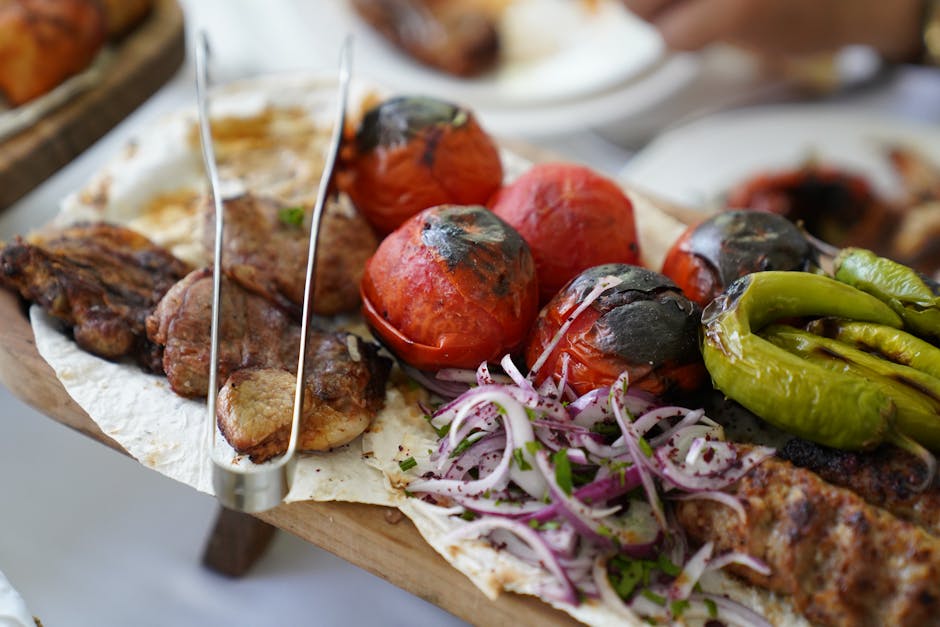
The food in Sarajevo is a reflection of its history. Ottoman influences are dominant, with hearty meat dishes, flaky pastries, and sweet desserts. Ćevapi — small grilled meat sausages, served with lepina (flatbread) and onions — are the national dish. A plate of 10 ćevapi costs 4-6 EUR. Burek — a flaky pastry filled with minced meat, cheese, spinach, or potatoes — is a staple breakfast. A slice costs 1-2 EUR. Šopska Salata — a fresh salad of tomatoes, cucumbers, onions, and peppers, topped with feta cheese — is a common side dish, costing 2-3 EUR.
For budget travelers, street food and take-away options are plentiful. You can find pogaca (a type of pie) and gibanica (cheese pie) at bakeries throughout the city for 1-2 EUR per piece. Sit-down local restaurants offer a full meal for 8-15 EUR per person, including a main dish and a drink. Mid-range restaurants, with better ambiance and service, charge 15-25 EUR per person. The Baščaršija area is the best place for traditional food, with many cafes and restaurants serving Ottoman-style dishes. For a more modern culinary experience, head to the Sarajevo City Center mall area, where you can find international cuisine and food courts.
Nightlife
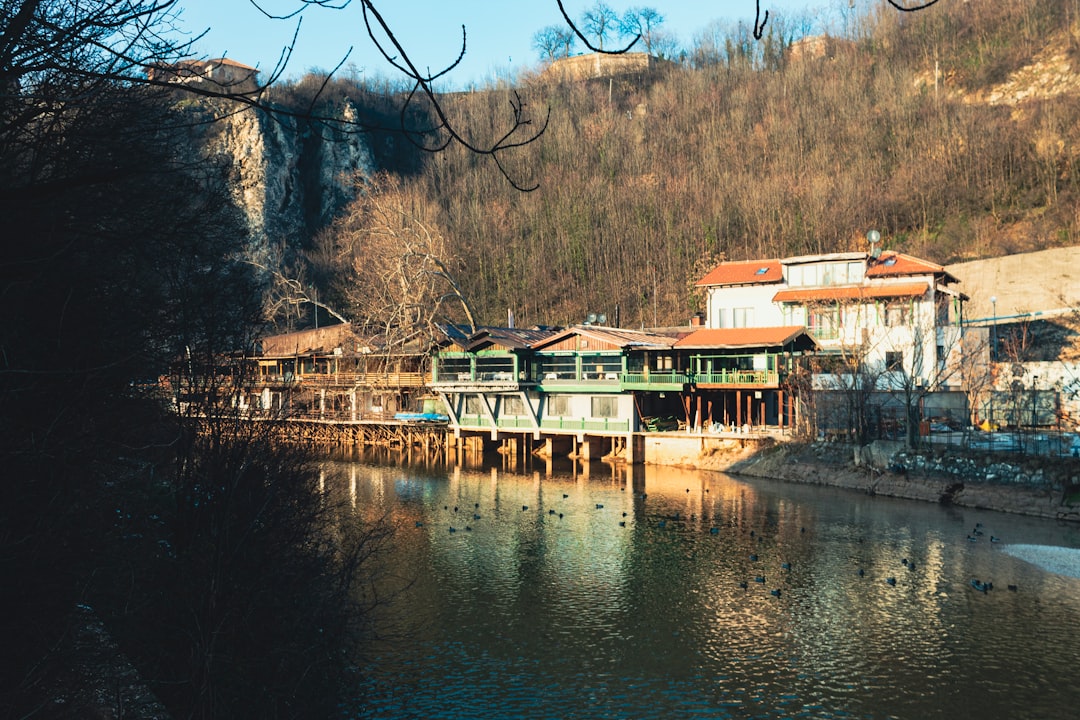
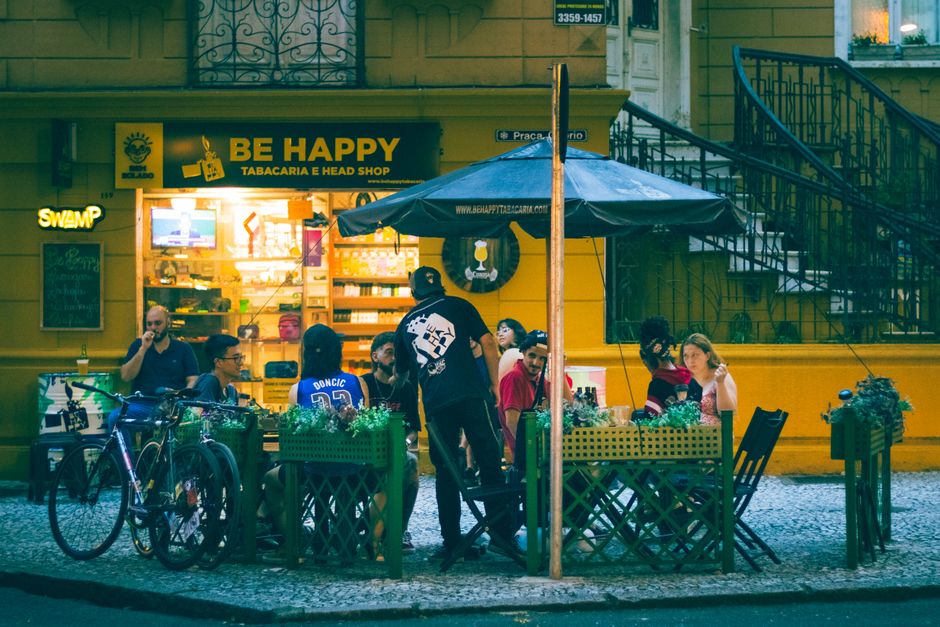
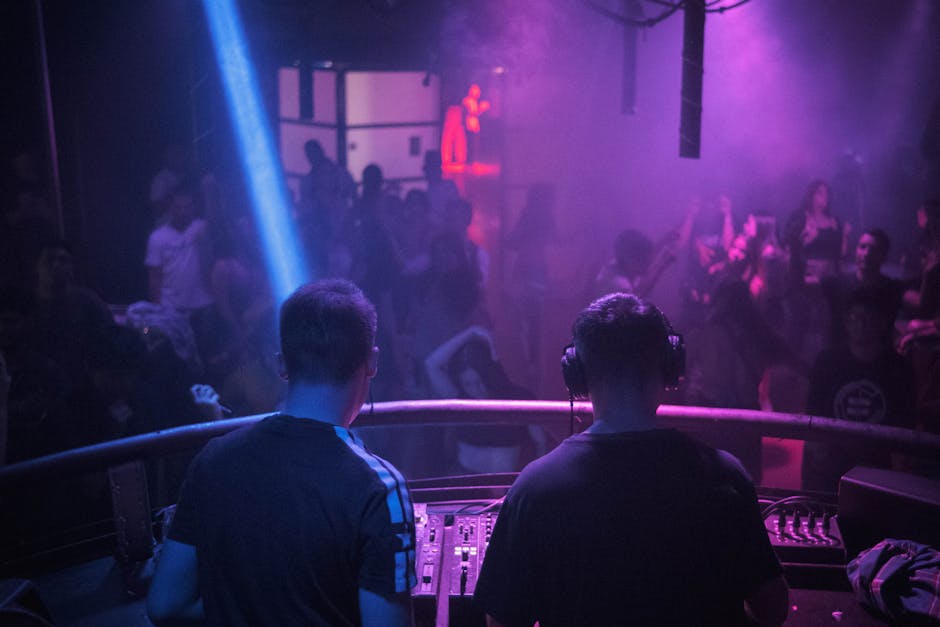
The nightlife in Sarajevo is centered around the Maršala Tita street, the main thoroughfare of the Austro-Hungarian quarter. This street is lined with bars, clubs, and cafes, many of which spill out onto the sidewalk. The atmosphere is lively and energetic, with a mix of locals and tourists. Bar 1 is a popular spot for live music, particularly traditional Bosnian songs. The cover charge is 2-3 EUR, and drinks cost 3-5 EUR. Club Z33 is a larger venue, known for its electronic music and dancing. The cover charge is 5-7 EUR, and drinks are more expensive, around 5-8 EUR. For a more relaxed vibe, head to the Baščaršija area, where you can find traditional kafanas serving rakija (fruit brandy) and raja coffee.
Getting There & What to Expect
The nearest airport is Sarajevo International Airport Sarajevo International Airport, located about 10 km from the city center. Buses run regularly from the airport to the city center, costing 2 EUR and taking about 30 minutes. Taxis are available but more expensive, costing 10-15 EUR. From major Balkan hubs, you can reach Sarajevo by bus or train. From Belgrade, the bus takes about 6 hours and costs 20-30 EUR. From Zagreb, the bus takes about 5 hours and costs 15-25 EUR. Trains are slower but cheaper, with tickets starting at 10 EUR. By car, the drive from Belgrade is about 5 hours, and from Zagreb, about 4 hours.
Accommodation in Sarajevo is affordable. Budget hostels charge 15-25 EUR per night, while mid-range hotels charge 40-70 EUR per night. Luxury hotels are available for 100-150 EUR per night. The best months to visit are from May to October, when the weather is mild and the city is full of life. Winter is also popular for skiing, with several ski resorts nearby. Expect a mix of languages, with Bosnian, Croatian, and Serbian being the most common. English is widely spoken in tourist areas.
Search accommodation in Sarajevo on Booking.com →
The Last Sip
I leave Sarajevo with a headache from the altitude and the alcohol, but my mind is clear. This city does not care about your preconceptions. It does not care about your pity. It demands your attention. It demands that you look at the bullet holes and then look at the children playing soccer in the square below. It demands that you taste the ćevapi and then listen to the old man arguing about politics in the cafe. It is a city that has been through hell and has come out the other side, not unscathed, but still standing. And it is still moving. The tram clatters past. The coffee is still hot. The music is still playing. Sarajevo is not a destination. It is a state of mind.
Comments