


It starts with the smell of coal smoke and roasting lamb fat. I’m standing in the narrow, cobblestone arteries of Baščaršija, the old market district of Sarajevo, and the air is thick enough to chew. It’s 6 AM. The call to prayer has just faded, and the copper smiths are already hammering. *Clang. Clang. Clang.* It’s a rhythm that hasn’t changed since the Ottomans marched through these streets over six centuries ago. I grab a paper cone of ćevapi from a vendor who looks like he’s been standing in the exact same spot since 1914. The meat is charred, juicy, and wrapped in flatbread with raw onions. It’s greasy, it’s messy, and it’s the best thing I’ve eaten in the Balkans. This isn’t just a market. It’s a living museum of Ottoman gastronomy, preserved in smoke, copper, and spice.
While the rest of Sarajevo rushes toward modernity, Baščaršija holds the line. It’s a sensory overload of history, where every bite connects you to an empire that once stretched from Budapest to Baghdad. You don’t just eat here; you consume centuries of tradition. The food is simple, but the technique is ancient. It’s slow food before slow food was a trend. And it’s still the heartbeat of the city.
History & Identity
Founded in the 1460s, Sarajevo was the first European city to have a mosque, a bazaar, and a school within its walls. The Ottomans didn’t just conquer this region; they transformed it. They brought with them a culinary culture that prized slow cooking, intricate spice blends, and communal dining. Baščaršija was the commercial heart of this new Islamic city. For over 400 years, it served as the primary marketplace for spices, textiles, copperware, and food. The layout of the streets, the architecture of the shops, and even the types of food sold here are direct inheritances from that era.
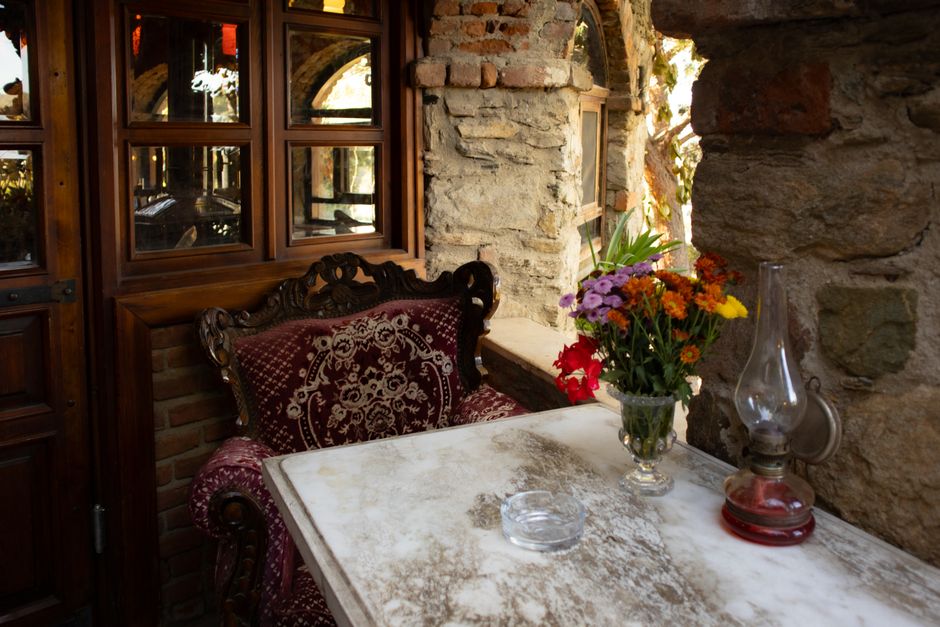
The Ottoman influence is most visible in the food. Dishes like ćevapi, burek, and tulumba are staples of the region, but their preparation in Sarajevo follows strict Ottoman traditions. The use of sumac, za’atar, and barberries (known locally as trnak) is a direct link to the Middle East. The coffee culture is another. The cafana, a traditional Sarajevo tavern, is the Ottoman cahvehane adapted to Bosnian tastes. It’s a place where men gather to drink coffee, play backgammon, and discuss politics, a tradition that has survived wars, communism, and modernization.
Even after the Austro-Hungarian occupation and the subsequent Yugoslav era, Baščaršija retained its Ottoman soul. While the New Town (Novi Grad) adopted Viennese architecture and cuisine, the Old Town kept its identity. During the siege of Sarajevo in the 1990s, the market was destroyed, but it was rebuilt with a commitment to preserving its original character. Today, it’s a UNESCO-recognized cultural heritage site, not just for its buildings, but for its intangible cultural heritage — the way people live, eat, and interact here.
Where to Go
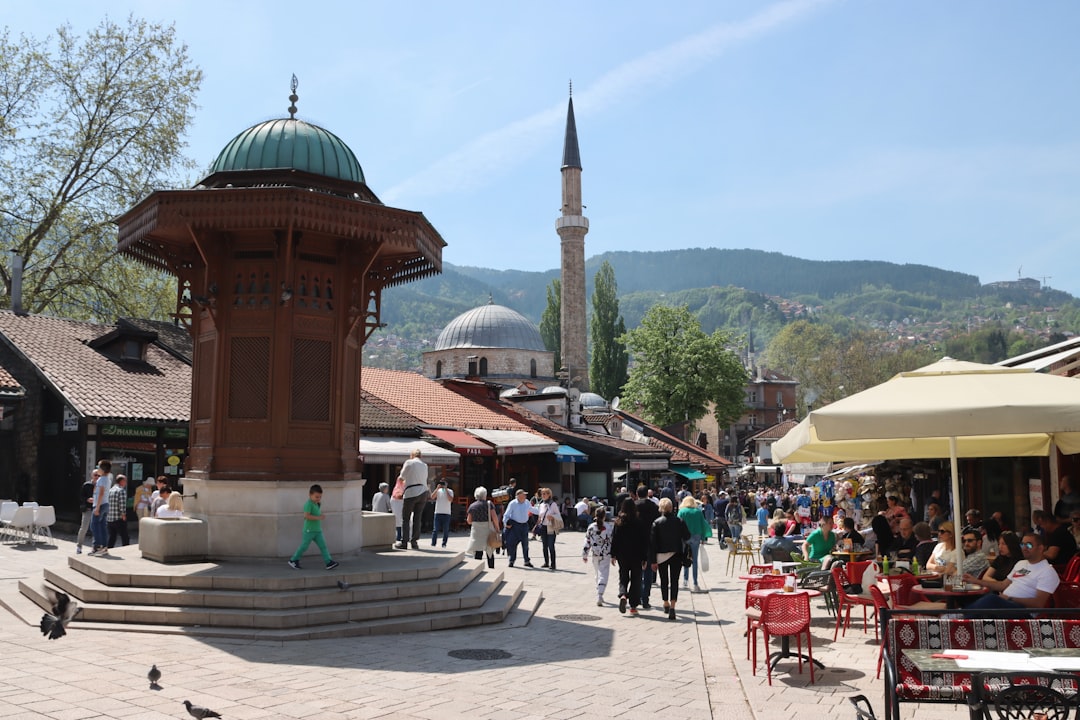
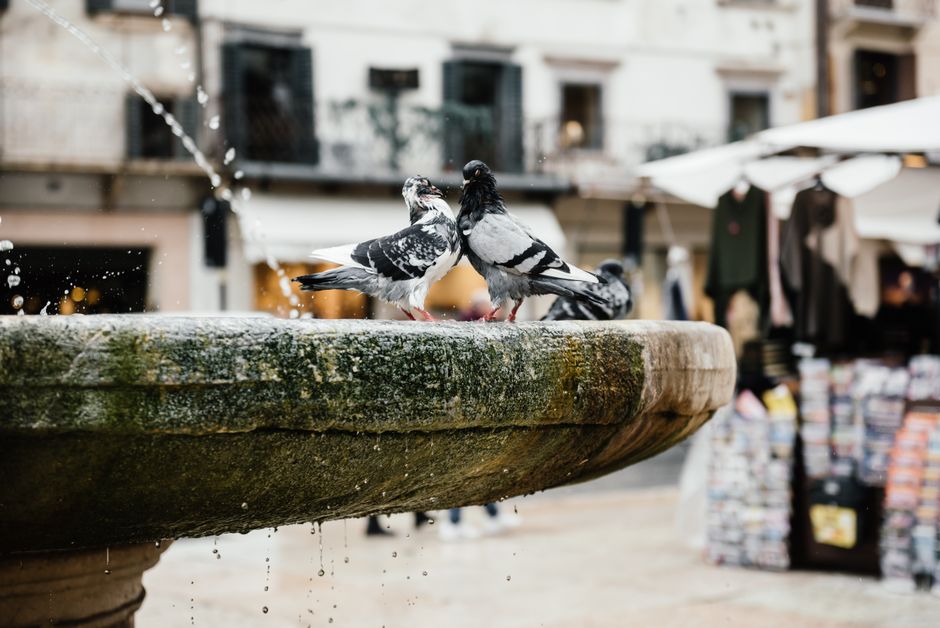
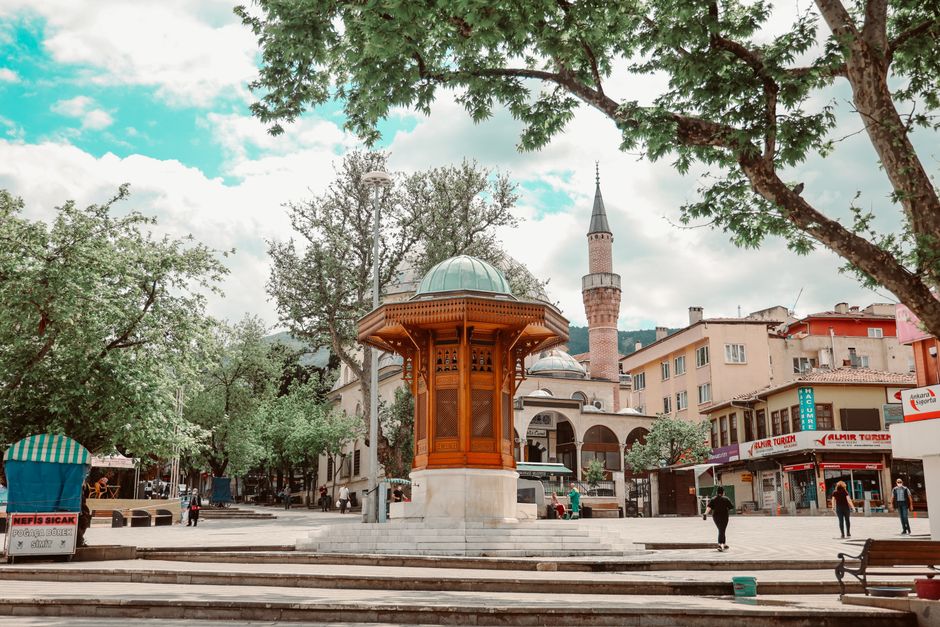
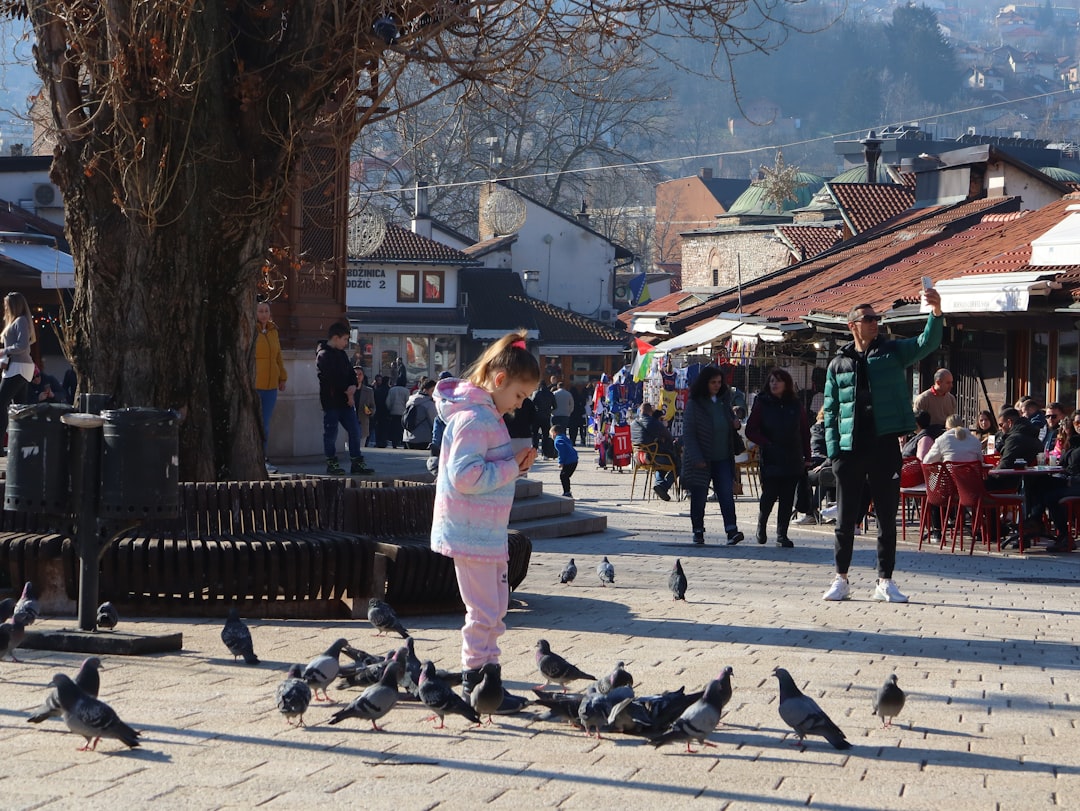
The Sebilj Fountain — The central landmark of Baščaršija, this Ottoman-style fountain dates back to the 19th century. It’s a symbol of Sarajevo and a meeting point for locals and tourists. The water is free, and it’s a refreshing break from the heat and the crowds. Surrounded by pigeons and street performers, it’s the perfect spot to start your exploration. Entry is free, and it’s best visited early in the morning or late in the evening to avoid the midday rush.
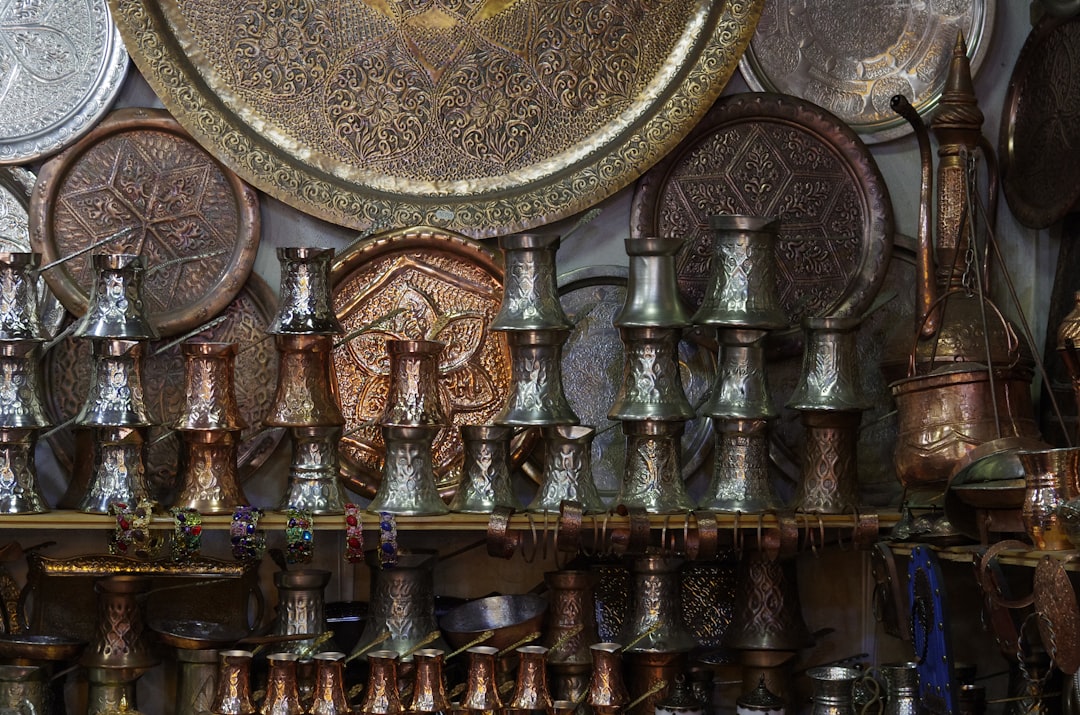
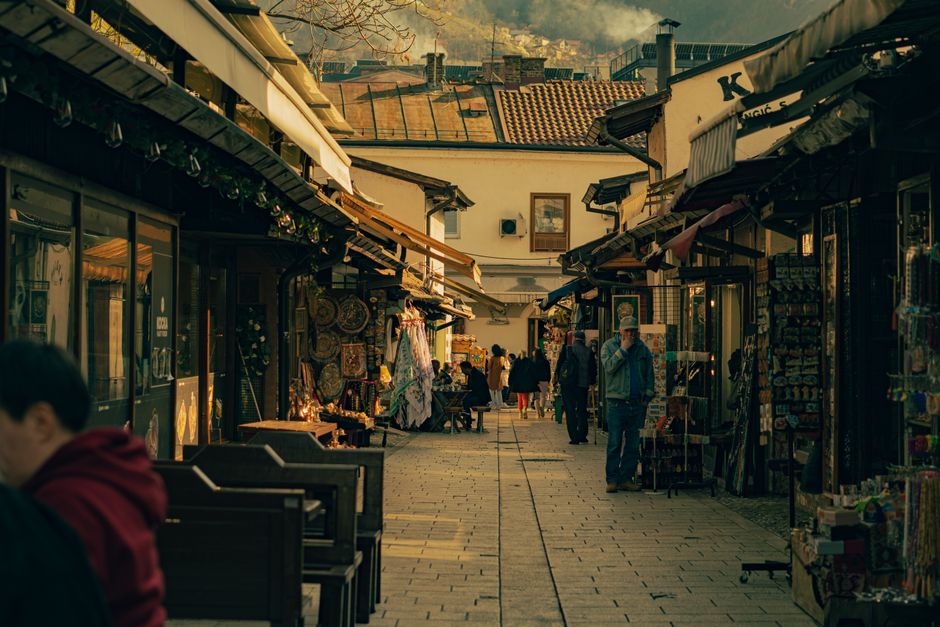
The Copper Souq — A narrow street lined with shops selling handmade copperware. The sound of hammers echoing off the stone walls is a constant reminder of the artisanal tradition. You can watch craftsmen shaping copper into trays, bowls, and coffee pots. It’s a sensory experience — the smell of hot metal, the shine of polished copper, and the skill of the artisans. Prices vary, but a small tray might cost 10-20 EUR, while a large coffee pot could be 30-50 EUR.
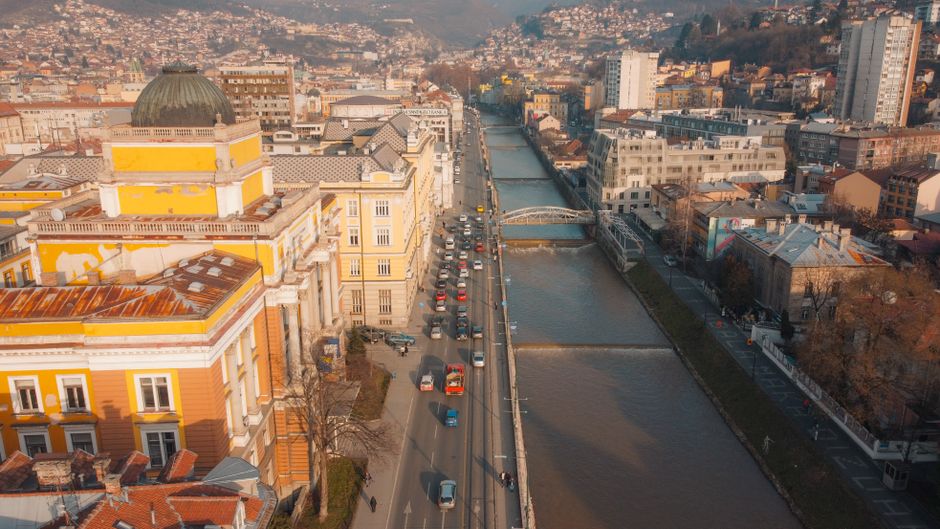
Latin Bridge — While not strictly part of the market, this bridge is a crucial historical site. It’s where Archduke Franz Ferdinand was assassinated in 1914, sparking World War I. The bridge itself is a replica of the original, which was destroyed during WWII. It’s a somber reminder of the city’s turbulent history. The surrounding area is a mix of Ottoman and Austro-Hungarian architecture, creating a unique cultural blend. Entry is free, and it’s best visited during the day for a clear view of the Miljacka River.
Gazi Husrev-bey Mosque — The oldest and most important mosque in Bosnia and Herzegovina, built in the 16th century. Its library houses thousands of rare manuscripts, and its architecture is a masterpiece of Ottoman design. The mosque is open to visitors outside of prayer times, and the courtyard is a peaceful retreat from the busy market. Entry is free, but donations are appreciated. Dress modestly, and remove your shoes before entering.
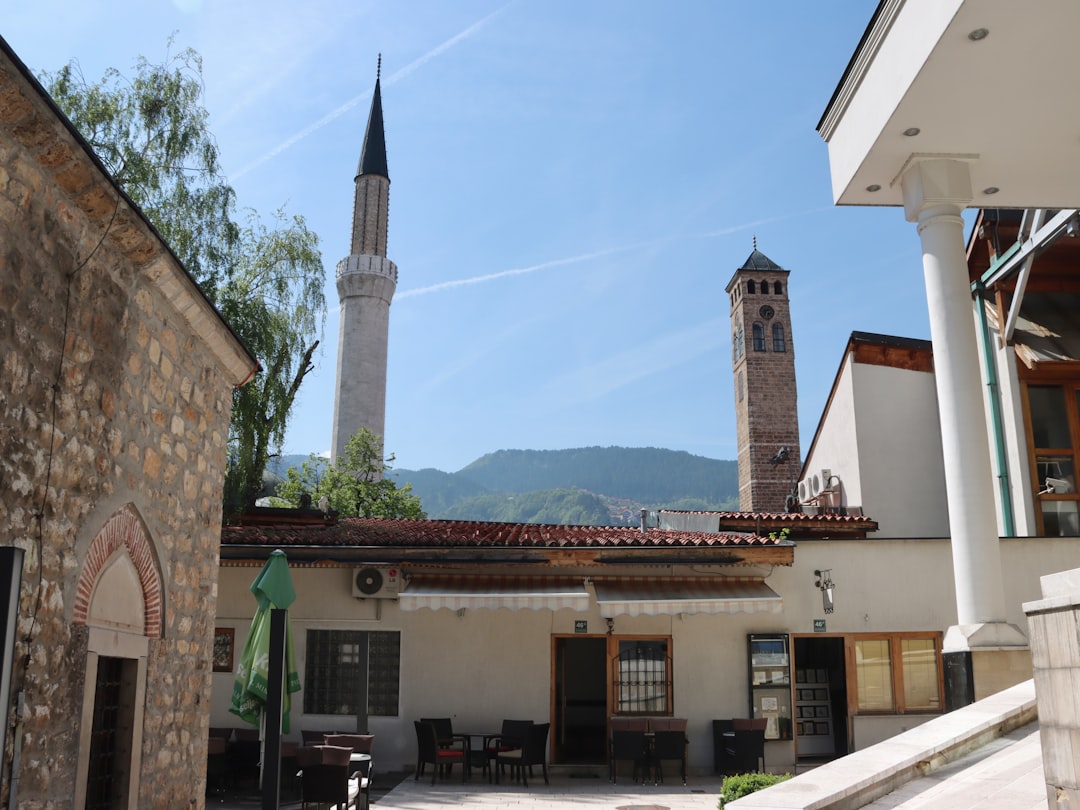
The Baščaršija Clock Tower — A symbol of the old bazaar, this clock tower was built in the 18th century. It offers a panoramic view of the old town and the surrounding mountains. The climb is steep, but the view is worth it. Entry costs 2 EUR, and it’s best visited in the late afternoon for a sunset view over the city.
What to Eat & Drink
The food in Baščaršija is the star of the show. Here’s what you need to try:
Ćevapi — Small, grilled minced meat sausages, served in flatbread with raw onions and sumac. They’re the national dish of Bosnia and Herzegovina. Price: 3-5 EUR.
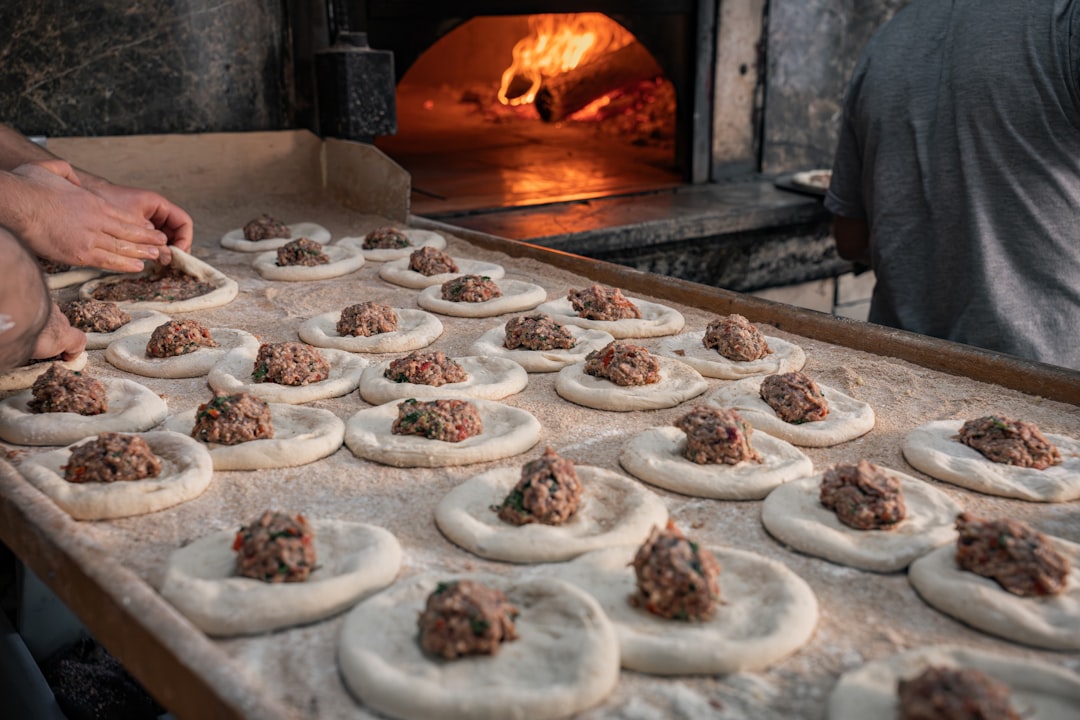
Burek — A flaky pastry filled with meat, cheese, spinach, or potatoes. It’s a staple of Ottoman cuisine and a perfect breakfast or snack. Price: 1-3 EUR.
Tulumba — A fried dough dessert soaked in syrup and dusted with cinnamon. It’s sweet, sticky, and irresistible. Price: 2-4 EUR.
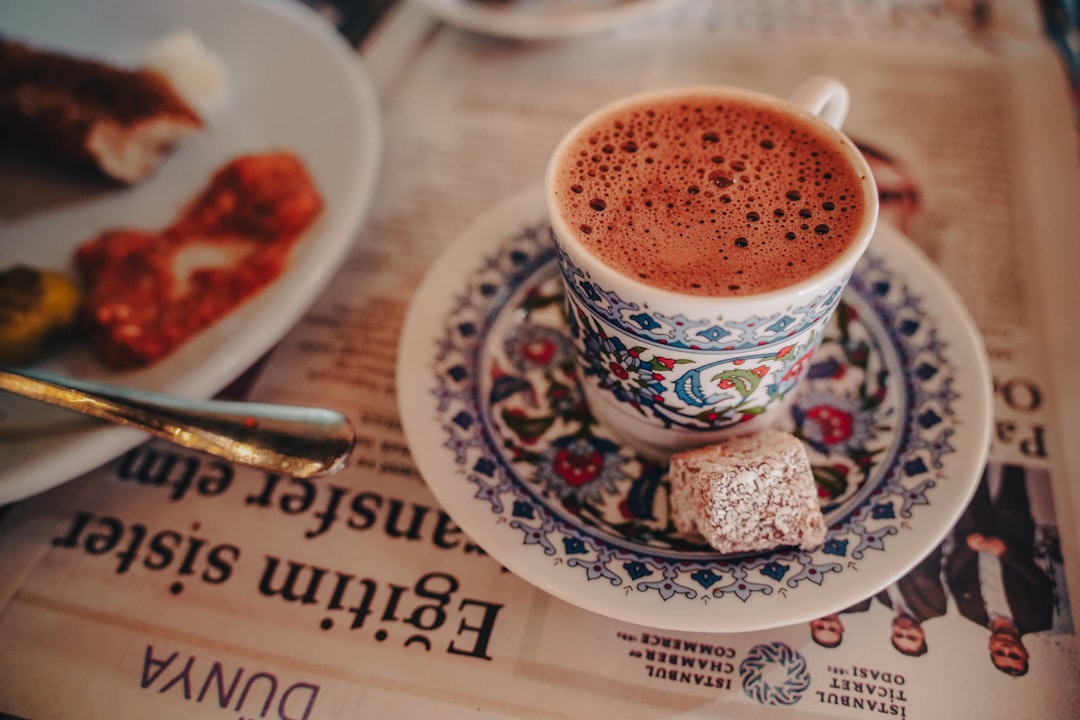
Bosnian Coffee — Served in a džezva (traditional copper pot) with lokum (Turkish delight). It’s strong, unfiltered, and poured slowly. Price: 1-2 EUR.
Sogan Pogača — A savory pie filled with onions and yogurt. It’s a local favorite and a great example of the fusion of Ottoman and Balkan flavors. Price: 2-4 EUR.
Budget breakdown: Street food and take-away options are abundant and cheap, with most items under 5 EUR. For a sit-down meal at a traditional cafana, expect to pay 8-15 EUR per person. Mid-range restaurants in the area charge 15-25 EUR. The best places to eat are clustered around the Sebilj Fountain and the Copper Souq. Look for places with outdoor seating and long queues — that’s usually a sign of good food.
Nightlife
As the sun sets, Baščaršija transforms. The daytime crowds thin out, and the cafes and bars fill up with locals. The atmosphere is relaxed, with live music, backgammon, and conversation. Here are a few places to check out:
Šeherćehaja — A historic cafana in the heart of Baščaršija, known for its traditional Bosnian music and food. It’s a great place to experience the old-world charm of the city. Cover charge: 5-10 EUR. Music: Live folk and sevdah.
Kod Vuleta — A popular spot for traditional Bosnian dishes and drinks. It’s lively, with a mix of locals and tourists. Cover charge: 3-5 EUR. Music: Live folk and pop.
Bar Kafa — A modern cafe with a rooftop terrace offering views of the old town. It’s a good place to start the night with a cocktail. Cover charge: 2-4 EUR. Music: Ambient and chill.
Getting There & What to Expect
Sarajevo International Airport (SJJ) is the main gateway, located about 15 km from the city center. Taxis to Baščaršija cost around 10-15 EUR, while public buses are cheaper (1.50 EUR). Buses and trains connect Sarajevo to other Balkan hubs like Belgrade, Zagreb, and Ljubljana. Travel times vary: Belgrade is about 6 hours by bus, Zagreb is 5 hours, and Ljubljana is 7 hours. Car rentals are available at the airport, with prices starting at 30-50 EUR per day.
Accommodation in Sarajevo ranges from budget hostels (15-25 EUR per night) to mid-range hotels (40-70 EUR per night). Baščaršija has several guesthouses and boutique hotels, offering a more authentic experience. The best time to visit is from April to October, when the weather is mild and the outdoor cafes are open. Winter can be cold and snowy, but it’s also a magical time to see the old town under a blanket of snow.
Search accommodation in Sarajevo on Booking.com →
Final Thoughts: The Taste of Time
Leaving Baščaršija feels like waking from a dream. The smells, the sounds, the tastes — they linger. It’s a place where time moves differently, where the past isn’t just remembered but lived. The Ottoman culinary traditions here aren’t relics; they’re alive, evolving, and deeply rooted in the daily lives of the people. As I walk back to my hotel, the taste of sumac and lamb still on my tongue, I realize that this isn’t just a market. It’s a testament to the power of food to preserve culture, to connect people, and to keep history alive. Sarajevo’s Baščaršija isn’t just a place to eat. It’s a place to remember.
Comments