


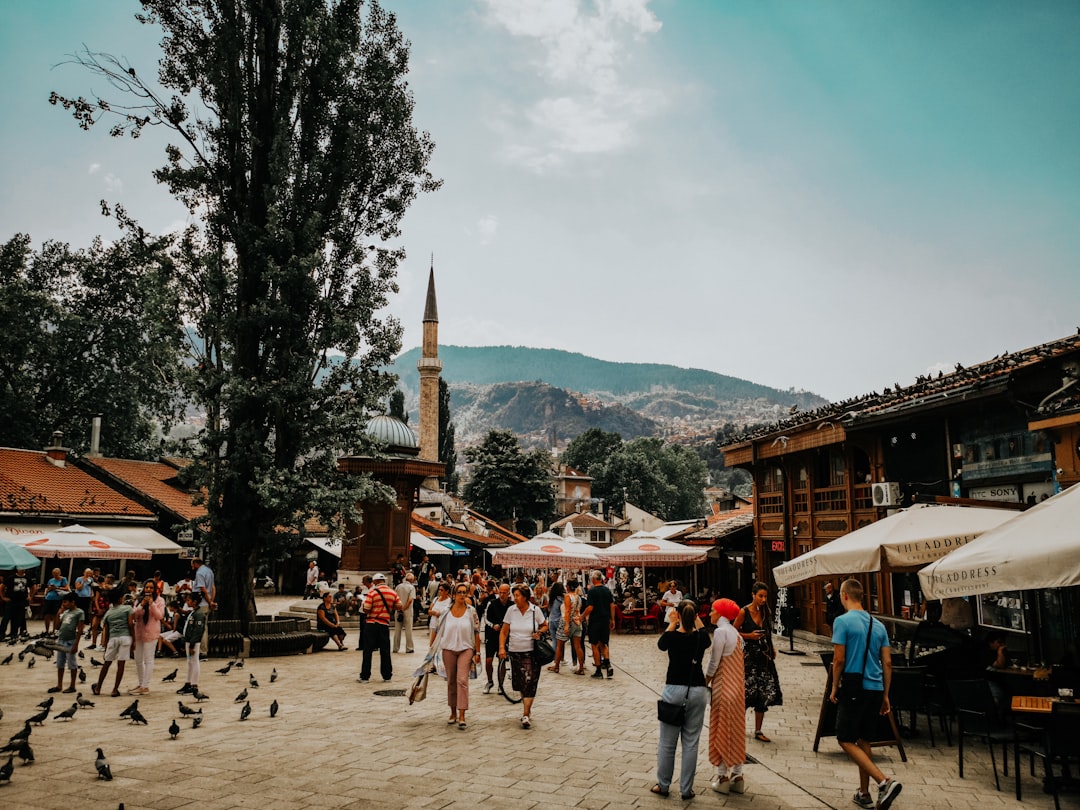
Sarajevo: A Mosaic of Cultures and Centuries
Sarajevo, the heart of Bosnia and Herzegovina, is a city where the past and present meet, and where multiple cultures intertwine in an often surprising and beautiful harmony. This article will take you through the layers of Sarajevo's history, its vibrant cultural landscape, and the unique experiences that await you in this captivating Balkan gem.
Getting There & What to Expect
To reach Sarajevo, you'll likely fly into the capital's airport, which is about 15 kilometers from the city center. From there, a taxi or bus can get you into town in about 20 minutes. For those driving, Sarajevo is about a four-hour drive from Belgrade, and just under three hours from Zagreb.
Sarajevo is a city that welcomes everyone, regardless of experience level. Families with children, couples, and solo travelers will all find something to enjoy here. It’s a city that can be explored on foot, with the compact city center easily navigated over the course of a day or two.
Accommodation in Sarajevo ranges widely in price, from budget-friendly hostels at around 20-30 EUR per night to mid-range hotels at 60-100 EUR per night. Local restaurants offer a diverse array of options, with typical meals costing between 10-30 EUR, depending on the establishment and the meal's complexity.
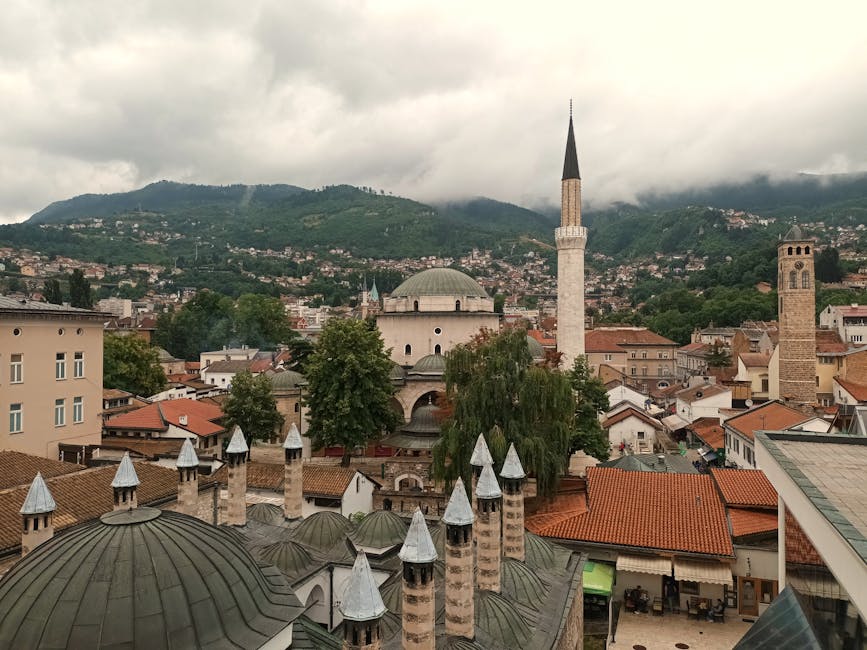
The Historical Heart: Baščaršija
At the heart of Sarajevo is its historical core, Baščaršija, a labyrinth of narrow streets and alleyways that have been the beating heart of the city since the 15th century. This is the place to wander and immerse yourself in the sights and sounds of a truly unique city. Here, you can find the iconic Gazi Husrev-beg Mosque, the traditional Turkish Baths (Hamam), and the vibrant bazaar with its array of shops and cafes.
Baščaršija is a microcosm of Sarajevo’s cultural diversity. You can enjoy a cup of Bosnian coffee in one of the traditional coffee houses, sample local specialties like burek and cevapi, and listen to the call to prayer from nearby mosques. It’s a place where the past and present collide, and where the spirit of the city truly comes alive.

The Tantalizing Taste of Sarajevo
Sarajevo’s culinary scene is a reflection of its multicultural heritage, offering a blend of Ottoman, Austro-Hungarian, and Balkan flavors. The city is famous for its Bosnian coffee, a ritualistic experience that involves small cups, a special pot called a “džezva,” and lots of sugar. Paired with Bosnian sweets like baklava and tulumba, it’s a sensory delight.
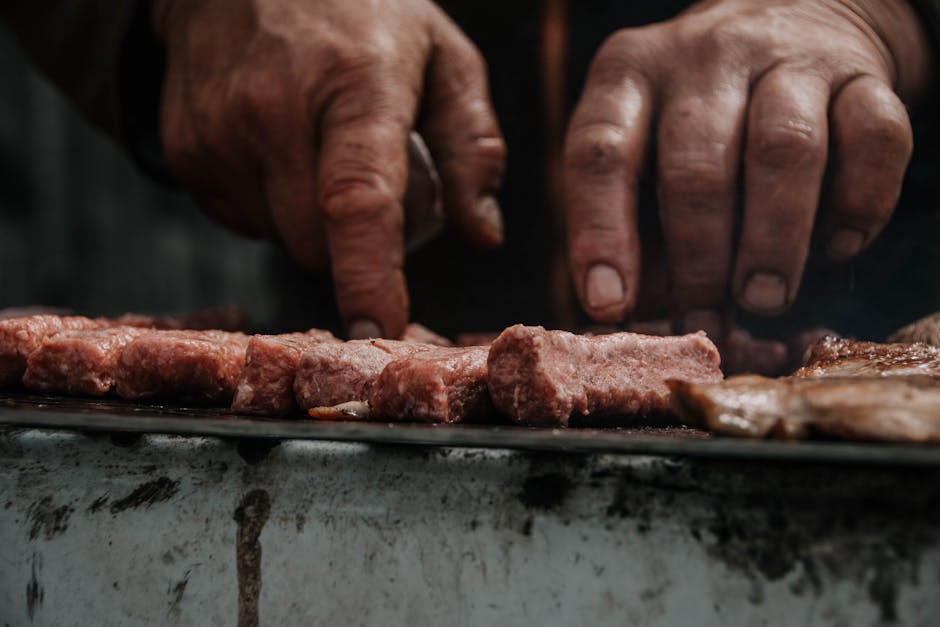
When it comes to food, Sarajevo offers a diverse array of options. Try burek, a savory pastry filled with cheese, meat, or spinach, which can be found in bakeries across the city. Cevapi, grilled minced meat served in a flatbread, is another must-try. For a more upscale dining experience, head to the trendy restaurants and cafes in the city center, where you can enjoy fusion cuisine and local specialties alike.
The food scene in Sarajevo is a testament to the city’s ability to blend traditional and modern, East and West, creating a culinary landscape that is as diverse and fascinating as the city itself.
A City in a State of Perpetual Surprise
As I wandered through the narrow streets of Baščaršija, I stumbled upon a street performer, a local artist with a talent for juggling and a quick wit. He entertained a small crowd, weaving in and out of the throngs of tourists and locals, his juggling a bright spot of color in the city’s vibrant tapestry. This unexpected encounter encapsulates what Sarajevo is all about: a city that constantly surprises and delights, where history and culture are on full display at every turn.
And then, there was the day I decided to explore the city’s outdoor markets. As I was browsing through the stalls of one such market, I came across a vendor selling traditional Bosnian sweets. The air was thick with the sweet aroma of baklava and tulumba, and I couldn’t resist trying some. The flavors were rich and indulgent, and it was a moment of pure joy, a small but significant part of the larger narrative of Sarajevo’s cultural richness.
Sarajevo is a city where cultures and centuries collide, where history and modernity coexist in a delicate and beautiful balance. It’s a place that will leave you with memories of vibrant colors, rich flavors, and the constant thrill of discovery. It’s a city that, once you visit, you’ll never forget.
Comments