


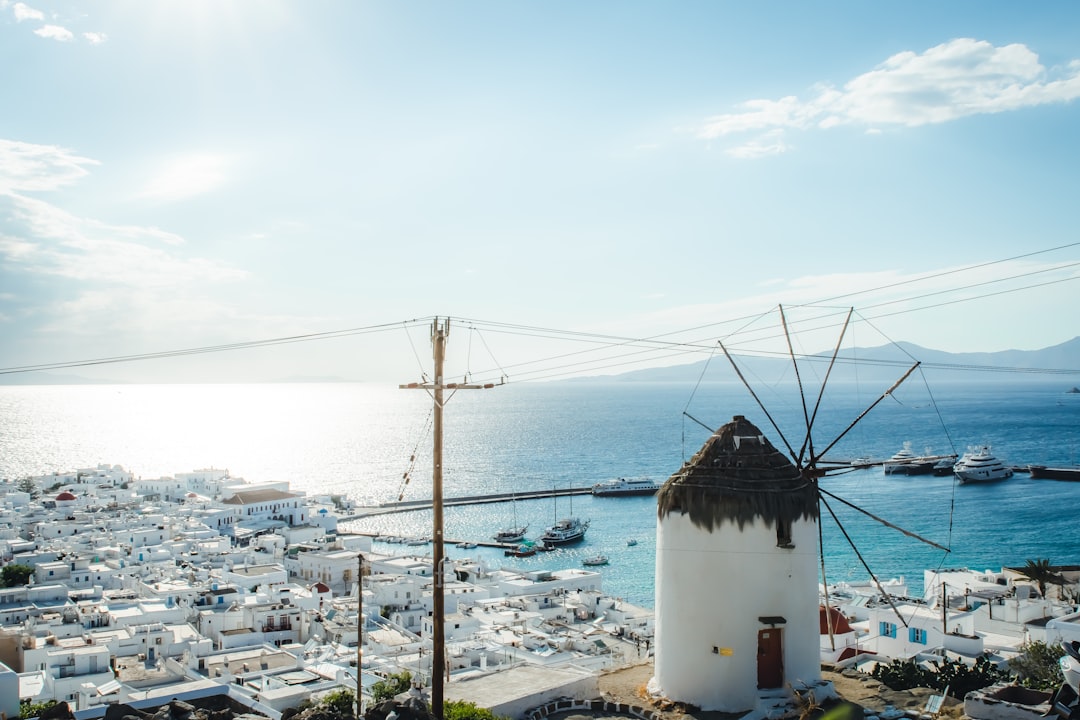
The air on Mykonos doesn't smell like the Aegean Sea; it smells like expensive perfume, diesel fumes, and desperation. I’m standing in the square of Chora, clutching a lukewarm beer that cost me 8 EUR, watching a wave of influencers in linen blazers and oversized sunglasses navigate a sidewalk that hasn’t been wide enough for two people since the Ottoman era. A guy in a tuxedo jacket at 2 PM tries to sell me a "VIP upgrade" to a nightclub I haven’t heard of. This is the engine room of Greek party culture, loud, aggressive, and relentlessly commercial. Now, fast forward three hours and a ferry ride to Santorini. The air here is thinner, drier, and smells of volcanic sulfur and sun-baked clay. I’m perched on a cliff in Oia, watching the sun dip below the horizon while a thousand tourists raise their phones like a religious congregation. There is no bass thumping through the soles of my shoes. Just the wind, the silence of the caldera, and the crushing weight of having seen this exact sunset in a thousand Instagram photos. These two islands are not just destinations; they are opposing philosophies of Greek tourism. One is a nightclub with a beach; the other is a postcard that forgot to include the price tag. Choosing between them isn't about which is "better." It’s about what kind of traveler you are willing to become for five days.
History & Identity
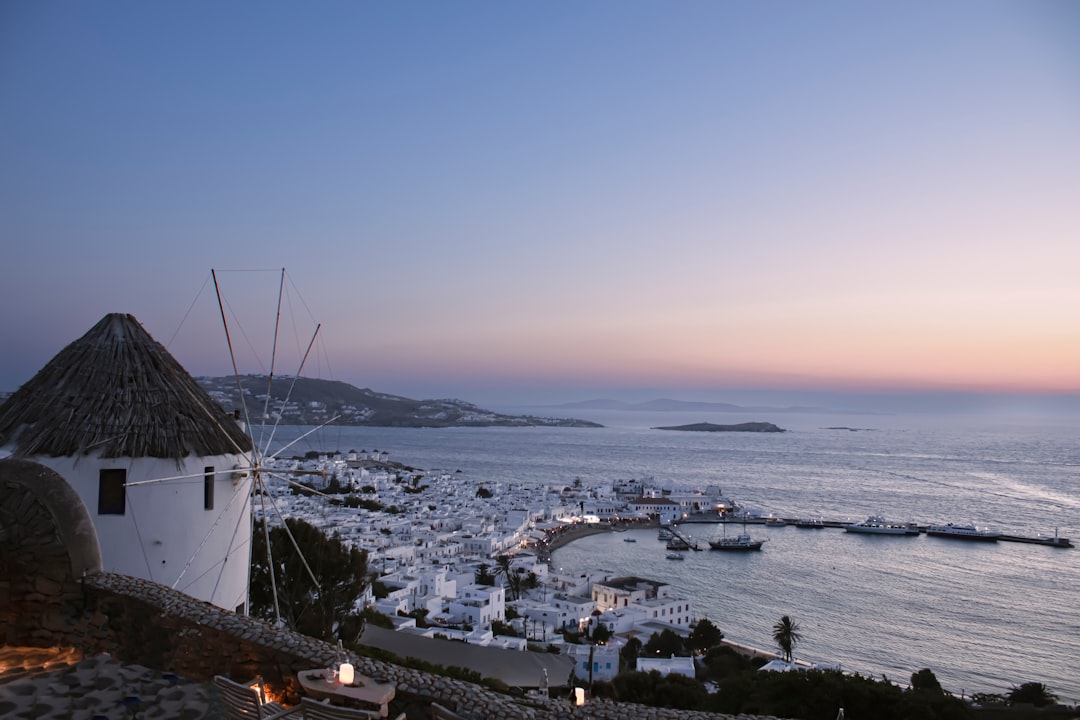
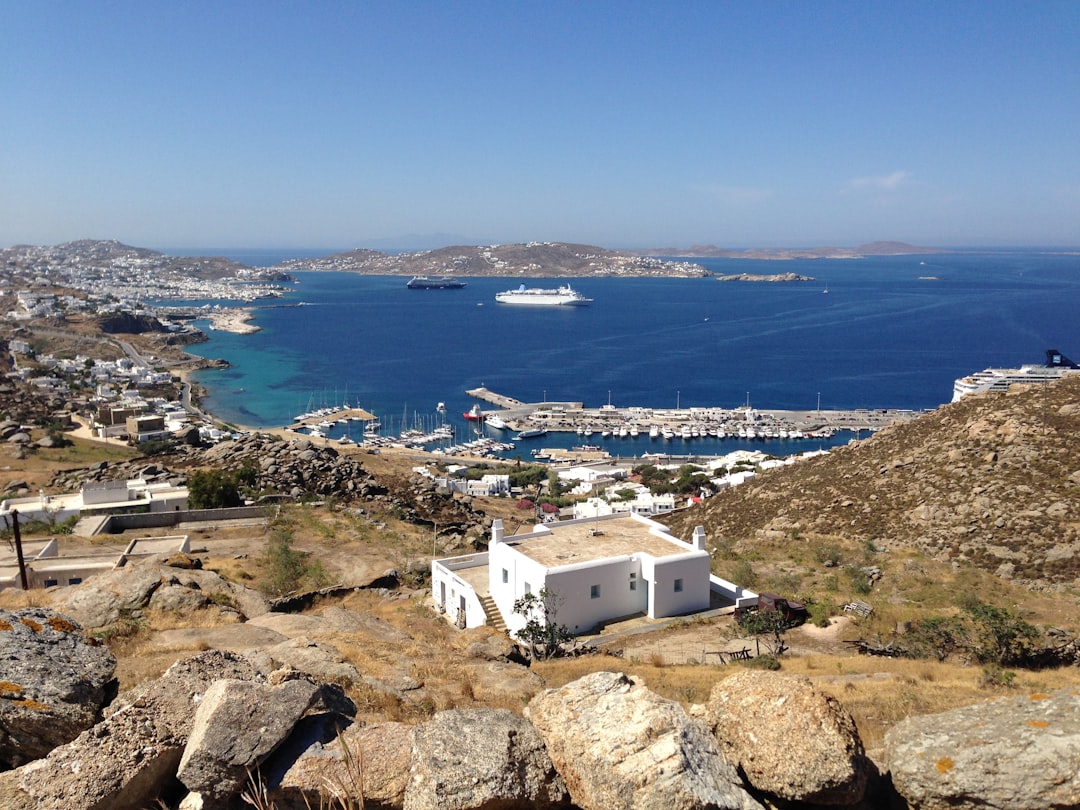
Mykonos was never about the landscape. It was about the sea. For centuries, this flat, wind-swept island was a haven for pirates, then a hub for Venetian merchants, and later a crucial stop for the Greek diaspora. The island’s identity is tied to its port. The iconic windmills on the hilltop aren’t just decorations; they are remnants of a grain-milling industry that kept the island fed when the soil was too poor for anything else. Today, that mercantile spirit has evolved into a global brand. Mykonos sells an image of hedonism and exclusivity. It doesn’t care if you know its history; it cares that you can afford its present. The architecture is a jumble of Cycladic white and blue, but it feels more like a theme park designed by a fashion magazine than a living town. The identity here is performative. You are not here to relax; you are here to be seen.
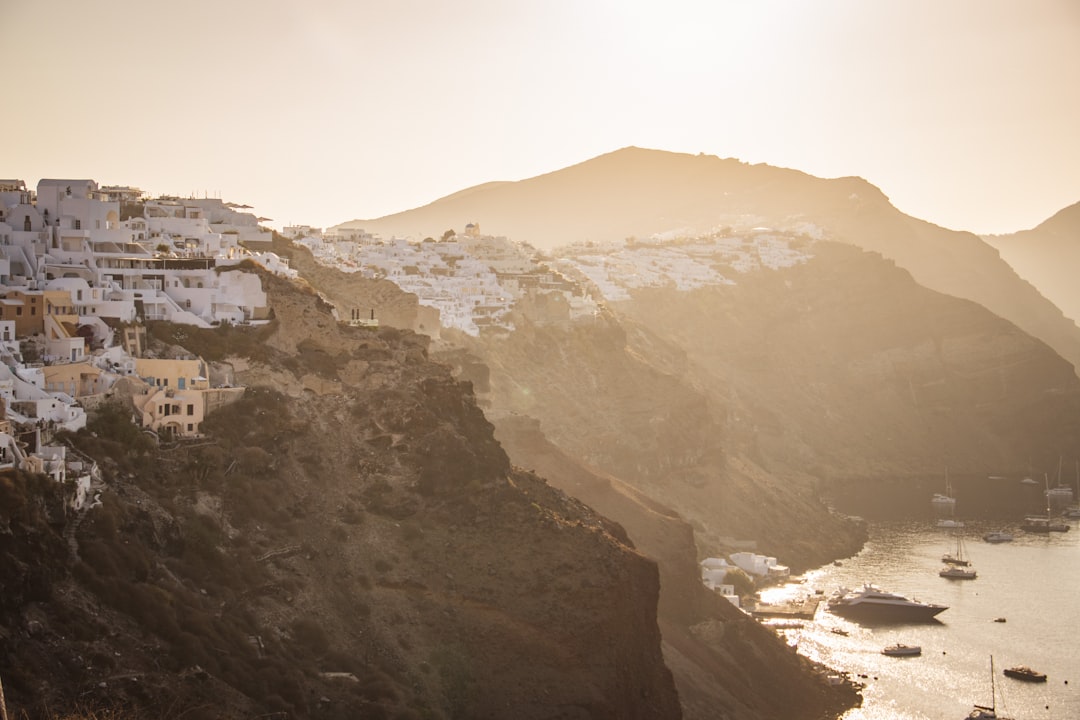
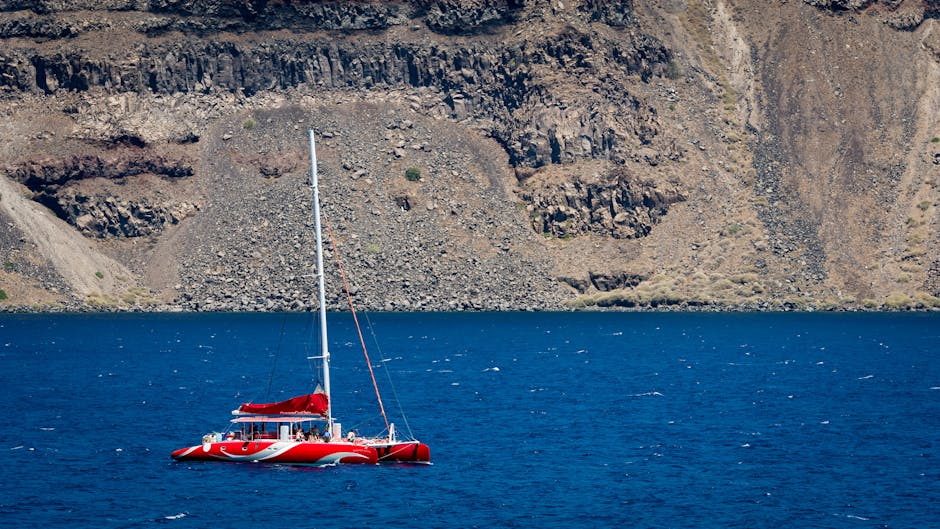
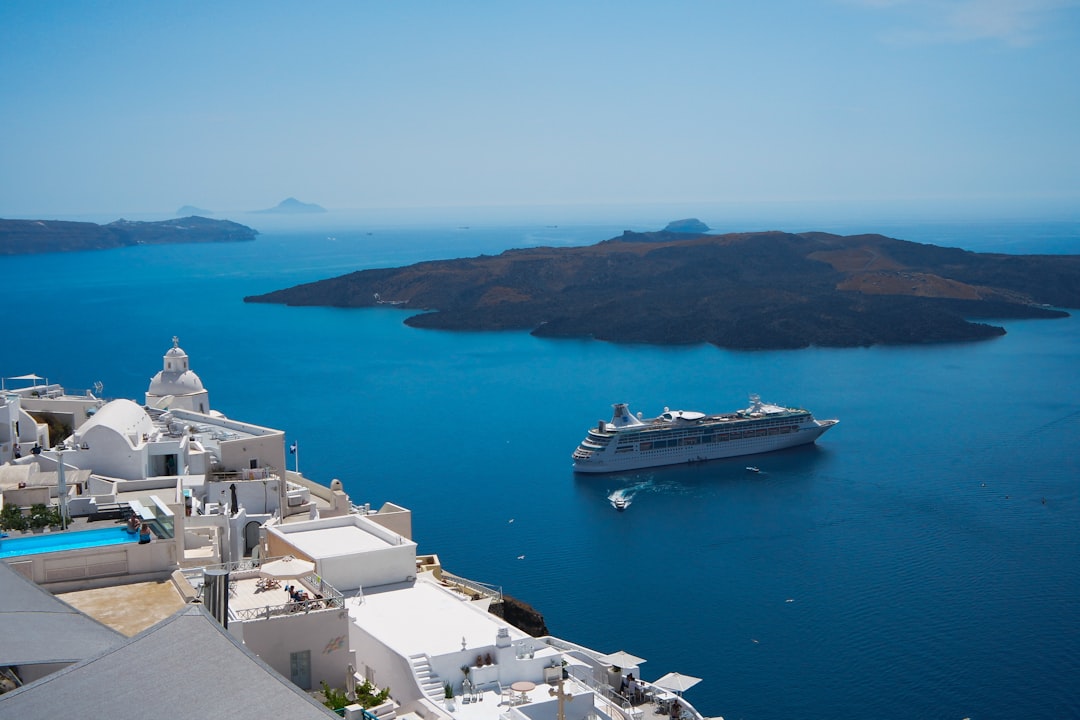
Santorini, by contrast, is a geological accident that became a cultural icon. The island is the rim of a massive volcanic caldera, formed by one of the largest eruptions in recorded history around 1600 BC. This event, which likely destroyed the Minoan civilization on Thera, left behind a landscape that defies normal agricultural logic. The soil is rich in minerals, producing the tiny, sweet Assyrtiko grapes that make Santorini’s wine world-famous. The white-washed buildings clinging to the cliffs are not just aesthetic; they are a defense against the intense sun and the sea salt. Santorini’s identity is rooted in its isolation and its beauty. It is quieter, more introspective, and undeniably more expensive in terms of accommodation. While Mykonos shouts, Santorini whispers, but it whispers in a way that costs you a fortune to hear.
Where to Go
Little Venice (Mykonos) — This is the postcard image of Mykonos. Houses built directly on the edge of the sea, with balconies overlooking the water. It is crowded, chaotic, and undeniably photogenic. Best visited at sunset for the light, but avoid the main bars here unless you enjoy paying 20-30 EUR for a cocktail. The architecture is charming, but the crowds are suffocating.
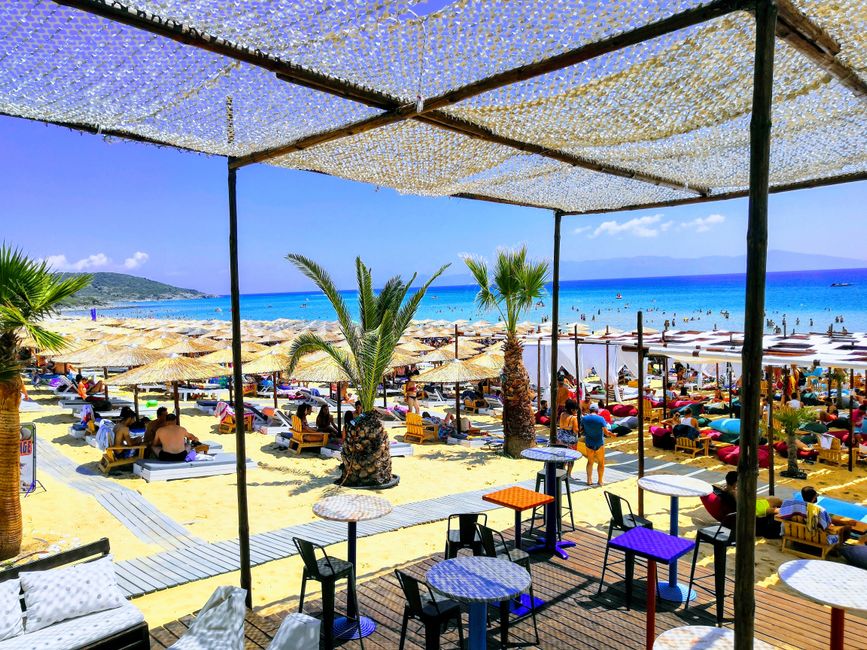
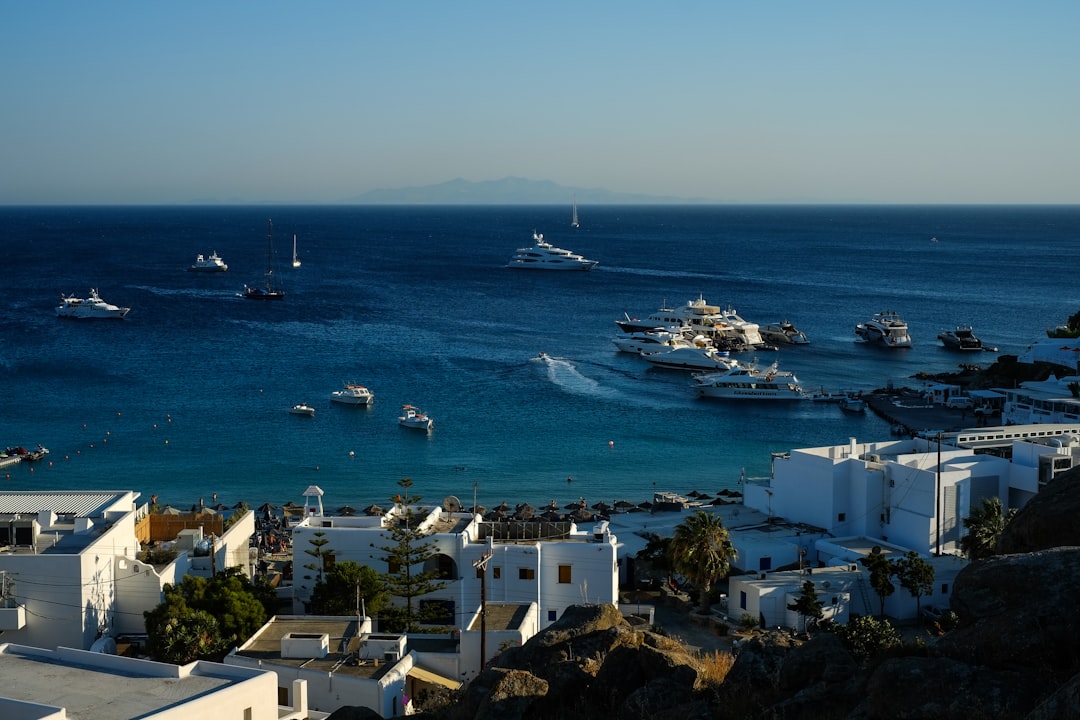
Paradise Beach (Mykonos) — The epicenter of the party. This isn’t a beach for swimming; it’s a beach for dancing. Large clubs like Paradise Beach Club line the shore, pumping out EDM from noon until dawn. The sand is mixed with shells, and the water is clear, but the noise level is relentless. If you want a quiet swim, go elsewhere. If you want to party in your swimsuit, this is the place.
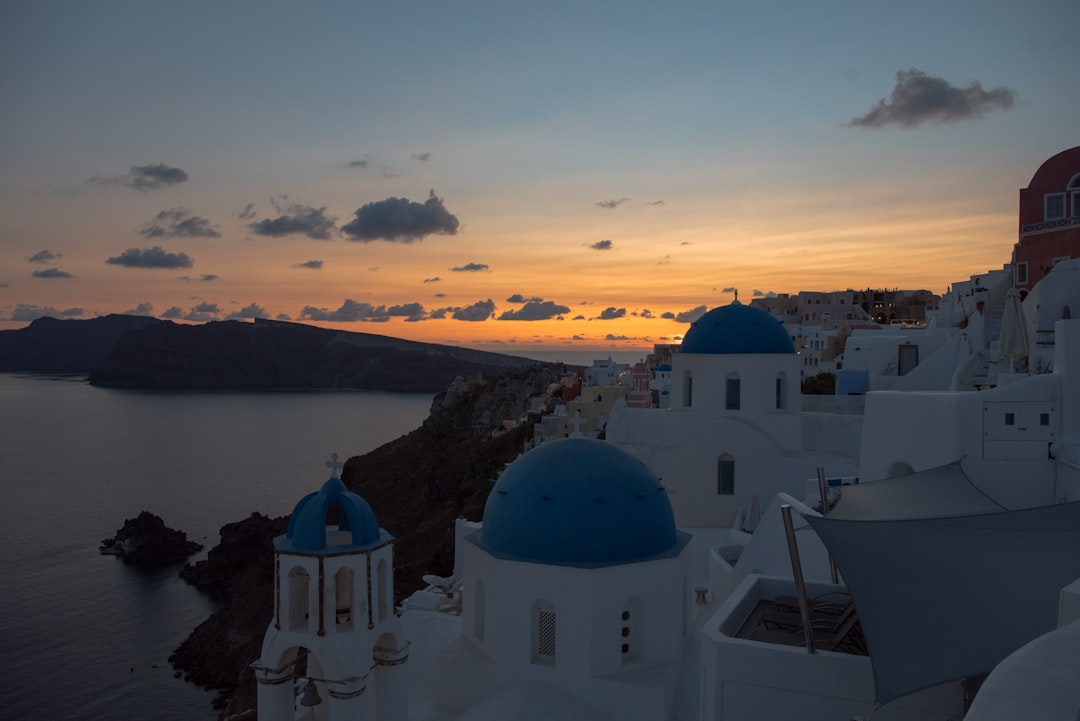
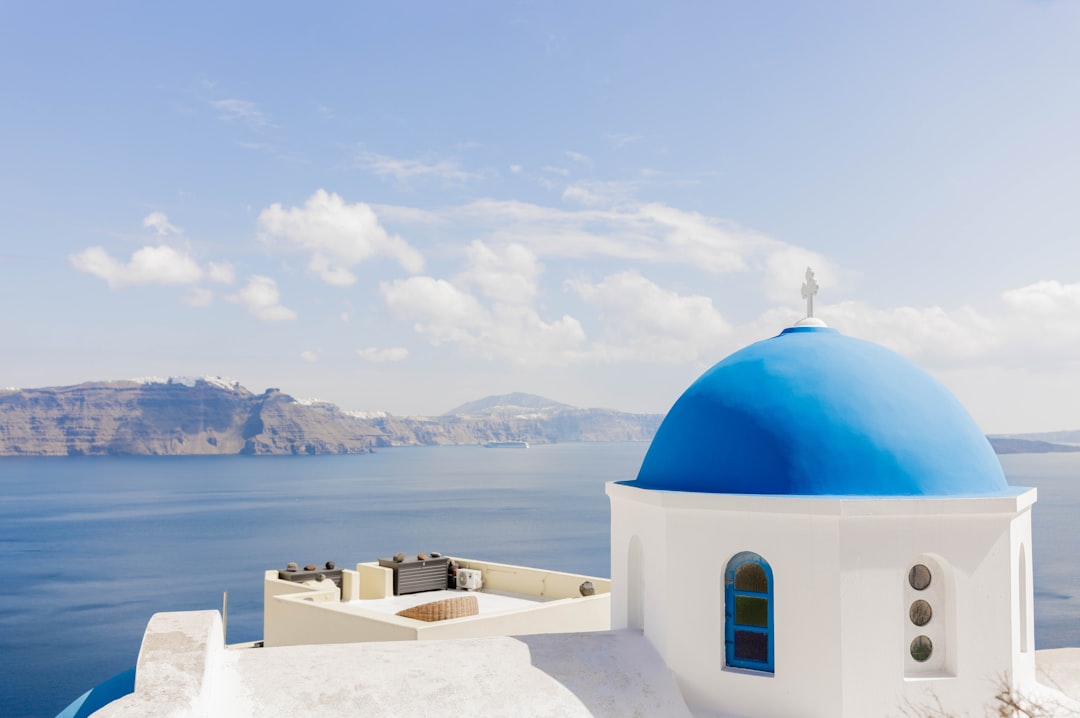
Oia (Santorini) — The village at the northern tip of the caldera. Famous for its blue-domed churches and the best sunset views in Greece. It is incredibly crowded during peak season, but the views down the caldera are unmatched. The narrow streets are full of high-end boutiques and photo opportunities. Visit early in the morning or late at night to avoid the tourist crush.
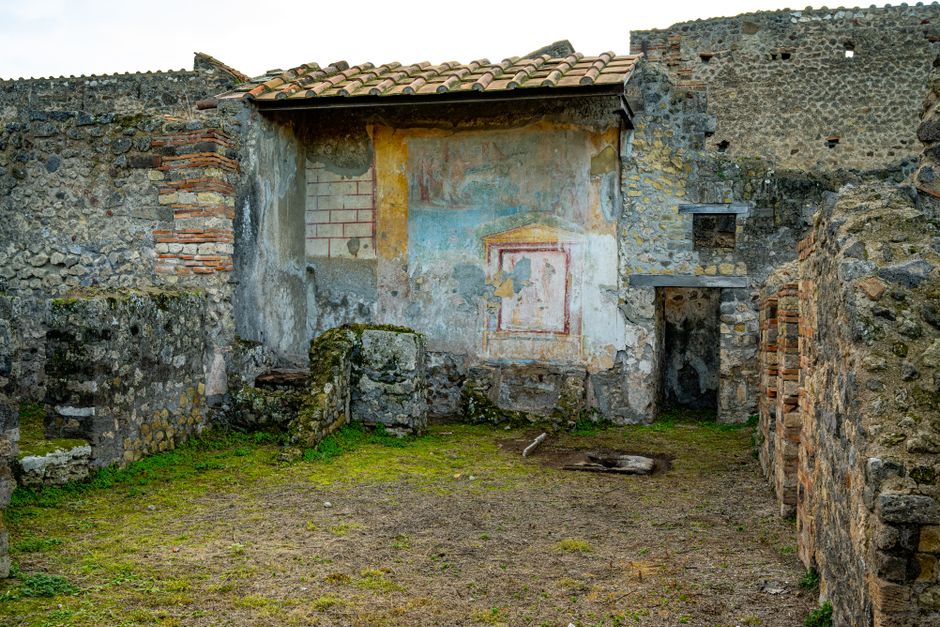
Akrotiri Archaeological Site (Santorini) — A Minoan Bronze Age city buried by volcanic ash, similar to Pompeii. The site is well-preserved, with multi-story buildings, frescoes, and advanced plumbing. It offers a stark contrast to the modern luxury of the island. Entry is around 12 EUR. It is dry and exposed, so bring water and a hat. The history here feels tangible and ancient, not manufactured.
Red Beach (Santorini) — A striking beach with red volcanic cliffs and black sand. The colors are vivid and unique. The cliffs can be unstable, so stay on the marked paths. The water is clear and cool. It is less crowded than the caldera views but still popular. Rent a quad bike to get here, as the bus ride is long and winding.
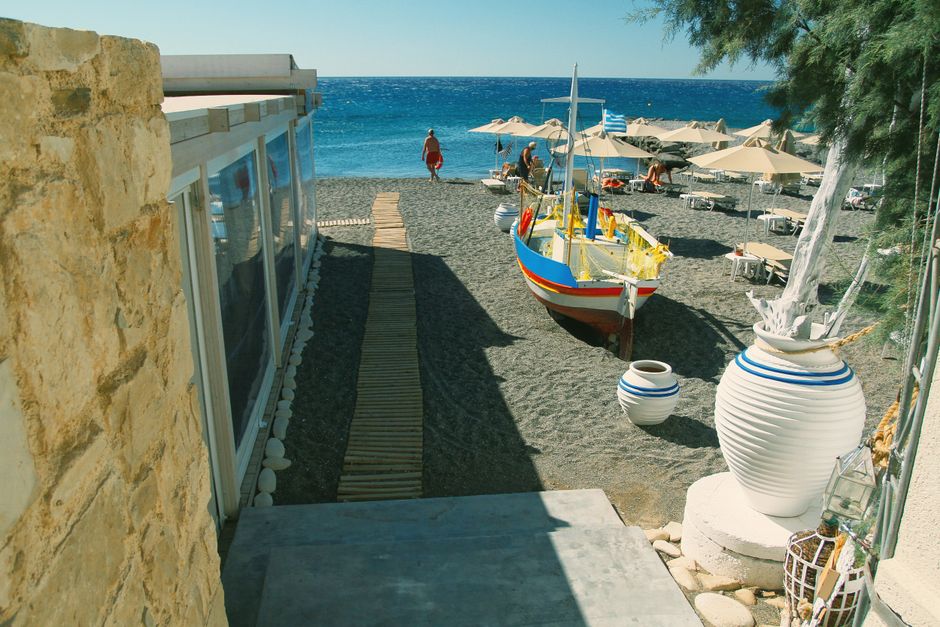
Perissa Black Sand Beach (Santorini) — A long stretch of black volcanic sand. The water is clear and the beach is lined with tavernas and beach bars. It is more relaxed than the caldera villages and offers a more authentic Greek beach experience. Great for swimming and sunbathing without the pretense of Oia.
What to Eat & Drink
Food on both islands is Greek, but the price and presentation differ wildly. On Mykonos, you will pay for the view. A simple gyros in the center of Chora might cost 5-7 EUR, while the same item in a quiet village could be 3-4 EUR. The island is known for Mykonos potatoes, fried and served with herbs, and keftedes (meatballs). For a sit-down meal at a mid-range taverna, expect to spend 20-30 EUR per person. Budget travelers can find souvlaki stalls for 3-5 EUR. The food is good, but it is often secondary to the atmosphere. Drink-wise, Mykonian ouzo is the local specialty, and you will find it everywhere. Nightlife drinks are astronomically expensive, with cocktails ranging from 15-25 EUR.
On Santorini, the food is tied to the unique volcanic soil. You must try tomatokeftedes (tomato fritters), made from the island’s small, sweet cherry tomatoes. Fava, a yellow split pea puree, is another local staple. The wine is the real star. Assyrtiko is a crisp, acidic white wine that pairs perfectly with seafood. A glass in a caldera-view restaurant will cost 10-15 EUR. A sit-down dinner at a mid-range taverna in Fira or Imerovigli will run 25-40 EUR per person. Budget options exist in the villages of Pyrgos or Megalochori, where you can eat a hearty meal for 10-15 EUR. The food here feels more authentic and less driven by the "instagrammable" factor, though the prices still reflect the island’s premium status.
Nightlife
Mykonos is the undisputed king of Greek nightlife. The party starts on the beach and moves to the clubs. Cavo Paradiso is the most famous, perched on a cliff with stunning views and world-class DJs. Cover charges can be 20-50 EUR, and drinks are even more expensive. Scorpios** is another major club, known for its high-energy atmosphere and celebrity sightings. The party goes on until dawn, and the energy is infectious if you are into it. If you prefer a more relaxed vibe, the bars in Ano Mera or the quieter beaches offer a more laid-back experience. But let’s be clear: Mykonos is a party island, and the nightlife is the main attraction.
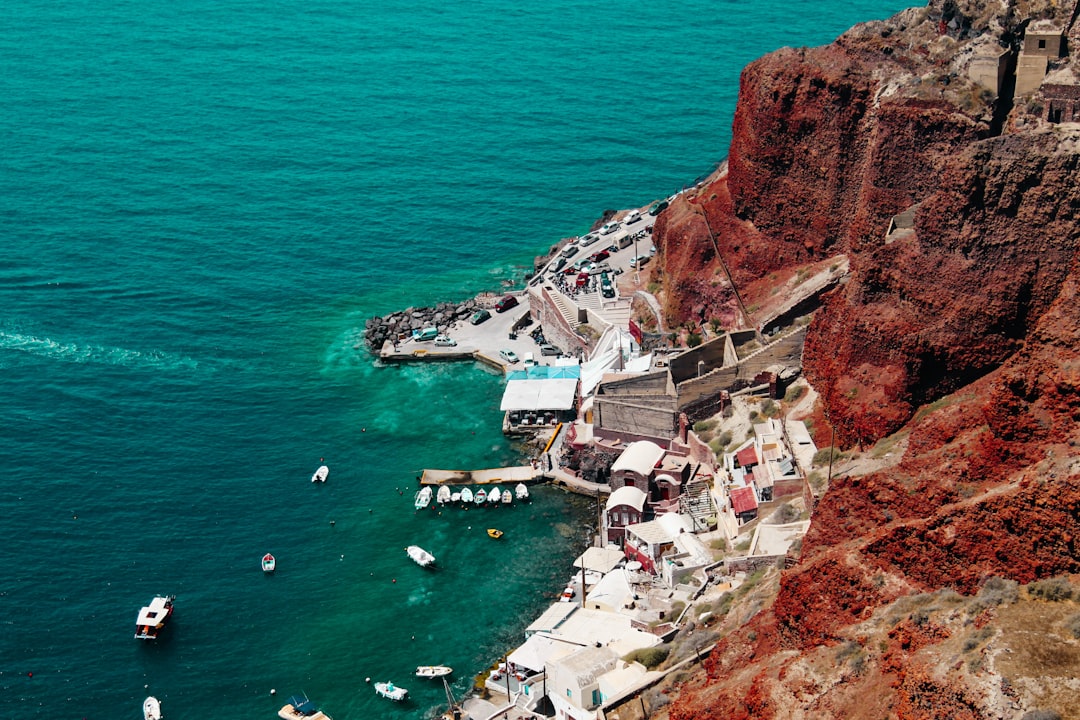
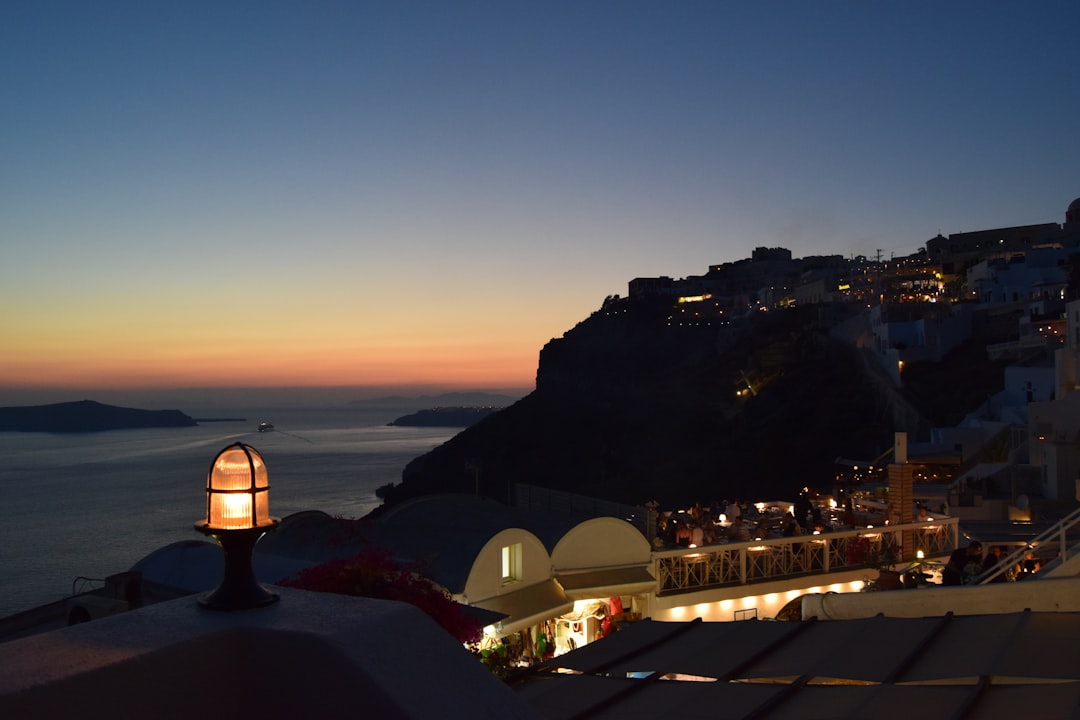
Santorini’s nightlife is more subdued and sophisticated. The clubs are smaller and often located in the caldera villages. Ammoudi Bay** in Oia has a few bars with a view of the sea, but they close earlier than Mykonos’ clubs. Fira** is the main hub for nightlife, with bars and clubs like Boogie’s** and Club Amore**. The music is more varied, ranging from electronic to indie, and the crowds are less intense. Cover charges are lower, around 5-10 EUR. The nightlife here is more about socializing and enjoying the view than dancing until sunrise. It is perfect for travelers who want a few drinks and a good time without the chaos of Mykonos.
Getting There & What to Expect
Getting to both islands requires a flight to Athens and then a ferry or a connecting flight. Mykonos has its own airport, with direct flights from Athens and some European cities. Ferries from Athens’ Piraeus port take 2.5 to 5 hours, depending on the type of ferry. High-speed ferries are faster but more expensive, costing around 40-60 EUR one way. Santorini also has an airport, with similar flight options. Ferries from Athens take 5 to 8 hours, with high-speed options taking 4 to 5 hours. The ferry ride to Santorini is longer and can be rough in bad weather. Once on the islands, transportation is limited. Buses are cheap and frequent, but renting a quad bike is the best way to get around. Quad bikes cost around 30-50 EUR per day on both islands. Accommodation on Mykonos ranges from 100-300 EUR per night for a mid-range hotel to for luxury suites. Santorini is generally more expensive, with mid-range hotels starting at 150-400 EUR per night and luxury cave hotels costing . The best time to visit both islands is May to June or September to October, when the weather is still warm but the crowds are thinner.
Search accommodation in Mykonos on Booking.com →
Search accommodation in Santorini on Booking.com →
The Verdict: Who Wins?
I sat on a plastic chair in a taverna in Mykonos, my ears ringing from the bass, and then I sat on a stone wall in Santorini, my eyes tired from the sun. Mykonos is a blast if you are young, rich, and want to party. It is a place to let loose, to meet people, and to experience the Greek summer at full volume. But it is also exhausting, expensive, and often superficial. Santorini is a place to slow down, to appreciate the beauty of the landscape, and to enjoy the finer things in life. It is also expensive, crowded, and often pretentious. The truth is, there is no "better" island. There is only the island that matches your mood. If you want to dance until you drop, go to Mykonos. If you want to watch the sun set over a volcanic caldera, go to Santorini. Just don’t expect either of them to be the Greece of your grandparents’ stories. They are modern Greece, polished and packaged, and they are worth the price if you know what you are paying for.
Comments