


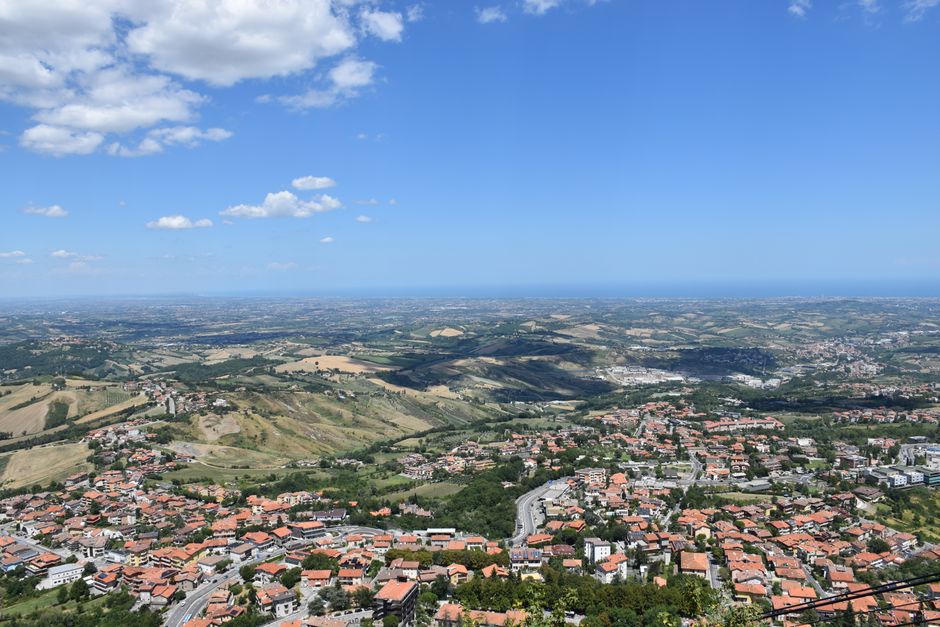
The upcoming clash between San Marino and Azerbaijan in the UEFA Nations League represents more than just a routine international fixture; it is a stark illustration of the widening gap in resources and development within European football's lower tiers. San Marino, a microstate with a population of fewer than 34,000, continues its long-standing struggle to secure its first-ever competitive victory, while Azerbaijan leverages significant financial investment to maintain its status among the continent's emerging forces. This match highlights the structural challenges faced by non-professional nations against semi-professional or professional setups, drawing attention from fans across the Balkans where similar developmental disparities exist among regional leagues.
For Balkan audiences, particularly those in Serbia, Montenegro, and North Macedonia, this fixture serves as a mirror to their own historical experiences with smaller neighboring entities and the importance of structured youth development. The contrast between San Marino's amateur ethos and Azerbaijan's state-backed infrastructure offers a compelling case study in how modern football is evolving. As the UEFA Nations League continues to reshape qualification pathways, every point matters, and the dynamics between these two teams underscore the relentless pressure to professionalize in order to survive at the international level.

The Struggle of the Microstate
San Marino holds the record for the longest period without a competitive win in international football, a statistic that often draws both sympathy and scrutiny. The team, composed largely of players who work full-time jobs outside of football, faces an immense logistical and athletic challenge when traveling abroad or hosting matches. Despite these hurdles, the squad remains united by national pride and a desire to break the curse that has defined their history. Recent years have seen slight improvements in draw frequency, but a victory remains an elusive goal that defines the nation's sporting identity.
The infrastructure in San Marino is modest by European standards, with the Stadio Olimpico in Serravalle serving as the sole national stadium. The team's reliance on local talent and occasional expatriate players means they lack the depth and tactical flexibility of their opponents. Nevertheless, the spirit of the team resonates with supporters who view every match as a battle for dignity. The upcoming game against Azerbaijan is another opportunity to demonstrate resilience, even if the odds are heavily stacked against them. Fans across Europe, including in the Balkans, often rally behind such underdog stories, recognizing the sheer difficulty of competing without professional status.

Azerbaijan's Investment and Ambition
In contrast, Azerbaijan has invested heavily in football since the early 2000s, aiming to establish itself as a competitive force in European football. The national team features players competing in leagues across Europe, including notable figures in the Russian Premier League and other mid-tier European competitions. This professional setup allows for consistent training, tactical sophistication, and physical preparation that San Marino simply cannot match. Azerbaijan's rise from the bottom of European rankings to a more stable position in League C or D of the Nations League reflects the tangible results of sustained financial and organizational support.
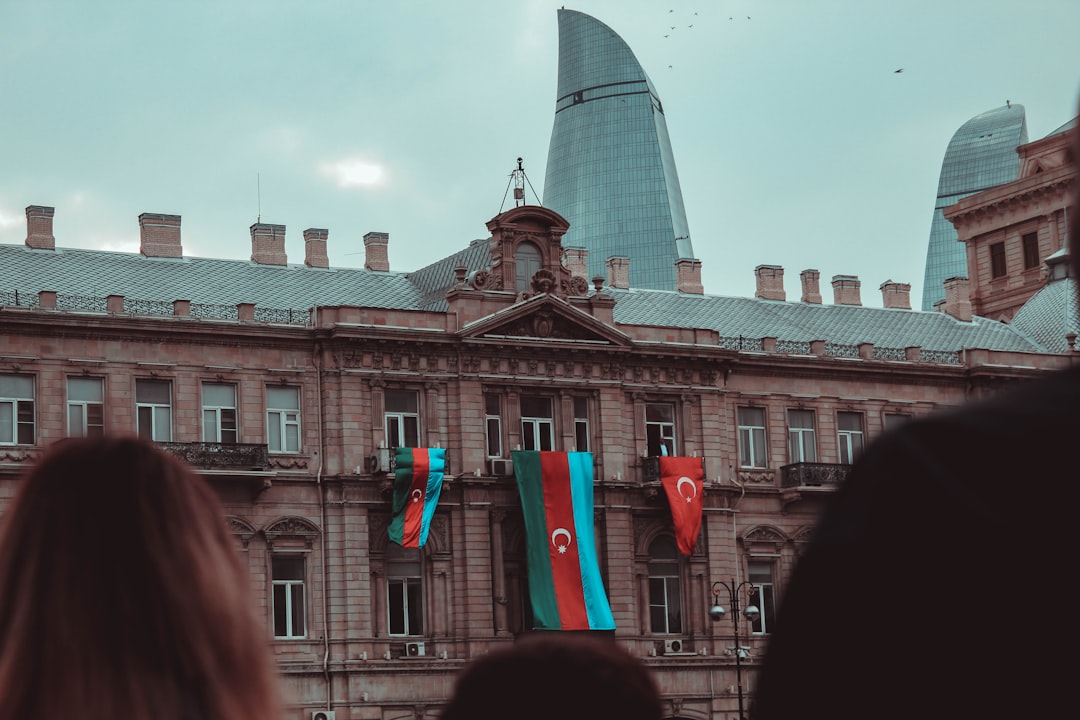
The Azerbaijani Football Federation has focused on youth development and coaching education, importing expertise to elevate the standard of play. This approach has yielded a team that is technically proficient and physically robust, capable of challenging more established nations. For the match against San Marino, Azerbaijan will likely dominate possession and create numerous scoring opportunities. The expectation is a comfortable victory, but the Baku-based fans and media also demand consistency and professionalism. Any slip-up against a minnow like San Marino would be viewed as a failure in their broader project, adding pressure to perform with precision and authority.
Balkan Context and Regional Implications
The disparity between San Marino and Azerbaijan resonates with Balkan nations that have navigated similar transitions in their footballing histories. Countries like Montenegro and Kosovo have emerged from smaller populations or recent independence to achieve competitive status through strategic planning and investment. The Balkan region has a rich tradition of producing talented players who succeed in top European leagues, and the contrast with San Marino highlights the importance of professional structures. For Balkan fans, the match serves as a reminder of how far football has evolved and the necessity of adapting to modern demands.
Moreover, the UEFA Nations League format has increased the stakes for every match, reducing the number of "dead rubber" games where teams have nothing to play for. This structure ensures that even matches between teams with vastly different resources carry weight in terms of league placement and potential promotion or relegation. For Azerbaijan, maintaining their position is key to avoiding relegation to League D, while for San Marino, every point is a step toward breaking their historical drought. The broader implications extend to how smaller nations can compete in a globalized sport, offering lessons for Balkan federations looking to optimize their own development pathways.
What to Watch For Next
As the match approaches, attention will focus on whether San Marino can secure a draw or limit the damage, a feat they have occasionally achieved against stronger opponents. For Azerbaijan, the priority is a comprehensive victory to secure their standing in the Nations League. The tactical battle will likely revolve around Azerbaijan's ability to break down a deep, defensive block and San Marino's capacity to survive set-pieces and counter-attacks. Fans in the Balkans and beyond should watch this fixture as a microcosm of European football's current landscape, where investment and professionalism are increasingly decisive factors.
The outcome will not drastically alter the global football hierarchy, but it will reinforce the narratives surrounding both nations. San Marino's continued resilience may inspire future generations, while Azerbaijan's success will validate their long-term strategy. For readers interested in the evolving dynamics of international football, this match offers a clear view of the challenges and opportunities facing nations at different stages of development. The next few years will be critical for both teams, with San Marino striving for a historic breakthrough and Azerbaijan aiming for sustained progress in European competitions.


Comments