


The name Michael Jordan continues to dominate global sports conversations, not because he is currently playing, but because his influence permeates every aspect of the modern game. While the NBA Finals viewership trends in 2026 highlight a league that is more international and diverse than ever, the cultural benchmark remains the six-time champion who played for the Chicago Bulls. For audiences across the Balkans, from Belgrade to Athens, Jordan represents the golden era of individual brilliance and global marketing. His recent public appearances, business ventures, and the continued re-releases of his documentary series keep his legacy in the spotlight, proving that his impact extends far beyond the 1990s.
In the Balkans, basketball is more than a sport; it is a cultural pillar. The region produced some of the greatest players in history, many of whom directly competed against or idolized Jordan. Understanding why Michael Jordan remains a trending topic requires looking at the intersection of nostalgia, modern analytics, and the commercial power of the Jordan Brand. As new generations of fans discover his career through digital media, the comparison between his era and today’s NBA continues to spark intense debate across social media platforms and sports forums in the region.

The Legacy of the Air Jordan Era
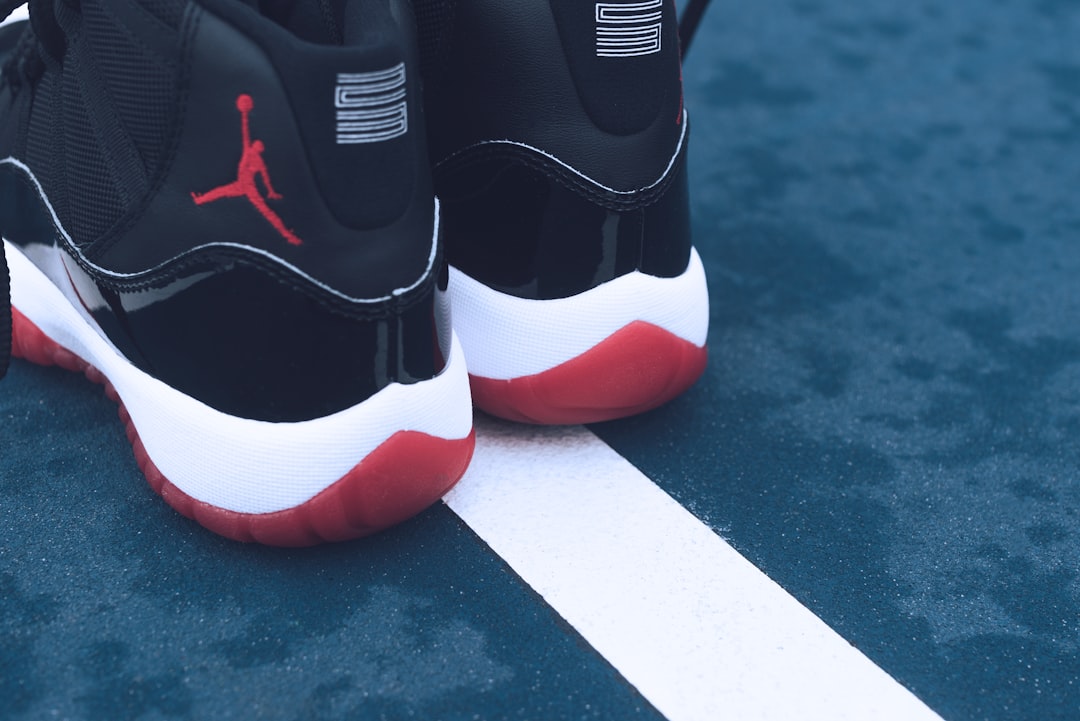
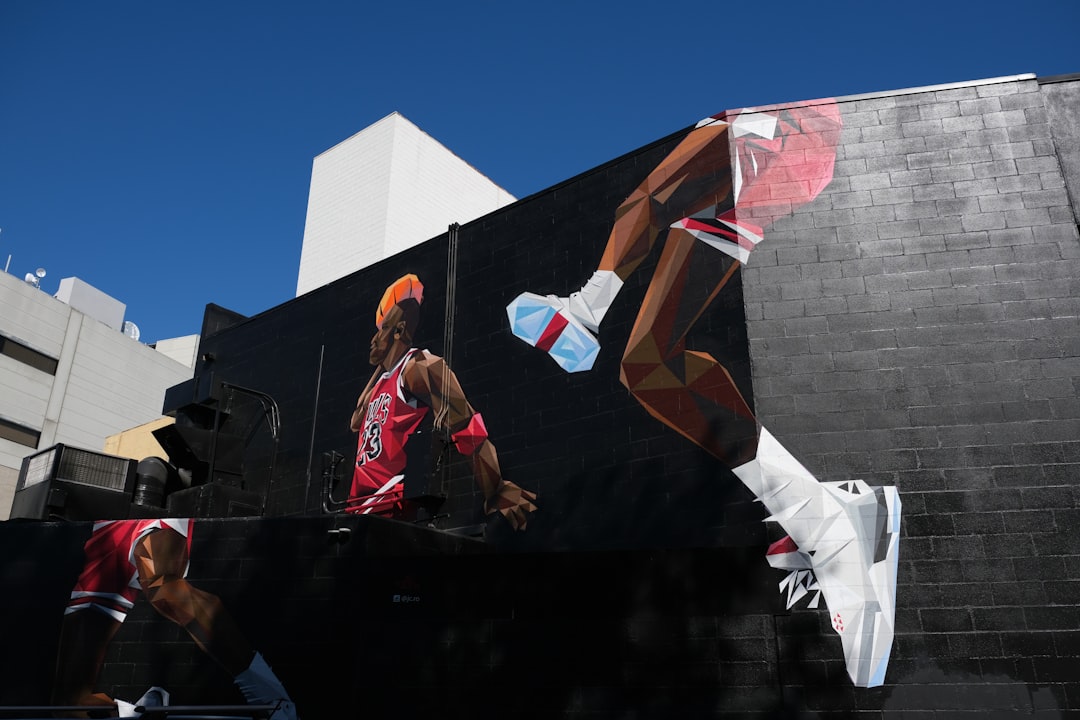
Michael Jordan, born in 1963, redefined professional basketball with his scoring ability, defensive intensity, and competitive drive. He won six NBA championships with the Chicago Bulls in the 1990s, earning five regular-season MVP awards and six Finals MVP awards. His partnership with Nike created the Jordan Brand, a subsidiary that has become one of the most valuable athletic wear labels in history. This commercial success transformed him into a global icon, influencing fashion, music, and youth culture worldwide. In the Balkans, where street basketball culture is vibrant, the silhouette logo is ubiquitous on sneakers worn by children and adults alike.
The documentary series The Last Dance, released in 2020, introduced Jordan’s career to a new generation of fans who did not grow up watching his games. The series highlighted the Bulls’ 1997-98 championship run, offering an unvarnished look at Jordan’s leadership style and the team dynamics of that era. This resurgence of interest has led to increased streaming numbers for classic NBA games and a renewed discussion about his place in the all-time greats conversation. For Balkan fans, who have a deep appreciation for basketball history, Jordan’s dominance serves as a historical touchstone for evaluating modern superstars like Nikola Jokić and Luka Dončić.
Beyond the court, Jordan’s ownership of the Charlotte Hornets and his investments in technology and hospitality companies demonstrate his continued relevance in the business world. His ability to adapt to changing markets mirrors the evolution of the NBA itself. As the league expands its global footprint, Jordan’s brand remains a constant, bridging the gap between the sport’s past and its future. This enduring appeal ensures that any major NBA moment, from the draft to the Finals, inevitably invites comparisons to his career.
Impact on Balkan Basketball Culture
The influence of Michael Jordan on Balkan basketball is profound and multifaceted. During the 1990s, as political instability affected the region, basketball remained a unifying force. Players like Dino Radja, Toni Kukoč, and Vlade Divac competed in the NBA during Jordan’s prime. Kukoč, in particular, joined the Bulls and won two championships alongside Jordan, providing a direct link between the American icon and the Balkan diaspora. These players brought Jordan’s work ethic and competitive spirit back to their home countries, inspiring a generation of young athletes in Serbia, Croatia, and Slovenia.
In Greece, the rivalry between Panathinaikos and Olympiacos has long been the focal point of domestic basketball, but the NBA’s global reach has shifted some attention toward American stars. However, Jordan’s legacy remains respected. Greek fans appreciate the individual brilliance he displayed, which resonates with the region’s appreciation for technical skill and tactical intelligence. The success of Greek players in the NBA, such as Giannis Antetokounmpo’s family and others, is often measured against the standards set by Jordan and his contemporaries.
The Balkans have produced some of the most technically skilled players in history, from Dražen Petrović to Nikola Jokić. Jordan’s era emphasized athleticism and scoring, while modern Balkan players often prioritize playmaking and versatility. Yet, the competitive fire Jordan embodied is still celebrated. Young players in Serbia and Croatia study his footwork and shooting form, recognizing that his fundamentals remain relevant despite the evolution of the game. This blend of admiration and technical analysis ensures that Jordan’s influence persists in the training grounds of the Balkans.
Modern Relevance and Future Trends
As the NBA continues to grow in Europe, the comparison between Michael Jordan and current stars like LeBron James and Stephen Curry remains a popular topic. Recent viewership data for the NBA Finals indicates a strong interest in the league’s global audience, with significant growth in markets like Serbia, Greece, and Turkey. Fans in these regions are drawn to the high level of competition and the presence of Balkan players in the league. Jordan’s name often surfaces in these discussions as the benchmark for greatness, highlighting the enduring nature of his legacy.
The commercial success of the Jordan Brand also plays a role in his continued relevance. New sneaker releases and collaborative projects generate significant media coverage, keeping Jordan in the public eye. In the Balkans, where fashion and sports culture intersect, these releases are highly anticipated events. The brand’s ability to maintain its cool factor across decades is a testament to Jordan’s initial cultural impact. This commercial visibility reinforces his status as a global icon, ensuring that his name remains associated with excellence in sports and style.
Looking ahead, the NBA’s expansion into international markets will likely increase the visibility of Balkan players, but Jordan’s shadow will remain long. His career serves as a historical reference point for evaluating the achievements of modern athletes. As new generations of fans emerge, the stories of his six championships and iconic moments will continue to be told. For Balkan audiences, Jordan represents not just a player, but a symbol of the sport’s global reach and the enduring power of individual greatness. His legacy is secure, ensuring that his name will continue to trend for years to come.


Comments