



Reports of a Russian military vessel firing artillery near the city of Makhachkala in the Republic of Dagestan have sparked widespread alarm and confusion along the Caspian coast. Eyewitnesses and passengers on nearby civilian ferries described a "terrifying" night as shells landed in the water, contradicting initial statements from Moscow authorities who claimed the activity was merely a routine training exercise. The incident highlights the growing instability in Russia’s Southern Military District and raises serious concerns about public safety in a region already sensitive to political unrest.
The discrepancy between the official narrative and the lived experience of locals has fueled public skepticism. Social media posts from passengers on ferries traveling between Dagestan and neighboring regions showed videos of explosions and intense naval gunfire, creating a stark contrast with the calm assurances provided by regional officials. This event underscores the difficulty of verifying information in conflict-adjacent zones and reflects broader tensions within the Russian military apparatus.
Conflicting Narratives and Eyewitness Accounts
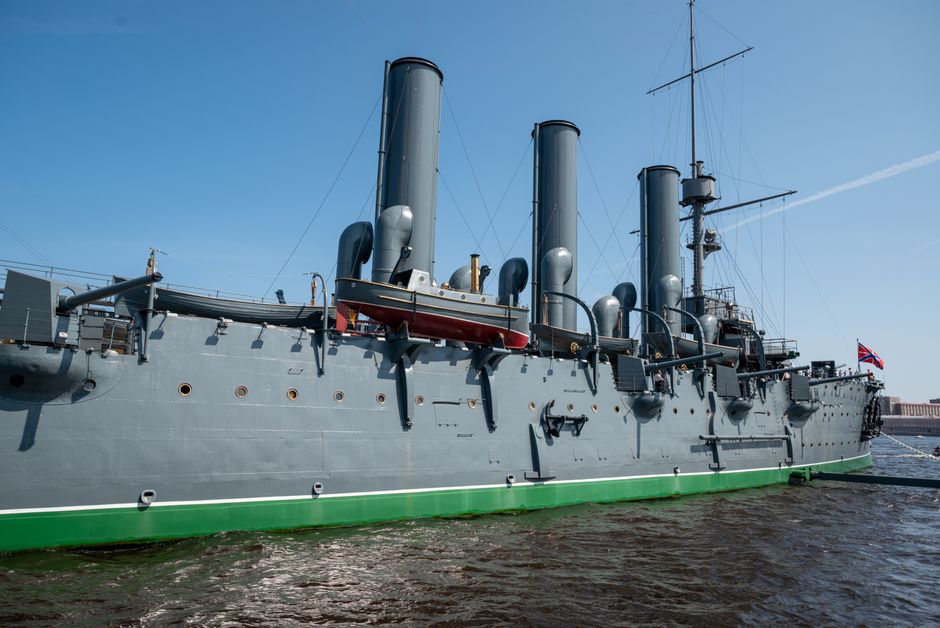
On the night of the incident, multiple sources reported that a Russian warship engaged in live-fire exercises close to the populated coastline of Makhachkala. Passengers on civilian vessels described hearing loud explosions and seeing flashes of light, with some reporting that shells landed dangerously close to their boats. The atmosphere on the ferries turned chaotic, with many fearing an imminent attack or accident. These firsthand accounts were quickly shared on social media platforms, gaining significant traction before official responses were issued.
Regional authorities in Dagestan initially downplayed the severity of the situation, stating that the naval activity was part of a planned training schedule and posed no threat to civilians. However, the intensity of the firing and its proximity to urban areas led many to question the accuracy of these claims. Critics argue that the military failed to adequately warn residents or restrict access to the coastal zone, exposing civilians to unnecessary risk. The lack of transparency has only deepened public distrust in local and federal institutions.
The incident also sparked debates about the role of the Russian Navy in domestic security operations. Some analysts suggest that the firing may have been related to counter-terrorism drills, given the history of insurgency in the North Caucasus. Others point to broader military preparations in the region, citing increased troop movements and equipment deployments in recent months. Regardless of the official explanation, the event has left a lasting impression on the local population, who remain wary of future military activities near their homes.
Geopolitical Implications for the Caspian Region
The Caspian Sea region has long been a strategic focal point for Russia, with significant oil and gas reserves and critical military installations. The incident near Makhachkala occurs against a backdrop of heightened tensions in the broader South Caucasus and Central Asia. Neighboring countries, including Azerbaijan and Kazakhstan, have been closely monitoring Russian military movements in the area, concerned about potential spillover effects or shifts in regional power dynamics.
For Balkan audiences, the situation in Dagestan offers a parallel to the complex security challenges faced in the Western Balkans. Just as the Balkans grapple with the legacy of past conflicts and the influence of external powers, the North Caucasus remains a volatile region where military presence and political instability intersect. The incident serves as a reminder of how military actions in one part of the post-Soviet space can have ripple effects across Europe and beyond.
International observers have noted the potential for such incidents to exacerbate existing tensions between Russia and its neighbors. The Caspian littoral states are increasingly asserting their sovereignty and seeking to diversify their security partnerships, reducing reliance on Moscow. The warship firing incident may further accelerate these trends, as countries in the region seek to protect their interests and ensure stability in the face of Russian military assertiveness.
Public Reaction and Future Outlook
In the wake of the incident, public reaction in Dagestan has been mixed. While some residents expressed relief that no major casualties were reported, others voiced frustration over the lack of communication and preparedness. Local communities are calling for greater transparency from military authorities and stricter regulations on live-fire exercises near populated areas. Civil society groups are also demanding independent investigations to determine the exact cause of the firing and assess whether any protocols were violated.
The incident is likely to have lasting implications for public trust in the Russian military and government. As citizens become more skeptical of official narratives, the potential for civil unrest or protest movements grows. This dynamic is particularly relevant in regions like Dagestan, where historical grievances and economic disparities already fuel discontent. The government’s response to this crisis will be closely watched as an indicator of its ability to manage internal security and maintain social cohesion.
Looking ahead, the focus will be on whether similar incidents recur and how authorities choose to address public concerns. The international community, including Balkan nations with their own experiences of military-civilian tensions, will be observing the situation closely. The outcome could influence broader discussions on military transparency, civilian safety, and regional stability in the post-Soviet space. For now, the people of Makhachkala remain on edge, waiting for clarity and accountability from those in power.



Comments