


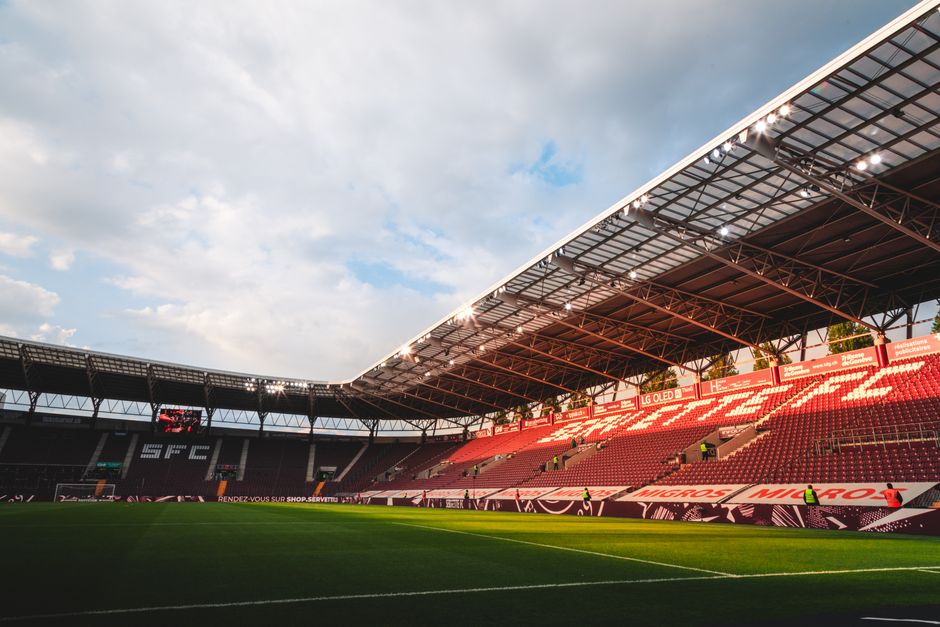
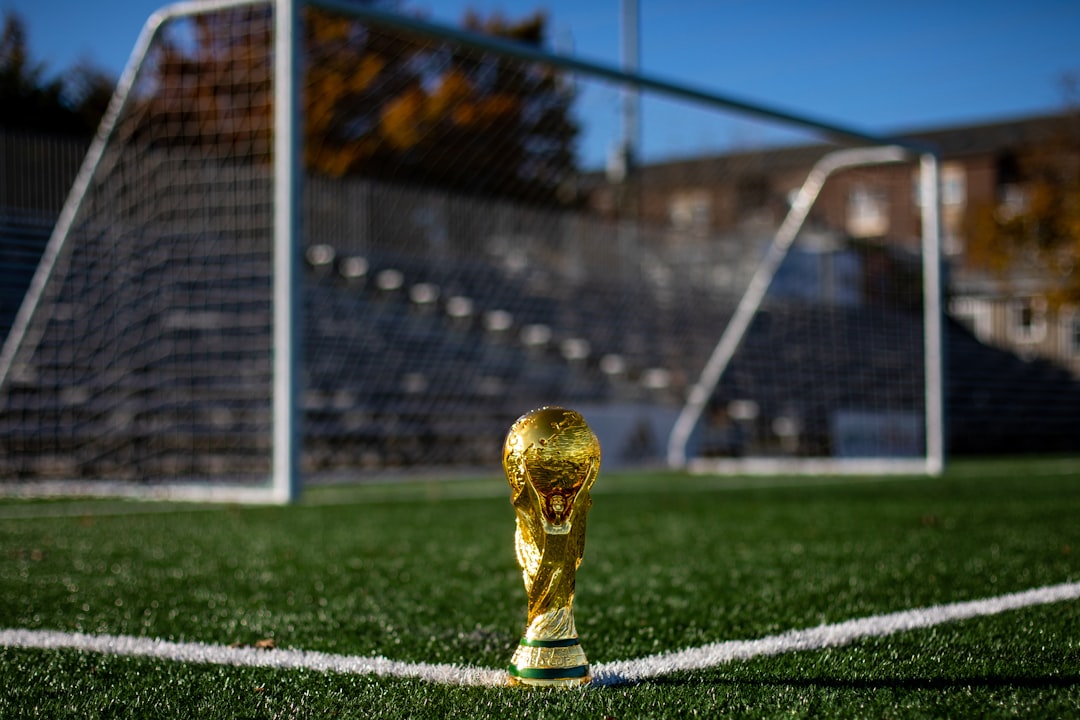
The conversation surrounding the 2026 FIFA World Cup has taken a dramatic turn following a surprising admission from Cristiano Ronaldo. The Portuguese star, widely regarded as one of the greatest players in history, recently stated that Lionel Messi is the best player of all time. This declaration carries significant weight as the football world shifts its focus from individual accolades to the upcoming tournament hosted by the United States, Canada, and Mexico. For Balkan audiences, particularly those in Serbia, Croatia, and Bosnia, the narrative is not just about the two icons but also about how this generational shift impacts the hopes of regional teams vying for qualification.
Ronaldo's comments, made during a recent interview, highlight a changing dynamic in the sport. As the 2026 World Cup approaches, the era of the superstars is winding down, creating space for a new generation of talent. The tournament itself will be the largest in history, expanding to 48 teams, which increases the stakes for European nations. The Balkan region, known for producing technically gifted players and resilient teams, is watching closely to see how their national squads will navigate this expanded format and the intense competition from traditional powerhouses.
The Messi-Ronaldo Narrative and Global Football
For nearly two decades, the debate over who is the greatest player of all time has dominated football discourse. Cristiano Ronaldo and Lionel Messi have defined an era, with their rivalry driving viewership and commercial growth for the sport. Ronaldo's recent acknowledgment of Messi's superiority marks a symbolic passing of the torch. Messi's victory at the 2022 World Cup in Qatar solidified his legacy, but the conversation now turns to what comes next. The 2026 World Cup will likely be the final major tournament where these legends might still play, depending on their fitness and national team selections.
This shift has implications for fan engagement and marketing. The 2026 FIFA World Cup is expected to draw record audiences, partly due to the novelty of the expanded format and the potential final appearances of these icons. However, it also places pressure on emerging talents to step up. In the Balkans, where football is a cultural cornerstone, fans are eager to see players like Luka Modrić or Nemanja Matić in their final campaigns, or for younger stars like Marko Grujić or Josip Juranović to take center stage.
The emotional resonance of this transition is palpable. For many older fans, the Messi-Ronaldo era represents the golden age of football. For younger fans, it is an opportunity to witness the birth of new stars. The 2026 World Cup will serve as a bridge between these two eras, with the expanded format allowing more teams to compete, potentially giving Balkan nations a better chance to reach the knockout stages.
Balkan Teams and the Expanded Format
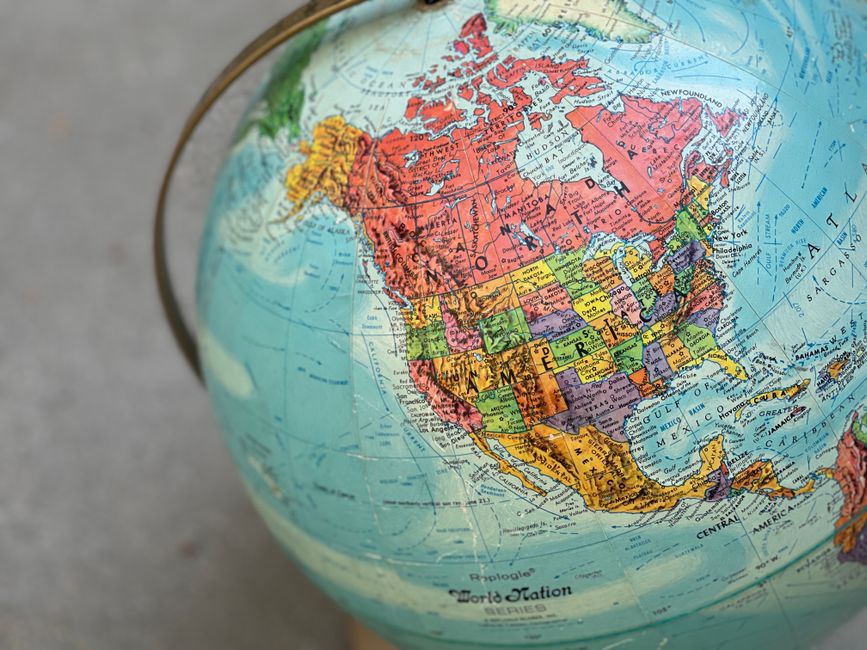
The expansion of the World Cup to 48 teams is a game-changer for Balkan nations. Serbia, Croatia, Bosnia and Herzegovina, and North Macedonia have historically struggled to break through the group stages in recent tournaments. The additional spots mean that more European teams will qualify, increasing the likelihood of Balkan representation in the final tournament. For Serbia, which missed the 2022 World Cup, the 2026 qualifiers offer a fresh opportunity to redeem themselves on the global stage.
Croatia, as runners-up in the 2018 World Cup, remains a strong contender. However, the aging core of their team raises questions about their sustainability. The 2026 World Cup will test their ability to transition to a younger squad. Similarly, Bosnia and Herzegovina, with a pool of talented players playing in top European leagues, aims to leverage the expanded format to secure a spot. The competition in European qualifiers will be fierce, with teams like Slovenia and Montenegro also vying for attention.
The tactical landscape will also evolve. With more teams, the margin for error decreases. Balkan coaches will need to adapt to a more congested schedule and a broader range of opponents. The physical demands of the tournament, combined with the need for tactical flexibility, will be key factors. Fans in the region are optimistic, but they also recognize the challenges ahead. The 2026 World Cup is not just about nostalgia; it is about proving that Balkan football remains competitive.
What to Watch Next
As the 2026 World Cup approaches, several key developments will shape the narrative. The qualification process will be intense, with Balkan teams facing tough opponents in their groups. Fans should watch for the emergence of young talents who can fill the void left by retiring stars. The performance of Balkan clubs in European competitions will also be a barometer for national team success. Additionally, the final decisions on squad selections for teams like Portugal and Argentina will provide clues about the future of the sport.
The expanded format will also bring new dynamics to the tournament. With more games, the pressure on referees and officials will increase. The use of technology, such as VAR, will be scrutinized more closely. For Balkan audiences, the opportunity to see more of their national teams on the global stage is a significant draw. The 2026 World Cup promises to be a festival of football, with the legacy of Messi and Ronaldo serving as a backdrop to a new chapter in the sport's history.
In conclusion, Ronaldo's praise for Messi is more than just a compliment; it is a signal that the football world is evolving. The 2026 World Cup will be a test of resilience, talent, and strategy for Balkan nations. As the qualifiers begin, fans will be eager to see how their teams respond to the challenges and opportunities presented by this historic tournament. The stage is set for a new era, and the Balkans are ready to compete.
Comments