



Residents across Romania woke to a sudden tremor early Thursday morning, as a moderate earthquake struck the country's southern regions. The seismic event, recorded at 07:38 local time, triggered immediate alerts on smartphones and emergency sirens in several major cities, including Bucharest and Pitești. While initial reports indicate no significant casualties or major structural damage, the incident has reignited urgent discussions about infrastructure resilience and emergency preparedness in a nation historically vulnerable to seismic activity. For Balkan audiences, the event serves as a stark reminder of the geological realities facing the region, particularly in the Vrancea zone, which has produced some of Europe's most powerful earthquakes in recent decades.
Seismic Event Details and Immediate Response
The earthquake, registered by the National Institute for Earth Physics (INFP), had a preliminary magnitude estimated between 4.5 and 5.5, depending on the measuring scale. The epicenter was located in the Vrancea seismogenic zone, a deep-focus area known for its high seismic potential. The tremors were felt strongly in the capital, Bucharest, and surrounding counties such as Dâmbovița, Prahova, and Argeș. Many residents rushed to the streets in the early morning hours, following the automated earthquake warning system that had activated seconds before the shaking began.
Emergency services, including the General Inspectorate for Emergency Situations (IGSU), were quickly deployed to assess potential damages. Preliminary inspections have revealed minor cracks in older buildings and some fallen debris, but no collapsed structures. Schools and public institutions were temporarily closed as a precautionary measure, allowing safety teams to conduct thorough checks. The rapid response was aided by Romania’s early warning system, which has been widely praised for its ability to provide seconds of notice, a critical window that can save lives by allowing people to drop, cover, and hold on.
The Vrancea Zone: A Historical Context of Seismic Risk
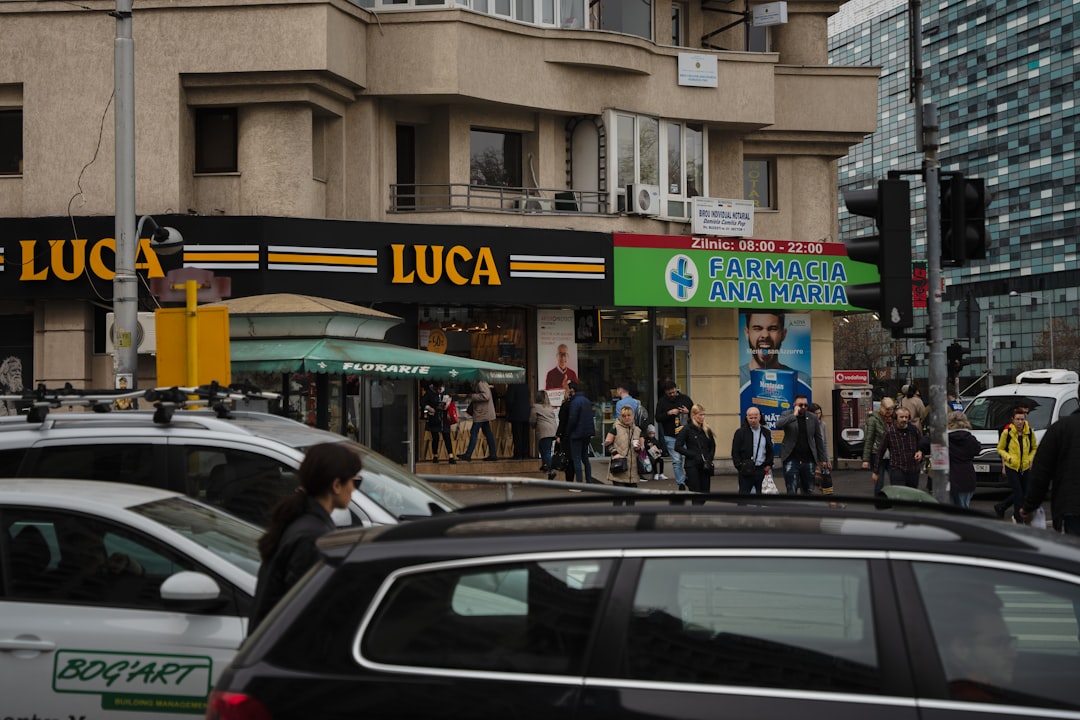
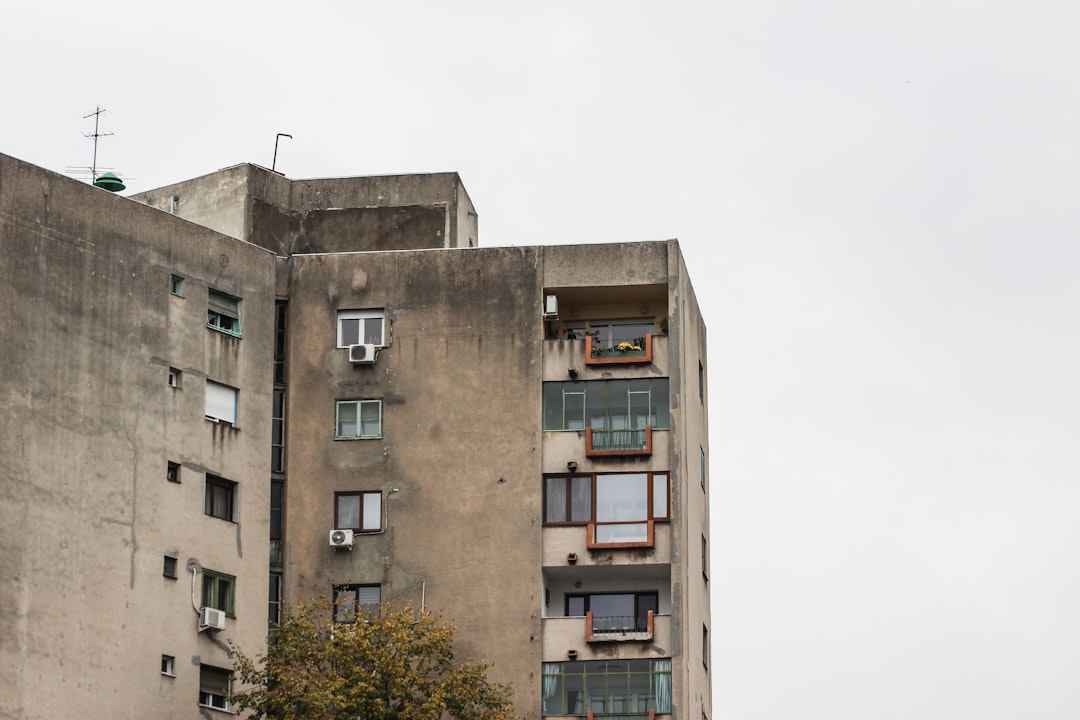
Romania sits atop one of the most seismically active areas in Europe, primarily due to the Vrancea seismogenic zone. Located in the Carpathian arc, this zone is unique because it generates deep-focus earthquakes, which can be felt over vast areas. The region has a sobering history; the devastating 1977 earthquake, which killed over 1,500 people and caused billions in damage, remains a collective trauma for many Romanians. That event led to significant changes in building codes and urban planning, yet the legacy of those changes is still being tested today. Older buildings, particularly those constructed before the 1977 reforms or during the communist era with substandard materials, remain a concern for urban planners and safety experts.
The geological activity in the Vrancea zone is not isolated to Romania. Seismic waves from major events in this region are often felt across the Balkans, including in Bulgaria, Serbia, and North Macedonia. This interconnected vulnerability highlights the need for regional cooperation in seismic monitoring and disaster response. Scientists from the Helmholtz Centre Potsdam and other European institutions regularly study the Vrancea zone to better understand its mechanisms and predict future risks. The recent tremor, while moderate, serves as a valuable data point for these ongoing research efforts, helping refine models that could improve early warning systems across the continent.

Infrastructure Challenges and Regional Implications
The recent earthquake has brought renewed attention to the state of Romania’s infrastructure. While modern buildings have generally withstood the tremors, older structures in dense urban areas like Bucharest have shown signs of stress. This has sparked public debate about the enforcement of building codes and the need for accelerated retrofitting programs. The government has announced plans to review existing safety standards and increase funding for the reinforcement of critical infrastructure, including hospitals, schools, and public buildings. However, experts argue that more consistent enforcement and transparency in construction practices are essential to truly mitigate future risks.
For the wider Balkan region, Romania’s experience offers critical lessons. Countries like Bulgaria and Serbia share similar geological vulnerabilities and historical challenges with aging infrastructure. The event underscores the importance of cross-border collaboration in disaster management, including the sharing of real-time seismic data and coordinated emergency response protocols. As climate change and urbanization continue to stress infrastructure systems, the need for resilient, well-maintained buildings becomes even more pressing. The recent tremor in Romania is a timely reminder that preparedness is not just a national issue but a regional imperative, requiring sustained investment and political will to ensure the safety of millions of citizens across the Balkans.
As the immediate aftermath of the earthquake settles, attention now turns to the long-term implications for urban safety and regional cooperation. Residents are advised to follow official guidelines from the General Inspectorate for Emergency Situations and to review their own home safety measures. The coming weeks will likely see increased political and public scrutiny on infrastructure projects and safety regulations. For Balkan audiences, this event is a prompt to evaluate local preparedness and engage with community safety initiatives. The resilience of a society is often tested not just during the disaster, but in the proactive steps taken before the next tremor strikes. Staying informed and supporting evidence-based safety policies remains the most effective way to protect communities in this seismically active region.



Comments