



The name Mihai Fifor, Romania's Secretary of State at the Ministry of National Defense, is currently dominating regional security discussions following the announcement of a massive expansion in the nation's drone warfare capabilities. Romania is set to acquire a significant fleet of combat drones, a move that analysts estimate could cost up to 426 million euros annually when factoring in operational expenses, maintenance, and training. This strategic pivot marks a decisive shift in Romania's military doctrine, moving from traditional air force reliance to a diversified, unmanned aerial warfare model. For the Balkan region, this development is particularly significant as it signals a modernization wave that neighboring countries like Bulgaria, Serbia, and Turkey are closely monitoring.
The decision to heavily invest in drone technology comes amid heightened tensions in Eastern Europe, driven by the ongoing conflict in Ukraine. Romania, sharing a border with Ukraine, has become a critical logistical hub for NATO allies. The integration of advanced unmanned systems is not merely an upgrade but a necessity for monitoring the extensive Danube border and ensuring air sovereignty without risking pilot lives. Mihai Fifor has emphasized that these acquisitions are part of a broader strategy to align Romania's defense posture with NATO's emerging requirements for unmanned systems integration. This move places Bucharest at the forefront of military innovation in Southeast Europe, challenging traditional power dynamics in the Balkans.

The Strategic Rationale Behind the Drone Acquisition
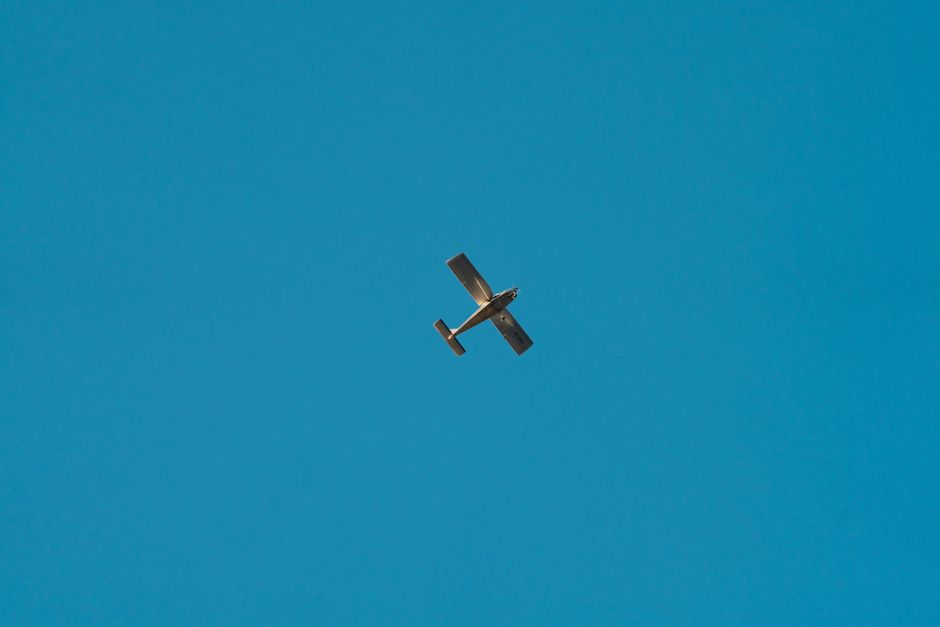
The core of Romania's new defense strategy rests on the versatility of unmanned aerial vehicles (UAVs). Unlike traditional fighter jets, drones can loiter for extended periods, providing real-time intelligence, surveillance, and reconnaissance (ISR) capabilities. They can also serve as loitering munitions, or "kamikaze drones," capable of striking high-value targets with precision. The projected annual cost of 426 million euros reflects not just the purchase price of the hardware but the complex ecosystem required to support it. This includes secure communication networks, data processing centers, and specialized training for operators. Mihai Fifor has stated that this investment is designed to create a multi-layered air defense system that is both cost-effective and resilient against electronic warfare.
The choice to focus on drones is also driven by lessons learned from recent conflicts. In Ukraine, UAVs have proven decisive in both tactical and strategic operations, from targeting artillery positions to disrupting supply lines. Romania recognizes that future conflicts in the Balkans or the Black Sea region will likely feature a heavy emphasis on unmanned systems. By investing now, Romania aims to build a domestic and allied industrial base for drone maintenance and production. This includes potential partnerships with Turkish companies like Baykar or Israeli firms such as IAI, both of which have strong reputations in the UAV sector. The goal is to reduce dependence on Western European suppliers who may have longer delivery times or stricter usage restrictions.
Impact on Regional Security and Balkan Dynamics
The ripple effects of Romania's drone surge are already being felt across the Balkans. Bulgaria, Romania's key NATO partner in the region, is likely to coordinate closely with Bucharest on joint air defense initiatives. The two countries have long shared security concerns regarding Russian naval activity in the Black Sea. A Romanian fleet of advanced drones could provide early warning and target acquisition support for Bulgarian and NATO forces, enhancing the collective defense of the Black Sea flank. This cooperation could lead to joint exercises and shared intelligence platforms, further integrating the two nations' militaries. For smaller Balkan states like Montenegro or North Macedonia, Romania's move serves as a benchmark for modernization, potentially influencing their own defense procurement strategies.
However, the expansion also raises questions about regional stability. Serbia, which maintains close ties with Russia and China, may view Romania's increased military capability with concern. The deployment of sophisticated drones near the Serbian border could be perceived as a provocation, especially given the unresolved tensions in Kosovo. Ankara, too, is watching closely. Turkey is a major exporter of drones to the Balkans, having sold systems to countries like Bosnia and Herzegovina and Serbia. Romania's decision to potentially partner with Turkish firms could strengthen bilateral ties, but it also complicates the geopolitical landscape. The interplay between NATO's collective defense and individual national strategies will be a key focus in the coming months.
Future Outlook: What to Watch Next
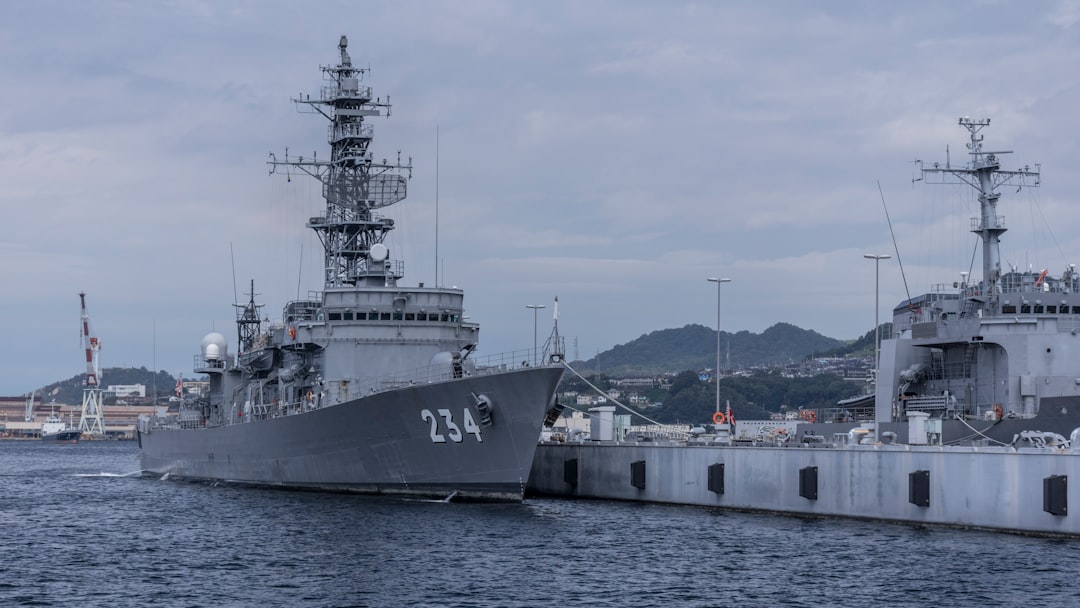
The next critical phase will be the actual procurement process and the selection of specific drone models. Romania is expected to issue tenders in the coming months, with contracts potentially awarded by mid-2025. The choice of supplier will send strong political signals. Opting for Turkish drones would reinforce ties with Ankara, while choosing European systems would align with Brussels' push for strategic autonomy. Observers will also watch how Romania integrates these drones with its existing F-16 and F-35 fighter fleets. The ability to network unmanned systems with manned aircraft is a key technological challenge that will define the effectiveness of Romania's new air force.
For the Balkan audience, the significance of this development lies in the changing nature of security. The era of large-scale ground invasions is giving way to hybrid warfare, where drones, cyber attacks, and electronic warfare play central roles. Romania's investment in drone technology is a clear acknowledgment of this shift. As Mihai Fifor continues to drive this modernization agenda, the region will see a new era of aerial surveillance and precision strike capabilities. This will not only enhance Romania's security but also reshape the balance of power in Southeast Europe, forcing all nations in the Balkans to adapt to a more complex and technologically driven security environment.



Comments