



The construction of the third road tunnel on Romania’s ambitious Transfăgăraș Autostrada has officially commenced, marking a significant milestone in one of Europe’s most complex infrastructure projects. This development, located in the rugged Carpathian Mountains, aims to connect the northern region of Transylvania with the southern plains of Oltenia and Muntenia. For Romania, this autostrada is not merely a transportation corridor but a vital economic artery intended to reduce travel times, boost logistics efficiency, and integrate isolated mountain communities into the national and European economy. The project has been a long-standing political and engineering challenge, with delays stretching over two decades.
The latest phase focuses on the Vișeu de Sus section, where the third tunnel will serve as a critical link in the north-south axis. This tunnel is part of the broader A3 Autostrada project, which is designed to run from the Hungarian border near Brașov through the Carpathians to Bucharest. The completion of this specific tunnel will significantly reduce the remaining unbuilt sections of the route. For a Balkan audience, Romania’s infrastructure progress is closely watched, as it mirrors similar efforts in neighboring countries like Serbia and Bulgaria to modernize transport networks across difficult terrain. The success or failure of such projects often dictates regional economic cohesion.
Engineering Challenges in the Carpathians
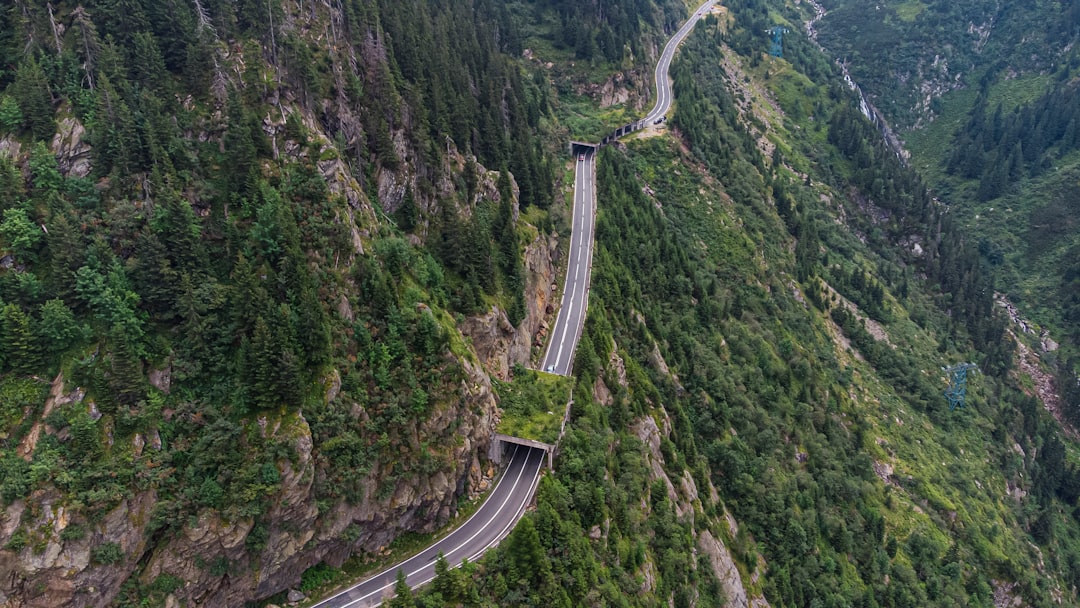
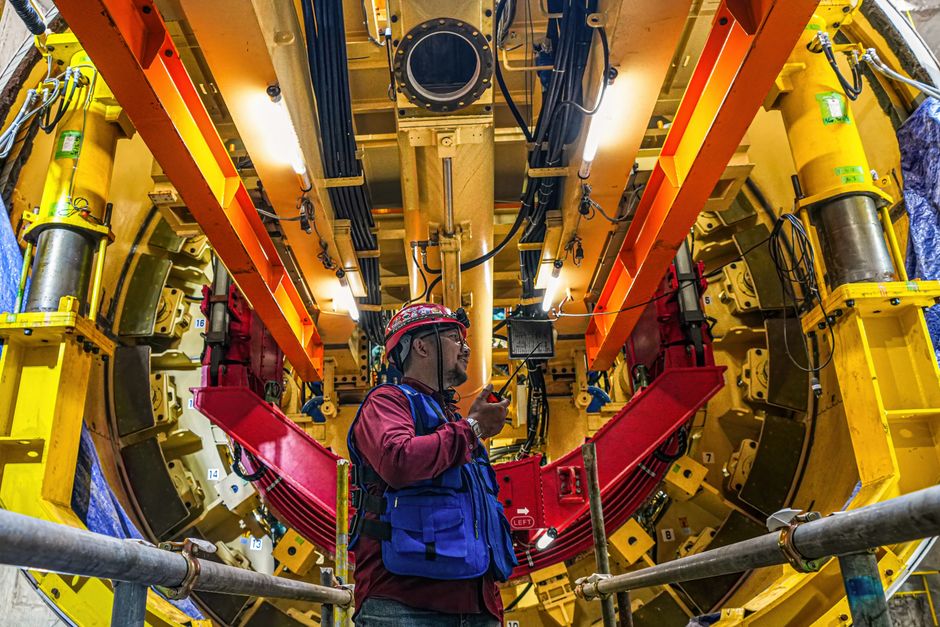
The Carpathian Mountains present some of the most severe geological challenges for road construction in Europe. The terrain is characterized by high altitudes, unstable rock formations, and harsh winter conditions. Building tunnels through such landscape requires advanced engineering techniques, including Tunnel Boring Machines (TBMs) and extensive geological surveys. The third tunnel’s construction involves navigating through limestone and granite layers, which can be unpredictable. Engineers must also consider environmental impact, ensuring that the project minimizes disruption to local ecosystems and water sources.
Previous phases of the autostrada project have faced numerous setbacks, including cost overruns, contractor disputes, and changes in government priorities. The current administration has emphasized accelerating the timeline to meet European Union funding requirements and improve connectivity. The use of modern construction methods is expected to speed up progress, but the inherent risks of mountain tunneling remain high. Delays in other Balkan infrastructure projects, such as those in Albania and North Macedonia, highlight the common difficulties faced by nations in the region when attempting to build through mountainous regions.
Economic Impact and Regional Connectivity
The completion of the Transfăgăraș Autostrada is expected to have a profound economic impact on Romania. By reducing travel time between key industrial hubs like Brașov and Bucharest, the autostrada will facilitate faster movement of goods and people. This is particularly important for the automotive industry, which has a significant presence in Brașov and Pitesti. Improved logistics can attract foreign investment and enhance competitiveness in the European market. For local communities, the autostrada promises better access to healthcare, education, and employment opportunities.
From a regional perspective, Romania’s infrastructure development is part of a larger Balkan integration effort. The Pan-European Corridor IV aims to link the Baltic to the Black Sea, passing through Poland, Slovakia, Hungary, and Romania. A fully functional autostrada network in Romania is essential for this corridor to function efficiently. Neighboring countries are also investing in similar projects, such as the Belgrade-Budapest highway and the Struma Motorway in Bulgaria. These interconnected networks will strengthen trade ties and foster economic cooperation across the Balkans.
Political and Public Sentiment
Infrastructure projects in Romania are often politically charged, with successive governments promising rapid completion while facing public skepticism due to past delays. The recent announcement of the third tunnel’s start has been welcomed by local authorities and business groups, but critics remain cautious. They argue that transparency in contract awards and adherence to safety standards must be prioritized over speed. Public opinion is divided, with some citizens eager for improved transportation and others concerned about the environmental and financial costs.
The government has emphasized that the project is funded through a mix of national budget allocations and EU structural funds. This financial model requires strict compliance with EU regulations, including environmental assessments and public procurement rules. Any violations could lead to funding cuts and further delays. The political stakes are high, as the success of the autostrada could boost the ruling party’s popularity ahead of upcoming elections. Conversely, failure could lead to significant backlash and loss of public trust.
What to Watch Next
As construction progresses, the key milestones to monitor include the completion of the third tunnel’s excavation and the installation of ventilation and safety systems. The timeline for these phases will indicate whether the project is on track to meet its revised deadlines. Investors and logistics companies will be watching closely for signs of accelerated progress, as even partial openings can provide immediate benefits. Environmental groups will also be monitoring the impact on local wildlife and water resources, ensuring that mitigation measures are effectively implemented.
For the Balkan region, Romania’s autostrada project serves as a test case for large-scale infrastructure development in challenging terrains. Its success could inspire similar initiatives in neighboring countries, while its failures could offer valuable lessons on risk management and political oversight. As the project advances, it will remain a focal point for discussions on regional integration, economic growth, and sustainable development. The coming months will be critical in determining whether this ambitious vision becomes a reality or remains another unfinished promise.

Comments