


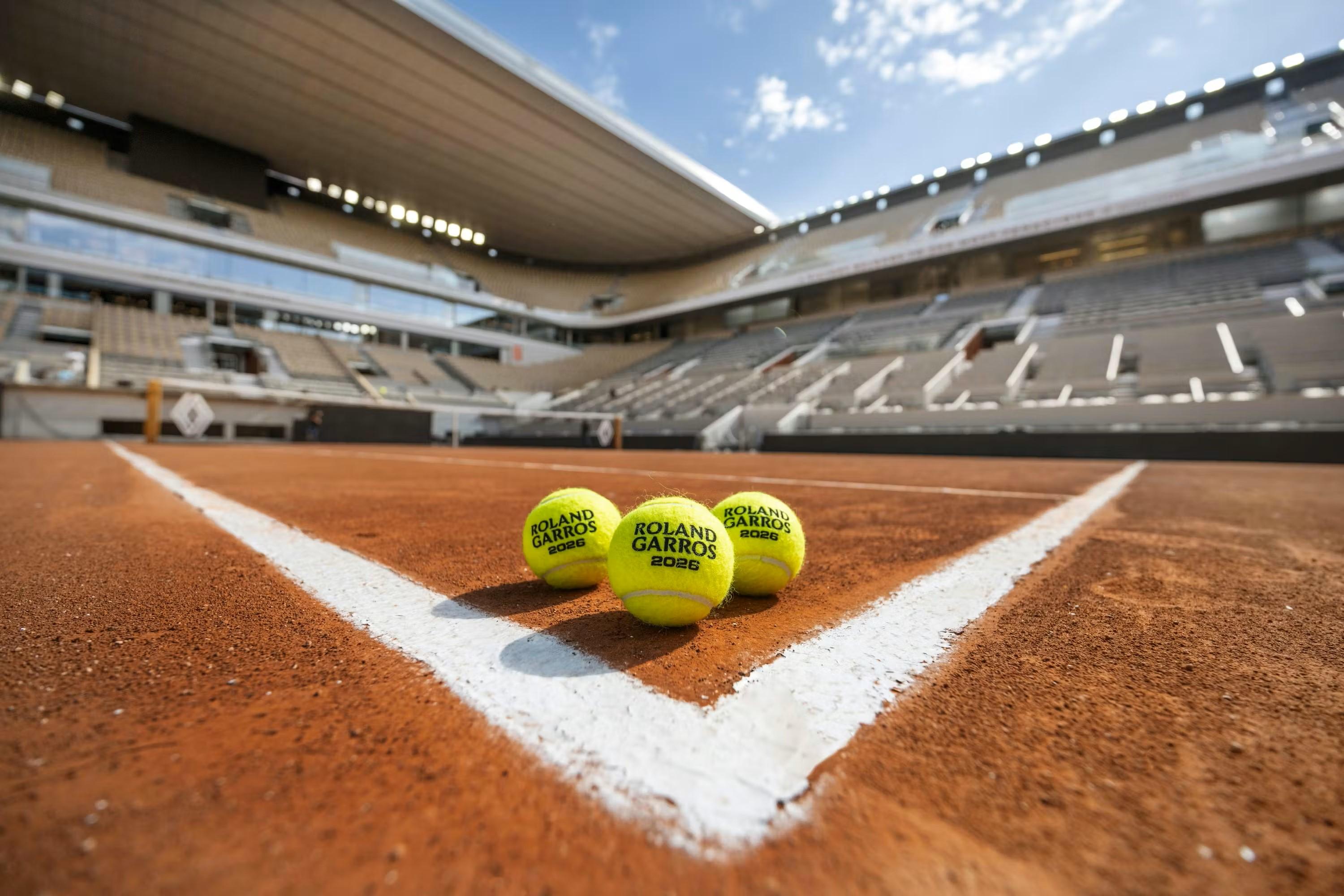
The Top Seven Crumble
The clay courts of Roland Garros did not just rewrite the history books this year; they set them on fire. For the first time since 1977, not a single former Grand Slam champion survived the quarterfinals. The top seven seeds? Eliminated. The Suzanne Lenglen trophy awaits a completely new face, and the atmosphere in Paris is electric with shockwaves. Four hungry, fearless young players stepped onto Court Philippe-Chatrier to decide who would claim the ultimate prize, and the drama was absolute.
Teenage Sensation Takes Flight
Mira Andreeva, the 19-year-old Russian prodigy, showed no mercy against Ukraine’s Marta Kostyuk. The scoreline? A decisive 6:1, 6:3. Kostyuk had arrived on a 16-match winning streak on clay, including a stunning victory over Iga Swiatek, and had become the first Ukrainian woman to reach a Grand Slam semifinal. But Andreeva, fresh off an effortless win over Sorana Cirstea, simply outclassed her opponent. This marks Andreeva’s second Grand Slam semifinal appearance and her first in Paris. She dominates the head-to-head record for 2026, having also beaten Kostyuk in the Madrid final last month.
The Qualifier’s Fairy Tale
If the first semifinal was a statement, the second was a miracle. Diana Schneider, who had staged a historic comeback to defeat world number one Aryna Sabalenka, faced Maya Chwalinska. Chwalinska, ranked 114th in the world, arrived in Paris merely hoping to pass qualifying. Instead, she won eight straight matches, including a victory over Anna Kalinskaya. Now, the Polish qualifier became only the second qualifier in Roland Garros history to reach the semifinals. In just her third main draw appearance at a major, Chwalinska defeated Schneider in straight sets. The final will feature a clash of contrasts: the teenage Russian star against the Polish qualifier who refused to let go of her dream.
чвалинска №114 и е на финал в Париж това е абсолютен идиотизъм или просто най-голямата приказка в тениса? сериозно, топ 7 поставени отпаднат и ние гледаме финал с квалификантка. не знам дали ще я удържат но поне е интересно...