



Former Brazilian football legend Roberto Carlos has reignited global conversation by publicly praising his national teammate Neymar Jr., stating that the Paris Saint-Germain star remains a vital asset to any squad, even when not on the pitch. The comments, made during a recent media appearance, highlight the enduring respect between two of Brazil’s greatest exports and underscore Neymar’s continued influence in modern football. For Balkan audiences, who follow European club football and international tournaments closely, this endorsement carries weight as it reflects the shifting dynamics of star power, leadership, and team chemistry in the post-pandemic era of the sport.
Roberto Carlos, widely regarded as one of the finest left-backs in history, played for top clubs including Real Madrid, Bordeaux, and Fenerbahçe in Turkey. His career spanned two decades, during which he won numerous trophies, including five UEFA Champions League titles and a FIFA World Cup with Brazil in 2002. Today, he serves as a commentator and ambassador for the game, often offering insights into player development, team tactics, and the psychological aspects of elite football. His recent remarks about Neymar have sparked debate among fans and analysts across Europe and South America.

A Legacy of Influence: Neymar’s Role Beyond the Pitch
Neymar Jr., born in 1992, is one of the most recognizable names in global football. Known for his dribbling, creativity, and flair, he has played for Santos, Barcelona, Paris Saint-Germain, and currently Al Hilal in Saudi Arabia. Despite injury setbacks and controversies, Neymar has consistently demonstrated his ability to elevate team performance, both through direct play and leadership. Roberto Carlos’s comments emphasize that Neymar’s presence alone can shift momentum, motivate teammates, and provide tactical flexibility—even when substituted early or rested.
This perspective challenges the common narrative that focuses solely on minutes played or goals scored. In modern football, where squad depth and rotation are critical, a player’s off-pitch impact—such as mentoring younger talents, maintaining morale, and influencing game strategy from the bench—has become increasingly valued. Roberto Carlos’s endorsement aligns with this evolving understanding of player value, suggesting that Neymar’s contribution transcends traditional statistics. For clubs in the Balkans, where resources are often limited, recognizing such intangible assets can inform transfer strategies and team-building philosophies.
The Balkan Connection: Football Diplomacy and Regional Interest
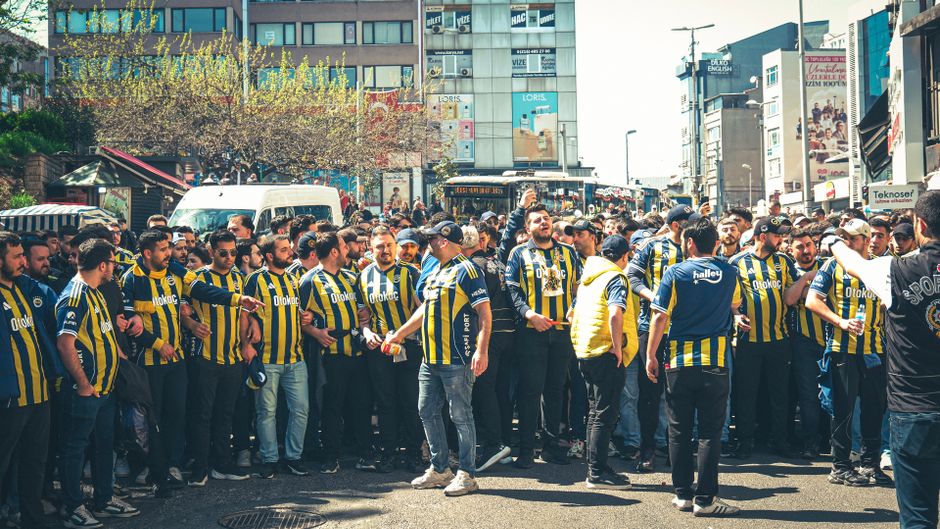
While Roberto Carlos and Neymar are not directly linked to the Balkans, their influence resonates in the region due to the high level of football engagement and the presence of Brazilian players in local leagues. Clubs in Serbia, Croatia, and Turkey frequently scout and sign South American talent, recognizing the technical quality and marketability these players bring. Roberto Carlos’s own stint at Fenerbahçe in Istanbul remains a celebrated chapter in Turkish football history, illustrating the long-standing cultural exchange between Europe and South America.
Balkan fans, particularly those following the UEFA European Championship and FIFA World Cup, track international stars closely, often drawing parallels between their own national teams and global powers. The discussion around Neymar’s value also mirrors debates within Balkan football about how to integrate high-profile players into cohesive units, manage injuries, and sustain competitive performance across multiple competitions. Roberto Carlos’s insights offer a broader lens through which regional coaches and managers can evaluate talent, emphasizing leadership and adaptability over raw physical metrics.
Looking Ahead: What This Means for the Future of Football
Roberto Carlos’s comments about Neymar are more than a nostalgic tribute; they reflect a changing paradigm in how football evaluates success. As the sport becomes more data-driven, the human element—leadership, experience, and psychological impact—remains irreplaceable. For Balkan clubs and national teams, this underscores the importance of cultivating environments where veteran players can mentor emerging talent, ensuring continuity and resilience. It also highlights the need for balanced media narratives that recognize contributions beyond the scoreboard.
As Neymar continues his career in Asia and Roberto Carlos remains a vocal advocate for thoughtful football analysis, their dialogue offers valuable lessons for fans, coaches, and administrators across the Balkans and beyond. The region’s growing interest in international football, coupled with its rich tradition of tactical innovation, positions it as a key observer of these global trends. Future developments in player valuation, squad management, and cross-cultural exchanges will likely draw further inspiration from such high-profile endorsements, reinforcing the interconnected nature of modern football.
Comments